
By Zoe Lieberman, Third Year, English
There’s not much to glamorise about student halls. With walls blooming in mould, bathrooms plagued by questionable stains, and corridors humming with the stench of last night’s takeaways, they can feel more conducive to survival than to art.
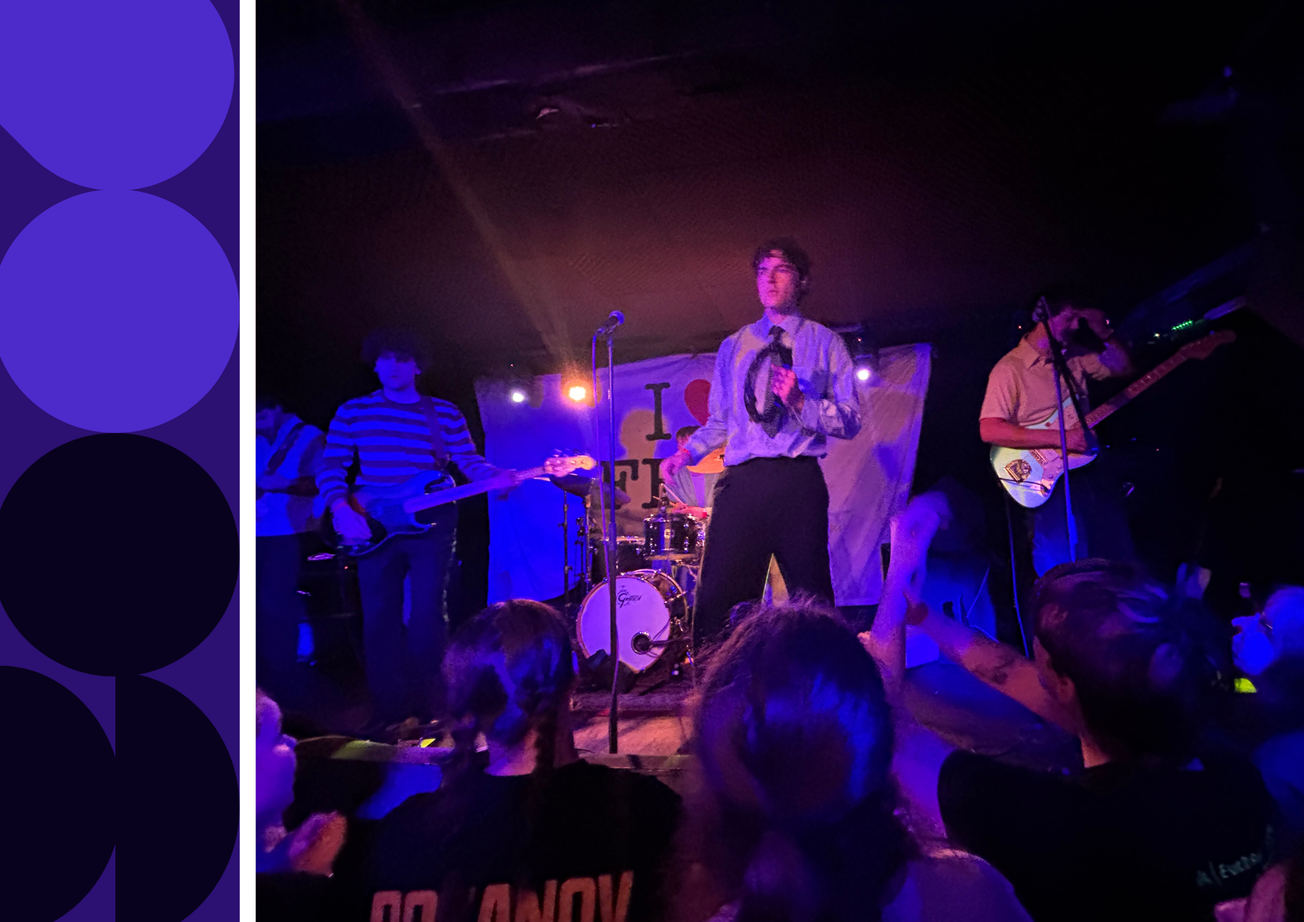
But for those of you creative junkies out there, you will know first-hand how that very chaos can become the greatest muse. Student life - a combination of feelings of freedom, loneliness, grit and beauty - has a strange way of producing the kind of raw emotion that demands to be turned into art, whether it’s sound, visual, dance etc.
And so the university band is born: forged from a shared love of music, a hunger for friendship in the disorienting shift to adult life, and the youthful ‘sky-is-the-limit’ mentality.
 Emily Knoeppel
It would be a lie not to acknowledge that most uni bands never make it past the walls of the SU bar or the sticky floors of a Wednesday night gig. Many vanish after graduation, leaving behind little more than blurry photos and half-finished demos, which begs the question: is there any point? Why pour hours of time, energy, and emotion into something that might never last?
The answer is a resounding yes. It is worth it.
Because every now and then, against the odds, those scrappy student bands become something much bigger. Some of the world’s most influential groups first plugged in their amps in cramped bedrooms or borrowed practice rooms and their stories prove that you don’t need a glossy start to create something extraordinary. In fact, the rougher the better.
Coldplay - UCL, London
We have the grimy halls of University College London to thank for Coldplay. Chris Martin and Jonny Buckland met in the infamous freshers week, soon joined by Guy Berryman and Will Champion - an unlikely crew, with degrees ranging from Ancient History to Engineering. Together they began rehearsing in bedrooms and campus practice rooms, performing at tiny Camden pubs before anyone knew their name.
Coldplay’s journey from student union regulars to stadium-filling giants is a masterclass in graft, taking countless late nights and relentless self-belief. Their story is proof that a casual ‘let’s start a band’ in freshers’ week can echo across decades, and even continents.
Radiohead - University of Exeter / Oxford
True Radiohead fans (and I know Bristol has plenty) will be aware that the band’s roots go back to Abingdon School in Oxford, their home town. But what often gets overlooked is how Thom Yorke’s university years at Exeter helped shape the band’s future.
Yorke fronted a short-lived student group called Headless Chickens in Exeter, where he began testing the limits of his creativity and songwriting. It was here he wrote ‘High and Dry’ and an early draft of ‘Thinking About You’ - songs that would later find a home on their hit albums The Bends and Pablo Honey.
Though Headless Chickens never made it to the limelight, the experience gave Yorke the confidence and space to experiment, nurturing the distinctive voice and songwriting that would carry Radiohead into music legend.
When the band reunited after graduation, they reinvented themselves, moving from their school-era name On A Friday to Radiohead. The independence, experimentation, and perspective Yorke gained during university fed directly into the band’s singular sound - a reminder that even ‘failed’ uni projects can sow the seeds of greatness.
Alt-J - University of Leeds
Leeds has long been fertile ground for student bands, but few have flown as high as AltJ. Formed in 2007 by students Joe Newman, Gwil Sainsbury, Thom Green, and Gus Unger-Hamilton, the band wrote much of their Mercury Prize-winning debut An Awesome Wave in their student flats. The group embraced the DIY ethos, making songs on laptops and recording demos on whatever equipment they could scrape together.
So proud are they of their origins, that Alt-J still sell Leeds University t-shirts on their merch site. It’s a small but telling sentiment: your university days aren’t just a stepping stone, but the very foundations of your adult creative identity.
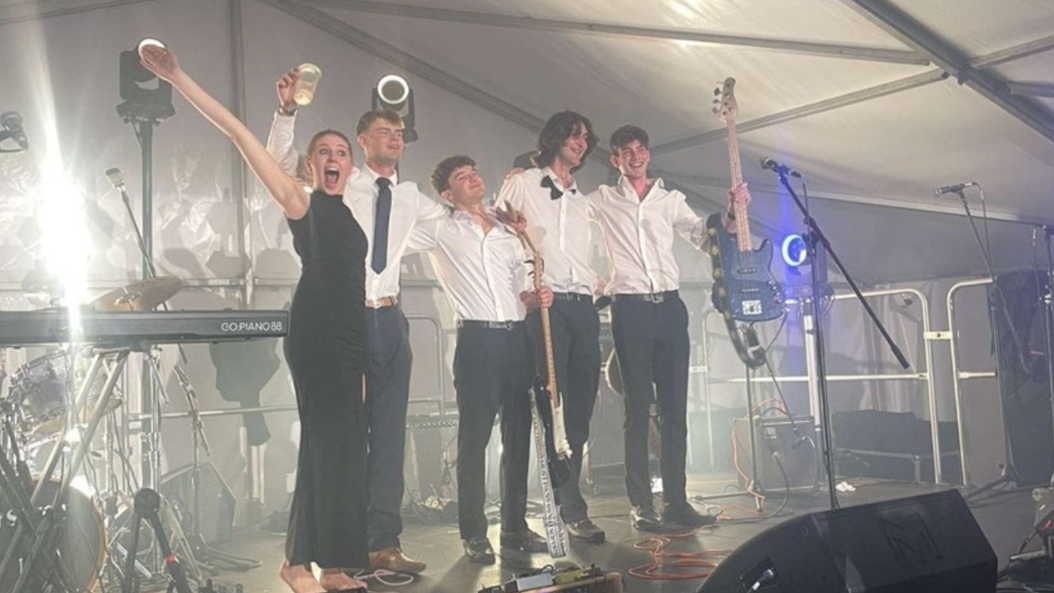
So, should you start a band at university?
The evidence speaks for itself. Coldplay, Radiohead, Alt-J - all born out of messy student flats and half-baked jam sessions. Not every group will go on to Mercury Prizes, Grammys or Glastonbury headliners, but that isn’t really the point.
Forming a band can give you community, confidence, and a creative outlet during years of huge personal change.
And who knows? The racket you’re making in your halls today might just become the favourite song in someone’s playlist tomorrow.
Featured Image: Sophie ScannellAre you in a student band?