By Zaara Chadda, Second Year Theatre and Film
Captivating, profound and darkly entertaining, Sam Wolffe’s ‘ghost-play’ mystery drama drawn from East Anglian folk tales premiered early February at the Pegg Theatre in The University of Bristol’s Richmond Building.
Written by Wolffe and co-directed alongside Connie James, the play follows sisters, Anya (Jemima Hurst) and Jamie (Li Friess), as they take over their recently deceased mother’s pub, The Black Dog Tavern in East Suffolk. The play began with a deceptively light-hearted tone: the sisters discuss TikTok-style hypotheticals and plan renovations for their inherited pub. Yet beneath this humour lies something far more sinister. As the narrative unfolds, it becomes clear that nothing and no one is quite as it seems. Gradually, the moral certainty of our apparent protagonists is threatened, as we discover the immorality of their mother's actions, which placed the pub in their blood-soaked hands. Wolffe’s writing cleverly shifts from witty and contemporary to chilling and psychologically complex, ensuring the tonal descent feels both organic and deeply unsettling.
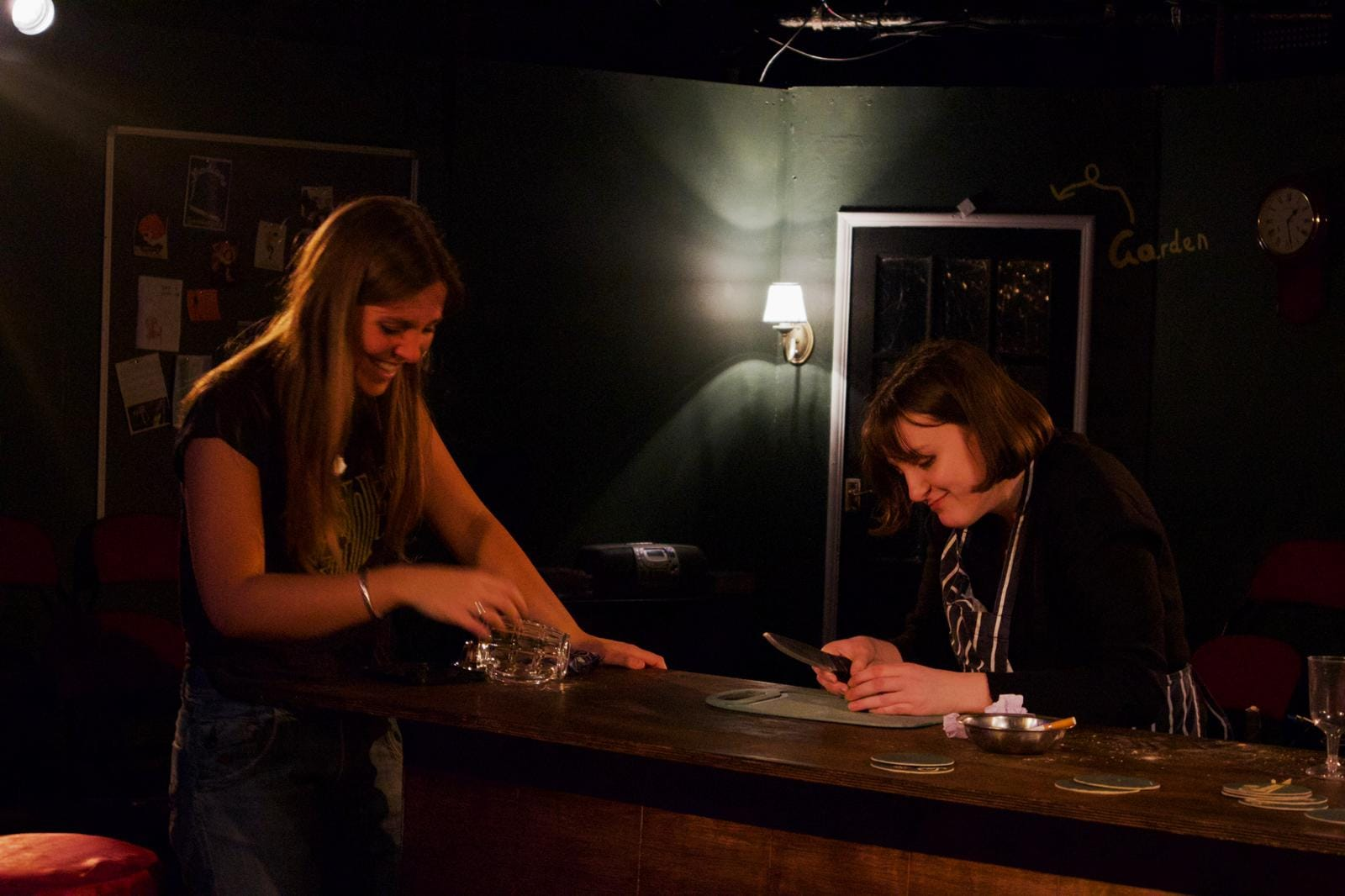
Hurst and Friess share electric chemistry as sisters. Hurst delivers a particularly powerful performance, charting Anya’s psychological unravelling with unnerving precision. Her descent into cruelty feels both shocking and tragically inevitable. Friess, meanwhile, balances sharp comedic timing with genuine emotional depth, making Jamie’s heartbreak all the more affecting as the sisters’ bond deteriorates.
James Davies’ Leon, a long-time family friend, provided comic relief while grounding the play in its folkloric roots. His references to East Anglian myth, particularly the legend of the Black Dog, enrich the narrative and subtly foreshadow the looming sense of doom.
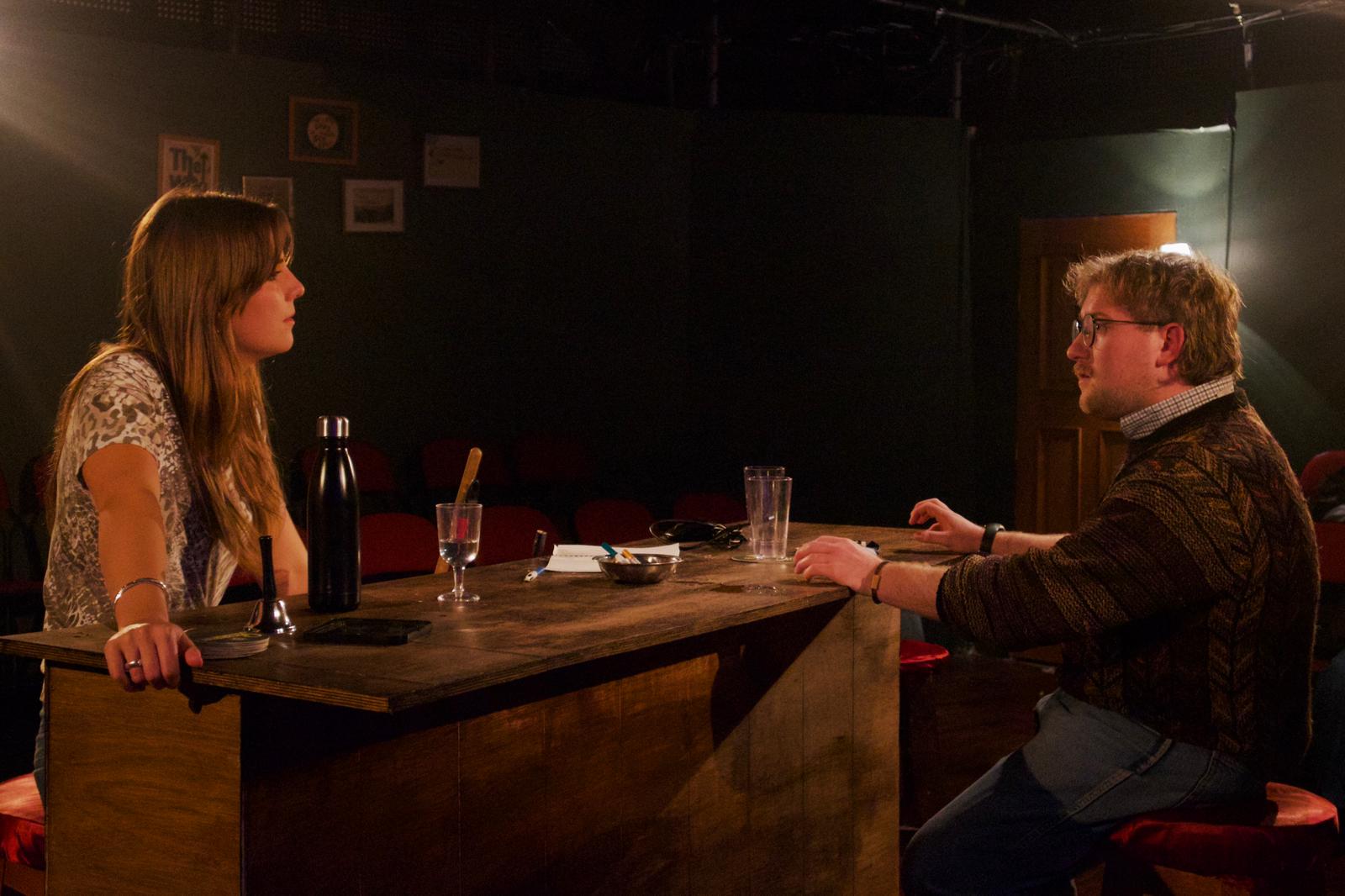
Hattie Millard’s performance as the struggling new mother Colleen was compassionate and moving. Providing both comically light sweetness and emotional discovery, Millard’s performance provided a caring nature within the walls of The Black Dog Tavern despite her own hidden secrets and intentions.
Rohan Chopra’s performance of Arthur was excellent. The mysterious figure who defaces the eerie painting of recently deceased Julie Roe, struck initial fear upon his entrance in the first act. This was then powerfully contrasted by his eye-opening monologue in the second act.
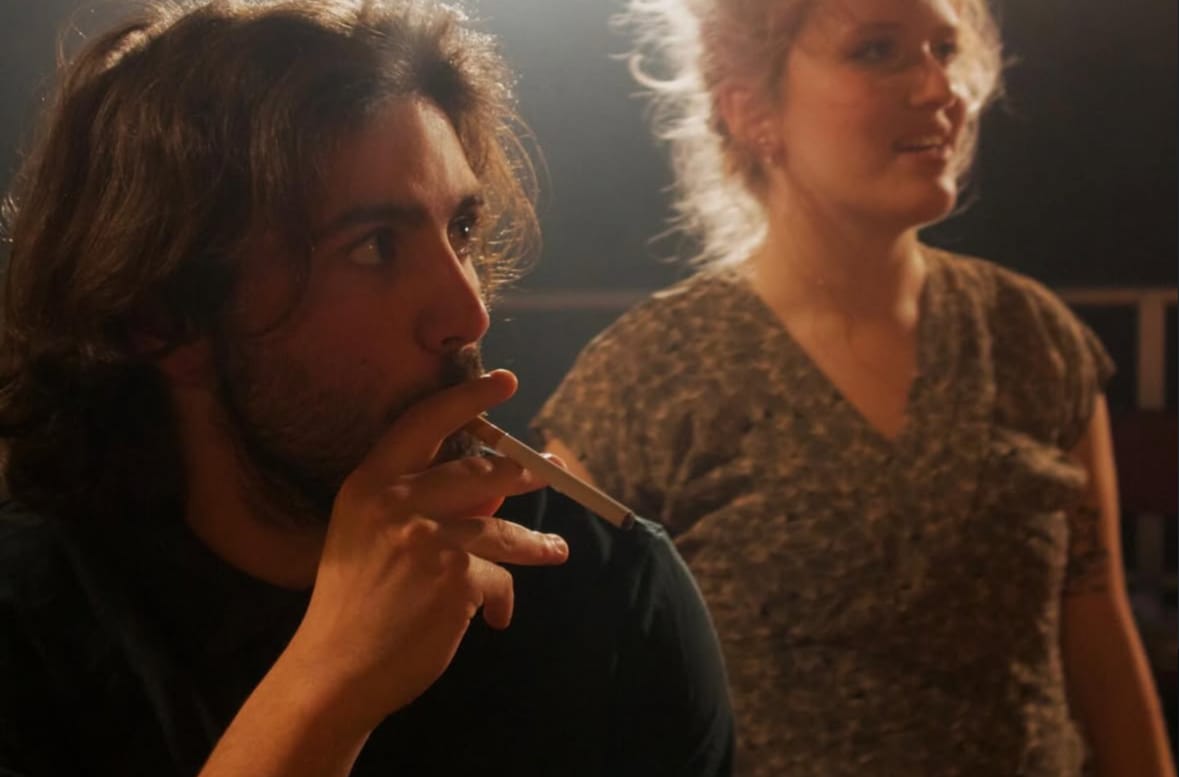
The ominous and reoccurring presence of ‘Spanner’, the sister’s very own unseen black dog, was a chilling motif that fuelled the unsettling atmosphere, which was made even eerier with the eventual silencing of the barks.
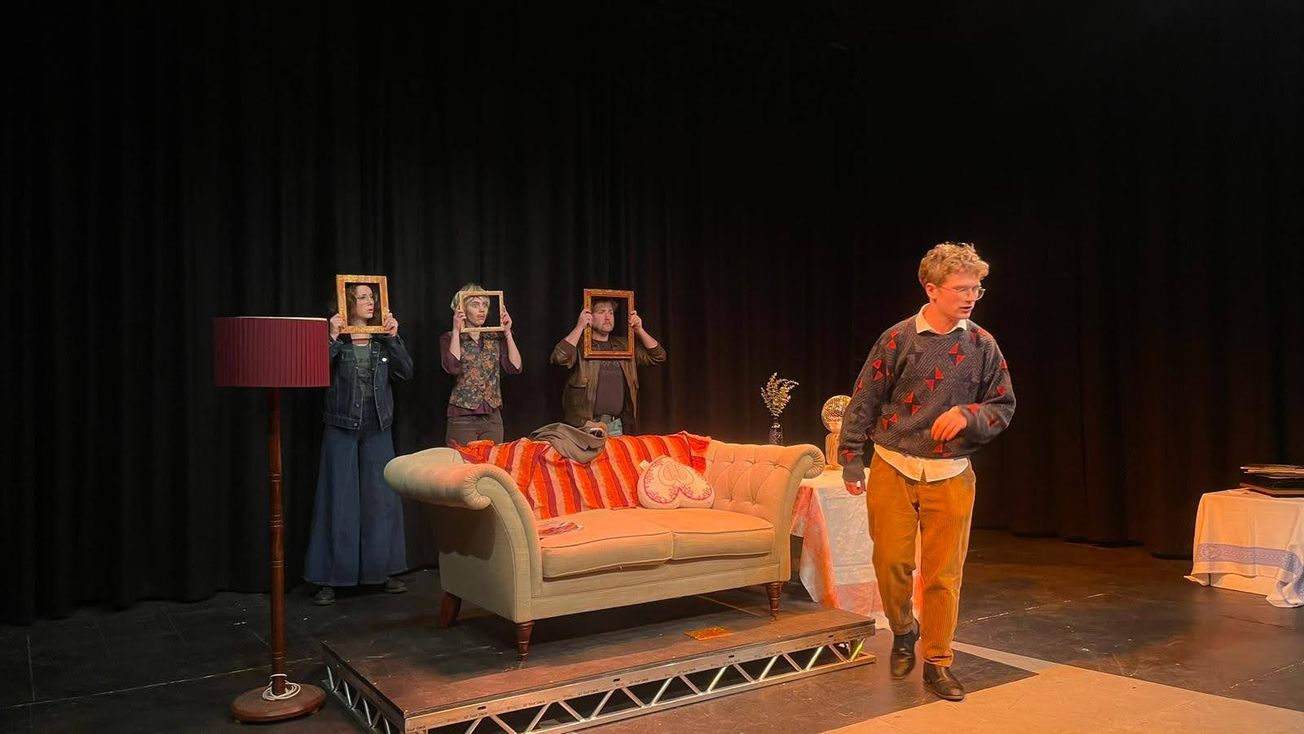
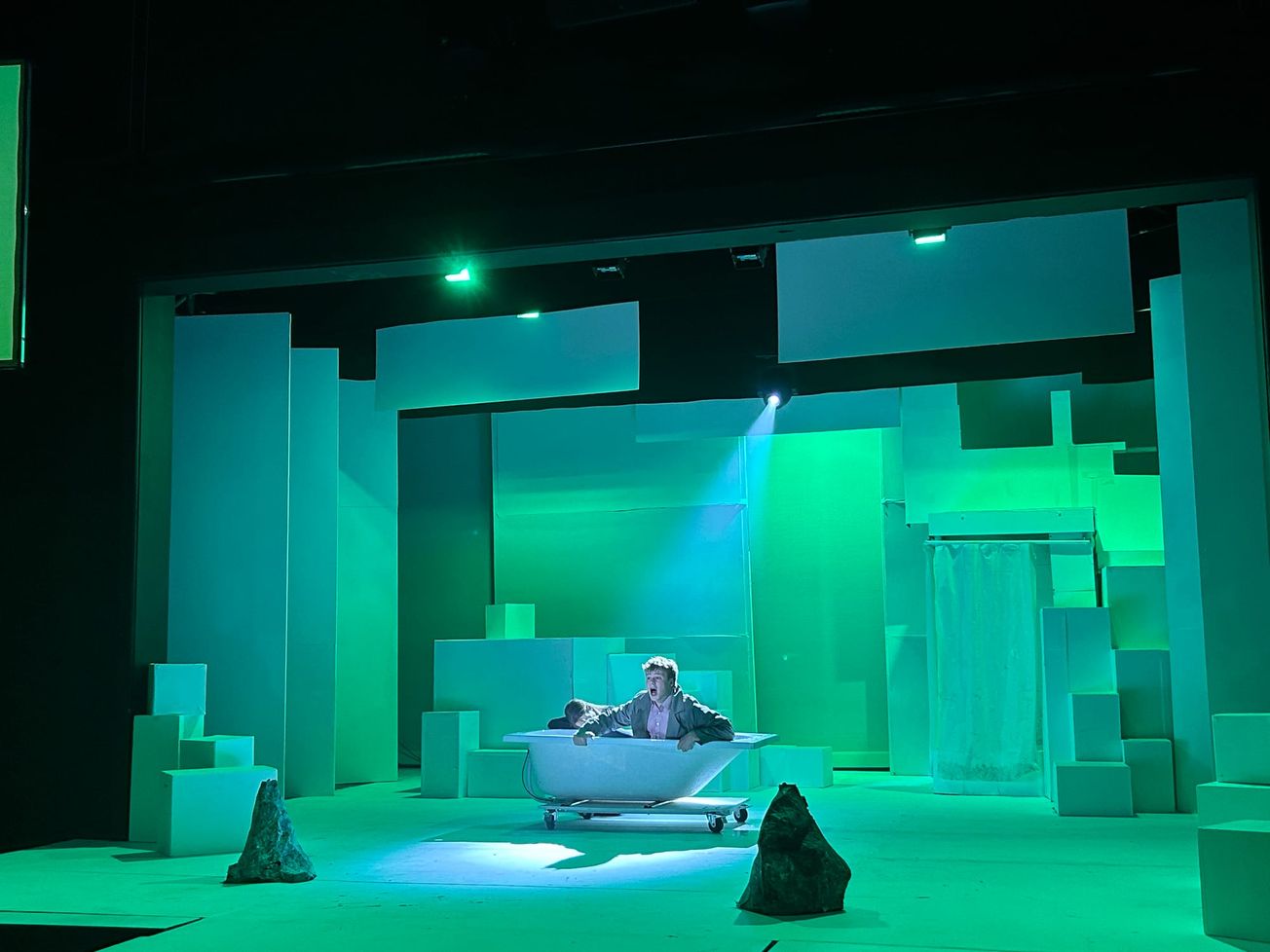
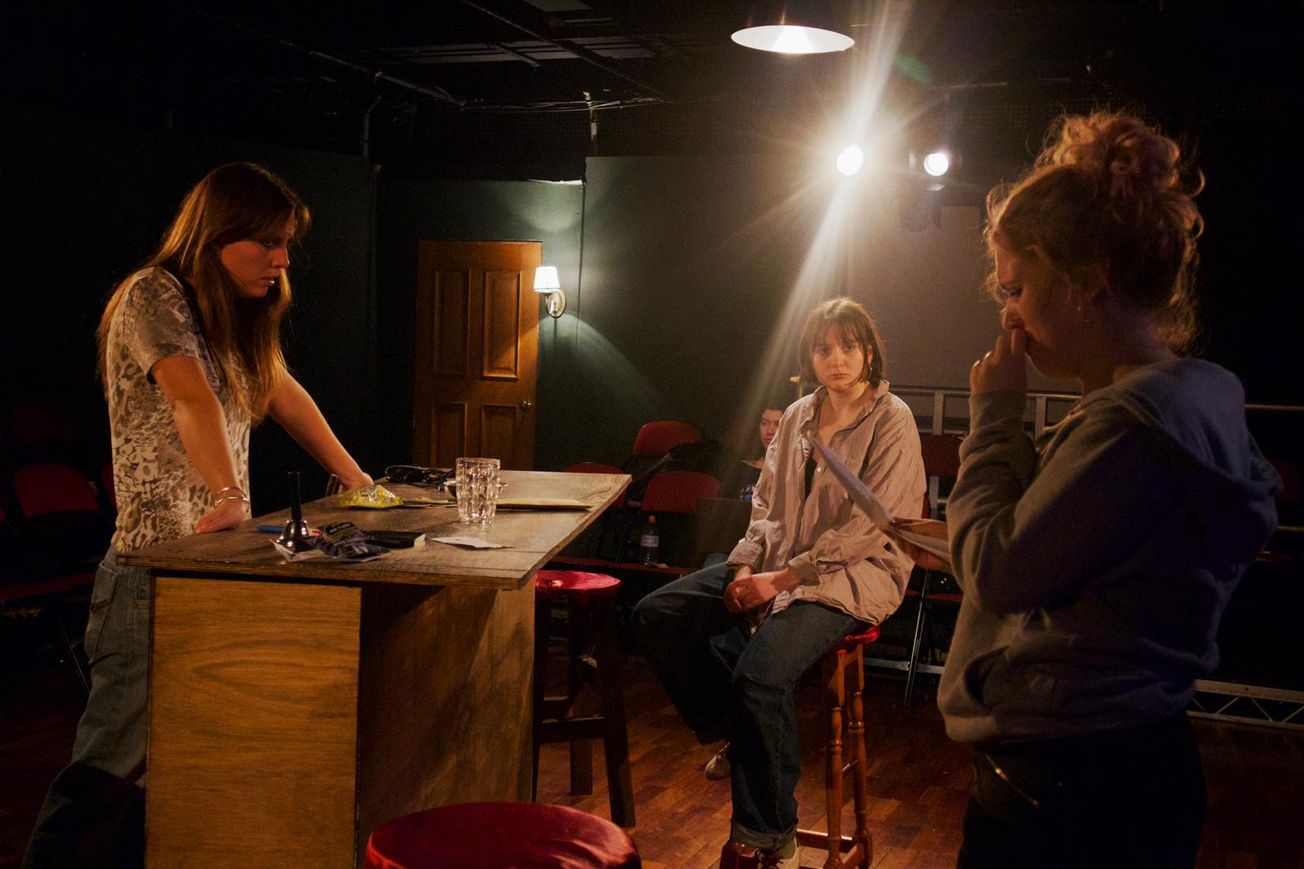
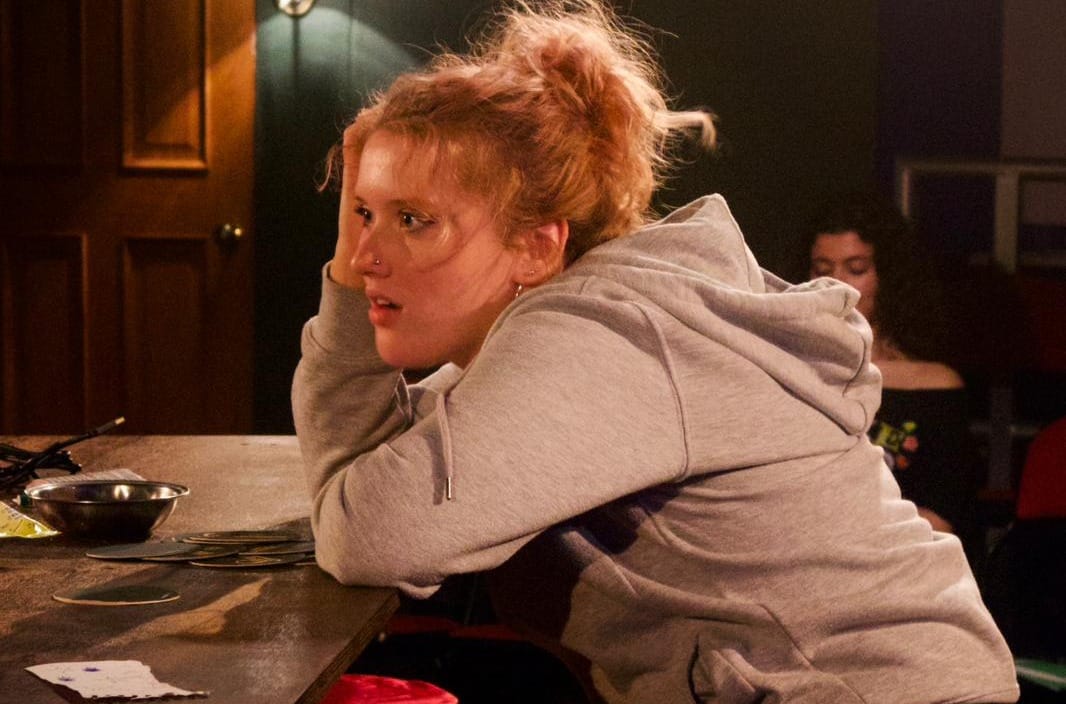
Ella Ruthenburg’s set design transforms the Pegg Theatre into an immersive, intimate tavern, including a functional bar! The in-the-round staging intensifies the claustrophobic atmosphere, placing the audience within the sisters’ world. From the pre-set, in which the sisters clean and prepare the pub, to the final moments of relational devastation.
The second act was charged with the most gripping tension. The emotional volatility between Jamie, Anya and Colleen crescendos into exchanges so sharp and raw that the audience scarcely dares to blink.
Personally, the final two exchanges between the sisters had me gagged. When Jamie tells her sister, ‘I don’t know who you are. And I don’t think you know who I am either,’ the line lands with brutal finality, encapsulating the complete disintegration of their relationship.
In conversation with writer Sam Wolffe, he described how he was inspired by the notion that ‘our realities are shaped by narrative and stories’, and how he aimed to ‘push this idea to this extreme’. This thematic concern is vividly realised in Anya’s fall from grace, as her grip on truth falters and constructed narratives begin to overtake reality. Furthermore, he was encouraged to write a spooky play because he describes how ‘fear/dread are such powerful emotions, and whilst they often get explored in TV and film, I feel scary plays are quite rare to come by.’
The Black Dog is a dynamic and unsettling new work that grips its audience from beginning to end. Rooted in folklore yet strikingly contemporary, the play interrogates truth, morality and how the rejection of these things can make people do unforgivable things.
Featured image: Spotlights / Connie Weston
Will you watch