By Dylan Lewis, First year, Music
The newly-formed ARYA Network (Association for Rising Young Artists) recently presented their inaugural event at the Roman Baths, on the evening of Saturday the 14th of March: a concert of various operatic arias, featuring 5 singers and a narratively-structured, three-act programme covering over 200 years of music.
A group dedicated to providing performance opportunities to young singers, ARYA announce themselves on their website as an organisation which ‘exists to reimagine how opera is experienced and who gets to step onto its stages’, whilst also remaining ‘rooted in classical tradition’, presenting events ‘in settings that invite curiosity, intimacy and emotional connection’.
Walking into the dimly-lit Roman Baths after dark, surrounded by formal dress and carrying a complimentary glass of wine, it was the second commitment which was most immediately apparent. The reception around the Baths themselves, which took up the first hour of the event, was entirely committed to the conjuring of a specific, high-class ambiance.
Make no mistake - the Baths in evening were breathtaking: the orange-fire lighting and late-twilight-blue sky, the soupy green of the Great Bath, the pleasant coolness of the stone, all amounted to something distinctly memorable, distinctly sensory, almost hyperreal, distinctly ‘an event’. If anything, the sense of attending a ‘performance’ naturally expected from attending a concert extended into the reception itself.
Whilst walking around, to the accompaniment of a string trio playing deliberately soporose music-to-be-ignored, I became intensely aware of the sheer amount of documentation happening around me - phones and photographs and poses and the like, all in ultra-formal dress - the vogueish word ‘performative’ comes to mind. To be clear, I am not trying to extend this review into a critical essay, and being ‘inauthentic’ is by no means a bad thing, but it is nevertheless worth noting for anyone interested in the ARYA network. This was not an authentic, entirely artistically-focused sort of event, and perhaps rightly so for an organisation with the stated aim of ‘inviting curiosity and intimacy’. In one sense, the reception felt like the main event, with the operatic concert serving as a sort of Gebrauchmusik, existing to facilitate a fantastical ‘jump into the past’.
After an hour or so, the crowd was politely ushered upstairs into the adjoining Pump room for the concert itself - three acts, covering a couple of hours, of various operatic arias. The concert was structured in a programmatic way, with each act concerning a theme, and the chosen arias all (nominally) fitting into each section, giving the whole concert something of a narrative logic. Whilst the themes of each act tended to vagueness (‘Naive Love’, ‘The Fall’, and ‘What Remains’ being their respective titles), and often barely matched the music - an aria from Handel’s Messiah in the first act for example - the basic idea is really strong.
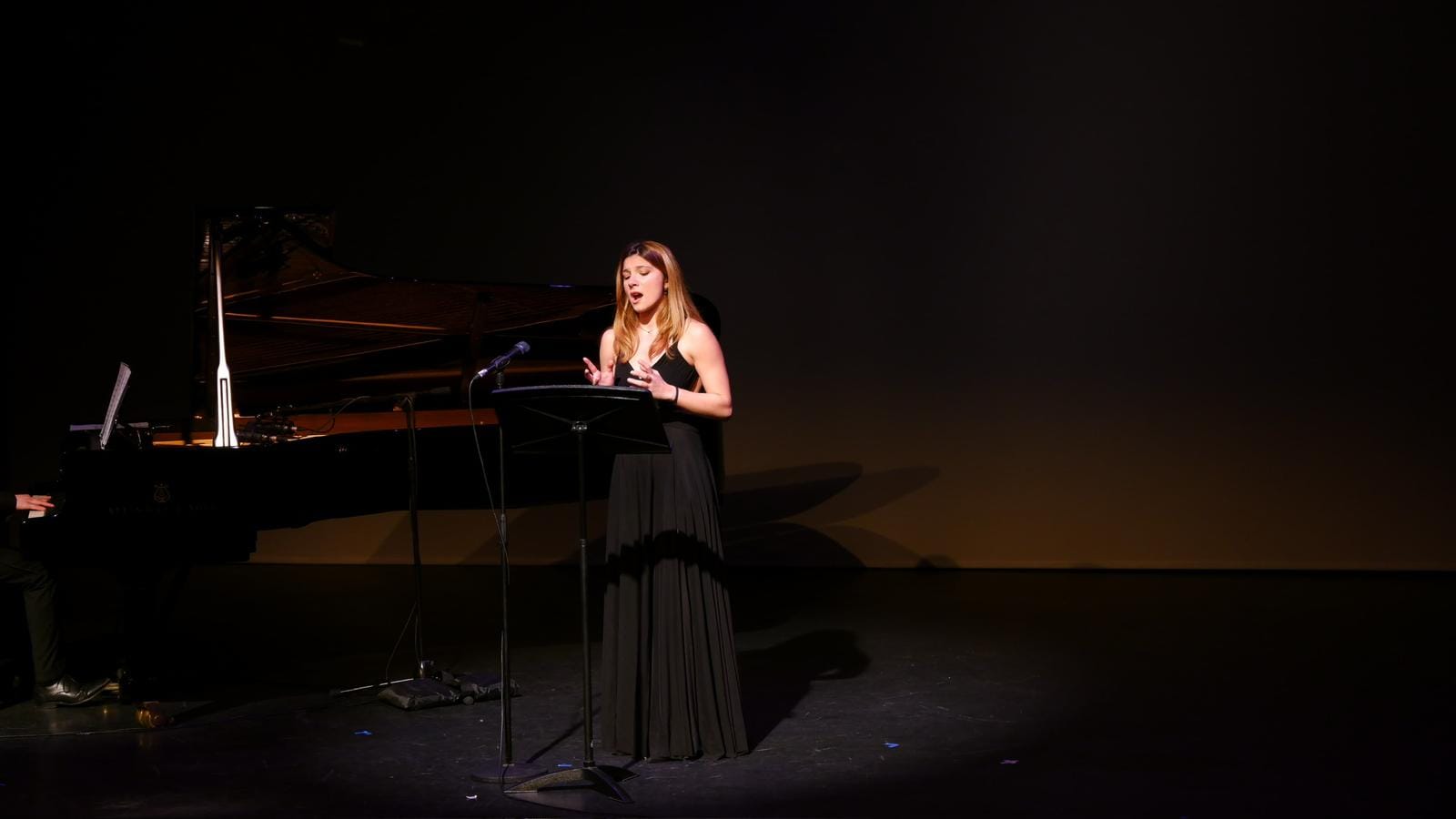
This idea of narratively structuring preexisting works goes a long way to making opera more accessible, giving a solid anchoring of what to listen for, and a sense of what is being expressed, to an audience who may well have no prior experience with classical music. The choice of music mostly tended to the popular classics of Puccini, Handel, Verdi and Mozart - rightly so for the Pump rooms, a venue so strongly associated (historically) with light music that one-time concert director Frank Tapp was allegedly fired for programming Schoenberg’s then-new Five Orchestral Pieces!
Amongst the often-heard works though, were a less-often performed ones, with works by Gluck and Grieg appearing. Undoubtedly the highlight of the programme was ‘No Word From Tom’ from Stravinsky’s The Rake’s Progress, a brilliantly expressive 20th century work, that was fully unexpected amongst so many better-known pieces, but programmatically a perfect fit.
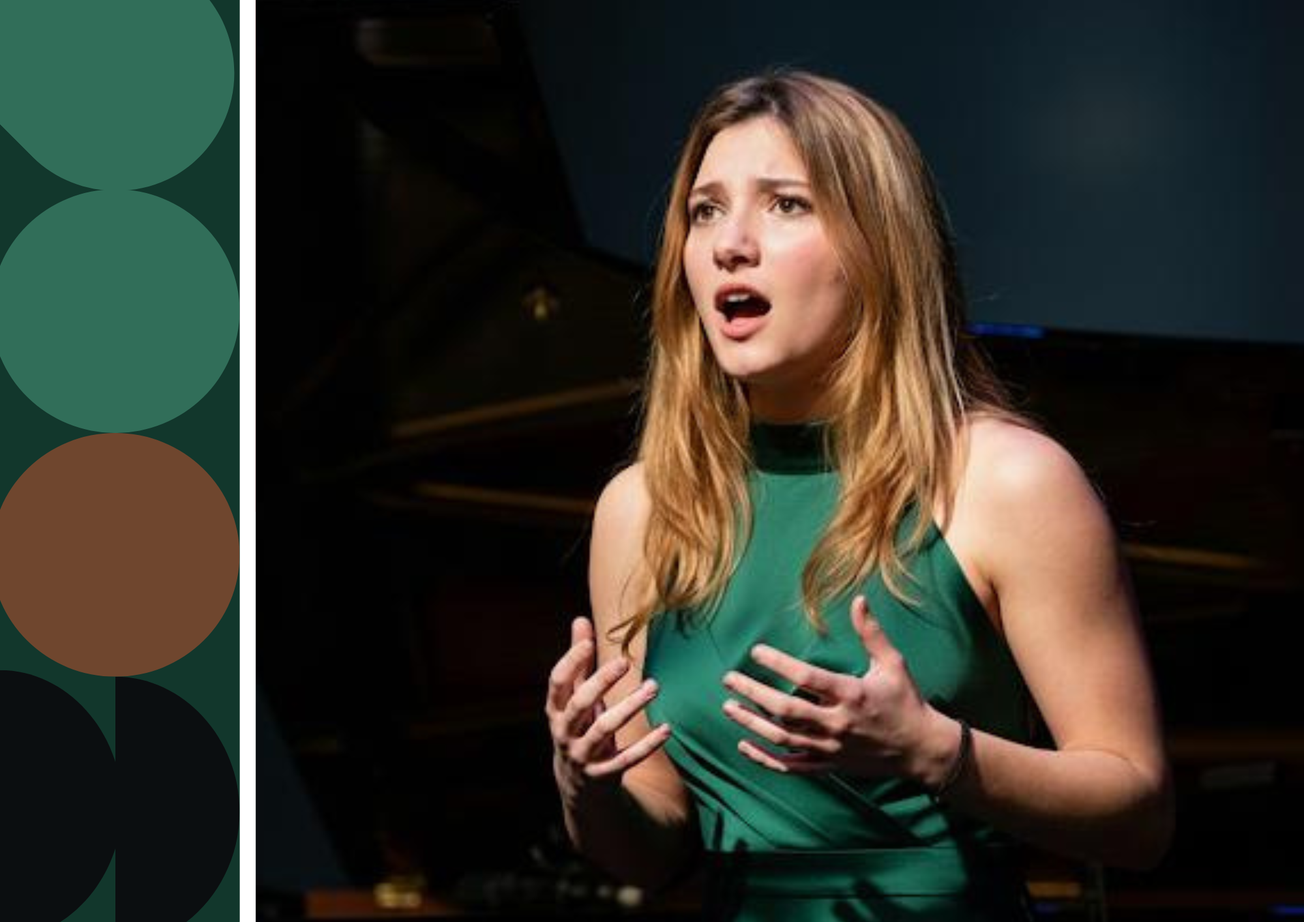
In music as vocally demanding and virtuosic as opera, the quality of the performances is often as much of an appeal to audiences as the music itself. Here, the quality was no disappointment, showcasing some genuinely astounding young talent. The evening featured five singers - all sopranos or mezzo-sopranos - all with still-developing voices, but nevertheless technically masterful, and each possessing a distinctive tonal quality which gave the already-eclectic program even more diversity. Three of the singers - Lucy Hancock, Cate du Toit and Louisa Goodfellow - are students in our university’s music department, and their performances all reflected the high quality of music-making at Bristol.
 Benjamin Ladner
 Ambar Madhok
As expected of singers of this quality, vocal athletics and high notes abound, but it was always ‘tasteful’ - never was there hollow virtuosity, and every technical display in the programme was balanced by quieter, sensitive moments. It was in these more lyrical respites above all that the singers, and their expressive accompanists, embodied the uniquely human and physical quality of opera music which sets it apart from more abstract instrumental music.
The first concert of the ARYA Network was undoubtedly impressive, both musically and organisationally. This sort of ambiance-event is entirely new, and truly no expense had been spared in the conjuring up of an evening with a ‘fantastical’ atmosphere. Combined with the consistently high standard of the performances and the unique manner of their programmatic presentation, it was a genuinely novel experience, and its sense of slickness and classiness made it one to be recommended to any formal-loving student. However, it is precisely this marketing schtick which has me in two minds, calling into question the stated aims of the ARYA Network: Is an event which deliberately leans into its éliteness with wine, ancient buildings and formal outfits (albeit in a fancy-dress kind of way) to market itself really doing its stated aim of making opera more accessible? Or rather, does it reinforce this music's (often unfair) association with the upper class, reducing the art itself to an accessory, a tool existing only to conjure up and sell a sickly, thick, class-mired ambiance?
Featured image: ARYA / Alihan KaratasWill you be at the next ARYA concert?