By Matilda Collard, Third Year English
On Friday 17th October, 120 audience members descended on the Anson Rooms in black tie for a night of musical celebration. ‘BUMS In Harmony’ was an almighty event, consisting of performances from all 11 BUMS ensembles and celebrating the unrecognised contributions of black composers to classical music. Vibrant and joyful, the concert was a beautiful meditation on unrepresented voices, and an incredible display of musical talent.
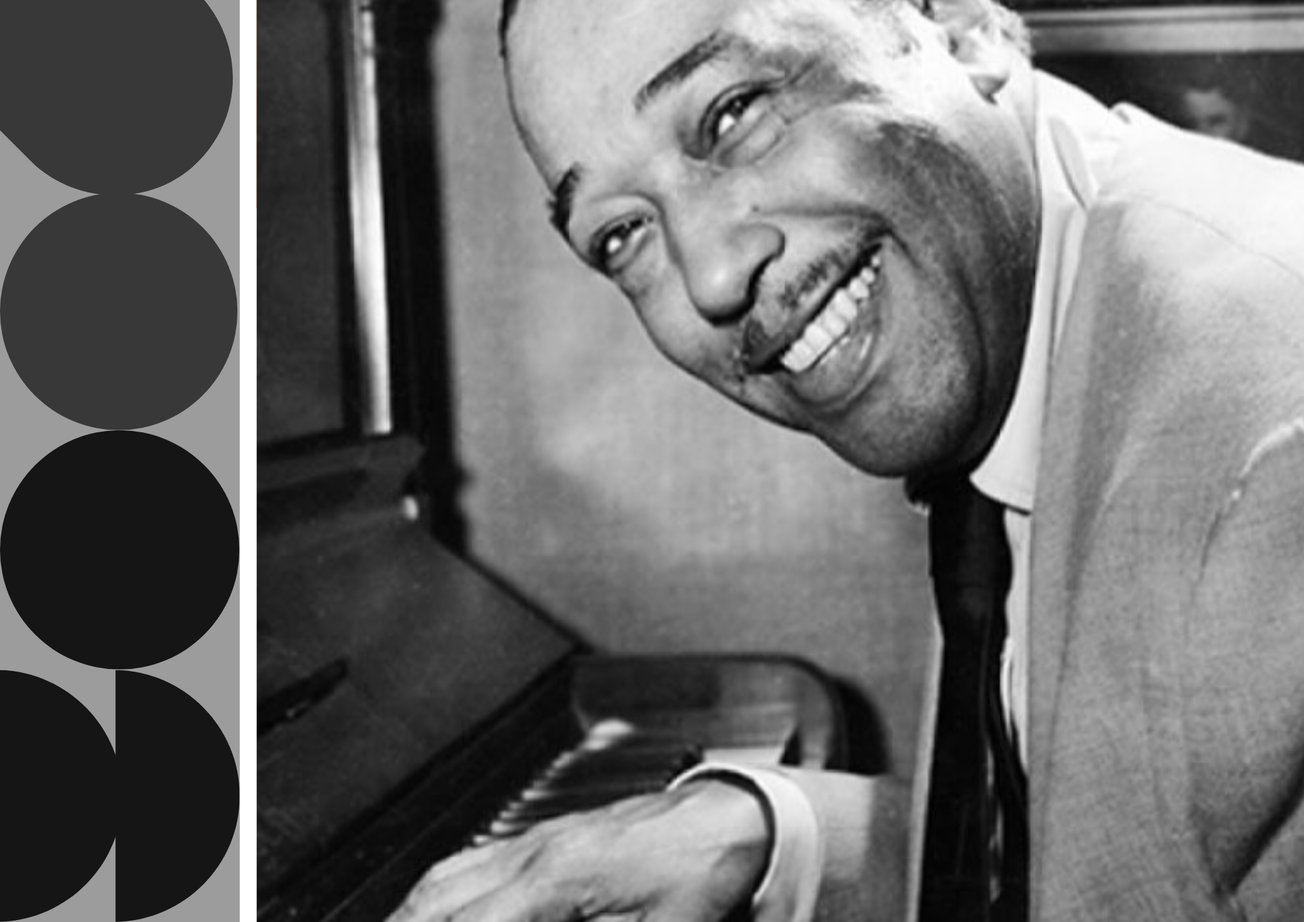
The concert was kicked off with a bang by the Brass Band, conducted by Edward Cheung, performing ‘Caravan’ by Duke Ellington and ‘Sir Duke’ by Stevie Wonder. The pieces filled the room with a swelling and exuberant sound. Accompanied by fun colourful lighting, these pieces seemed to embody the power and jubilation of Jazz and Soul music. The ensemble was impressively clean, absolutely synchronised and it was beautifully apparent how much fun the musicians were having. Joy simply radiated out of this group and perfectly established the tone for the concert, a stunning homage to the beauty and significance of these pioneering works.
Next, we were entreated to a piece by the Baroque Ensemble, conducted by Sammy Li. One of BUMS’ smaller ensembles, they performed the beautifully intimate ‘L’amant Anonyme Overture’ by Joseph Bologne. The piece was romantic and textured, transitioning smoothly between lyrical passages and brisk, energetic sequences. As a smaller ensemble, every instrument was given a chance to shine, and they were striking in their precision and unity, creating a close and intricate sound which beautifully contrasted the immensity of the previous performance.
Following this, performances from the Flute Choir and String Orchestra showcased the beautiful intricacy of each individual instrument. Conducted by Yasmin Hussain, the Flute Choir performed ‘Umoja’ by Valerie Coleman, a stunning melodic conversation which weaved and danced with sprightly ethereality, and ‘Deep River’, an African American spiritual arranged for flute by Thomas Quigley. The gentle contour of the phrases, often arching upwards before gradually descending, evoked the ebb and flow of water, creating a sonic image of continuous movement. The arrangement transformed the flute into a vessel for the river's symbolic power, conveying longing, movement, and ultimately, spiritual release; artfully navigated by the Flute Choir.
The String Orchestra, conducted by Ryan Powers, gave a beautiful rendition of ‘Four Novelletten op.52. II’ by Samuel Coleridge-Taylor. The dance embodied a romantic sensibility, bright with moments of gentle elegance which grew into exuberance, highlighting the full range of colour and texture possible within a string ensemble. The musicians played with artistry and Finlay Cooper shone in his debut on the triangle.
Act One was closed with a thoughtful and moving performance from the Minerva Choir, BUMS’ un-auditioned singing ensemble, conducted by Reuben West. Singing the spiritual ‘Stand Still Jordan,’ arranged by Florence Price, the Minerva Choir demonstrated a powerfully moving harmonic blend which ebbed, flowed and swelled with precision. A reflection on African American cultural experience in the shadow of slavery, this piece was a hauntingly evocative Act One finale, forcing the audience to confront and reflect on the gross abuse and exclusion of black voices from mainstream musical circles.
After an interval full of hits from our favourite black pop artists, Act Two was opened with a brilliant piece by the Chamber Orchestra, masterfully conducted by Charlie Kay. Performing ‘A Short Piece for Orchestra’ by Julia Perry, a 1954 composition originally performed by the New York Philharmonic, the Chamber Orchestra welcomed us back with a huge-impact performance. From the opening flourish through wind solos, percussion, and full ensemble eruptions, the orchestration was vivid and varied. Contrasting hugely with the whimsicality and reflectiveness of the first act, this piece was an almighty demonstration of orchestral power. The performance was incredibly cohesive and sharp, impressively synchronised and expertly navigated.
Following this, two pieces from the Wind Orchestra maintained the vibrant energy. Conducted by Abi Lear, they performed two numbers, ‘On Parade’ by Amanda Aldridge and the beloved ‘Superstition’ by Stevie Wonder. Both pieces were bright and energetic, with a big impact sound but performed with precision and skill. They perfectly showcased the versatility and potential of wind instruments, and it was so clear that the musicians were loving every second. This joy was infectious, radiating out into the audience with their large triumphant finishes. The Wind Orchestra perfectly navigated the technical precision required to play these pieces, and the energetic vivacity required to perform them.
Next, Chamber Music gave a beautiful rendition of ‘Nonet in F Major op. 2. I’ by Samuel Coleridge-Taylor. A turn away from the intensity and boldness of the previous ensembles, towards a more intimate and intricate sound, this piece was a skilful combination of lyrical melody, bold gestures, and rhythmic energy. Conducted by Shayna D’Silva, the ensemble was incredibly precise and together, seeming all to be in clear communication with one another. It was beautiful to see an ensemble working so collaboratively.
Clarinet Choir was up next, conducted by Lucas Dick and performing two beloved jazz classics: ‘My Little Suede Shoes’ by Charlie Parker and ‘Palm Leaf Rag’ by Scott Joplin. Pioneering the Bebop style of jazz, Parker was a hugely influential jazz saxophonist. This piece was performed with vibrancy and collaboration, with all instrumentalists seeming to bounce off one another, a clear demonstration of the community fostered in these musical genres. The Joplin piece had that same heavily swung style, fun and highlighting the versatility of the clarinet as a vessel for storytelling. The ensemble was clean, together and vibrant.
The penultimate performance of the night was from Chamber Choir, conducted by Mayuri Swaminathan. Their first piece, ‘Dona Nobis Pacem’ by Mark Miller was a gorgeous meditation on peace. The choir enveloped you in a stunning blanket of sound which seemed to float and soar as gracefully as the embodiment of peace herself. The suspended harmonies and the poignant counter-melody in the soprano line was a stunning embodiment of hope.
Their second piece, ‘Peace on Earth’ by Errollyn Wallen was a deeply moving collaboration of upper voices over an oscillating ostinato on the harp (beautifully provided by Reuben West). As the voices and the harp weave in and out of dissonance with each other, the audience is reminded of the ever-present hope for peace even in the darkest times. The choir sang with beautiful technique and clear synchronicity.
This wonderful celebration of black composers was brought to an epic close by the Symphonic Winds. Superbly conducted by Jake Wingfield (with the seeming energy of Whoopi Goldberg in Sister Act!), they performed two pieces by the award-winning composer Katahj Copley, ‘Sunshine’ and ‘Astra.’ In Copley’s own words, ‘music is the ultimate source of freedom and imagination,’ and these two pieces perfectly encapsulated that statement.
‘Sunshine’ was a beautiful blend of textures from all instruments, weaving and entwining with each other in a stunning wall of sound. I teared up at the huge major chord which ended this piece, joy seemed to radiate from every instrument, and it almost felt like the room physically brightened. The ethereal sound of ‘Astra’ brought the concert to a beautiful and deeply moving finale. The piece gradually built to an enormously impactful final chord which left the audience speechless for a few seconds after its end. It was a standing ovation well earned and a perfect way to close such a meaningful concert.
‘BUMS in Harmony’ was far more than a concert, it was a powerful act of recognition, celebration, and artistic excellence. Through each ensemble's passionate and technically outstanding performance, the evening illuminated the profound contributions of black composers to classical and contemporary music, voices too often marginalised in the canon. The talent and commitment of each musician and conductor shone through, and the result was not only a display of musical mastery, but a deeply moving reminder of the power of music to honour, uplift, and inspire.
Featured Image: @bristolunimusic
What was your favourite performance?