By Erin O’Connor, First Year, English
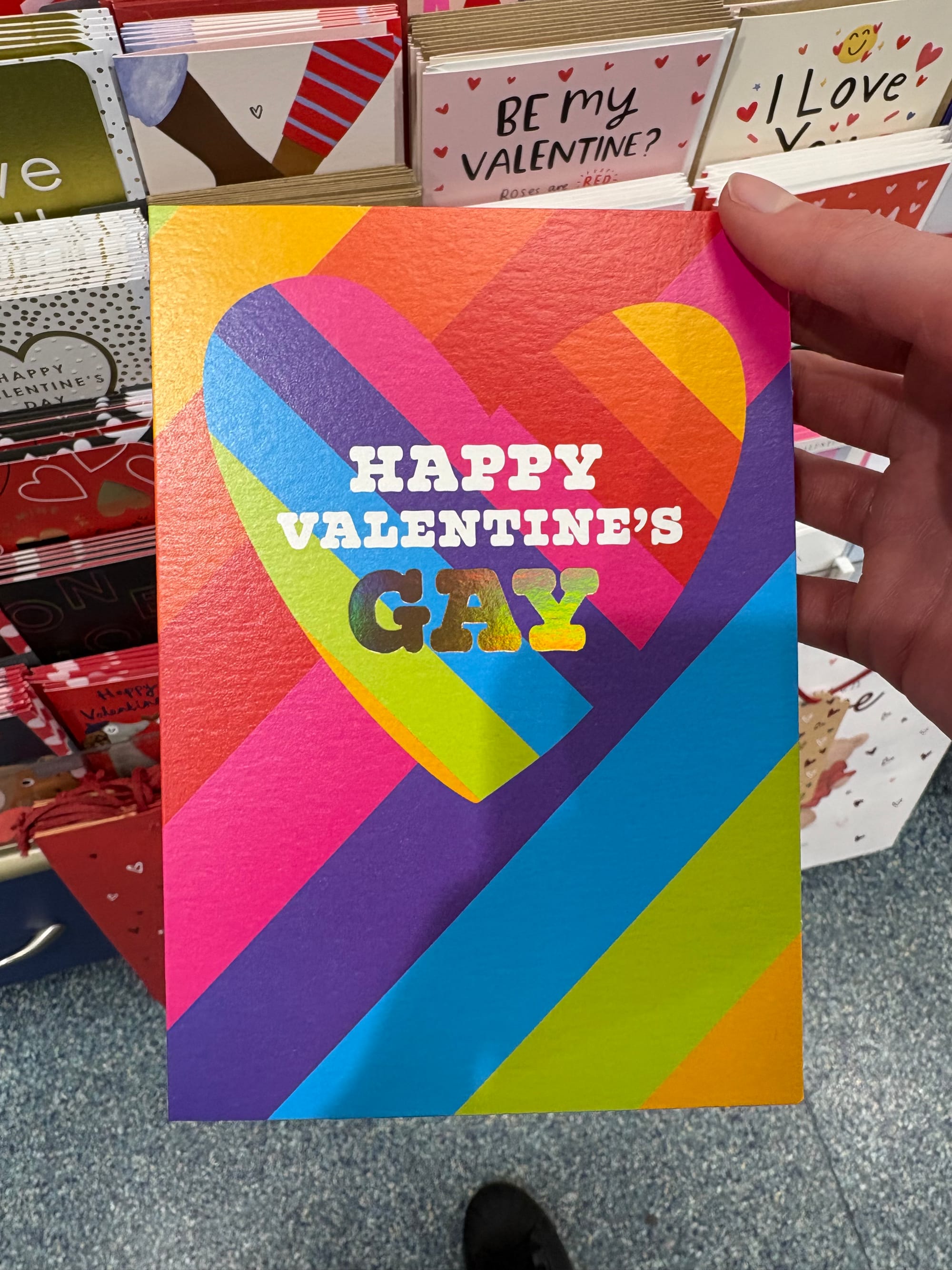
Valentine’s Day can be a divisive holiday, bringing joy to some and intensifying loneliness for others. Regardless of your view, beyond the garish cards and cliched candlelit dinners, Valentine’s Day brings with it a palpable denial of queer identities. From marketing to movies, the lack of representation leaves queer people feeling isolated and is a stark reminder that they are in the minority.
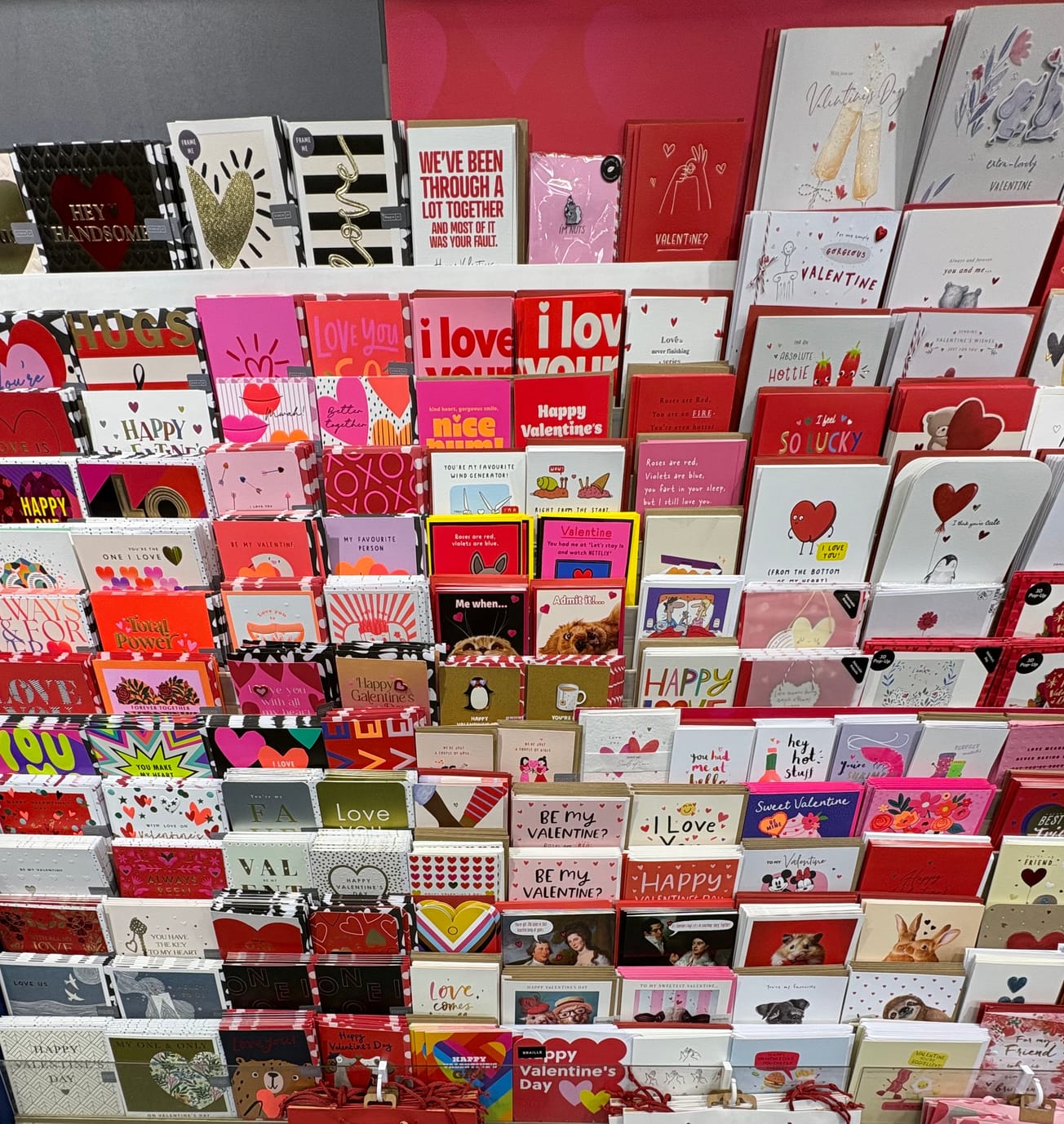
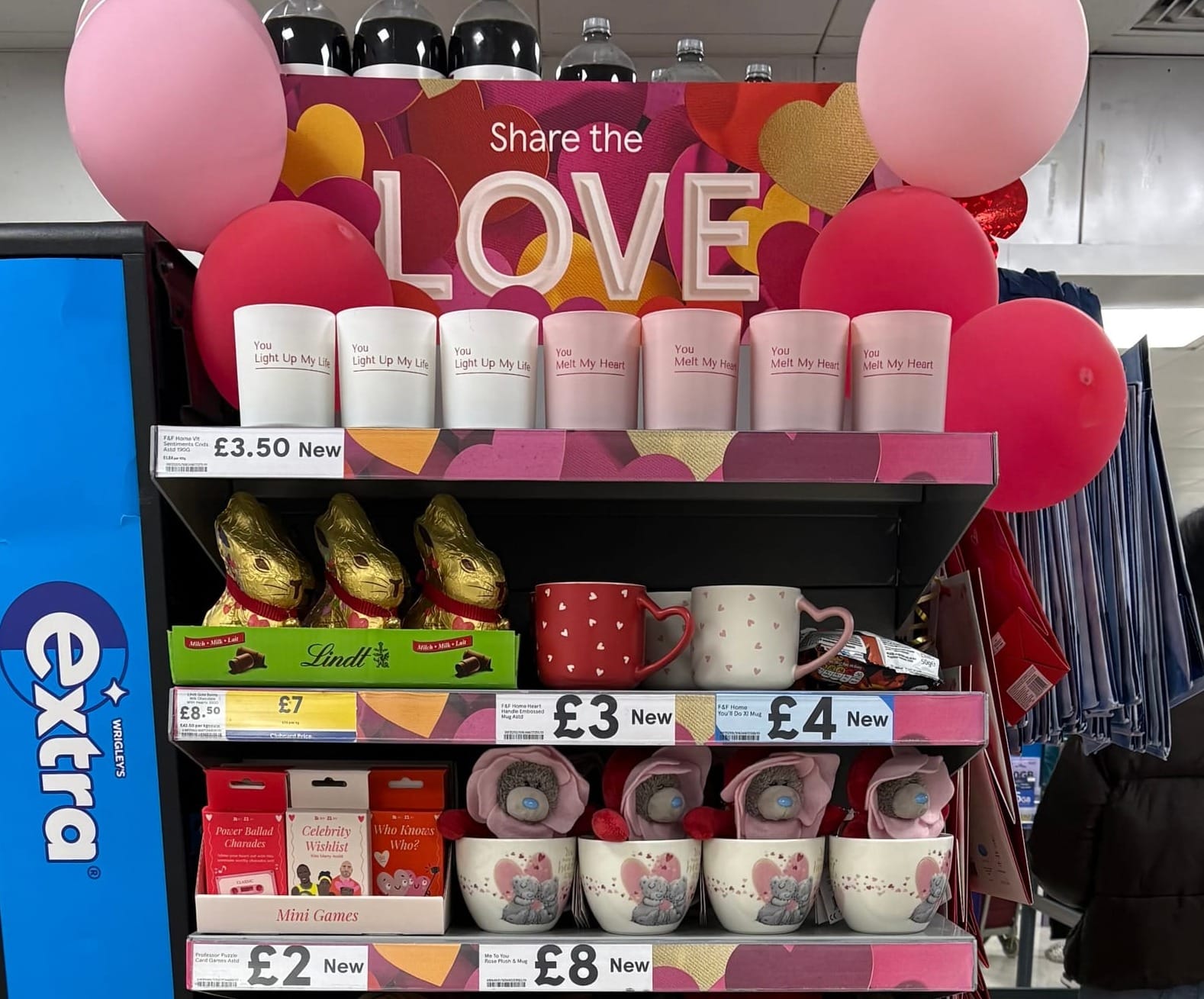
Valentine’s Day as a whole is overly commercialised, with almost £1 billion being spent on it last year. There is an abundance of ‘His and Hers’ gifts on the market, with everything from matching pyjamas to wine glasses, yet nowhere near the same selection for queer couples, dismissing alternative sexualities and gender identities. With this lack of representation, it can feel like companies are isolating their queer clientele by excluding them from the market. Even the myriad of advertisements that bombard us every year neglect queer identities; only three high street brands have featured same-sex couples in their Valentine’s Day ads: Lush, Hallmark and Burberry. Although queer people may be the minority, they are a large minority with 1 in 10 16-24 year olds identifying as lesbian, gay or bisexual. However, this statistic is not reflected in the proportion of Valentine’s Day products targeted towards them. Valentine’s Day marketing also often perpetuates cis-heteronormative stereotypes, such as men being the gift-givers and all women desiring typically ‘feminine’ gifts such as jewellery and fragrances, disregarding queer audiences, as their relationships often do not reflect the hegemonic, cookie-cutter ones portrayed.
‘How are queer people supposed to feel included in the festivities when their representation in media often ends in heartbreak?’
The exclusion of queer audiences is also extended to romance movies typically associated with Valentine’s Day. Good Housekeeping’s ‘50 Best Valentine’s Day Movies to Watch and Stream’ features one queer film (Brokeback Mountain), which is another reminder to queer people that their love is unpalatable for general audiences. Mainstream romance films often feature queer protagonists overcoming oppression or fear of ostracisation to find love, rarely just focusing on their relationship. Call Me by Your Name, A Portrait of a Lady on Fire, Brokeback Mountain, Carol, the list goes on. Although this is the reality for many queer people, it feels like there must always be a struggle for queer characters to access love, and that queer people cannot be loved without sacrificing something. How are queer people supposed to feel included in the festivities when their representation in media often ends in heartbreak? The contrast between light-hearted and steamy cis-heteronormative romances with traumatic queer ones highlights the work that is required to achieve true equality.
The target demographic for Valentine’s Day is obviously couples, which can also leave straight cisgender single people feeling isolated. However, whilst it can be a hard day for all single people, regardless of identity, it is especially difficult for single queer people, because their right to love is so publicly dismissed. Valentine’s Day can be particularly challenging for aroace and gender non-conforming people, as there is such a strong focus on romantic love and marketing is often heavily gendered.
‘Growing up as a lesbian in a small rural town, Valentine’s Day always felt abstract, like it wasn’t really for me because I didn’t see any representation’
I spoke to some of my queer friends to gauge their opinion on the subject; the consensus was that Valentine’s Day can be an extremely alienating time for queer youth, as it feels like queer love is being silenced. One friend told me, ‘seeing heavy marketing towards straight cis-gendered couples over the years has made me feel that they are the norm and fuelled an unhealthy rhetoric in my younger self that there is something odd about being in a queer relationship, as it is not a “normal” kind of love.’ Growing up as a lesbian in a small rural town, Valentine’s Day always felt abstract, like it wasn’t really for me because I didn’t see any representation, which is clearly a common feeling among queer people. Although Valentine’s Day is disproportionately marketed towards cis-heterosexual couples, it is by no means impossible for queer and straight single people alike to get the same enjoyment out of it. My single friends shared how they find queer joy on Valentine’s Day, including platonic, gender-neutral celebrations such as ‘Palentine’s’ and practicing self-care by doing things they enjoy, either alone or with friends.
Meeting other queer people and building a community can make Valentine’s Day that little bit easier, and Bristol truly has something for everyone. For Bristol students, the university’s LGBTQ+ Society and Trans Society can be good places to start. Beyond the university, there are many queer social groups in Bristol, such as Asexual and Aromantic Meet-Up and Indigo Bristol, among others. There are also countless queer sports and arts groups, from hiking to pottery, where you can find your community. Bristol has a wealth of LGBTQ+ clubs and bars, including The Queenshilling, Old Castle Green, The Old Market Tavern, Seamus O’Donnells, OMG and The Old Market Assembly, many of which host Valentine’s Day events.
‘There is a fine line between inclusivity and rainbow washing, so this should be done with input from queer individuals and organisations because representation should extend beyond pride month.’
Although Valentine’s Day can feel like a denial of queer identities and be extremely isolating for many, improvements can be made. On a larger scale, brands should work on creating more inclusive ad campaigns, preferably spotlighting queer love or, at the very least, focusing on gender neutrality. There is a fine line between inclusivity and rainbow washing, so this should be done with input from queer individuals and organisations because representation should extend beyond Pride month. LGBTQIA+ movies should have the freedom to feature romantic queer stories that aren’t tainted by pain and grief; queer lives can still be portrayed realistically in the mainstream without being treated as a novelty or caricature, or allowing studios to profit off their trauma.
 Silva Shahini
 Megan Oberholzer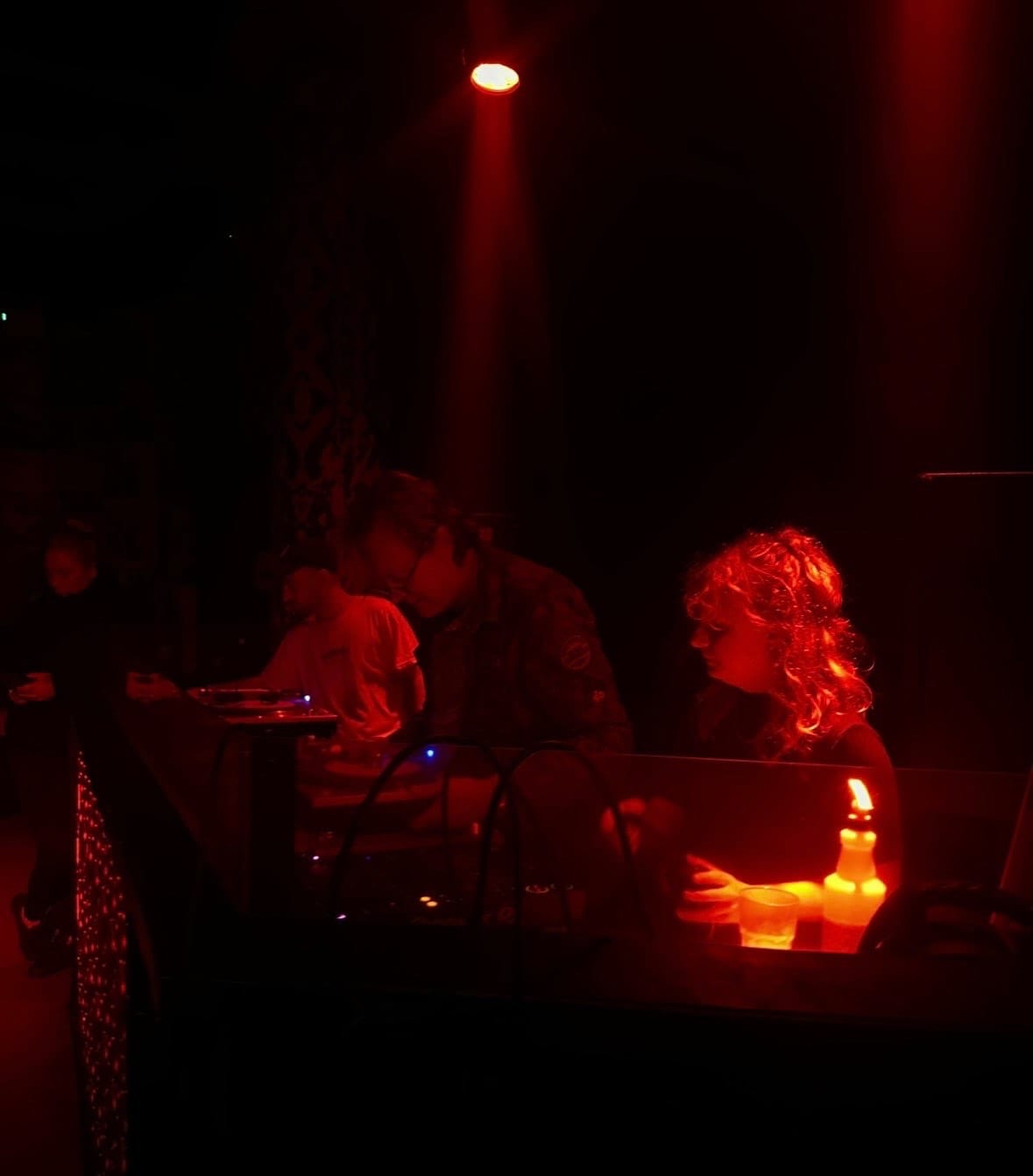
On an individual level, Valentine’s Day does not just have to be about romance. It’s important to fight through the noise of commerciality to get to what is most important: love. Whether that be romantic, platonic, familial or self-love, the focus of Valentine’s Day should be finding what makes you personally feel loved. Whether you are a single queer person or in a relationship, Valentine’s Day should be for everyone.
Featured Image: Epigram / Erin O'Connor
What are your feelings towards Valentine's Day?