By Madeline Richards, Mind the Gap Editor
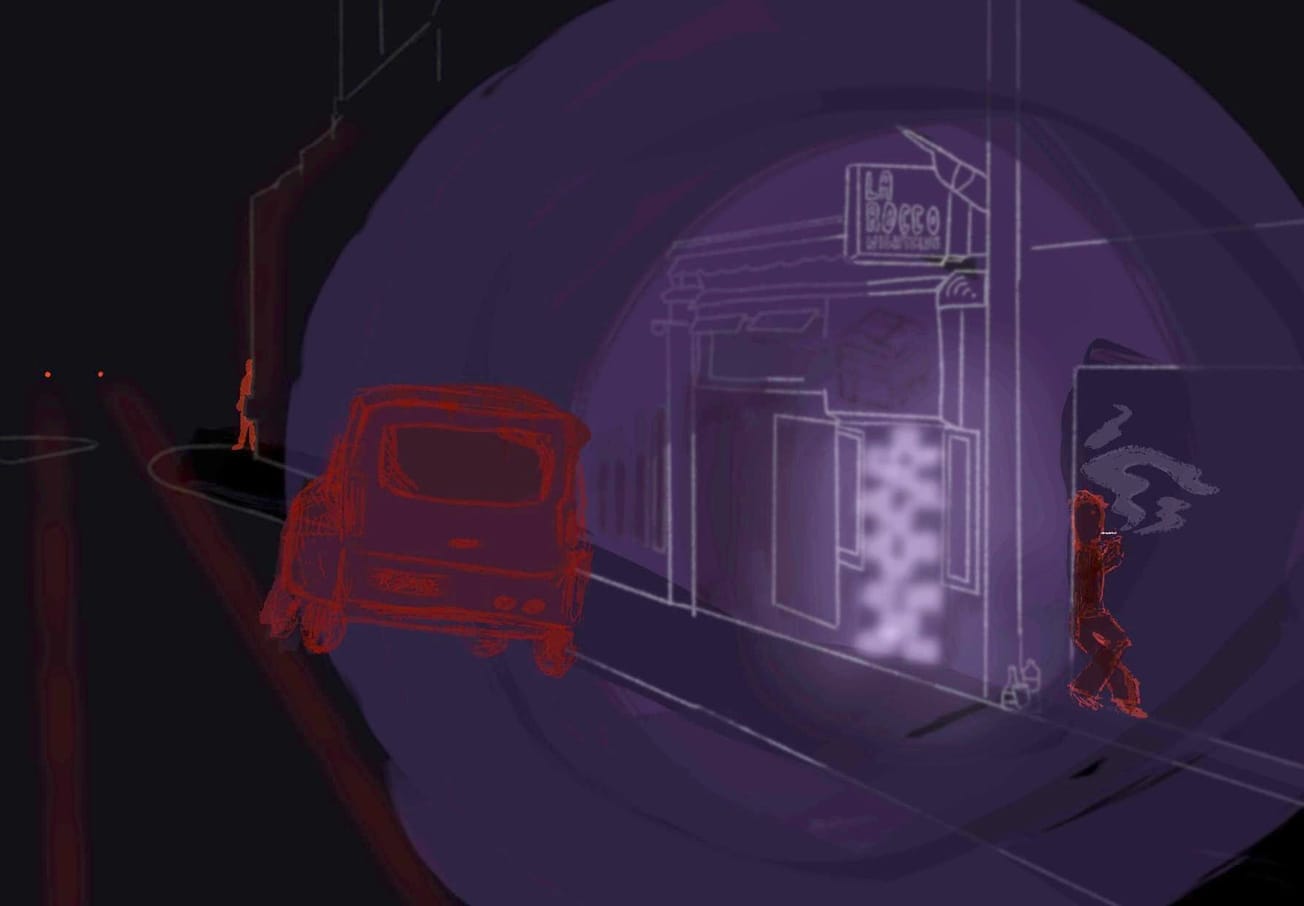
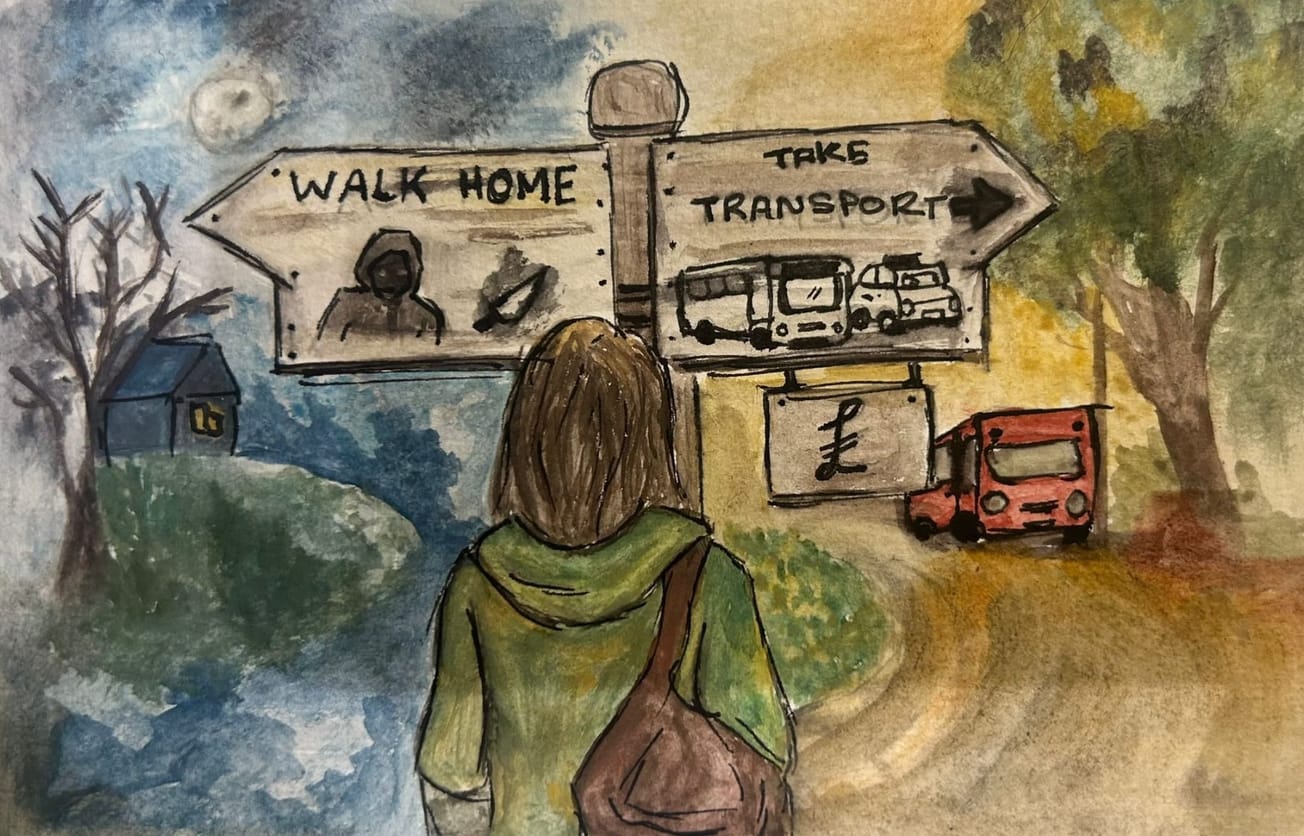
“You’re not walking home on your own, not at this time?” My exasperated Mother hailed at me. I had rung her late one night after a long library session and she had insisted I get a taxi home. Although it seemed a tad dramatic, this is not an unusual sentiment. A student budget cannot stretch to the luxury of a door to door Uber but, for girls, it is often rolled into the silent price tag attached to female safety.
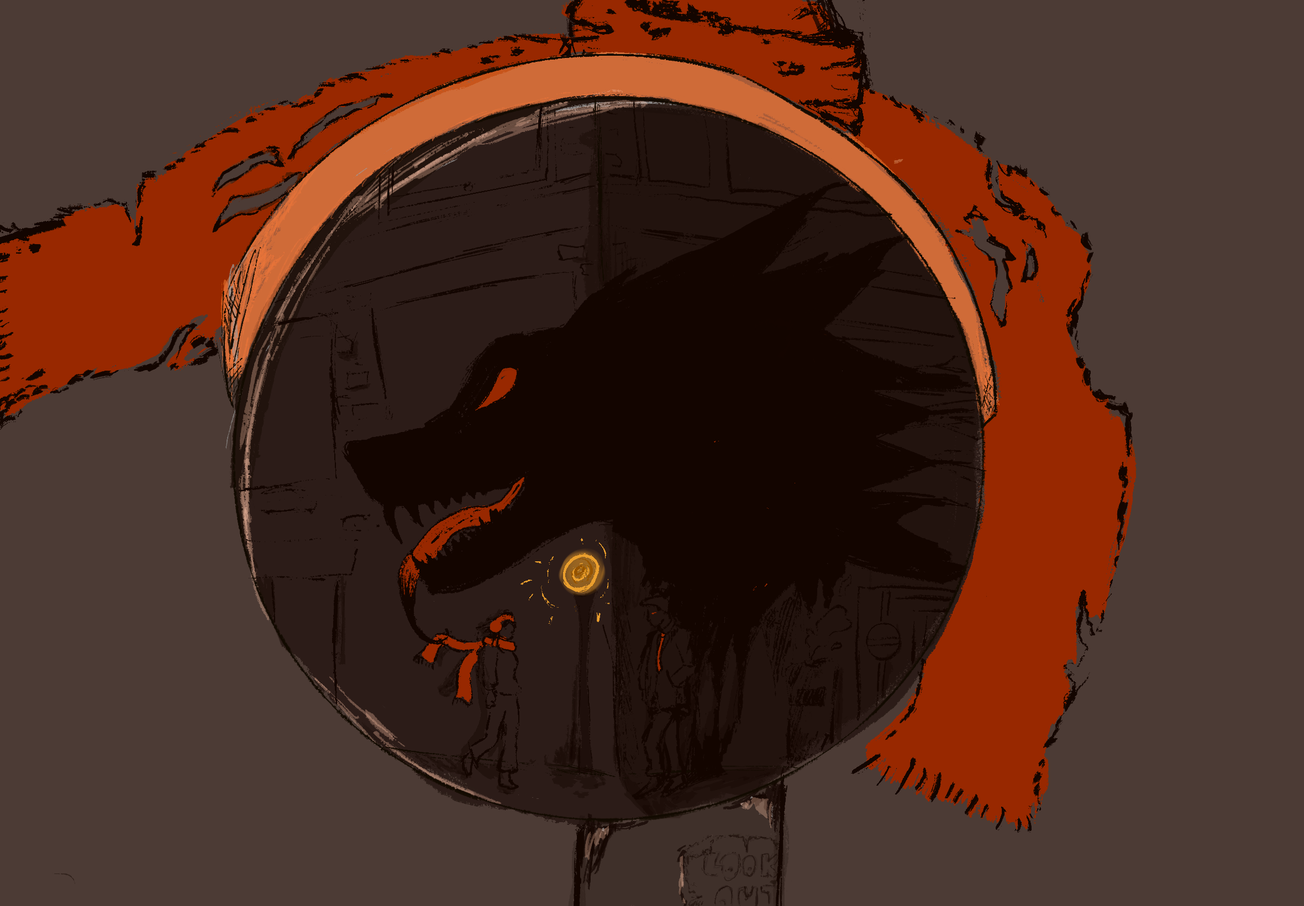
After the clocks go back in October and darkness creeps forward, perceptions of safety plummet. Across the country, 53% of women regularly avoid being out at certain times to try and reduce the risk of harassment or sexual assault. Only 16% of men say the same. For much of the female population, avoiding dark alleyways or isolated walkways has become a thread of instinctual reasoning, developing a 'street sense' that means women are almost always on guard. This is a quiet inequality and gendered burden woven into the everyday.
The disparity between female and male thought processes surrounding personal safety are worlds apart . It is a consideration constantly at the forefront of a women's mind and often absent from a man's.
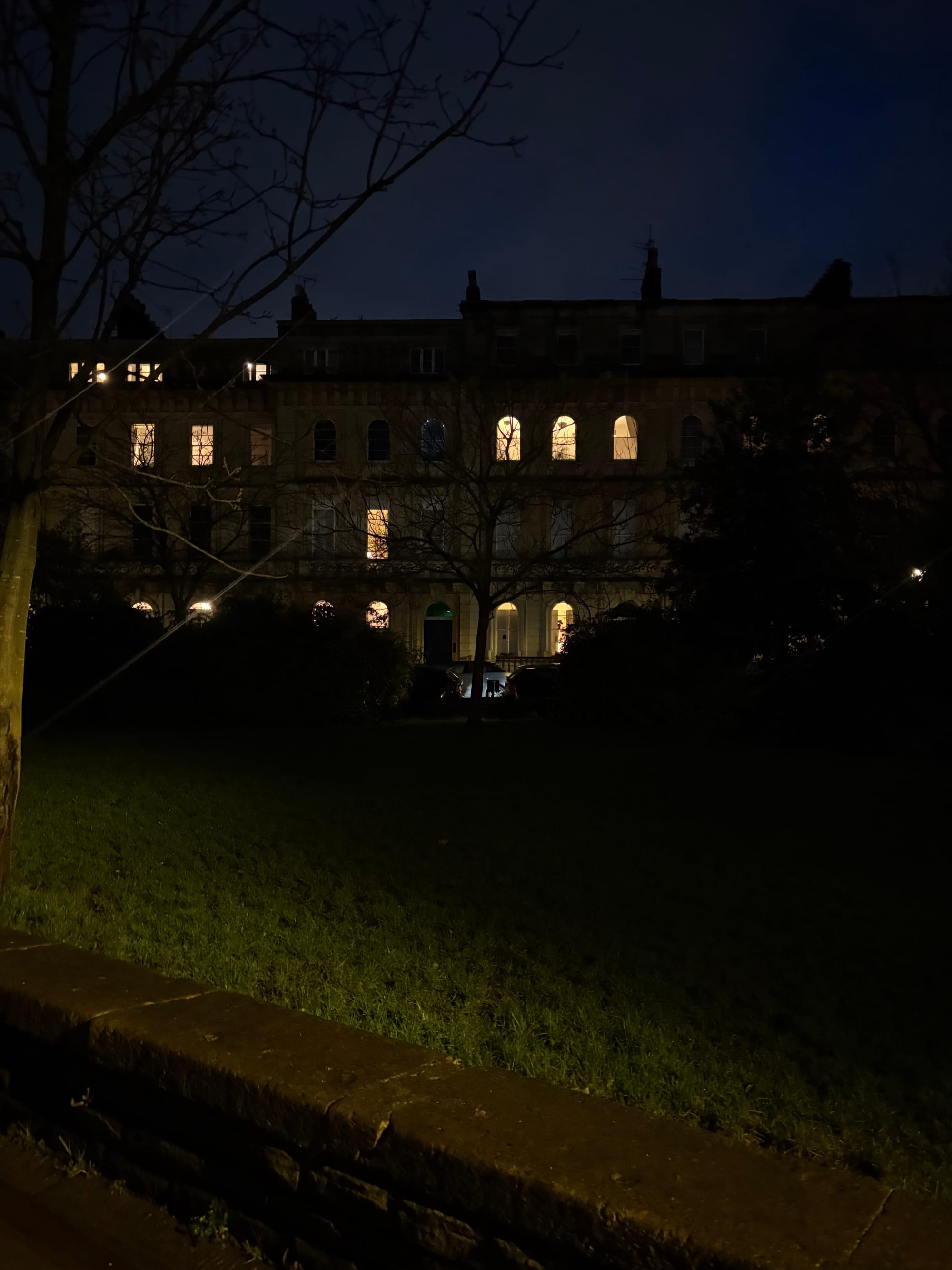
A 2017 study from Stanford shows how women walk significantly less than men globally with experts arguing that this is not due to laziness but due to personal safety concerns. This ‘gender step gap’ shines a light on how women feel forced to use transport instead of walking home alone. Here, safety is a privilege and comes with a cost. Relying on pricey or unreliable transport, altering routes and routines is not an inconvenience; it is a deep injustice.
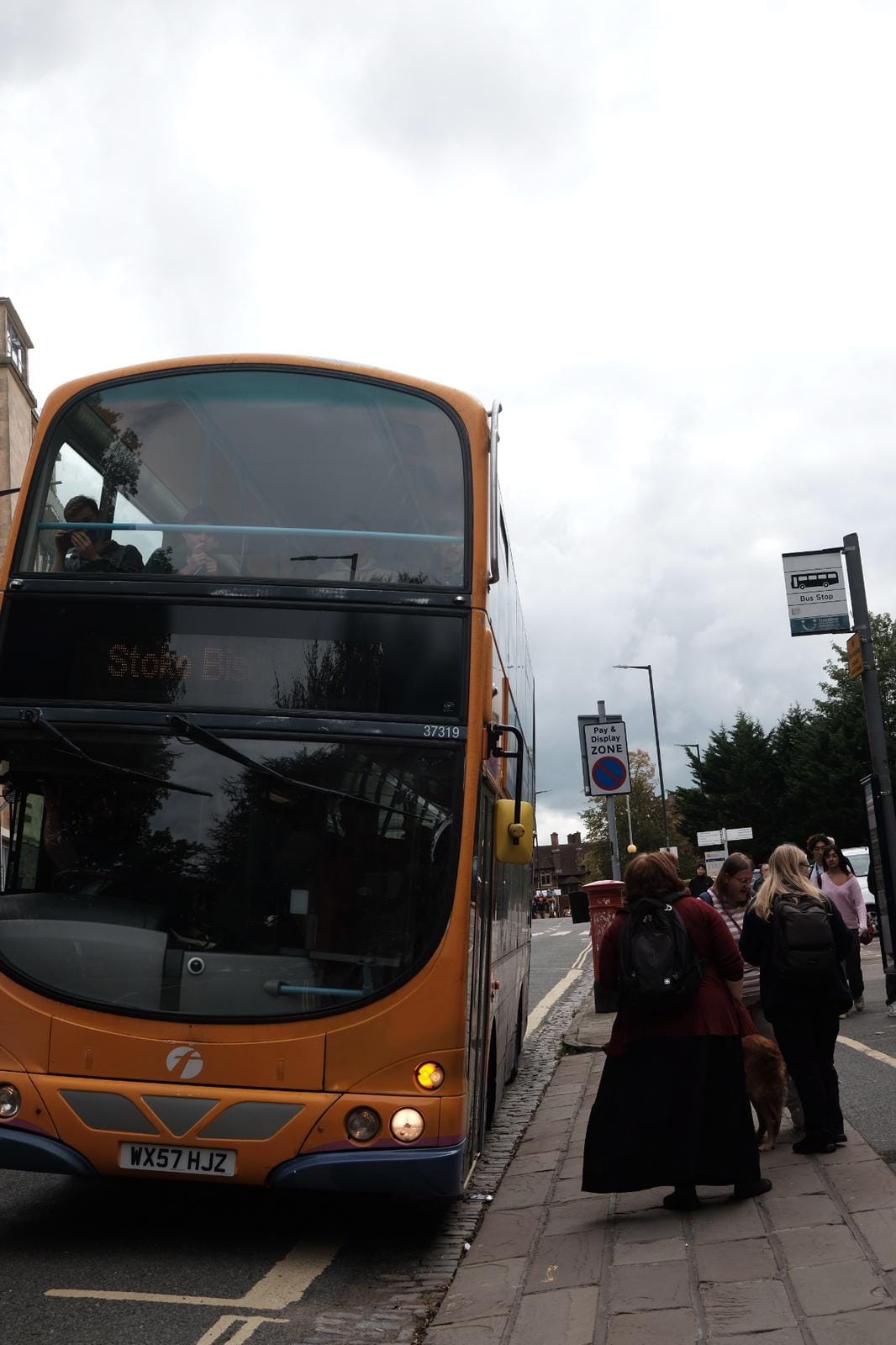
Epigram meets first year student, Bella Taylor*, who lives in Metalworks accommodation in Bedminster, approximately 2 miles from the University campus. This year, the University has axed the free bus pass for most accommodations . Those living outside of Stoke Bishop now face an extra fee of up to £400 for a bus pass, changing the way in which students will have to think about transport and safety in Bristol.
Bella shares how disappointed she was when receiving her Metalworks offer. 'To find I was 22mins away from the centre and 45mins from the Uni was not ideal... there was lots of discussion about the bus pass, with many people being shocked and unhappy about the hidden costs.'
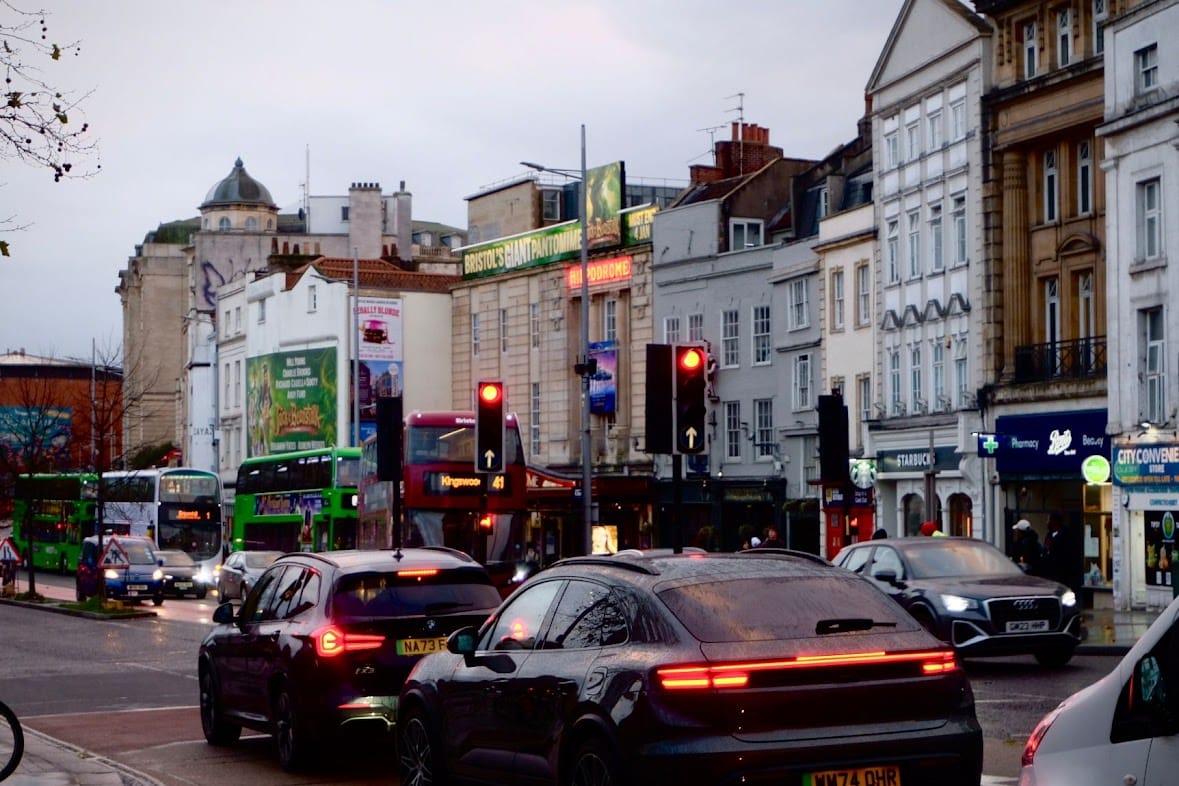
‘If it's dark and I’m on my own, I always get an uber. Especially at the beginning of term 1 as I was unfamiliar with my surroundings and the bus route.’
Here, precautionary measures have seeped into economic considerations. The average woman in Britain is spending £420 a year on taxis in scenarios where they feel uncomfortable and unsafe . After scrapping this University contracted bus route, students like Bella are feeling the need to opt for alternative transport options to avoid the walk home. The female purse strings are certainly feeling it. This is a silent cost that we rarely put a name to: the price tag on female safety and an informal pink tax.
Bella notes her jealousy of Stoke Bishop peers who have their pass included, despite living a similar distance away.
'North village students are able to get in and out of town for free, with buses every 15 minutes. I remember standing waiting for my £15 uber home whilst my friend from Hiatt baker hopped on the bus at 2am.'
It seems the University's decision to switch to commercial bus routes, aimed to lower accommodation prices, has negatively impacted the financial realities of those living outside of North Village. During the early hours, after a night out, there are limited bus routes to Metalworks.
When asked how much she has spent on Ubers this year as a result, Bella reveals 'Its definitely in the hundreds… a few Ubers home a week can easily amount to £30.’
This price tag is steep and often gendered. Those able to afford a cab are investing in the peace of mind to a quick, door to door service. For most girls, it is far more appealing than a brisk walk home, keys clenched in fist, on guard. Being on high alert at all times is exhausting.
Bella says ‘I think most girls would agree with me that walking home in the dark is scary.’
Epigram conducted a poll whereby 78% of student respondents stated that they had felt uncomfortable when walking home alone at night time in Bristol. 86% of respondents claimed that they would be inclined to pay for an Uber to ensure they feel safe.
 Grace Bourne
 Emma Coleman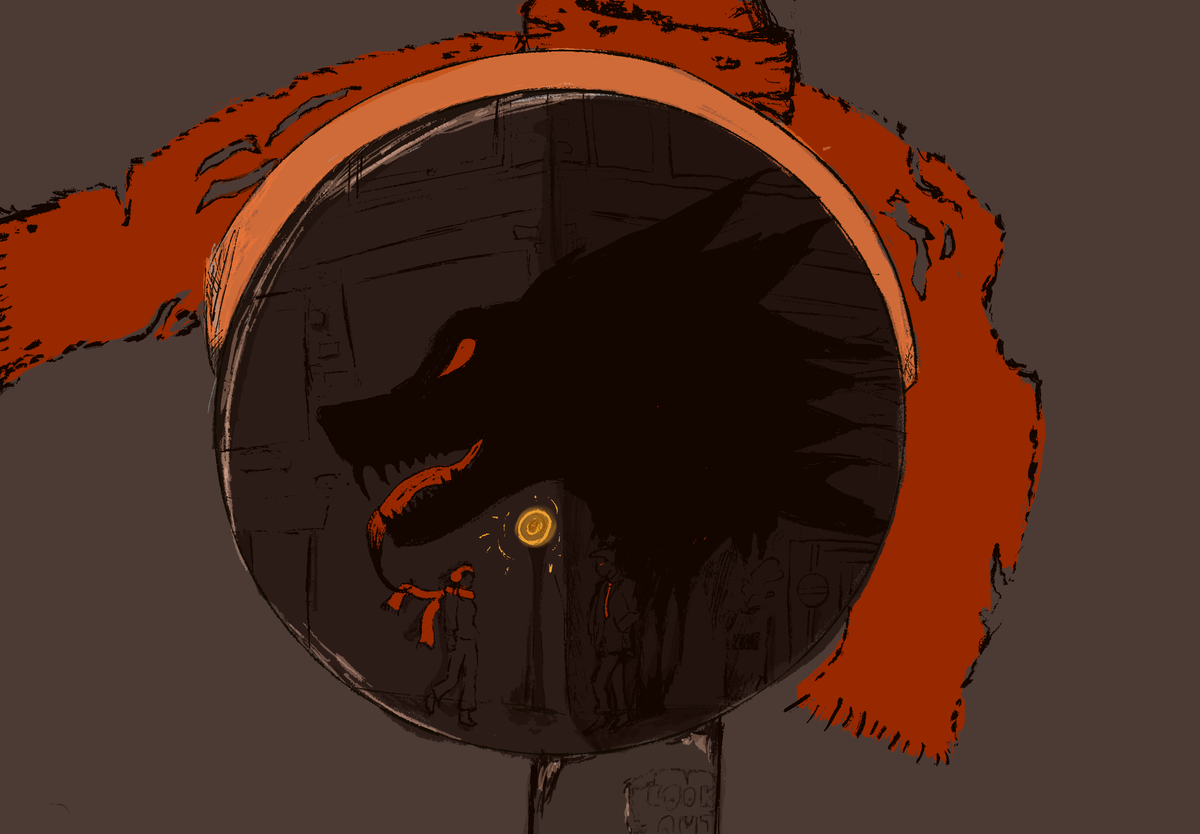
Bella believes that ‘there definitely should have been more thought into female safety, or just the safety of all students...The accommodation itself costs £9100 to rent, it's unfair that students aren't warned of these hidden costs.’
‘I haven’t had any uncomfortable situations in Bristol yet, however it's default to always be constantly looking over your shoulder.’
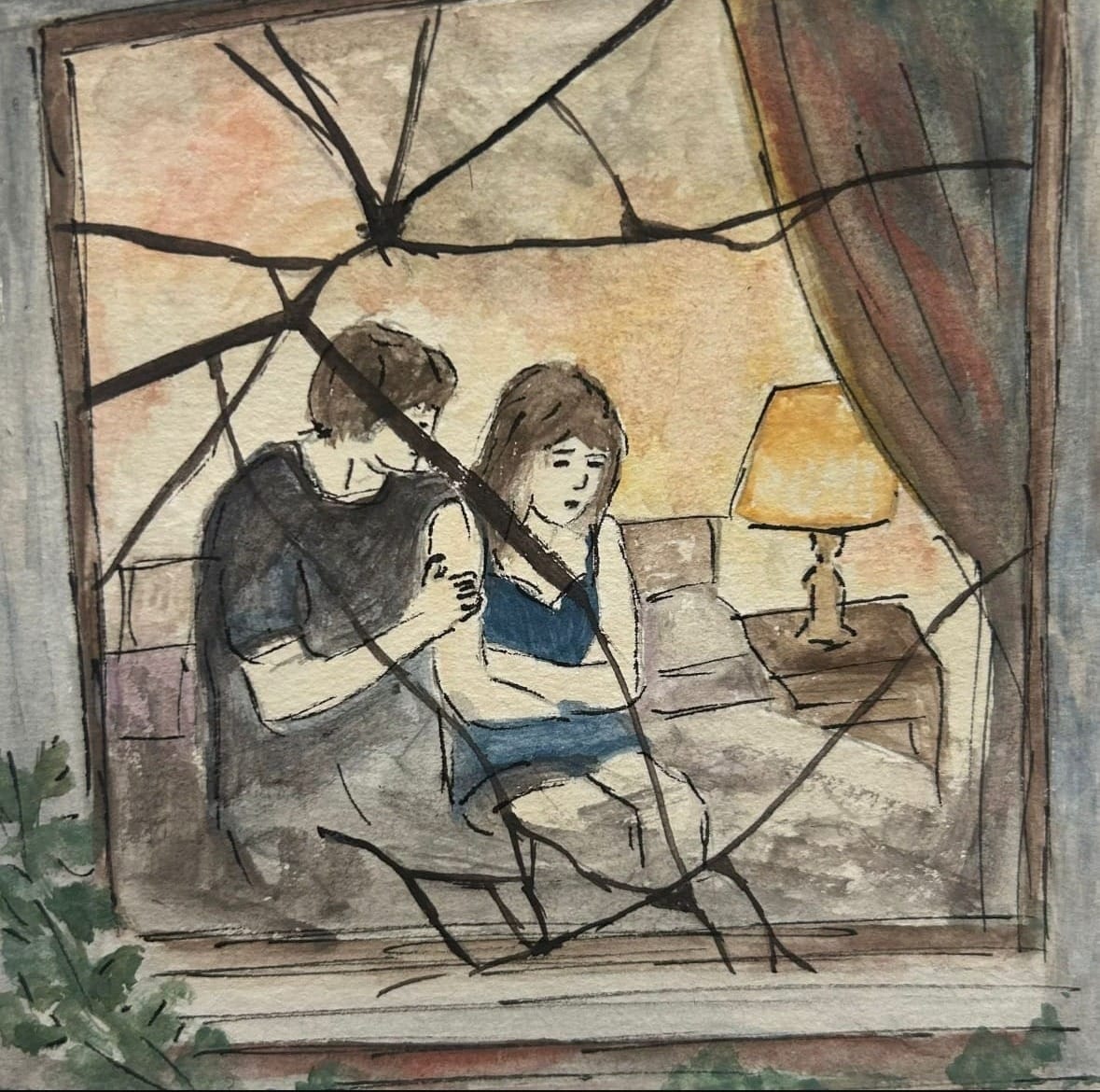
These responses echo the distress, discomfort and paranoia when navigating public spaces alone. These experiences are heightened when accessible and reliable routes home become steeper, disproportionately hitting women.
To answer my Mother's question, I did walk home alone that chilly, December night. I avoided a taxi cost and I did make it home safely but this did not preclude my anxieties. My commute home was nonetheless dominated by a voice in my head, asking who is following behind, studying my route home, lurking in the shadows.
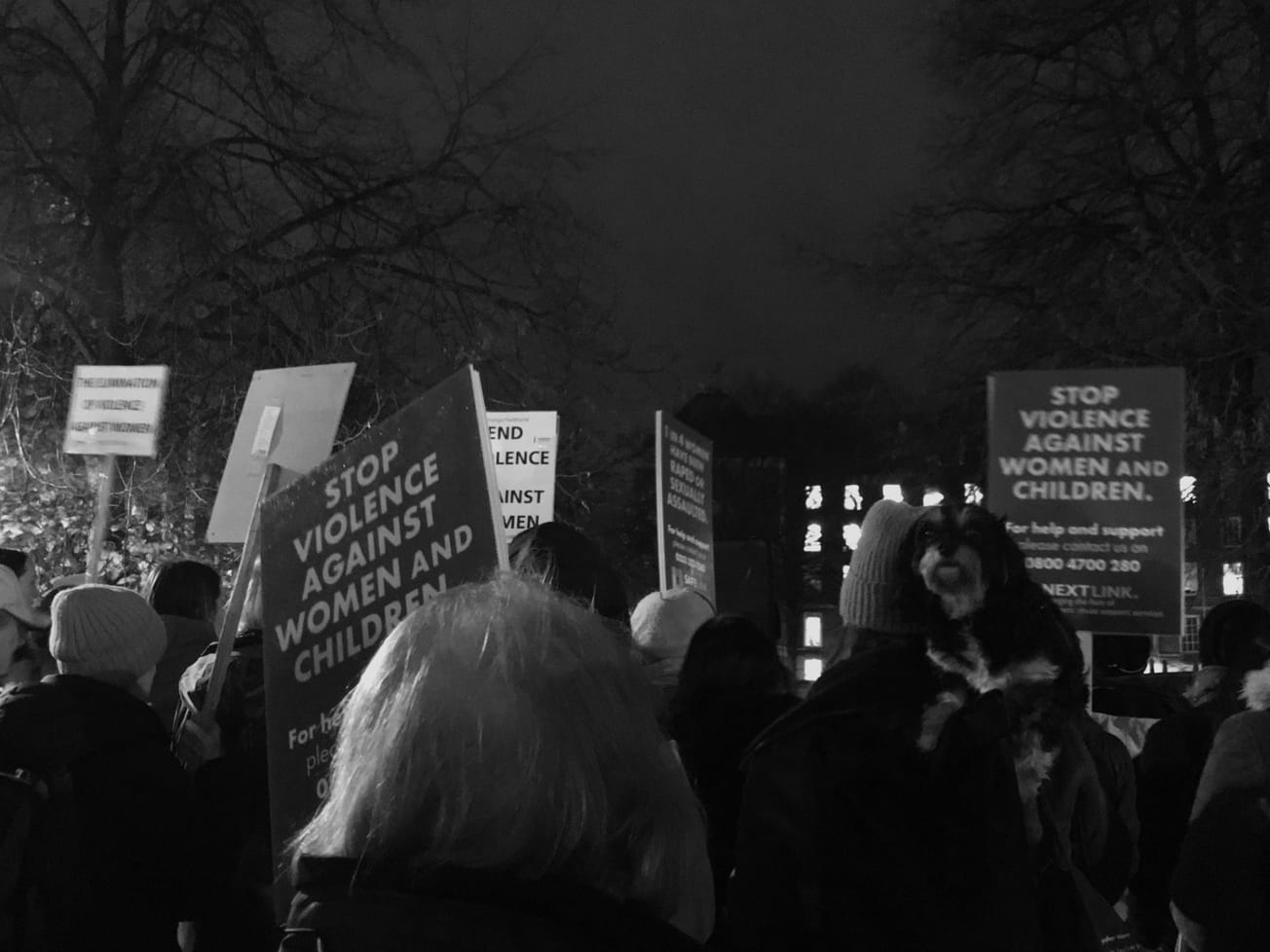
However, women do not always make it home safe and sound. Among all age groups, 27% had experienced some form of harassment, compared to 15% of men. The most common form of harassment experienced by females was catcalls, whistles and unwanted sexual comments made by strangers in public.
If the route seems too unsafe, too long, fellow commuters too rowdy, or you dwell on your friends' horror stories too much, it feels as though you must take the financial hit as a natural defence. This is a cycle of economic disadvantage that largely falls on women. It is crucial for Bristol to invest in reliable and affordable public transport to safeguard students and commit to uprooting this informal pink-tax. We must stop passing the bill to those most at risk.
Featured Image: Epigram/ Simren Jhalli