By Natalie Payne, Second-Year, French, German, and Spanish
The UK has seen a controversial surge in displays of Union Jacks and St George’s flags in recent weeks, as part of an effort dubbed ‘Operation Raise the Colours’, sparking further debate about the seemingly blurred line between patriotism and racism, and whether it adds to the already hostile atmosphere surrounding immigration.
Operation Raise the Colours has arrived at a time of persistent demonstrations outside asylum-seeker accommodation and increased support for far-right political parties across Europe. Some suggest that it is merely an expression of national pride, whilst for others it is a movement of antagonism by far-right nationalists.
The origin of the ‘operation’ can be traced back to the Weoley Castle and Northfield areas of Birmingham, where flags started appearing over the summer. On the 10th of August a fundraiser was created by the Weoley Warriors, who claim to be ‘the original team that started the flag movement.’ They describe themselves as ‘a group of proud English men with a common goal to show Birmingham and the rest of the country how proud we are of our history, freedoms and achievements’, and state that donations will be used for ‘flags, poles and cable ties.’
As of the 10th of September, the GoFundMe page has amassed over £22,000 in donations and the group have attracted various messages of support on the Weoley Castle Community Facebook page, a page that also features various comments echoing far-right rhetoric. Many people on the page purport to be enticed by the appeal of national pride and unity.
This is a sentiment easily exploited by populist politicians such as Nigel Farage, who has said ‘Union flags and the Cross of St George should and will fly across the country. Reform UK will never shy away from celebrating our nation.’ This show of support for the flags comes amid a continuous flow of extreme anti-immigration comments from the Reform UK leader, who also said at the party’s annual conference that they ‘are the last chance the country’s got to get this country back on track.’ He also used the phrase, ‘make Britain great again.’ This rhetoric repackages government failings as the fault of immigration, claiming that in power, they would be able to ‘save tens and possibly hundreds of billions of pounds’ by ending small boat crossings.
In contrast, it seems that the majority of the Woeley Warriors’ public social media presence has centred itself on patriotism. However, an account on X with the username @weoleywarriors has reposted content from Andrew and Tristan Tate – who are currently facing 10 and 11 charges by UK prosecutors, respectively, reported to include rape, actual bodily harm, and human trafficking. They have also praised the work of Andrew Currien (also known as Andy Saxon), the co-founder of Operation Raise the Colours and key associate of Stephen Yaxley-Lennon (also known as Tommy Robinson), labelling it as ‘awesome.’
The BBC has reported Currien’s alleged past ties to far-right organisations Britain First and the English Defence League, whilst The Times has reported an alleged donation from Britain First to Operation Raise the Colours. It is clear that whether intentional or not, the movement is more than just being rooted in ‘giving hope to local communities’ – as described by the Weoley Warriors fundraiser – but is instead connected to something more sinister.
'The general atmosphere among students at the university is that this is a movement fuelled by racism thinly masked as British pride.'
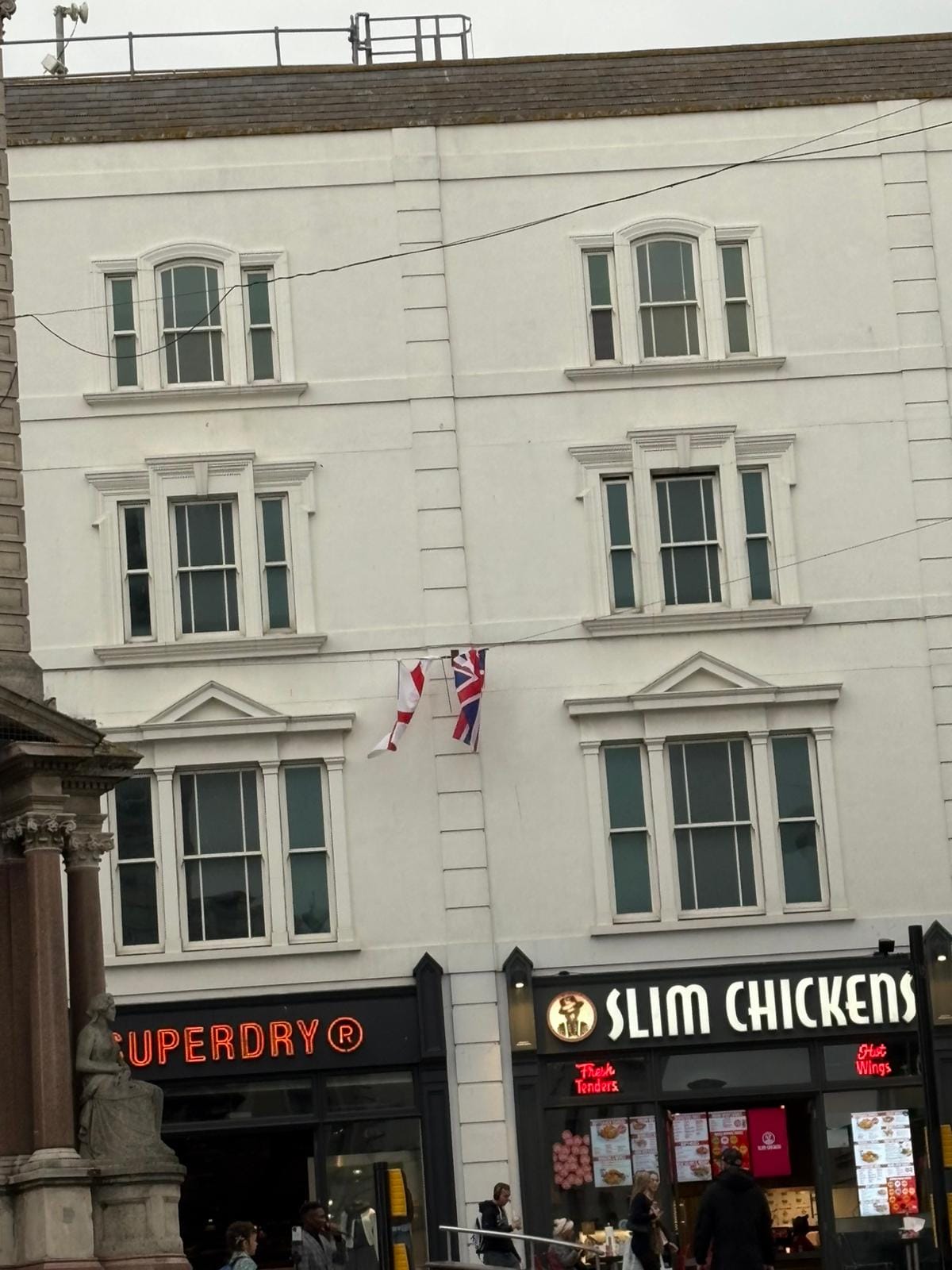
Within weeks the trend had spread all over the country, with multiple St George’s flags appearing around Bristol – including on the slate at Avon Gorge. An anonymous Bristol University student has said that they believe Operation Raise the Colours ‘exacerbates working class division’, whilst another has said they believe the movement is ‘using patriotism to disguise racism.’ A third anonymous student questioned whether people displaying the St George’s flag knew that Saint George was believed to have been born in Cappadocia, a part of the Roman Empire located in modern day Turkey. The general atmosphere among students at the university is that this is a movement fuelled by racism thinly masked as British pride.
Responses to flags in Bedminster indicate that this view is not unique to students in the city. Bristol Live reported on the 10th of September that a community group called Way Out West have added their own spin on Operation Raise the Colours, and questioned whether attaching flags to lampposts at night is actually patriotic. The Bristol-based news outlet described how, on the evening of the 9th of September, flags were attached to every lamppost on West Street. The next morning, according to the article, additional posters accompanied each flag, ‘showing an image of a Union flag with hands of different ethnicities coming together over the flag.’ The posters also contain a message of inclusivity and support for the area’s diversity.
'within the context of the current political climate, motivations for displaying the flags can often appear to be far from sporting pride.'
Of course, displaying a Union Jack or a St George’s flag isn’t always connected to far-right sympathies. There are plenty of recent examples of people using the flags to show national support for the Lionesses throughout the Euros in July, and for Team GB last year at the 2024 Paris Olympics. But it can’t be denied that within the context of the current political climate, motivations for displaying the flags can often appear to be far from sporting pride.
In an interview with the BBC, senior academic fellow from the Department of History at the University of Bristol, Dr James Freeman ‘acknowledged the fact that St George’s flags and union jacks have been used as emblems for far-right political movements’ and said that the far right’s use of the flags is ‘using patriotism as a cover for ethnic nationalism.’ Dr Freeman also highlighted that the far-right doesn’t have a monopoly over the St George’s flag. This has been reiterated across social media, with numerous posts encouraging a countermovement using the phrase ‘reclaim the flag.’
 Arthur Clinton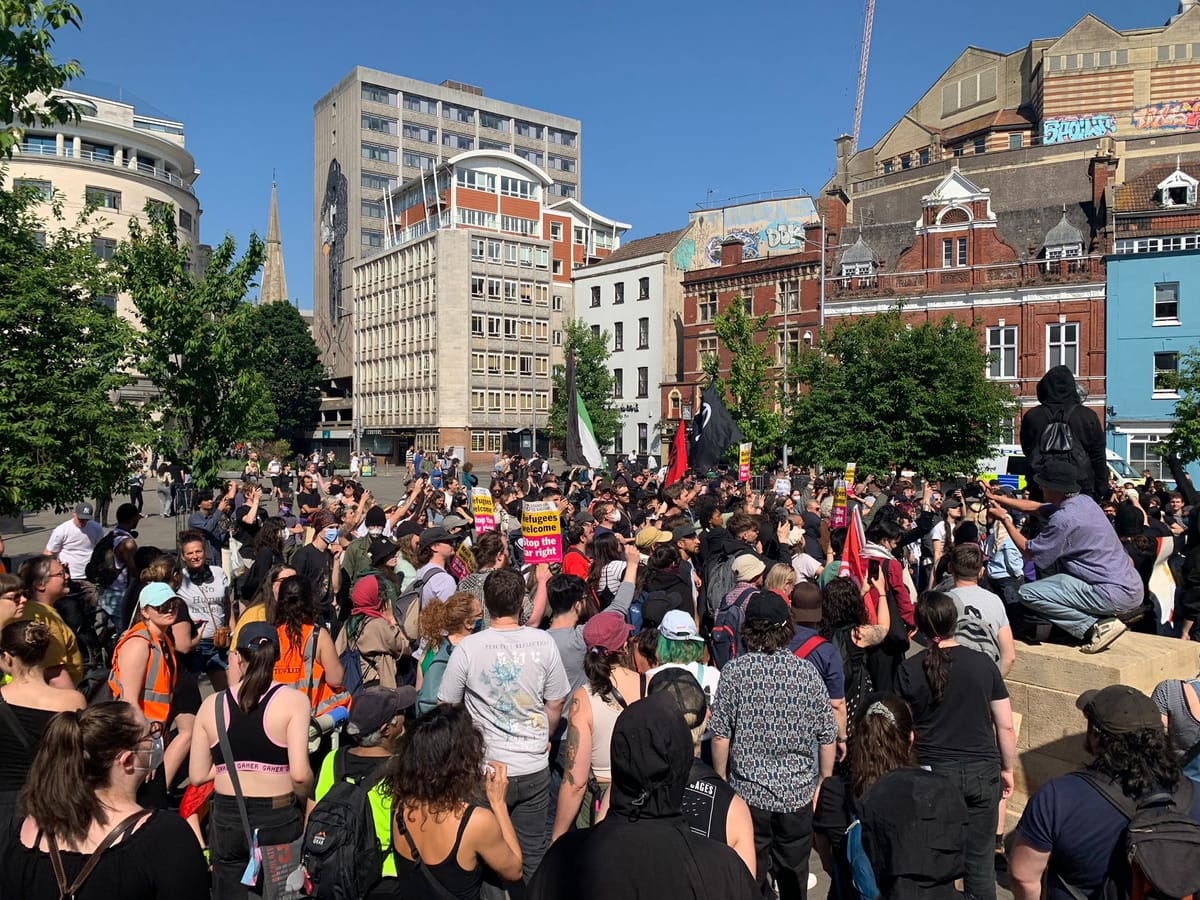
 Sagal Khalif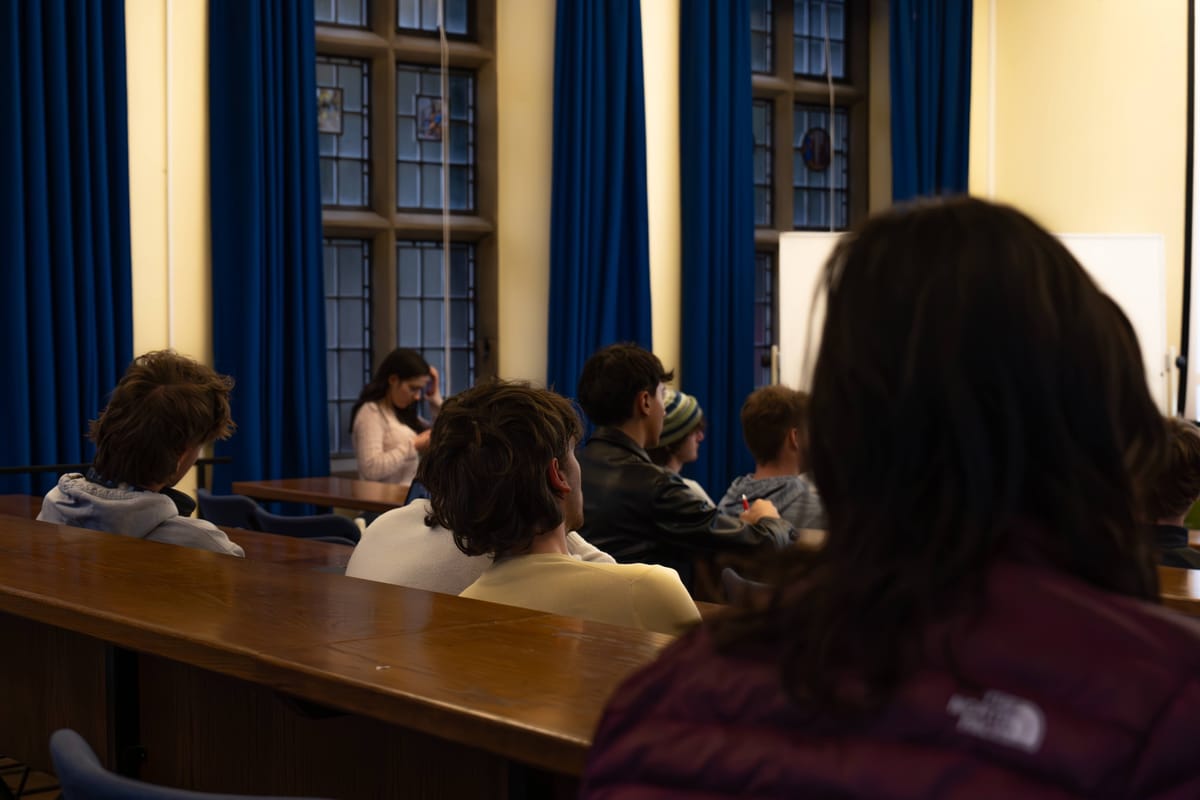
The ongoing conversation in the UK surrounding immigration and ‘British values’, the brandishing of Union Jacks and St George’s flags at protests outside hotels, such as those in Epping, and the involvement of far-right campaigners in Operation Raise the Colours have rendered these flags a mark of division for many people.
However, as has been proved in Bristol, a space still remains for them in fostering an inclusive community and encouraging the celebration of the country’s diversity. Actions such as those by Way Out West, counter protestors at anti-immigration demonstrations, and those who are ‘reclaiming the flag’ are all vital in ensuring that the St George’s flag and the Union Jack retain their connotations of celebration and inclusivity in contemporary Britain, and are not symbols of racism, inciting fear and hatred, and making people feel othered.
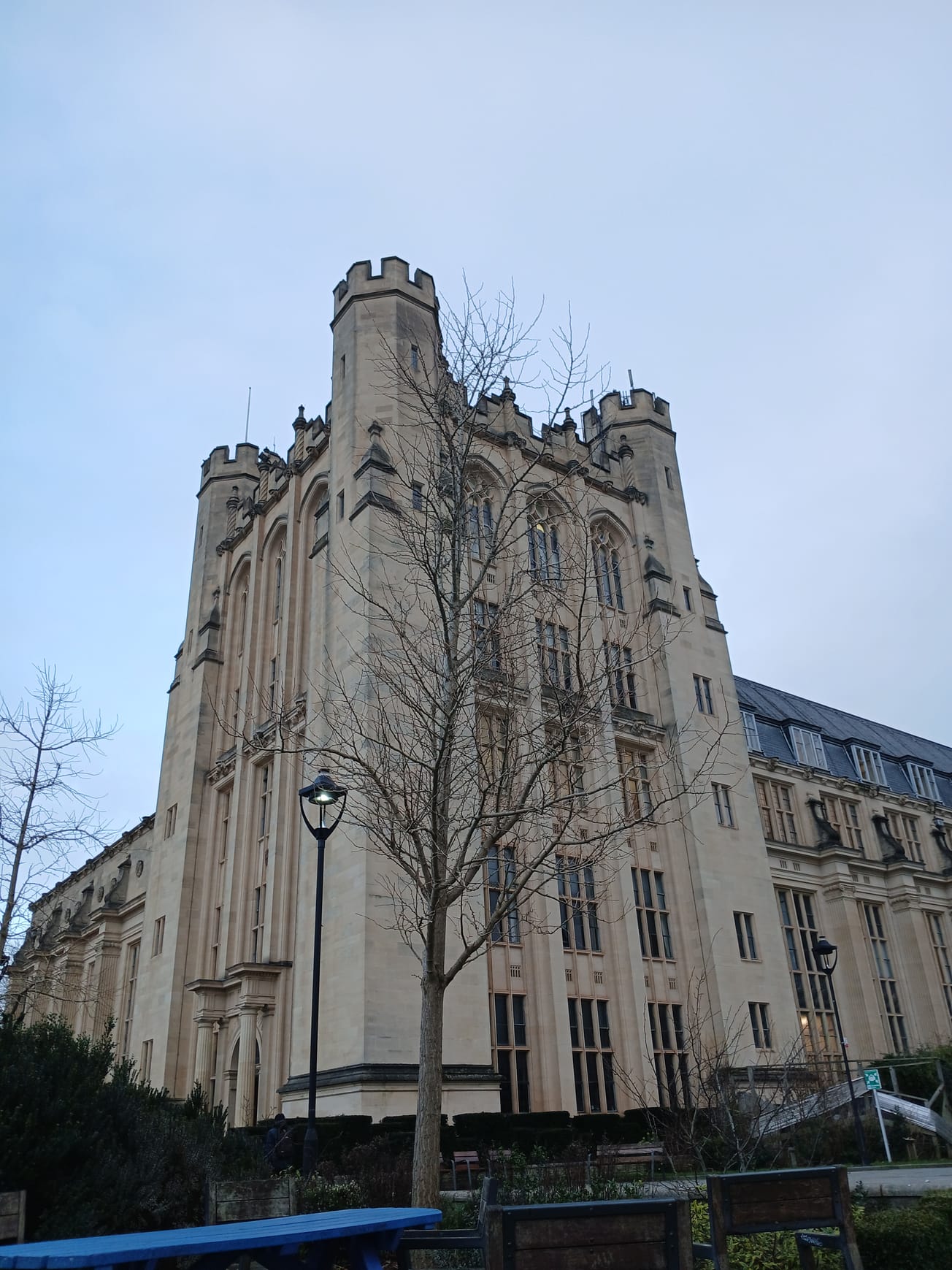
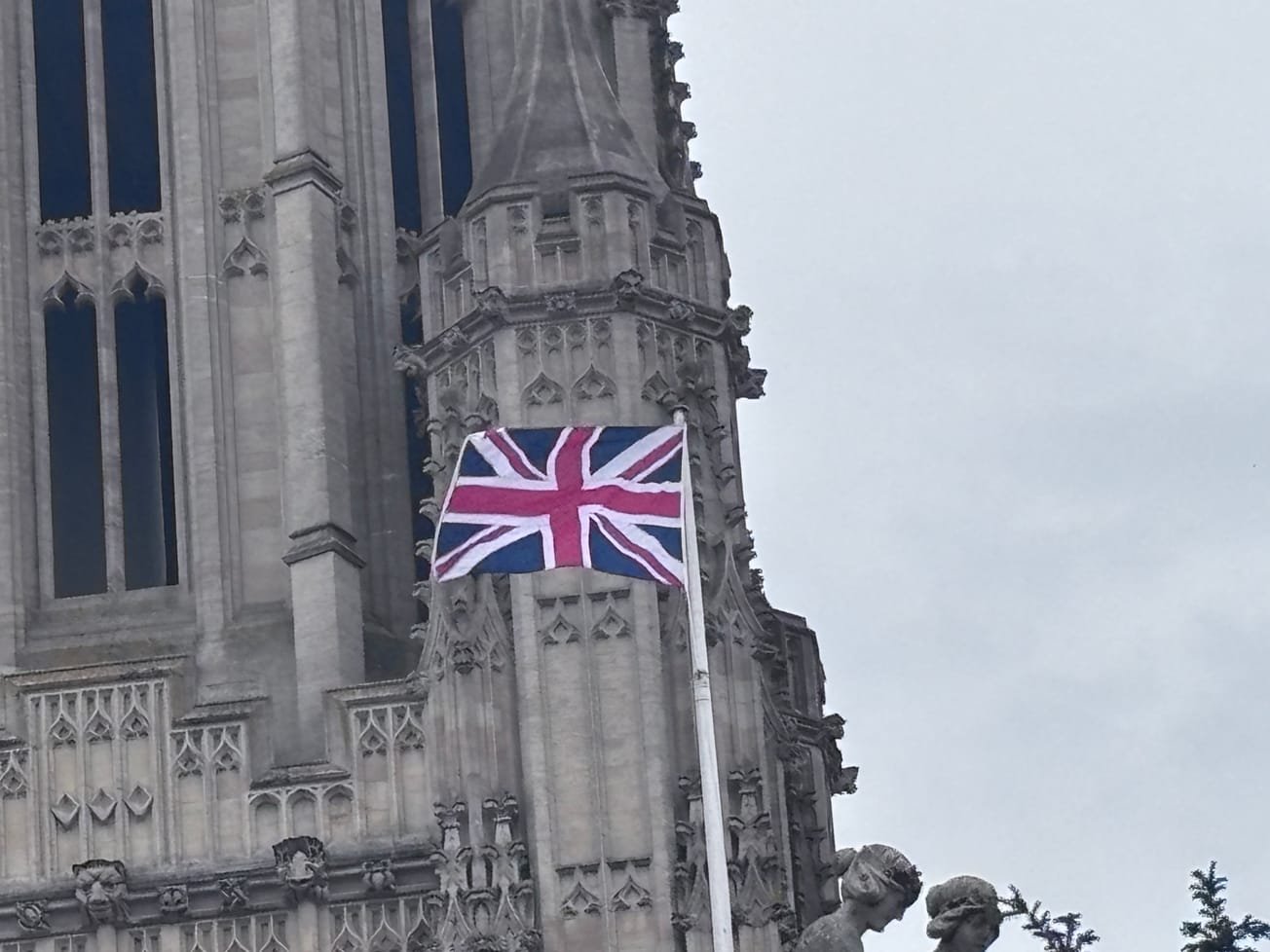
Featured Image: Union Jack on Wills Memorial Building | Epigram / Anna Dodd
Will Union Jacks and St George flags become a permanent feature of the UK's streets?