By Beth Robinson, Deputy Sci-Tech Editor
Canapes, free drinks, and hundreds of free Octopus plushies met the guests attending ‘Octopus Live’ on Tuesday 28th August. Held at We the Curious, the event sought to act as an experimental town hall style meeting between Bristol residents and the UK's largest domestic energy provider, Octopus Energy Ltd, including its CEO and Founder Greg Jackson.
The event consisted of networking and speakers taking to the stage across the energy and technology sector, including Greg, with former NATO Deputy Supreme Allied Commander Sir General Richard Sherrif speaking on energy security and the middle east.
Amidst geopolitical, affordability, energy and climate emergencies, it is hard to avoid the endless bad news - so what insight can be gleaned from chatting with some of the leading voices across the sector?
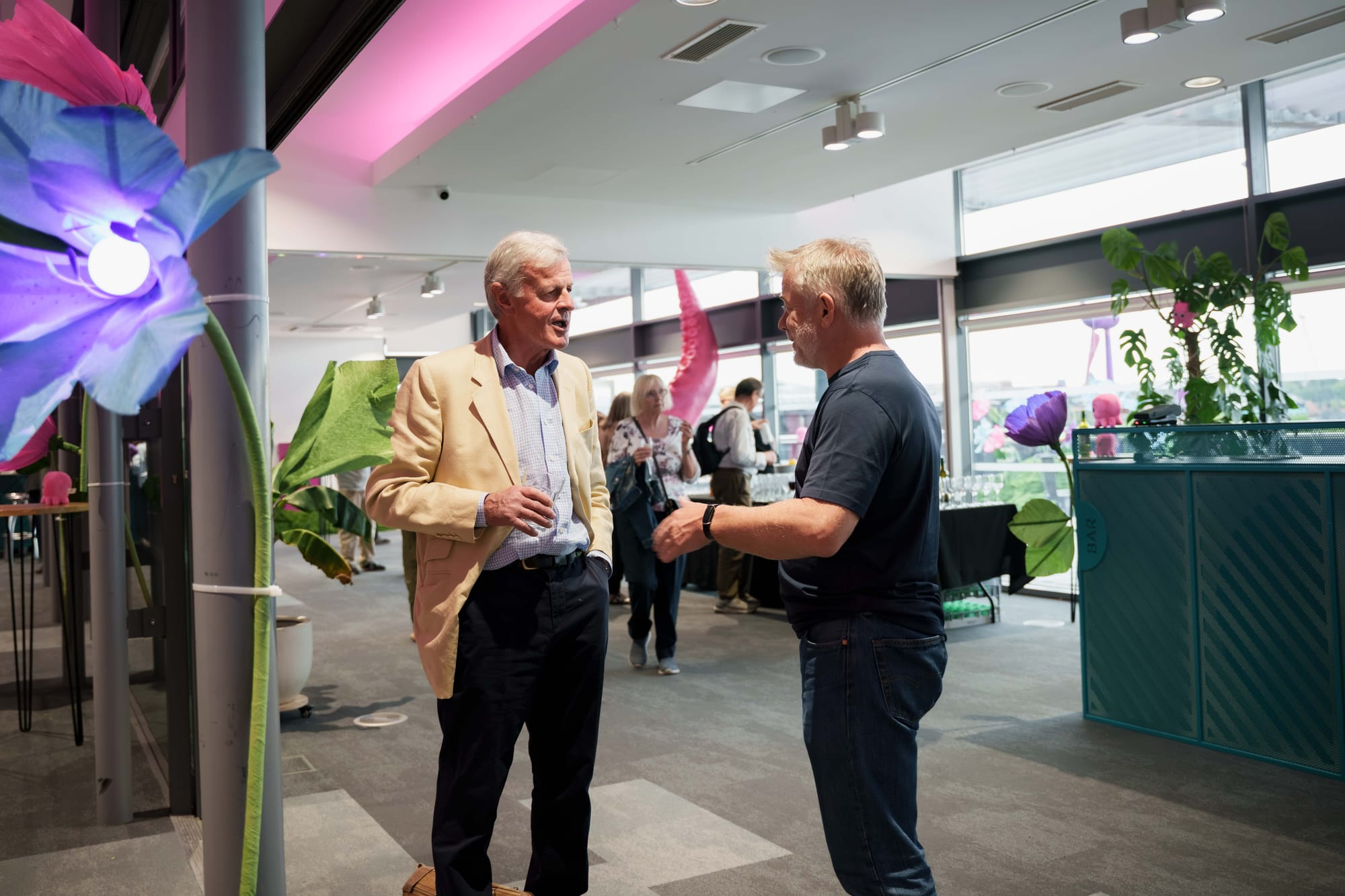
Recognised for its contributions to renewable energy through heat pumps, solar energy, and electric vehicles (EVs), around 42 per cent of households in Bristol use Octopus as their supplier, making it a perfect testing ground for the town hall style night. Epigram was able to speak directly with Greg, who appeared sincerely passionate about innovation and affordable green energy, with clear opinions on government policy and politicians.
On Greg’s LinkedIn, part of his bio states ‘Love building organisations around people, disrupting industries which underserve customers and society.’ With a background in running several tech businesses, he described becoming disillusioned hearing energy bosses blaming green taxes for high bills when in fact the business models themselves were the cause, and as a result advocating for market reform. On the topic of achieving net zero, he candidly acknowledged that:
‘the first thing is, we have to recognise we're an energy company. The product we sell, energy, is responsible for climate change more than, I think, any other sector.’
He went on to share an anecdote about what he described as one of the most important moments in his business career; reading an article in the Economist which described Octopus as a ‘clean energy company,’ where he was ‘over the moon…but the dirty secret was we sold a lot of gas,’ recalling later contacting his team to find an alternative to selling gas, before investing millions into producing heat pumps. Greg also sits on various government advisory boards, including as a non-executive board member of the cabinet office, describing this role as advising the government on how it can use technology to better serve the needs of citizens.
Octopus has also been a part of developing Kraken, an AI tech company which has now separated from Octopus. Greg was happy to speak to the potential juxtaposition of operating a ‘clean energy’ company with an AI project on the side, with the Financial Times reporting of the UK Government's 25-million-pound investment into the project earlier this year. Greg said he would welcome government mandates that ensure meeting the vast majority of energy demands of AI come from clean sources, believing this is possible.
‘We need more green energy in the UK, and we need lower prices, which is why I campaign so much for market reform. That would enable us to host these data centres, both on cost and emissions.’ - Greg Jackson CEO
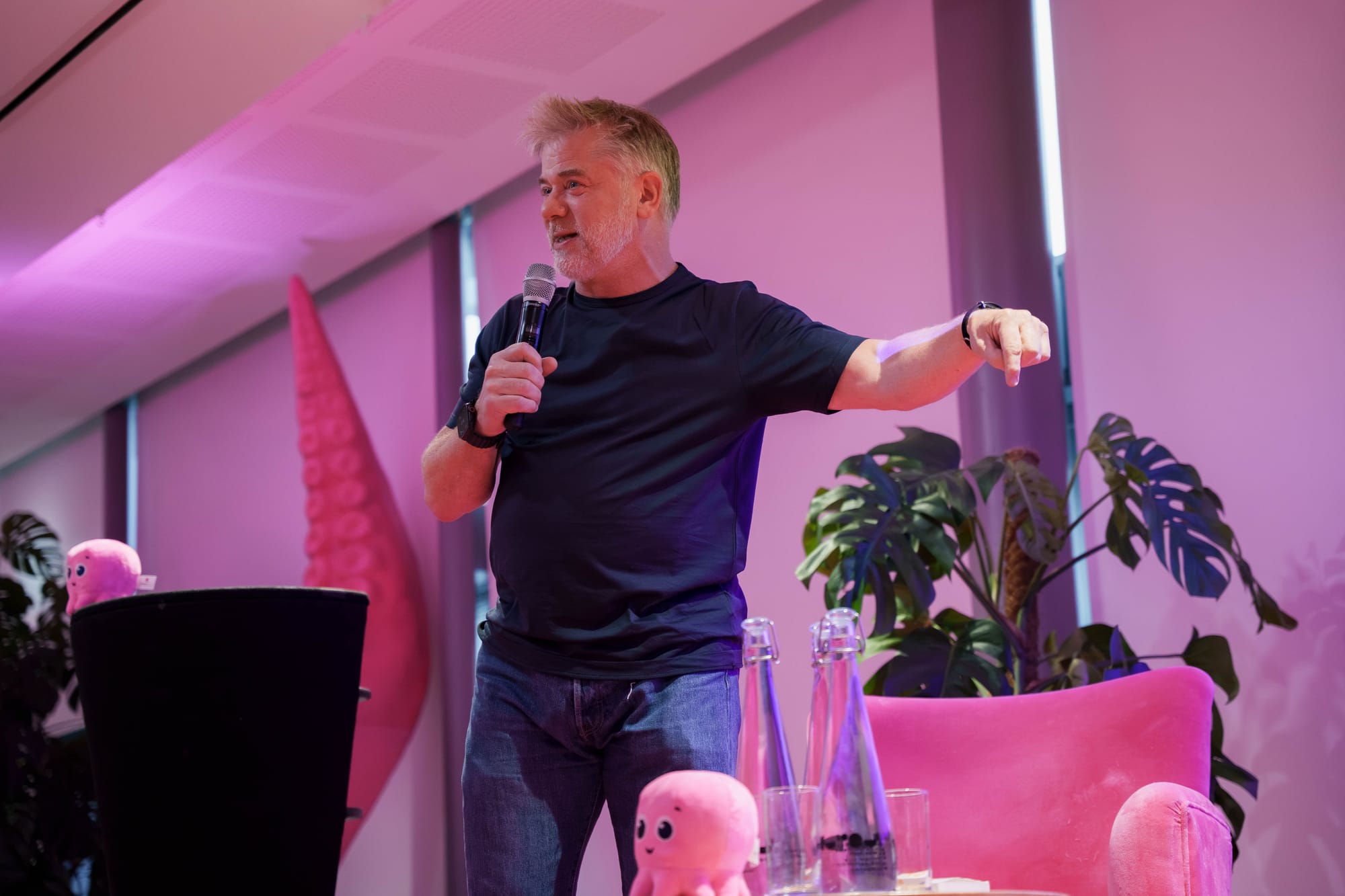
Speaking later on stage, Greg elaborated on his motivations for starting Octopus, namely climate change, affordability, and customer experience, expressing that we have never had more tools at our disposal to eliminate climate change, but that we have never faced more resistance, both ideological, and ‘worst of all,’ commercial.
He argued that affordability and solutions to climate change go hand in hand, and that ‘companies and government institutions provide substandard interfaces to customers, that don't respect, listen to, or care about customers (and) citizens, (which) helps drive this dissatisfaction within society, where people feel the system is against them.’ Direct interaction with customers, and offering the chance for people to directly chat with Greg and the team, he feels, is a useful step to address this, sharing jokes, personal anecdotes, and swearing on stage in a way that made him come across as a down-to-earth guy.
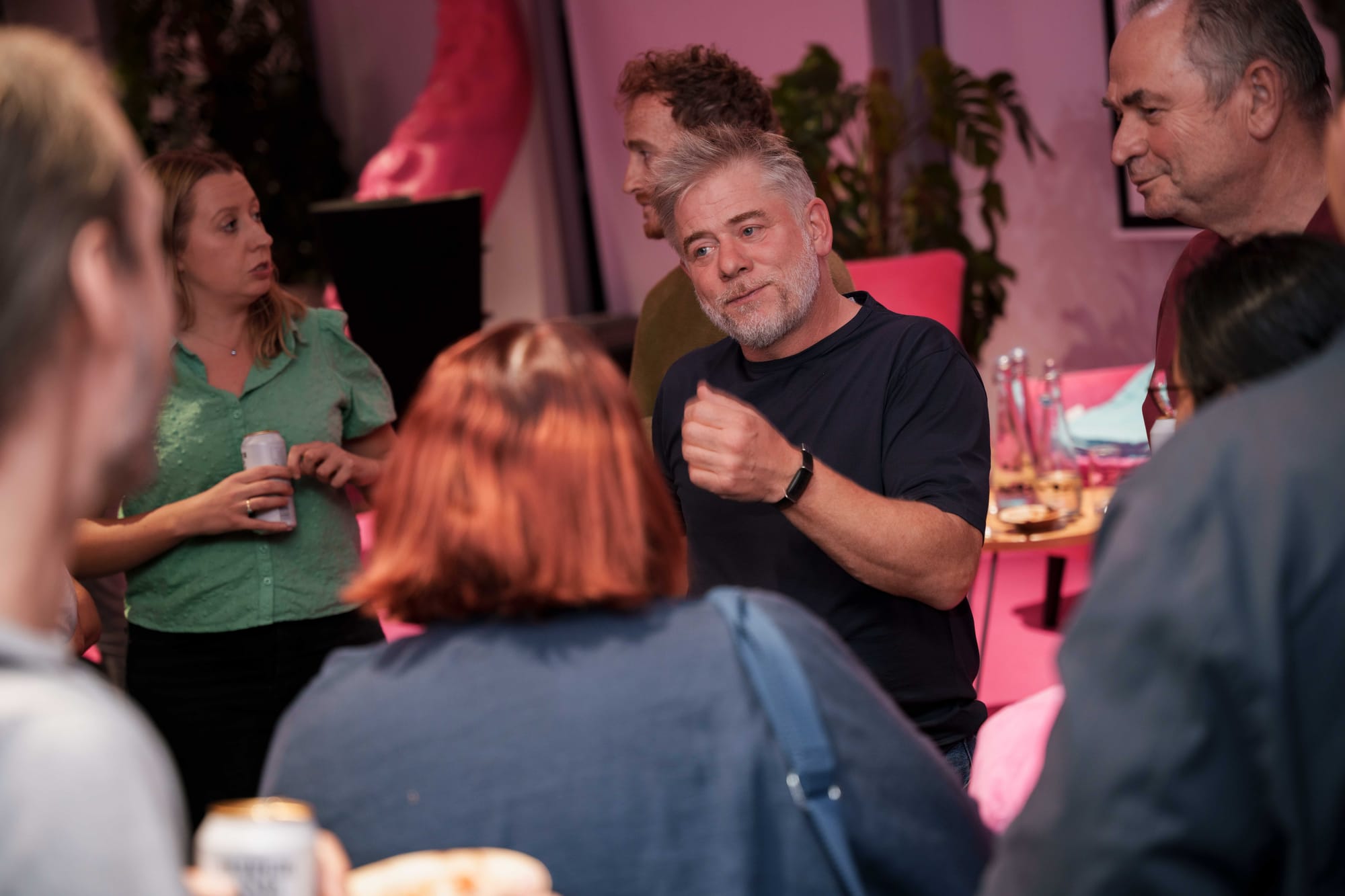
Customer experience seemed to be the driving factor of the night from Octopus, with even the seating deliberately curated to be at the same height as the stage, intended to be intentionally ‘democratic.’ Greg has a track record of putting his money where his mouth is, taking a pay cut during the energy crisis two years ago. Though, as a charismatic CEO now involved in government affairs, topics like affordability and general presentation are fairly easy ways to make him seem relatable despite his company being worth billions. Someone familiar with the industry pointed out some of the ‘corporate buzzwords’ they see often in these environments. Perhaps it’s accurate to say the energy company is better than most, though still one profiting with customers paying increasingly high bills.
These high bills are at least in part due to geopolitical issues, especially the current illegal wars and the military industrial complex. Talking on stage, Sir General Richard Sherriff lambasted both presidents Trump and Putin, and echoed sentiments written in an op-ed he wrote for the Financial Times, arguing for pragmatism in use of oil and gas in the interim because of the impact of fossil fuel lobbies, and that ‘energy security should be treated as de facto defence policy,’ with logic dictating that ‘as much of the oil and gas we need should come from domestic offshore reserves’ (in the North Sea) rather than from Gulf nations.
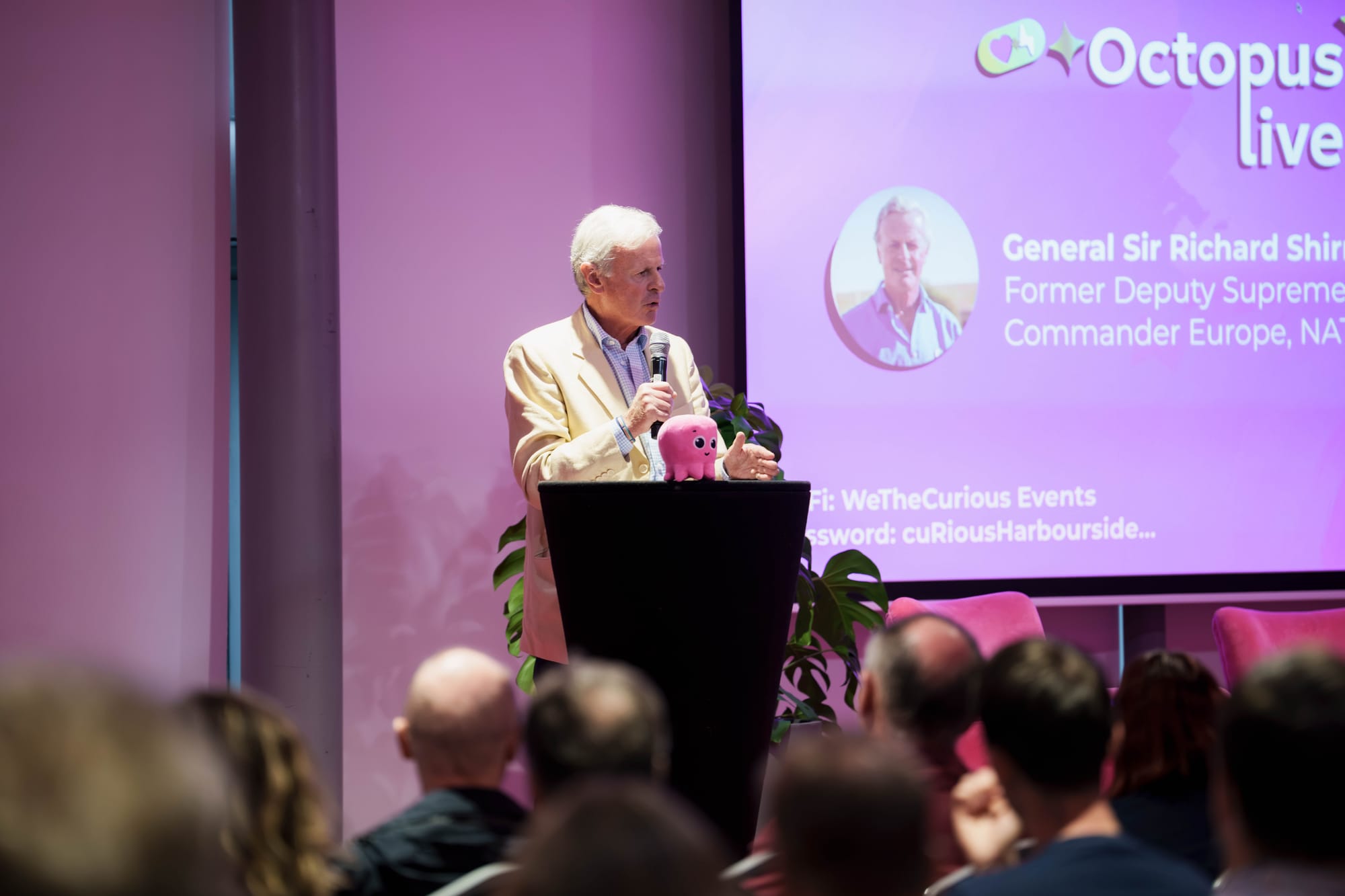
Richard also does not believe that we should give up on achieving net zero, saying ‘that's going to depend on innovation, technical genius, and on the market economy outcompeting fossil fuels by embracing cheaper and better technologies.’
‘Mobilising capitalism to turbocharge clean energy and technology and harnessing the private sector in what has to be a national effort’ - Sir General Richard Sherrif
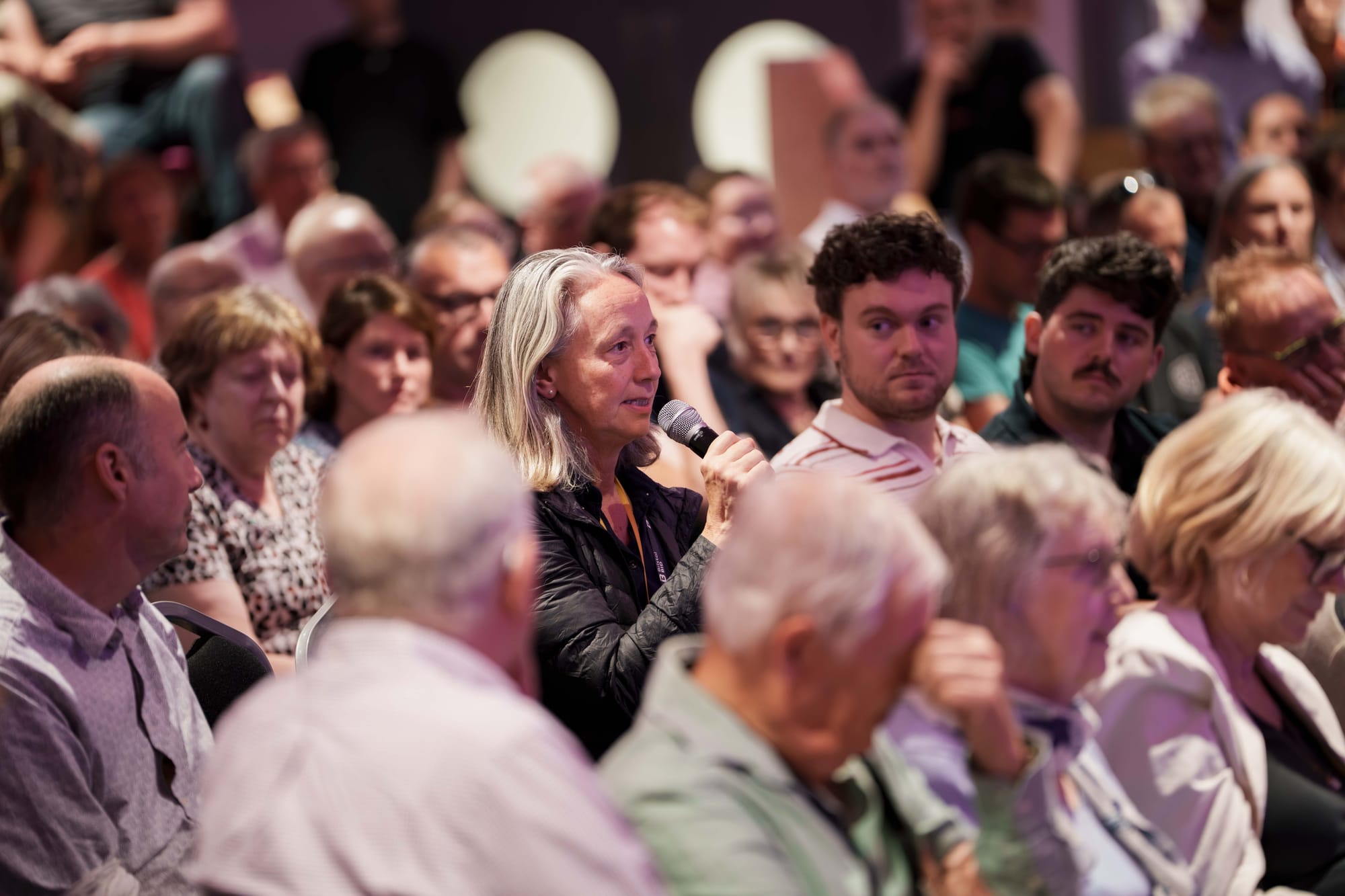
Developing green technology under late stage capitalism is an interesting take, though this frame of reference negates the parts of the necessary political environment needed to enact change (e.g., the US withdrawal from the 2015 Paris Agreement) with a recent UN report suggesting the goal to limit climate change to 1.5 degrees is now out of reach. Answering a question from an audience member, Greg shared Richard’s disdain for Trump. Adding to discussion on the global scale, he described meeting with other business leaders working on EVs, noting that the cheapest new car is a European EV.
Touching briefly on China, which is widely considered to be leading on green and solar technology, he also described positive interactions with a businessman working on batteries for EVs, though interestingly added ‘I neither love nor hate China.’ In our earlier interview, he had also described how a combination of solar and battery is the same price or cheaper than generation from gas and solar and battery is getting cheaper every year in many countries, also suggesting European countries may get left behind.
This adds to the conversation about Greg’s politically-affiliated positions and business interests that he should need to stipulate neutrality on China in the context of green energy, where many experts simply respect China’s efforts in the sector without qualification. It also raises the question, can a gas and energy CEO, regardless of their disruptiveness, truly care about net zero? Perhaps not, or perhaps it’s a constraint of the current business landscape and their need to deliver to shareholders.
It is important to hold a healthy degree of scepticism within these conversations, though this event felt optimistic. It seemed there was a sentiment of incrementalism, pushing towards green energy through market reform and innovation under capitalism, and trying to reduce disenfranchisement with larger companies. There is, perhaps, an opening to accelerate this agenda beyond asking questions about what we should do, towards more tenacious and disruptive action.
 Lena stein
 Tiberiu Toca
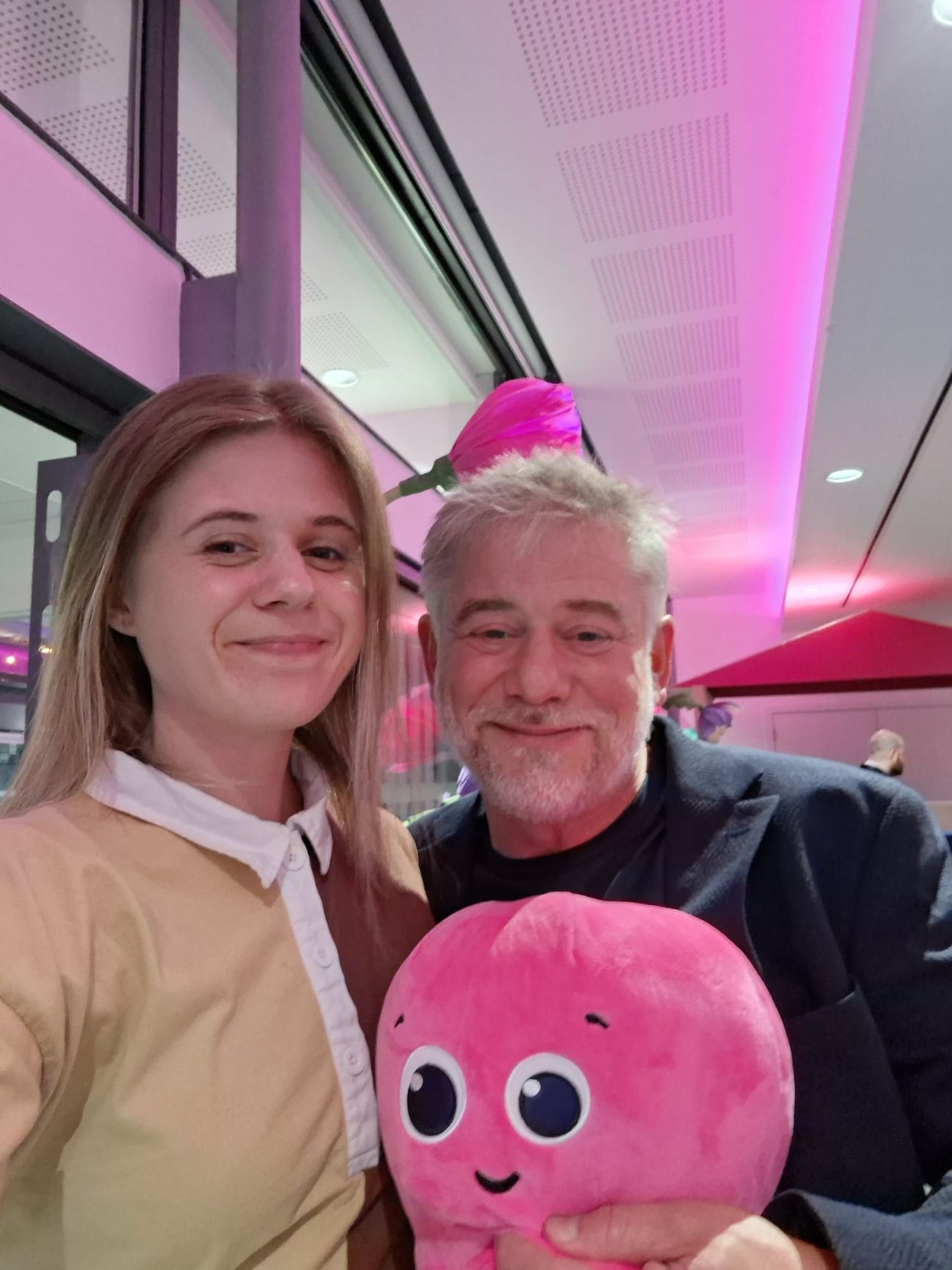
Featured Iamge: Beth Robinson with Greg Jackson CEO
Is it possible to have a reformed and genuinely progressive energy sector?