
By Natalie Payne, News Reporter
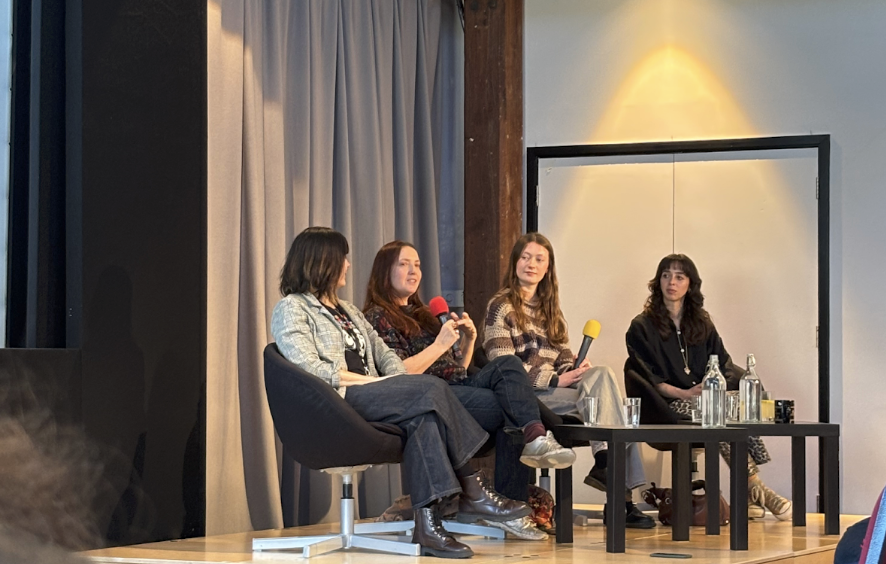
On Friday March 6, representatives from the Yes and No camps came together in the Balloon Bar to discuss the most important issues in the referendum on Bristol SU’s affiliation to the National Union of Students (NUS).
 Cara Hene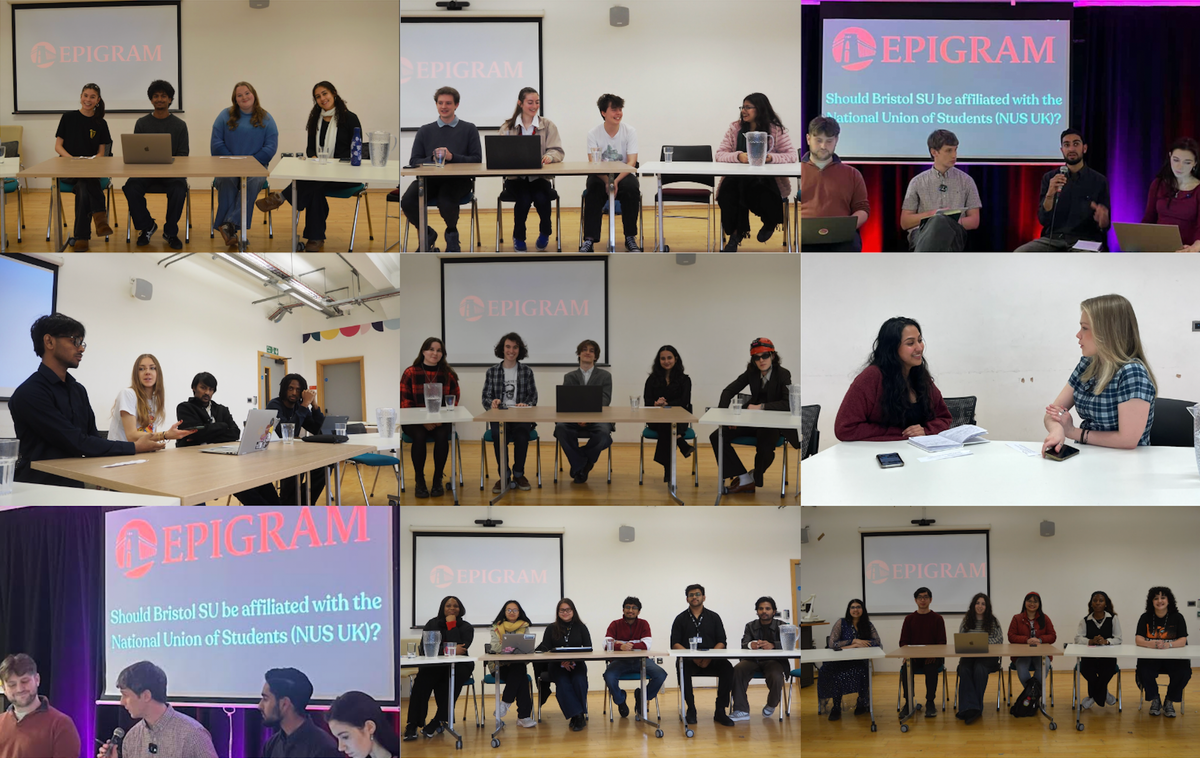
NUS UK is a nationwide campaign network of students that Bristol SU is currently a part of and is separate from NUS Charity.
The debate, chaired by Epigram Co Editor-in-Chief James Lewis, began just after 7pm in the Richmond Building venue, lasting approximately 45 minutes.
Arguing the case for continuing affiliation was Alex Stanley, NUS Vice President for Higher Education.
Pushing for disaffiliation were Aden Saeed, leader of the No campaign, and Siân Clarke, Bristol SU Student Community Organiser.
The event opened with a two-minute speech from both sides, where Stanley highlighted NUS actions and the value of a national network. Saeed and Clarke also touched on the value of the NUS, pointing out what they believe to be inadequate representation.
Questions from the chair started with a discussion around the national aspect of the NUS. The Yes campaign expressed concerns over ‘weakening the national collective student voice’ should the referendum result in disaffiliation, whilst the No campaign said that ‘[they] are actually more powerful on [their] own’ and argued that leaving NUS would benefit Bristol students in giving Bristol SU ‘full freedom.’
Much of the debate centred on the NUS response to the situation in Gaza, with Saeed and Clarke saying that they believe the NUS is not relevant to students in Bristol after the Gaza40 campaign was ‘denied help.’ When asked about the impact of this ‘perceived lack of solidarity’ on the referendum, they said that it ‘paints the NUS in a weak light.’
Stanley later stated that he accepts the NUS were ‘too late’ in their response, and reiterated their apology, adding that ‘[they] have called what is happening a genocide.’
The delay in response angered student unions across the country, with several electing to disaffiliate in recent months.
Towards the end of the debate, the line of questioning moved onto the financial aspect of the network. Bristol SU pays £30,000 each year for its NUS UK affiliation, which is a point of concern for the No campaign.
When asked what they would do with the extra cash, Clarke described the need for investing in student services to fill ‘gaping black holes’ which lack funding.
Saying that ‘students across the country are being let down,’ the opposite side justified the spend by stating that ‘every piece of the puzzle is so crucial’ in terms of working towards nationwide change.
A question from the audience brought the debate’s focus onto the lobbying side of student campaigning. Asked if they will hire lobbyists to replicate the ‘mass scale lobbying’ of the NUS, the No campaign expressed their unwavering belief in their ability to replicate current networking.
Countering this, the Yes campaign talked about their political connections, saying that MPs are ‘parroting exact lines’ from them.
 Sophie Lee
 Amelie Patel
As the debate ended, both campaigns highlighted once again the issues that they believe to be the most significant. For the Yes campaign, the need for a large network of students to work on national issues. For the No campaign, the need to focus on University of Bristol students with the money saved that would be ‘a step in the right direction.’
The event concluded with the notice that voting opens on Monday March 9 at 9:00am and closes on Thursday March 12 at 9:00pm.
Featured image: Leah Hoyle