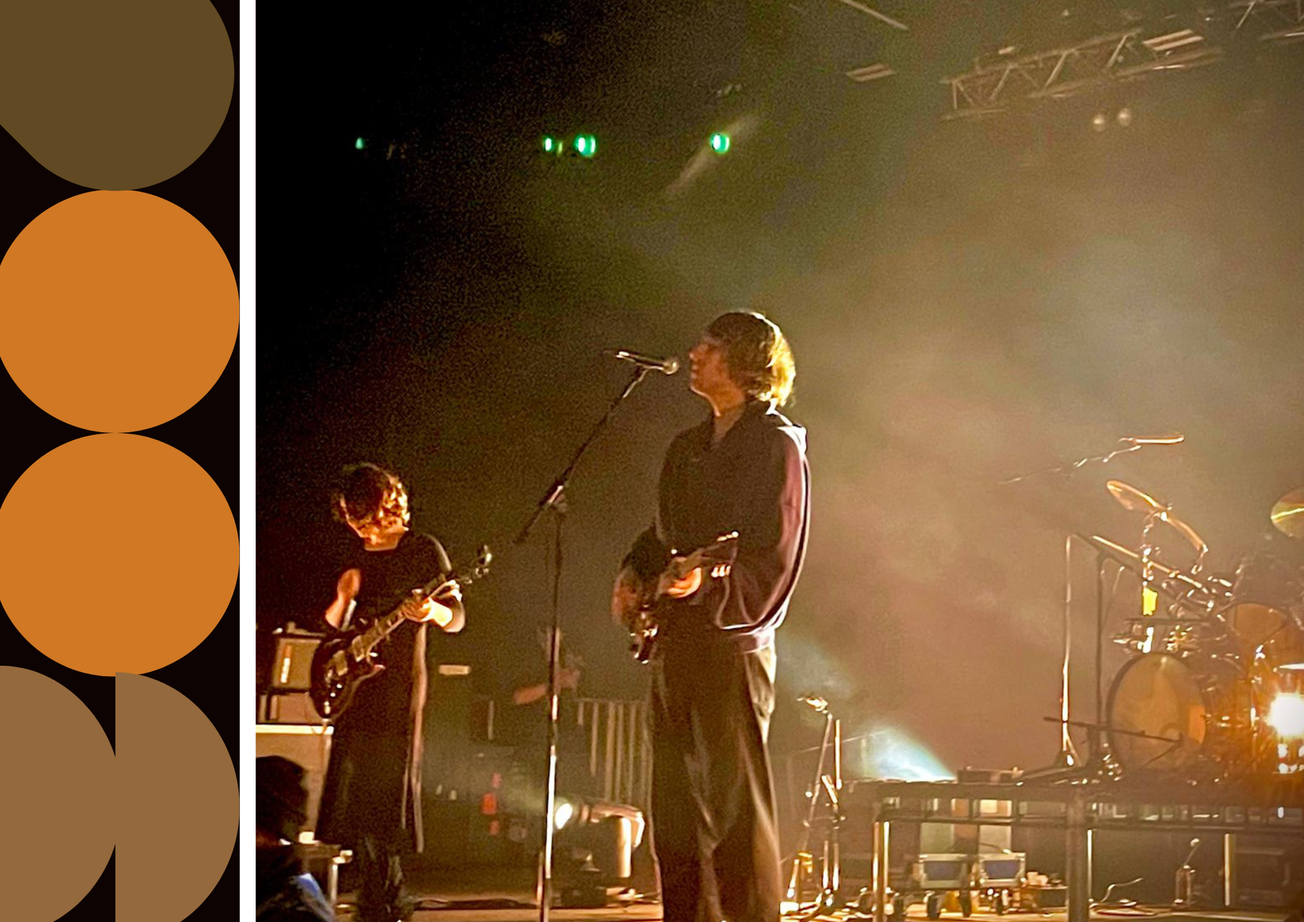

In the midst of his 4 week long performance run, I interviewed Luke Wright about his early career, adoption and latest book, Later Life Letters and watched him perform at Bristol’s Wardrobe Theatre. Luke Wright is an award winning writer, poet and performer who has curated, performed and toured 15 solo shows alongside 3 plays and various poetry collections.
Having recently found my dad's birth family and experiencing such joy at getting to know and connect with a new but somehow familiar group of people, this press invitation seemed right up my street!
Luke Wright is a renowned writer, poet and performer so it came as a surprise to hear that he was not accepted on to the creative writing course at the University of East Anglia where he completed his English Literature undergraduate degree. Despite this initial setback, he became even more determined, and pursued his creativity with three units in creative writing, essentially completing a minor. Even before his degree, Wright explains, he always wanted to be a writer. He remembers ‘dictating stories with his mum’ at an early age while she wrote them down and paired them with drawings. He believes these early dictations ‘buried storytelling deep inside’.
‘I love using words, I love language, I love the sound of words’
Later on, he witnessed poetry on stage beginning with Ross Sutherland who also went to the University of East Anglia and encouraged him to join. He was hugely inspired by Sutherland and ‘clubbed together’ with many other young writers during his time at university where everyone’s writing was ‘celebrated; and shame was nowhere to be seen. Immediately after university, reality kicked in and Wright did some temporary work in a hotel to start earning money. Interestingly, he deliberately chose to do temp work to ensure he didn’t get too comfortable earning money as his friends with ‘proper jobs’ did. He explains he also ‘didn’t have the bandwidth to properly job search’ as he was too busy booking gigs and focusing on his dream writing and performing career.
In terms of advice for budding writers, Wright explains that passion is the key to writing. When he discovered poetry he ‘had an immense hunger for it all’ and ‘consumed’ as much different writing as he possibly could in those early months of excitement and hunger. He advises all writers to do the same and consume a variety of writing as he believes every piece ‘widens the foundations of your artistic DNA’. He also stressed the importance of not putting too much pressure on yourself because if you are wanting to pursue writing long term, ‘you’re going to need to love doing it’ and ensure ‘it doesn’t become too much of a chore’.
With experience of the varied emotions that can come up for an adopted person, I assumed that his recent book may have been the most emotionally taxing and harder to write about. Interestingly, Wright found writing Later Life Letter easier than his day to day writing because he had a theme. He would sit down on a Tuesday morning waiting for his son and know that this week he would ‘write this poem about this thing’ and could ‘write on demand’ which he had ‘never been able to do before’. As a result, he now feels much stronger in his writing ability. This comes as a welcome advancement as when he first started writing, he ‘found it really difficult and quite scary’ and often felt those around him were much better than him. This is a feeling I’m sure we can all relate to. He adds ‘the more you do something, the more confident you get’ and this was true for Wright. For Wright, he finds it easiest to write memoir style autobiographical poems about his real experiences and ‘struggles with imagination’. I can see the passion in his voice as he states ‘I love using words, I love language, I love the sound of words’. To note, he doesn’t mean writing on this topic hasn’t been ‘heart wrenching or big’ but from an actual writing perspective, this has been one of the easiest collections he has written. Writing Later Life Letters left him with a sense of satisfaction and proof that he ‘can do it’.
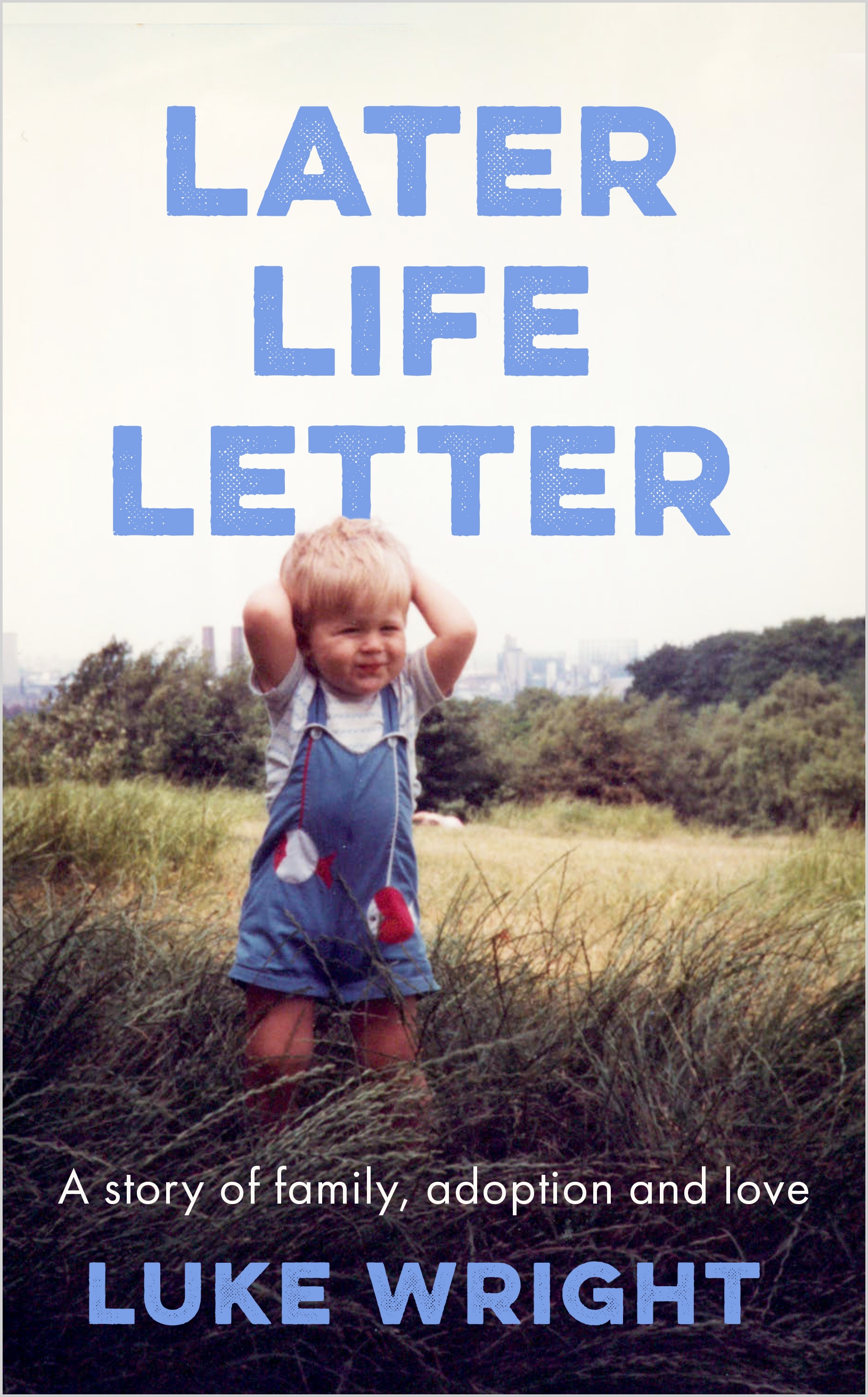
He grew up knowing he was adopted and remembers reading a book titled ‘I am adopted’ with his parents. One thing he remembers bothering him as a child was his friends having interesting birth stories such as one boy's mother enjoying a curry post birth. Wright remembers wishing he had a cool birth story to tell his friends and over 20 years later, he ended up with the best birth story of all as his file revealed his birth mother wasn't even aware she was pregnant. At the show, Wright pulls out the book to show the audience and explains ‘this little book is buried deep inside me’.
He describes seeing his adoption as another fact about himself, like how he controversially prefers Blur to Oasis or favours salt and vinegar crisps. He ‘didn’t really think it was a big deal’ thinking ‘I’m happy where I am and yet the more I looked back into it, the more I realised that I had consistently thought and spoken about it my whole life’. He describes the idea that his adoption wasn’t a big deal was really a ‘role’ he had been playing his whole life and that his adoption had always ‘lurked’.
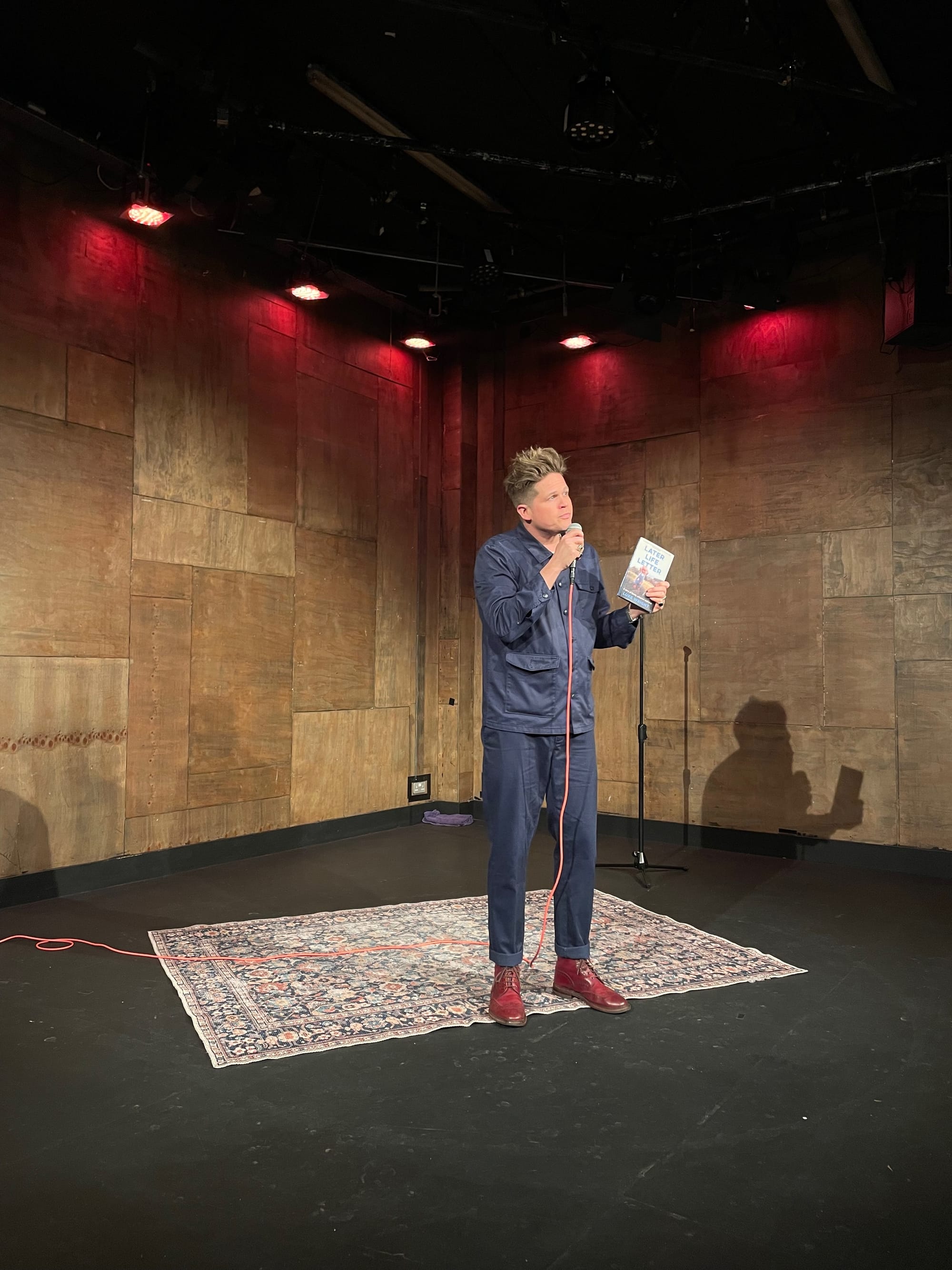
One experience he captures in his book and show is finding his birth mother on Facebook. He describes seeing her profile ‘winded him’. Simultaneously he also finds comfort in it and returns to it every now and then. Wright acknowledges how ‘adoption can completely dominate whole lives’ based on ‘a decision that was made without their consent when they were a tiny baby or a small child’. Wright describes he sees his adoption ‘as both nothing and everything’. He understands how some can end up seeing their adoption as ‘everything’ as well as those who would rather see their adoption as nothing, such as his half blood brother, Scott, who he grew up with when his parents adopted him too. In the show, Wright tells a humorous but heartwarming tale of how as a child he thought it was such a coincidence that his parents adopted him and his brother.
Attending therapy made him realise that his adoption ‘has affected his life but in ways that he didn’t realise it had’ such as making him ‘emotionally needy and a bit too quick to cut and run’, as well as his ‘self protective side’. In his show, he explains therapy also brought him the perfect excuse of the ‘primal wound theory’ which suggests that babies separated from their mothers develop an instinctive ‘primal wound’ which can lead to lifelong trust, identity and abandonment issues. He comically explains this naturally concludes he is not to blame for any of his bad actions in life.
 Alex Boersma
In terms of his sense of self and identity, he explains finding out more about his adoption has encouraged him to talk to his family more about these things and helped him ‘feel more solidified’. For Wright, his ‘adoption wasn’t the answer to anything’ as the life that he ‘didn’t end up leading is formless, it never formed because’ he ‘never lived it’, instead what he does ‘have is an incredibly strong life behind’ him which he now ‘appreciates more’ than ever. This journey of discovering the past has helped him ‘fix the holes in’ his ‘foundations’ and ‘springboard into the future’ in the ‘very solid and happy place’ he now occupies.
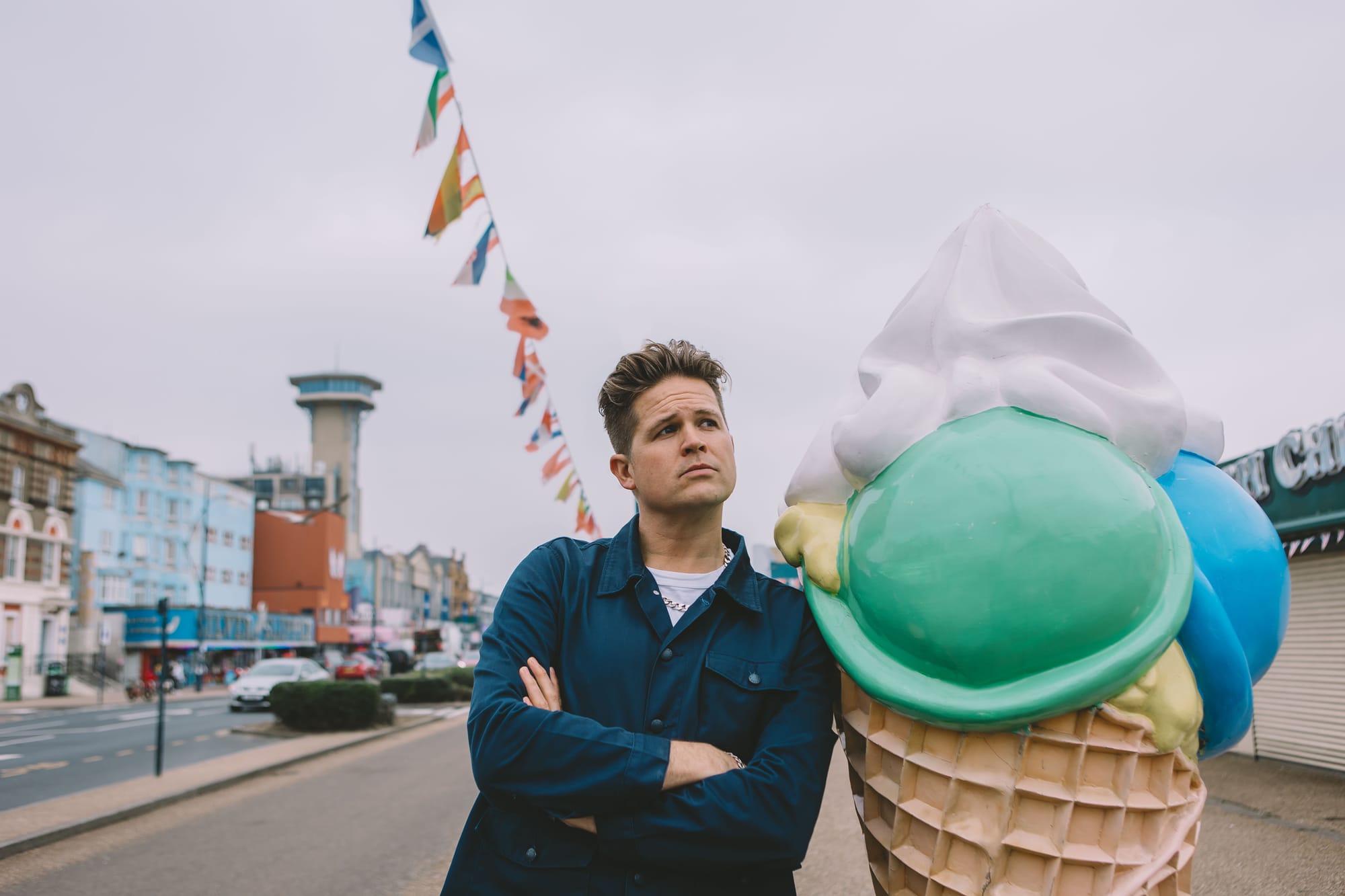
Feature Image: Luke Wright/ Emily Fae
Are you considering a writing career?