By Conor Giblin, MA English Literature
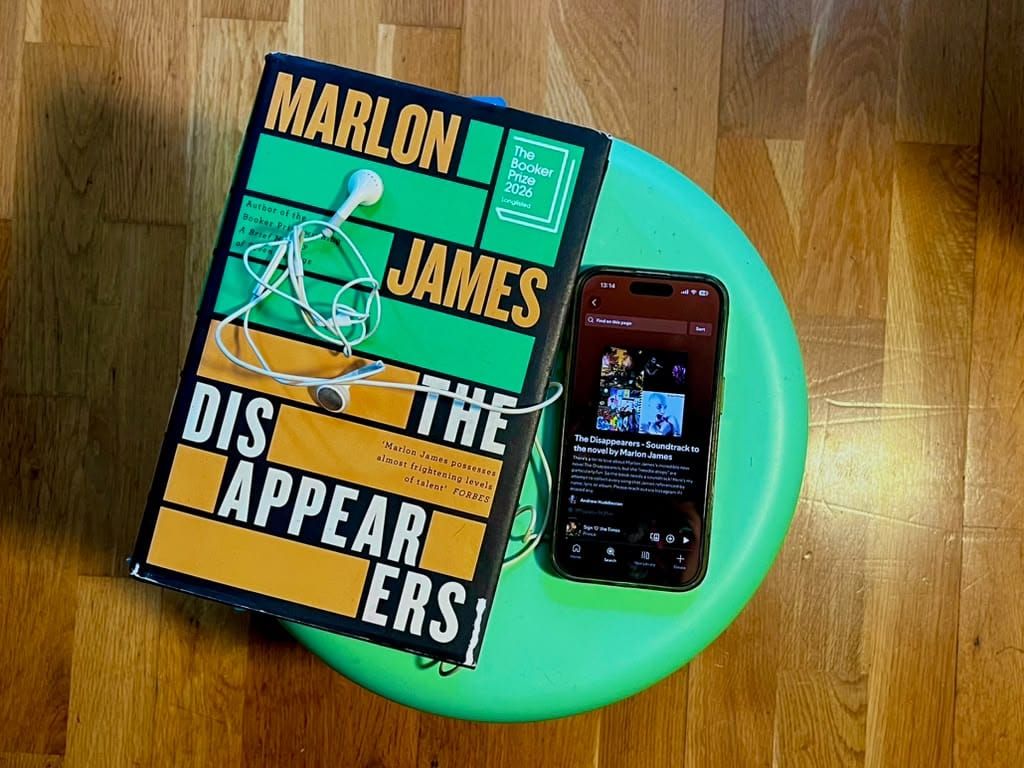
Celebrated author Marlon James joined Bristol poet Vanessa Kisuule on September 23rd at the Bristol Beacon on a promotional tour for his new novel, The Disappearers.
I had not read the novel before the talk yet knew of James as a celebrated Jamaican author. He arrived an hour late due to transport trouble and joined host Kisuule on stage facing a crowded Lantern Hall. The delay had allowed more wine to flow, spirits were high and James was met with a warm reception.
Kisuule opened by asking what the book was about, to which James responded: ‘love’. Love is hardly a new theme, but James’s novel focuses on its different inflections: romantic, filial, platonic. The author noted that all his characters are searching for love in some form. He added, however, that being loved in the Jamaica where he was born and grew up was invariably complicated when one’s sexual preference lay outside of heteronormativity – something he knows first-hand as a queer Jamaican.
I found it particularly revealing that beyond documenting homophobia enacted by homophobes themselves, James’s work is also preoccupied with the effect that a homophobic culture can have on relationships and love between queer people. Characters in the novel internalise homophobic rhetoric which in turn inhibits their ability to express and enjoy love, especially one free from shame. James’s own background lent this a stark poignancy – he grew up closeted in Jamaica and has said in an interview with The New York Times that ‘because of who I am, it could have been me’ (referring to the young men in the novel who suffer from a violent attack due to their sexuality).
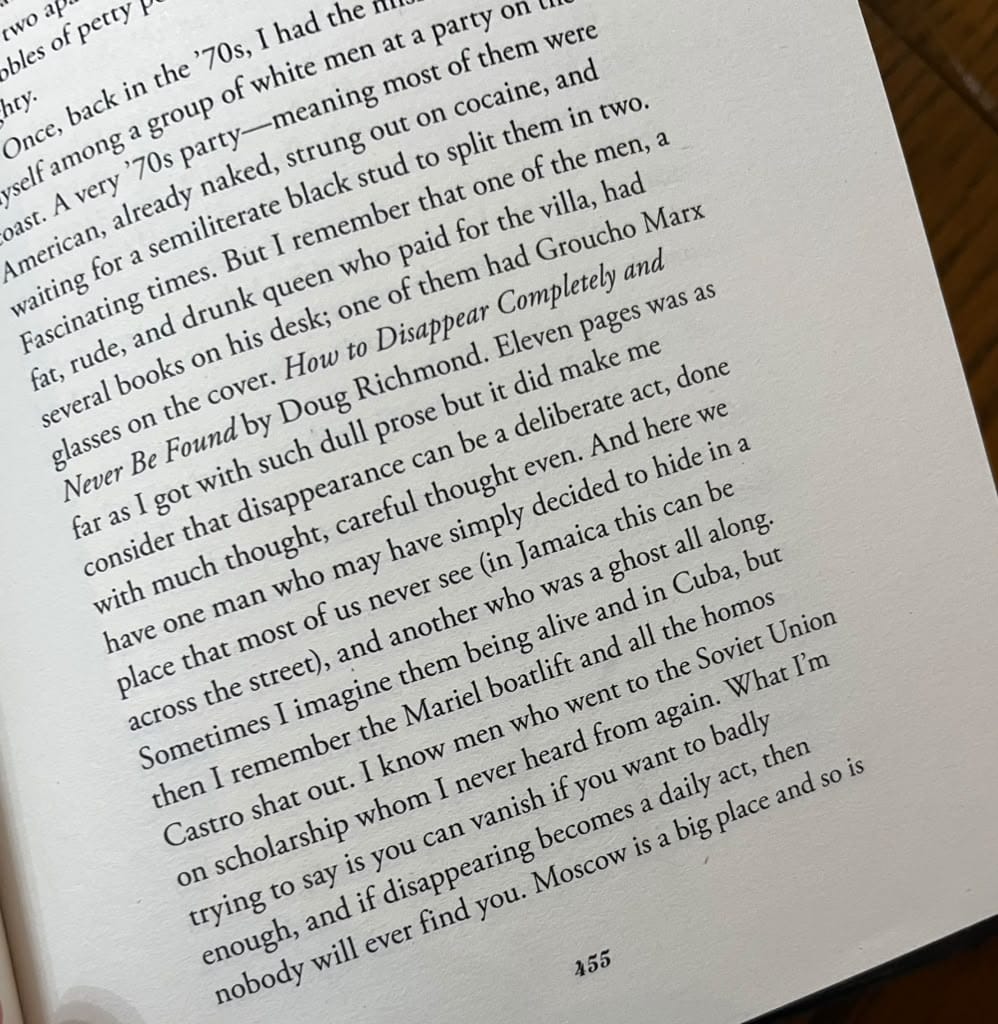
James continued by discussing the difference between growing up straight and queer in Jamaica: where straight adolescents are afforded an opportunity to make mistakes, this is unrealistic for queer young people. Where a straight teenage love affair could be viewed as innocuous, queer young people must worry about violence, ostracisation, and a homophobia baked into the culture. The novel exposes this difference through its account of the physical and psychological violence faced by protagonists who are young and queer. I plan on reading the book in the future and I’m intrigued to see how James’s protagonists learn what it is to give and receive love while navigating an atmosphere that tells them that their sexual identity is invalid.
When asked to discuss the process behind his fiction writing, James’s reflections and advice were both simple and instructive: he considers what a character wants, what they would do to achieve what they want and the difficulties they would encounter in this search. It struck me as similar to mediatised method acting: James steps inside the mind of his character and lets them lead the unfolding narrative. This led to the novel’s creation occurring at a varied pace, as he at times grappled with what a character was feeling and had to believe what the character would do before continuing to write the narrative. I found it reassuring to be reminded that several-hundred-page narratives stem from this sort of character inhabitation – I find my ideas can seem so big and then translate to very few pages; however, I question whether I have stepped inside the minds of characters the way that great authors have to. Only through doing this can convincing writing emerge, but the doing is what separates ‘writers’ from those with grand ideas about writing (I argue, while hiding from my own fiction).
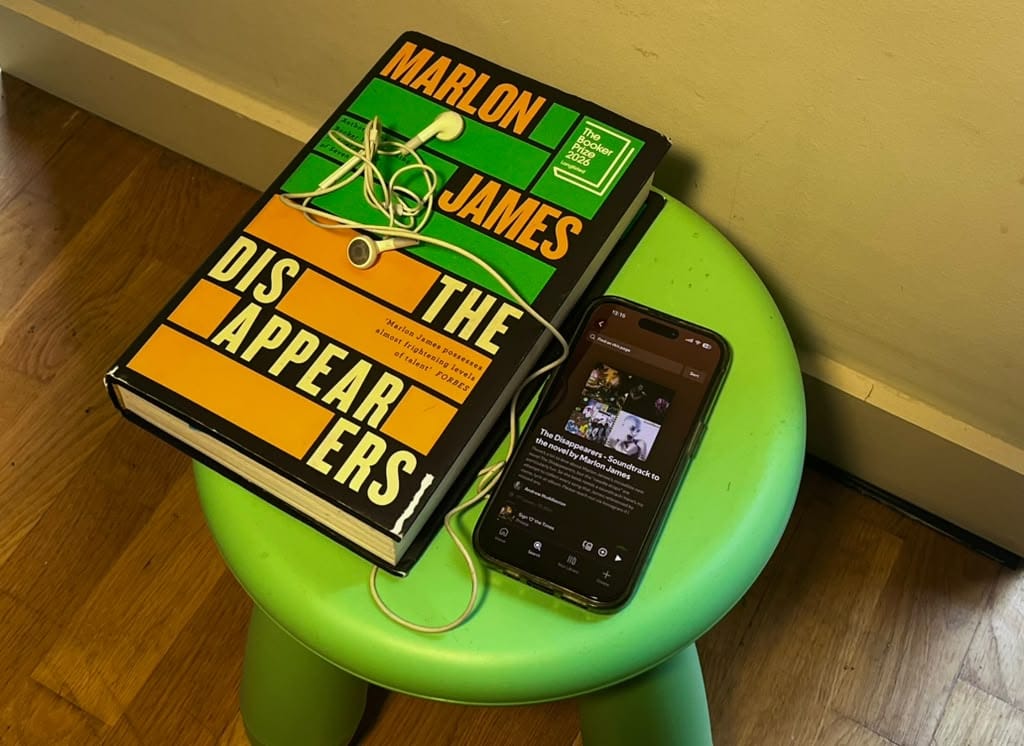
James also warned that in the same way that actions prompt consequences in real life, the actions of fictional characters also transform spaces and moods. While perhaps obvious, he stressed that authors should keep this at the front of their minds. A character who acts violently changes how they are perceived by those around them – when they walk in a room, the atmosphere changes. It is the way that such a character is received after their violence that offers insight into relationships and creates tension – a cornerstone of dramatic and engaging fiction.
James pleaded that any present members of Massive Attack reveal themselves, suggesting that he could likely be found after the show at Bambalan across the road, seeking out some house music he had heard upon arrival. Kisuule closed by asking James about his favourite music, but I’m sadly either too young or too uncultured to know who was discussed. Nonetheless, James’s responses received enough clocking from the crowd to suggest audience pleasure. The evening gave insight into James’s love of music, his urge to put onto paper what he believes must be discussed, and his reminder that the mechanics of writing needn’t be complex.
 Amber de Waal
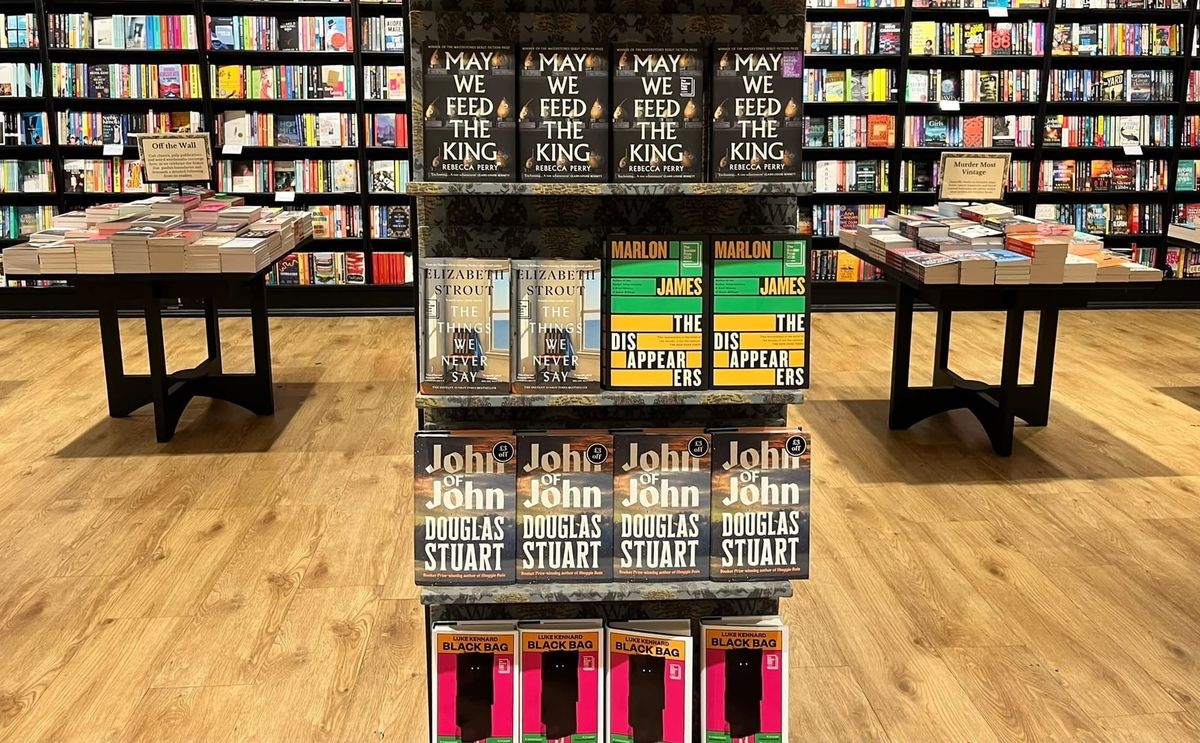
Kisuule and James offered an upbeat evening where a light mood was interspersed with discussion of challenging themes. This was helped by Kisuule’s apt conversational control which let us leave feeling like we knew more about James the man, and James the writer. James was unsuccessful in collecting his second Booker on the 9th of November, losing out to M. John Harrison who became the first science fiction author ever to win the prize for his The End of Everything. Nonetheless, an evening of autumnal literary discussion with one of the world’s leading contemporary authors was, at least personally, preferable to a Triangle step.
Featured Image: Epigram / Rosy Brown
Do you think book prizes cast a fair judgement?