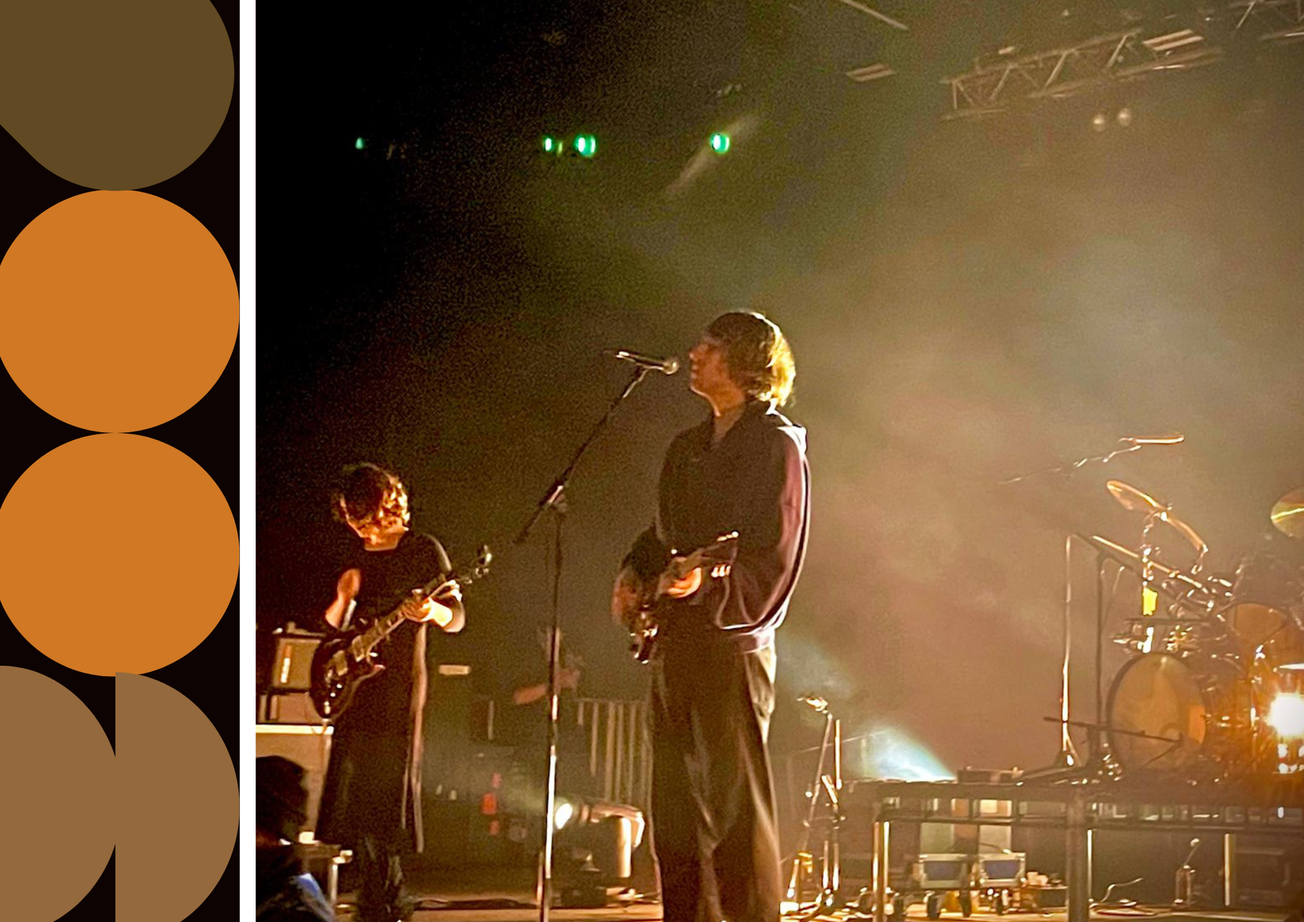
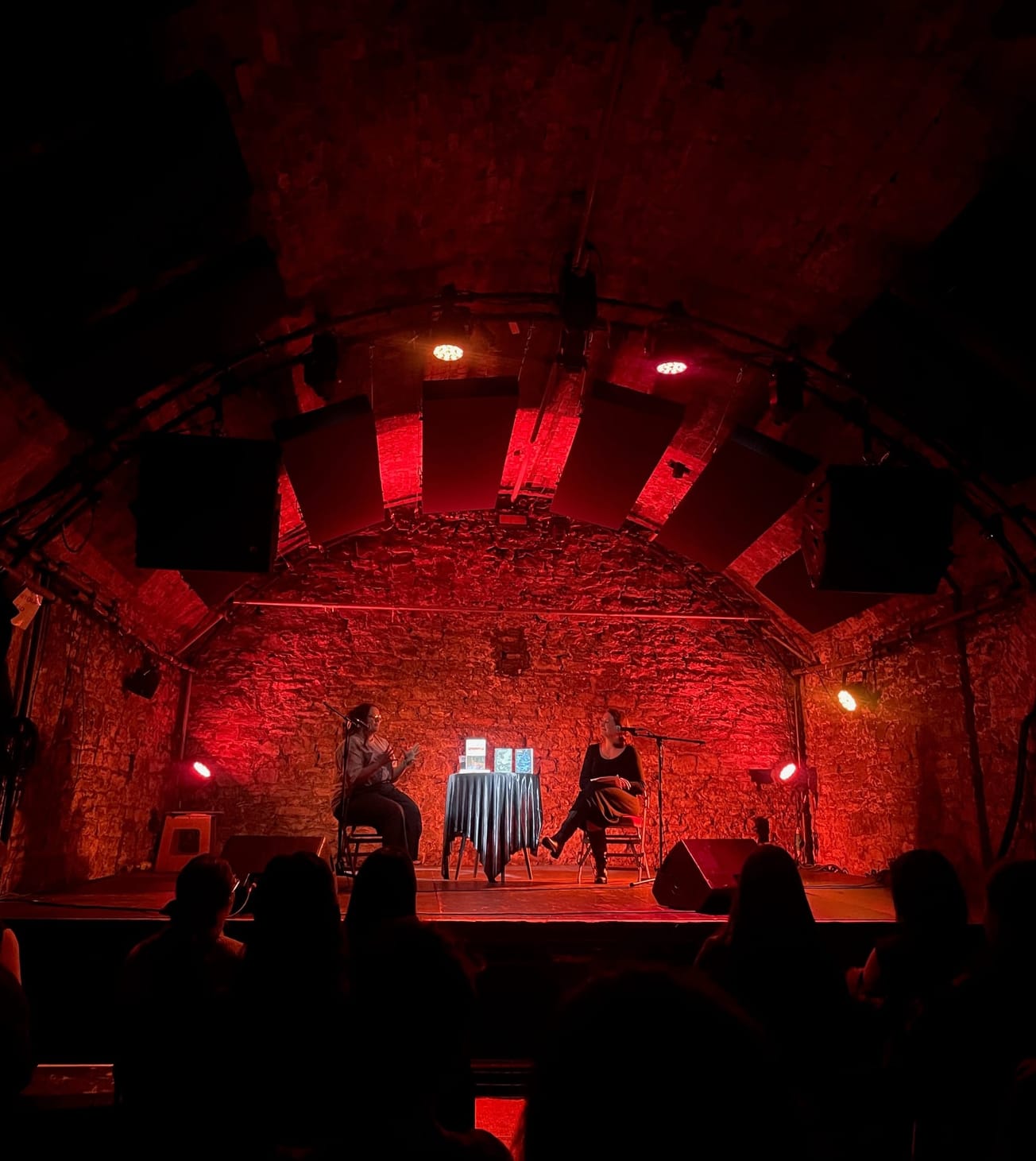
Lucy Rose’s debut novel The Lamb is filled with cannibalism, queerness and vivid storytelling. What’s not to love? And what better place to gather and discuss than the dimly lit cavernous interior of the Loco Klub? The literature columnists attended Max Minerva's event and joined Bristol alumni Lucy Rose, Cumbrian born award winning author, director and filmmaker, and lecturer Joan Passey as they discussed Rose’s debut novel, The Lamb, published earlier this year.
The coming of age novel explores the relationship between Mama and Margot, a mother and daughter who reside by the woods waiting for strangers to devour. However, one day a 'stray', as Mama calls them, appears and shifts this dynamic, forcing Margot to confront the life she has always known. The synopsis describes 'Rose explores how women swallow their anger, desire and animal instincts- and wrings the relationship between mother and daughter until blood drips from it'.
'I want every story I tell to sound like a campfire story'
Rose describes The Lamb as a folk horror, a horror sub genre which utilises folklore to instil a sense of fear and foreboding. Rose explains, 'I want every story I tell to sound like a campfire story', which is exactly how the book feels. She then went on to explain that she feels marginalised people often reach for horror as a genre because it is 'expressive and emotionally intelligent'. She reiterates that 'horror gives us language that we do not have' and though often seen as unreal, it sheds light on things that are real and happening around us.
As for her writing process, it’s clear that Rose attributes a lot to the method of ‘flash-fiction’, or vignette style writing for sparking the beginning of the novel, a method which catered to her ADHD as well as making the novel more digestible for the TikTok audience of our generation. Rose explained compartmentalising her tasks and writing helped as she admitted she watched Love Island alongside writing the novel which prompted giggles from the audience. The idea for the narrative as a whole emerged from one of these writing exercises – the first passage she produced that ended up in the novel was originally scrawled on loose paper and can now be found as Chapter 11 in the book. This is the chapter in which the mysterious Eden is first introduced and marks the beginning to the end of Margot’s story. Without spoiling too much, Rose admits that also written on the loose paper with the first formation of her characters is the outline to the end of the novel, and so the ending was decided on from the moment of inception. She explains that writing to such an inevitability was often hard and 'emotionally taxing' as she, as the reader does, grew to love and understand her complex characters.
‘One day I will have my severed head’
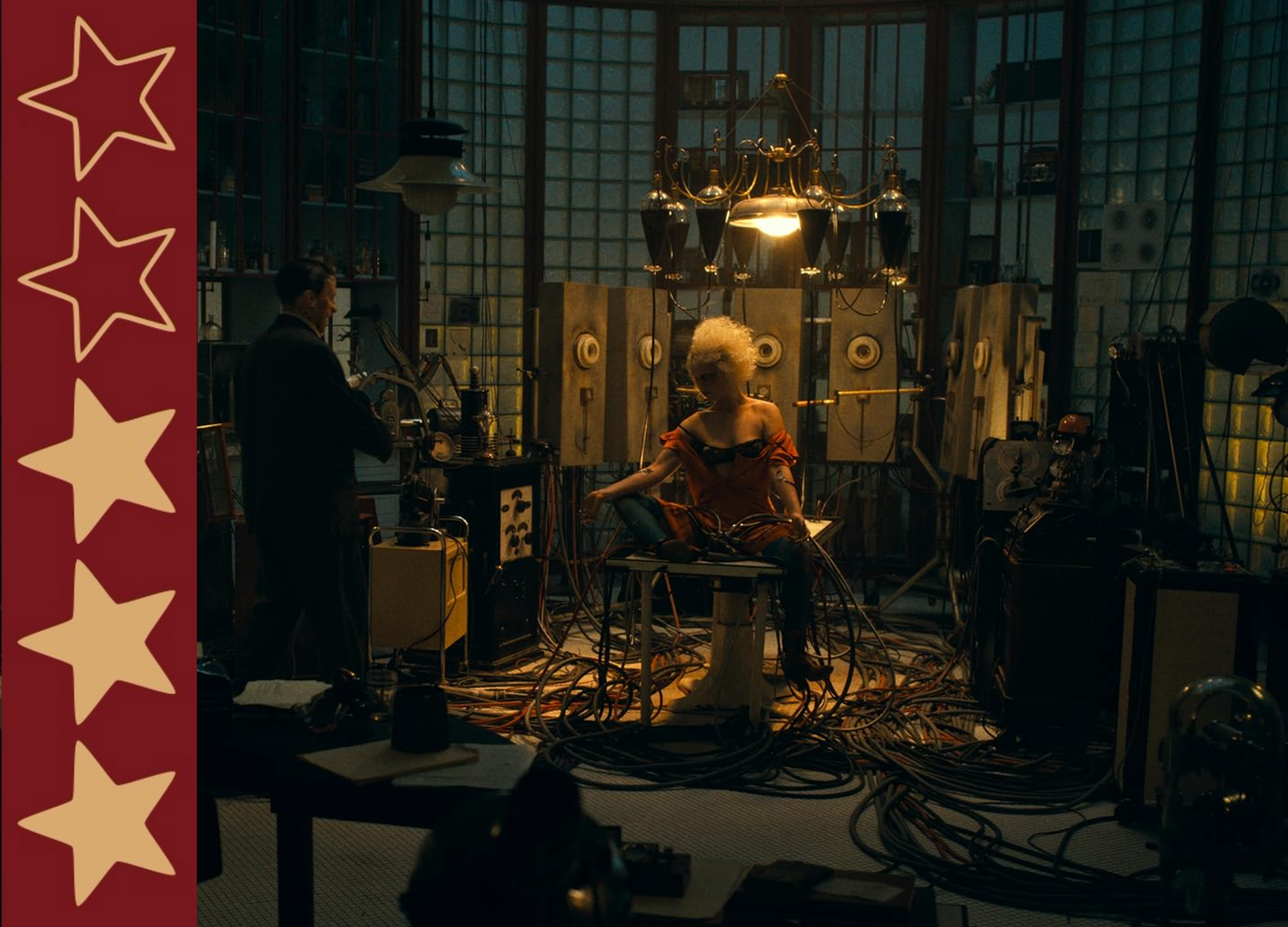
Rose's film making background is clear from the very beginning as her characters and settings are described in such delicious visual and aesthetic ways. As a filmmaker herself, the question of who she would cast if The Lamb were a film was inevitable and her dream lineup did not disappoint. This cast included Gillian Anderson, Kristen Stewart and Emma Corrin with Rachel Vice starring as Mama and Mark Addy as Steve the bus driver!
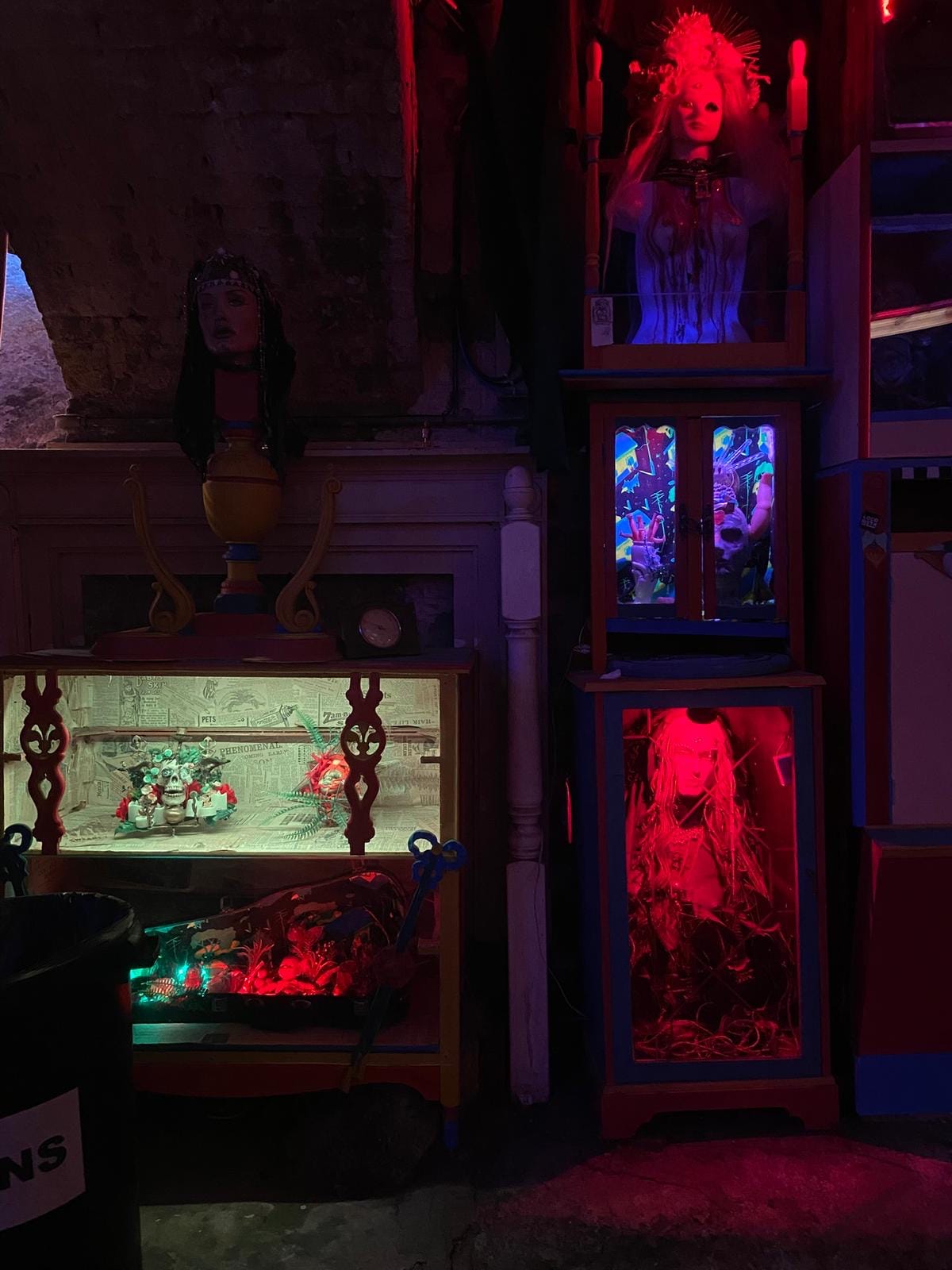
Her affinity and passion for horror shone through every answer – Rose outlined her inspirations, which start with her love of Shirley Jackson (whose novel The Haunting of Hill House inspired the ending of The Lamb) to Kirsty Logan, one of contemporary horrors greats and author of Things We Say In The Dark, who later became one of her mentors. She then explained that when writing Margot's child's voice she drew inspiration from Max Porter, author of Lanny, and Carmen Marcus, author of How Saints Die.
'Sometimes to do the right and good thing that has the best impact, we must make a personal sacrifice'
The Lamb is undeniably a book that relishes in its cannibalism, but some of its descriptions of food are far from gruesome. Passey and Rose laughed about how delicious some of Mama’s spreads sound; a show of hands reveals that more than one person in the audience felt peckish while reading. Rose cites 2010s TV series Hannibal as her introduction to an appetising view of human flesh as well as Silence of the Lambs.
 Emma Yeo
None of this is to say that the book is tame in the slightest; in fact, Rose reveals how her editors had her cut a particular passage featuring a frozen severed head for being over the line. This doesn’t mean she’s given up hope though. In her own words, ‘One day I will have my severed head’.
Passey's final question is 'What do you hope people take away from the novel?'. Rose explains that 'sometimes to do the right and good thing that has the best impact, we must make a personal sacrifice'. She continues that we need courage to make this right choice and need a level of personal responsibility in order to move said mountains. This feels like the perfect take away.
Featured Image: Epigram / Alex Boersma
Will you read The Lamb?