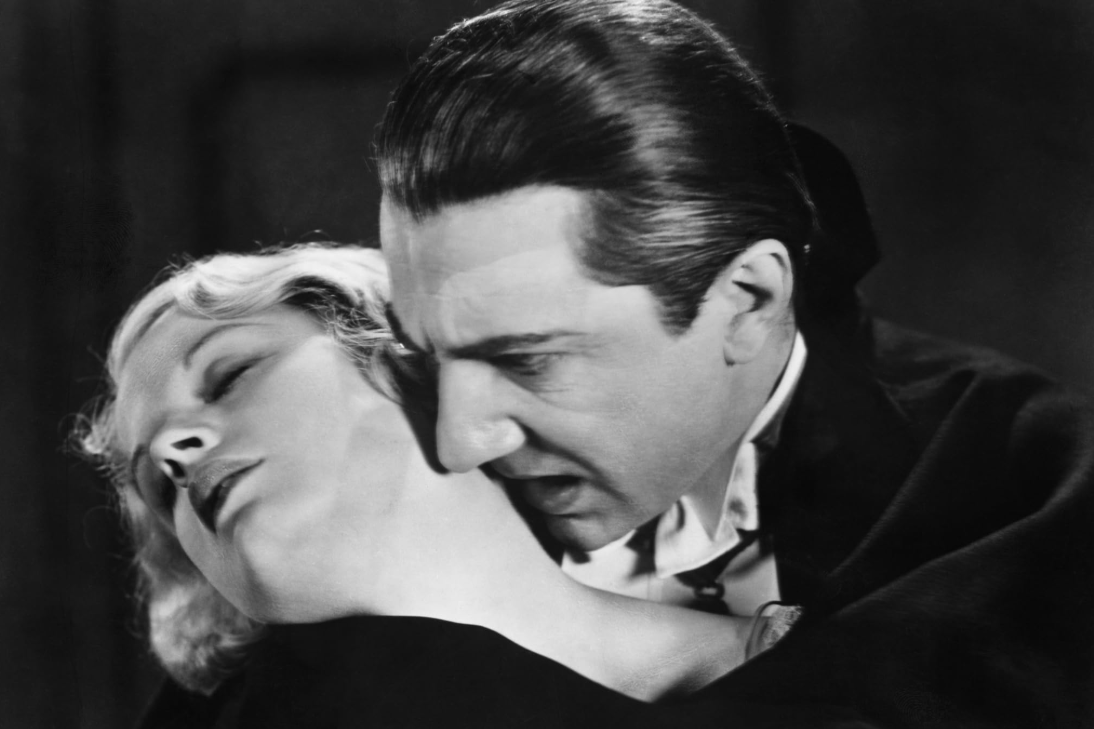
From Dracula to Twilight, there can be no doubt that the concept of the vampire is ubiquitous in modern pop culture. It is well-nigh impossible to go anywhere around Halloween without seeing decorations or costumes of the pallid, fanged horror icon that we have come to know and love. However, behind our modern, sanitised idea of the vampire lies a long legacy of the monster being used to represent cultural fears: from homophobia to antisemitism, the vampire has always had strong associations with fear of the Other. The question is: do modern portrayals of vampires continue this legacy, or subvert it?
Although the concept of the vampire has long been present in folk mythology, its first foray into English popular culture wasn’t until 1819’s The Vampyre, by John William Polidori. The short story centred around the character of Lord Ruthven: a depraved, vampiric nobleman with the aim of seducing and killing his victims. Interestingly, the character is generally believed to be based on the poet Lord Byron, for whom Polidori worked as a personal physician and who was notoriously scandalous in his time due to his bisexuality and promiscuity – both considered incredibly taboo during the Georgian era. Whether or not The Vampyre was intended to be a veiled criticism of Lord Byron and his transgressive sexuality is still unknown and widely debated, but it is undeniable that the short story introduced an idea of the vampire that was deeply entangled in Georgian anxieties about non-Christian sexuality.
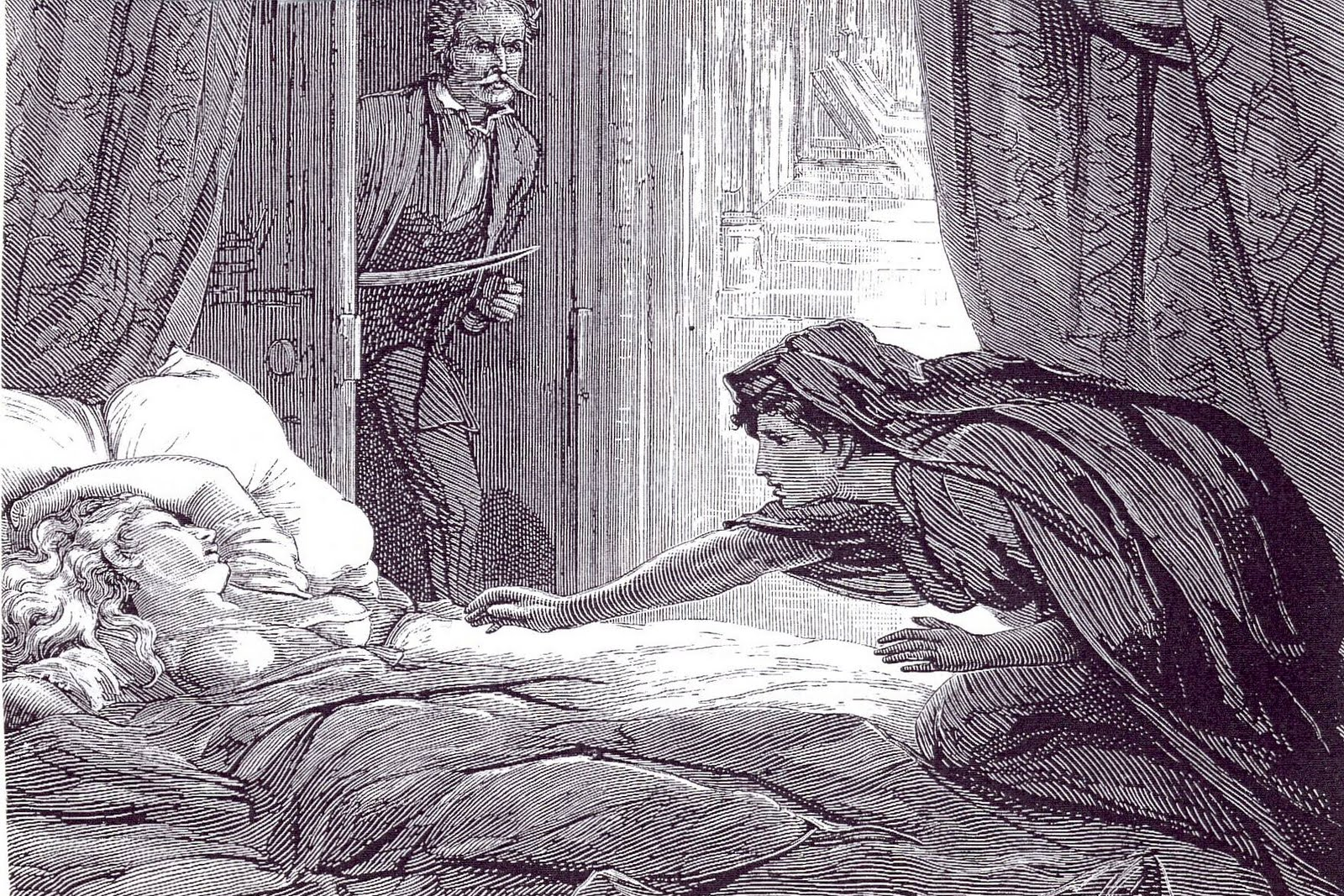
This was solidified by the onslaught of vampire novels to be published after The Vampyre. Notably, Sheridan Le Fanu’s 1872 novella Carmilla depicted an explicitly lesbian vampire preying on a vulnerable young protagonist, and strongly influenced Bram Stoker in writing Dracula in 1897. In addition to the sexual undertones that had become ubiquitous in vampire literature by this time, Dracula also popularised a racialised interpretation of the vampire. Throughout the novel, Stoker emphasises the fact that Dracula is a foreigner (from Transylvania, now part of Romania) emigrating to England, and attributed many characteristics to him that evoked antisemitic and xenophobic stereotypes of the time.
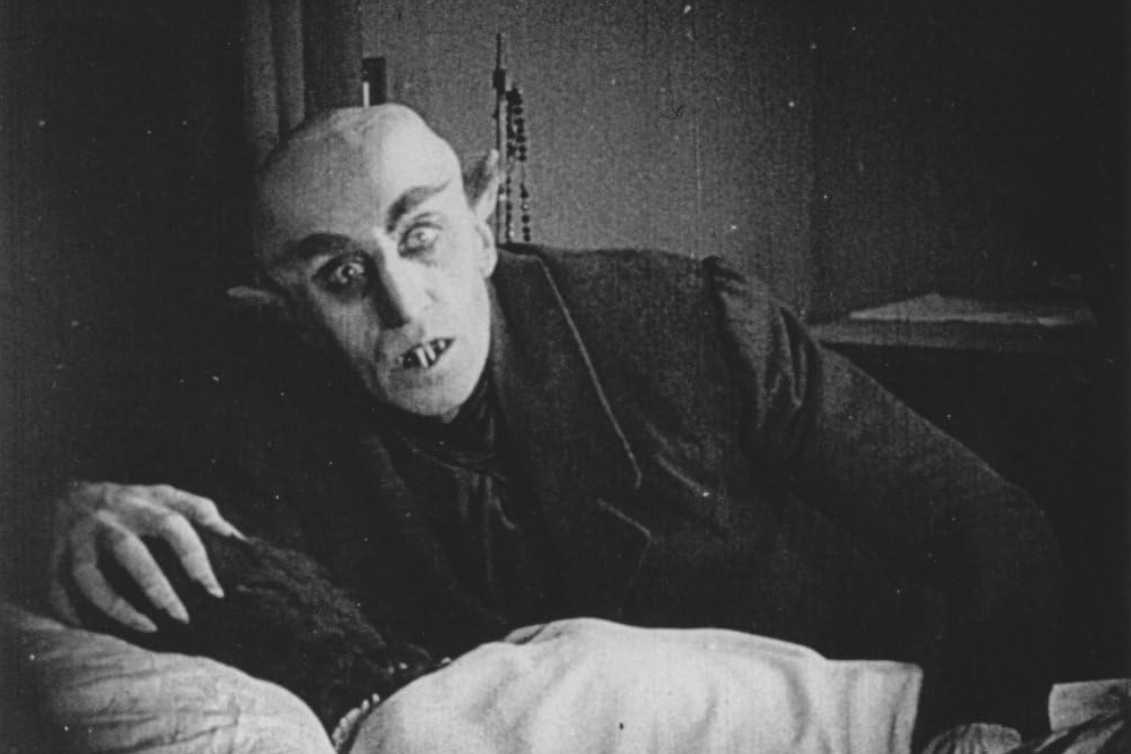
Despite not being the first film to depict a vampire (or even the first film adaptation of Dracula), F.W. Murnau’s 1922 film Nosferatu: A Symphony of Horror is undeniably one of the most influential depictions of the vampire in pop culture. The film, an unauthorised adaptation of Dracula which changed some elements of the book but retained most of the plot, depicted Stoker’s vampire as something hideous and horrifying. However, this was later juxtaposed by the authorised Dracula film adaptation that came 9 years later, starring Bela Lugosi. Lugosi’s Count Dracula could not have been further from Nosferatu’s Count Orlok; where Nosferatu presented a terrifying monster, Dracula gave us the charming European nobleman that became the archetypal vampire. However, out of the two films, it was Nosferatu that stayed truer to Stoker’s novel, which described Count Dracula as physically repulsive. Therefore, it was the 1931 Dracula that marked the beginning of a cultural shift in perceptions of the vampire, from a monstrous Other to something more human.
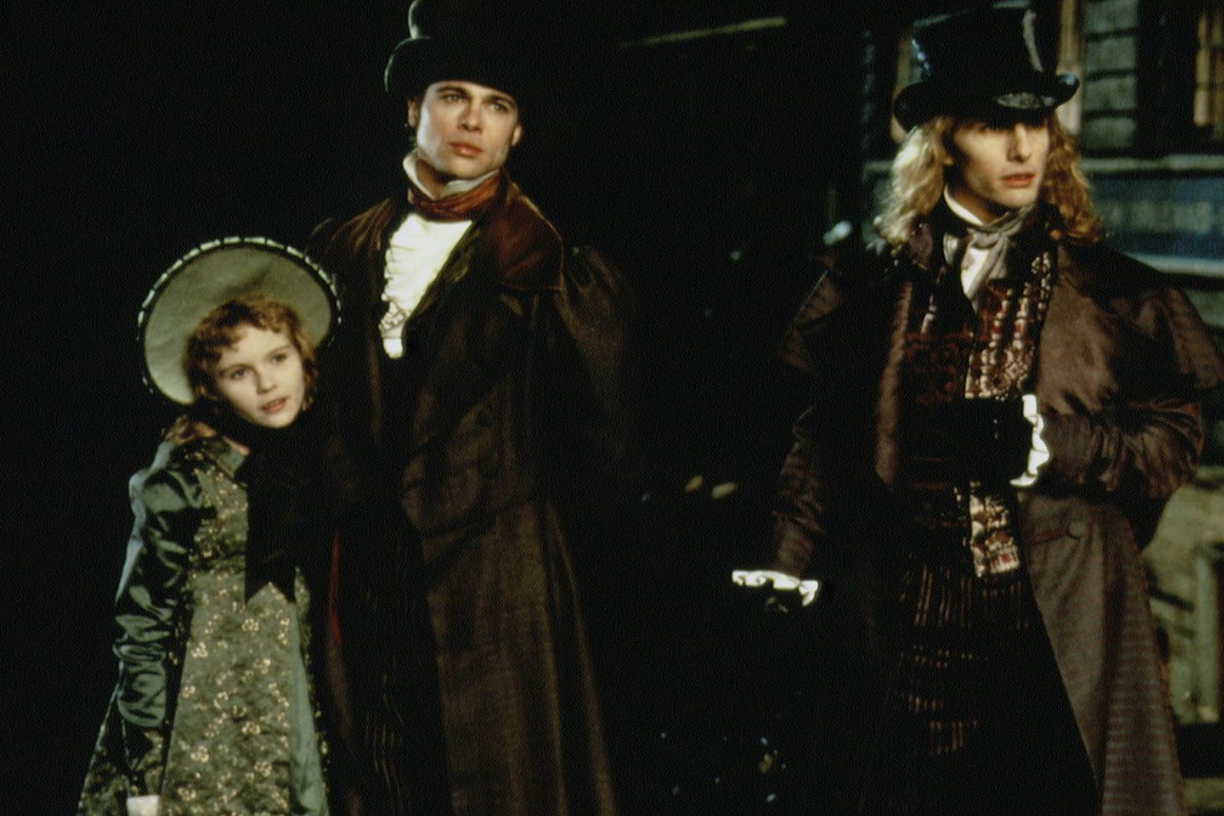
This trend only continued as time went on. The 1960s saw the release of the TV show Dark Shadows (1966), which was one of the first pieces of media to present the vampire as an antihero that audiences could empathise with. With the 1970s came Anne Rice’s Vampire Chronicles (1976) novel series, which further humanised its subjects and subverted the tropes of vampire media. In the 1990s, there was a boom in vampire-related media (likely due to the rise of the goth subculture in the 80s), such as Buffy the Vampire Slayer (1997), Interview with the Vampire (a 1994 film adaptation of Anne Rice’s novel of the same name), and Francis Ford Coppola’s Dracula (1992). All of these reflected the cultural shift away from portraying the vampire as a monstrous Other, and towards humanising it. Buffy introduced the character of Angel, a vampire tormented by guilt, Interview with the Vampire delved into the themes of Rice’s novels, and Coppola’s Dracula changed details of the novel that racialised Dracula. Furthermore, after the 1990s had humanised the vampire, the 2000s and 2010s introduced a version of the vampire into the zeitgeist that was not only largely harmless, but desirable. The success of Stephanie Meyer's Twilight saga and its film adaptations began a frenzy of teen romance media starring vampires and other supernatural entities as love interests.
So, where does this history of vampires in media leave us today? Overall, it seems that as society has become more tolerant towards people previously ostracised, the vampire has changed from bogeyman to harmless stock character. Although the vampire does still undoubtedly have a place in horror, with films such as Sinners and Robert Eggers’ Nosferatu (2024) coming out within the last year to critical acclaim, these films still tend to subvert the vampire’s original conservative connotations. Eggers’ Nosferatu, for example, reframes the 1922 film to have more of a focus on the female protagonist’s perspective, while Sinners uses the tropes of the vampire movie to discuss themes of race and belonging. AMC’s Interview with the Vampire TV (2022) adaptation explores the queer subtext present in classic portrayals of vampires by introducing explicitly LGBT+ characters, while films such as What We Do in the Shadows (2014) and Hotel Transylvania (2012) play classic vampire tropes for laughs. What was once the embodiment of everything that society was taught to fear is now the subject of comedy mockumentaries and children’s films, demonstrating that the cultural anxieties of the past are now toothless. Or, perhaps more appropriately, fangless.
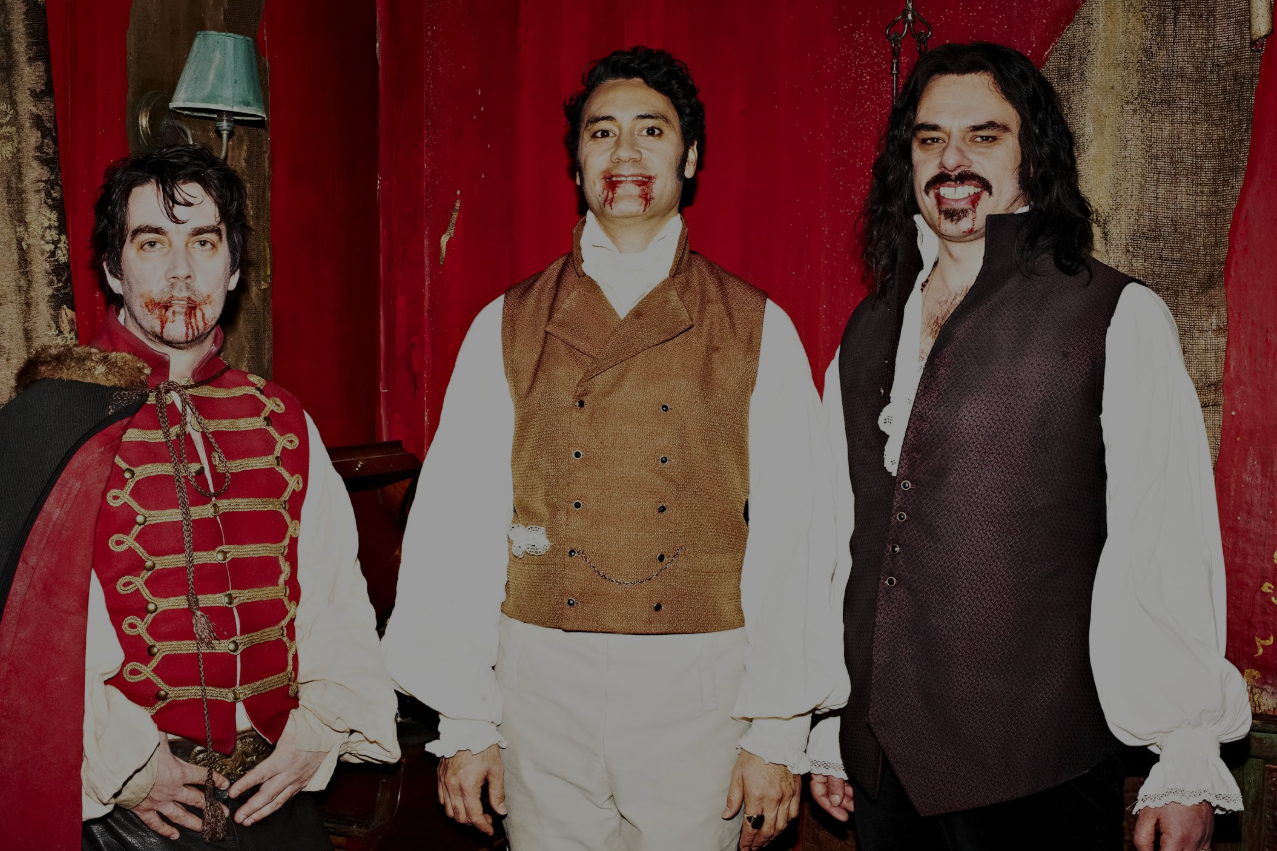
Featured Image: IMDb
Do you think the vampire will continue to live on in pop culture?