By Sebastian McGrath, Fourth Year, Spanish and German
A fortnight in Paraguay left me reconsidering patriotism and its distinction from nationalism. Like parts of the UK, lampposts and houses are lined with flags; yet, while it seemed a celebration of national unity in Paraguay, there exists a darker undercurrent to the recent ubiquity of the St George’s flag. I set out to reflect on how visual language can represent a nation’s identity, because, like many students living in a city as diverse as Bristol, I feel it is up to us to reclaim pride in our country as something joyful, inclusive, and hopeful.
Though my travels around Paraguay lasted just two weeks, I feel a great fondness for this tremendously welcoming, modest, and often overlooked Latin American country. It was among the most different places to the UK that I’ve visited, and I certainly expected to be struck by the contrasts upon my return to London. What I didn’t anticipate was the sense of shame I felt when confronted with the barrage of flags adorning every lamppost between Heathrow and my house.
'the Brits could learn a thing or two from Paraguay when it comes to uniting behind their flag'
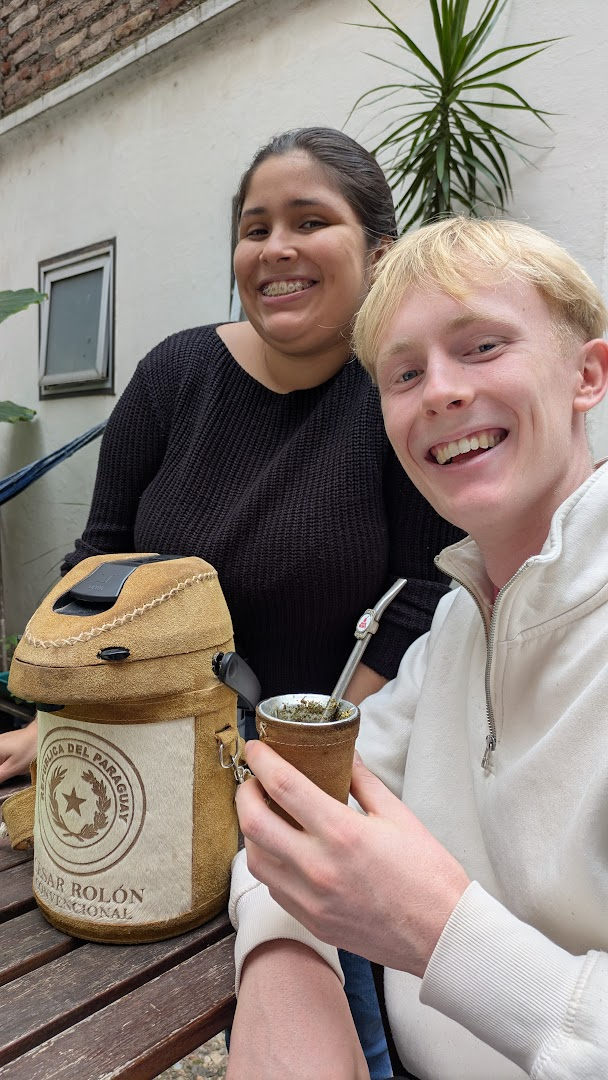
I recalled the taxi ride between the airport and my hostel in Paraguay’s capital, Asunción. The driver, explaining the exciting rarity of meeting a gringo (non-Latino), quizzed me about my hometown and eagerly pointed out monuments and markets that give Asunción its authentic charm that makes it unique in a continent otherwise full of backpackers. Café workers welcomed me gleefully, proudly showcasing the country’s bilingualism in the indigenous language, Guaraní, and the colonial Spanish. Within half an hour, I had tried chipa, the traditional cheesy bread roll, and had been invited to a karaoke evening, where I sang and danced to traditional folkloric music with the locals.
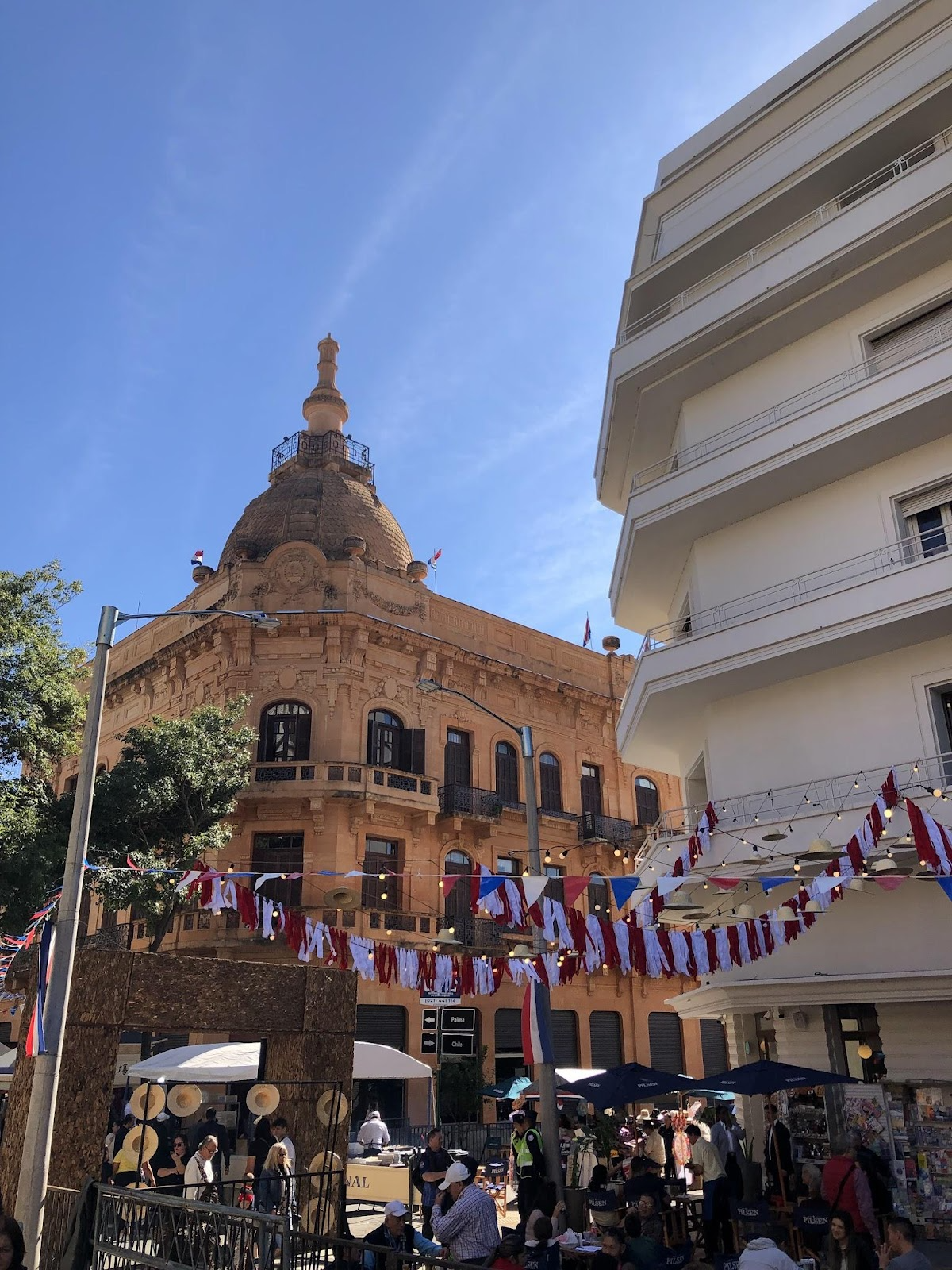
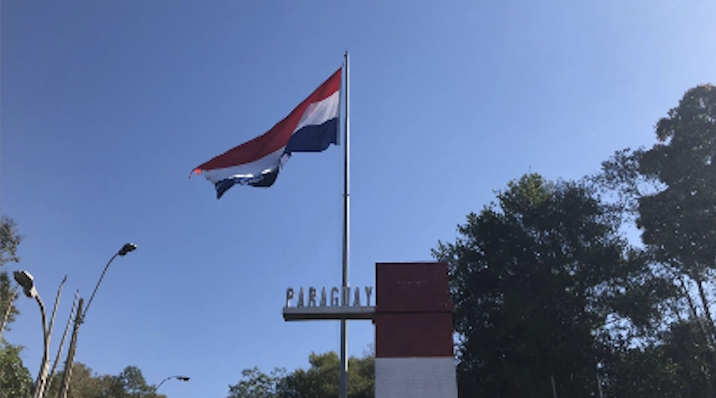
Meandering through the sunny, relaxed streets of Asunción, it was difficult to ignore both the size and omnipresence of the flags. Yet they afforded me a sense of belonging: I felt encouraged to integrate, to befriend locals, to take part in cultural idiosyncrasies like drinking tereré, an iced herbal tea declared a part of the nation’s intangible cultural heritage, according to UNESCO. After two weeks of chatting with locals, I felt I knew enough to pass a citizenship test. So why is it that the flags in my overwhelmingly white-populated village feel intimidating? They come at a febrile point for the UK, with the divisive Reform Party topping the voting polls, and it is hard to believe claims from self-styled agitators such as Tommy Robinson that it is purely a display of patriotism.
I was puzzled by how, in one country, a forest of flags could spark such enthusiasm in me to assimilate myself, and in another, could evoke fear and embarrassment. I believe it to be a combination of the timing of this tide of identity-craze, and the historically jingoistic use of the England flag. We see our high streets blanketed by the England flag during international football events, through St George’s Day, Victory in Europe Day, and a sprinkling of other occasions throughout the year. It is a pleasant reminder of what it is to be English, but, at their core, these occasions reflect the 'us versus them' attitude once necessary in wartime and sporting rivalry.
The flag, outside of these times, therefore connotes a certain arrogance and defensiveness, not a celebration, that muddies the line between nationalism and patriotism. Civic buildings and educational systems tend to distance themselves from our flag, since what it represents varies so hugely depending on who you ask. Meanwhile, in Paraguay, the flag is used to unite all those who identify as Paraguayan. Largely, it is the St George’s flag’s deep-rooted association with the National Front and, more recently, the English Defence League, that weaponises and politicises something that should make us feel proud to represent a country so innovative and prominent on the world stage. It is the go-to for the expression of disillusionment with the same practice that moulded our British identity: multiculturalism.
In fact, this is something that Paraguay lacks, and it is reflected in its limited variety in food options, something we take for granted and that I missed during my time in South America in general (I didn’t claim the country was perfect!). British cuisine is often the subject of ridicule, but really, all the best of the world’s cuisine is on offer thanks to our diverse population. This is just one of many benefits of having a country that welcomes throngs of immigrants from across the globe each year.
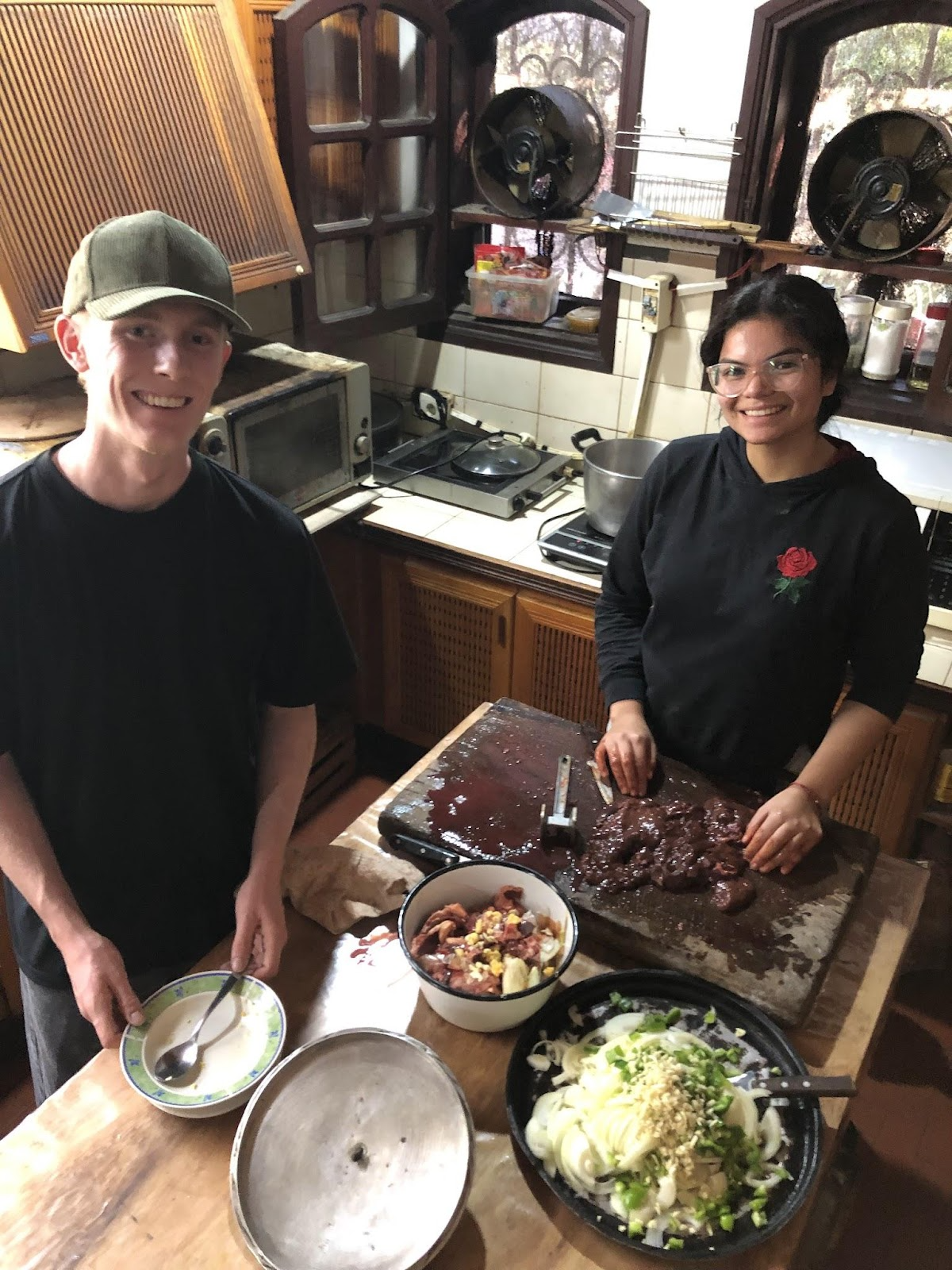
I find politics a difficult topic to navigate in a foreign country because everyone has a different opinion, yet all will reassure you that theirs is the only one worth listening to. A desire to find the truth led to an animated discussion over an asado and Fernet (a typical barbeque with the country’s drink of choice, a delicious digestif) on a remote farm that I volunteered at. The mood was joyous, as is always the case after an asado, and, our faces lit by the embers below the grill, the singing of parrots in the distance puncturing the otherwise still night, my new friends explained the corruption in their government in a saddeningly neutral tone, one that suggested they had never known any different. When pressed, they lamented how the distribution of jobs was based on loyalty to the ever-ruling Partido Colorado rather than merit.
What struck me was that the frustration was directed at the right group: at an incompetent and greedy elite that keeps roughly a quarter of the country below the poverty line. It is natural to want someone to blame, but here the hatred is geared towards the impoverished refugee, and not the tax-dodging multimillionaires. In their majority, migrants are young and of working age, meaning we spend less on their welfare than on our rapidly-increasing elderly population. On the other hand, owners of Thames Water, a mix of different foreign companies, left the company £14bn in debt while extracting half this in dividends and dumping sewage into our rivers and seas.
 Natalie Payne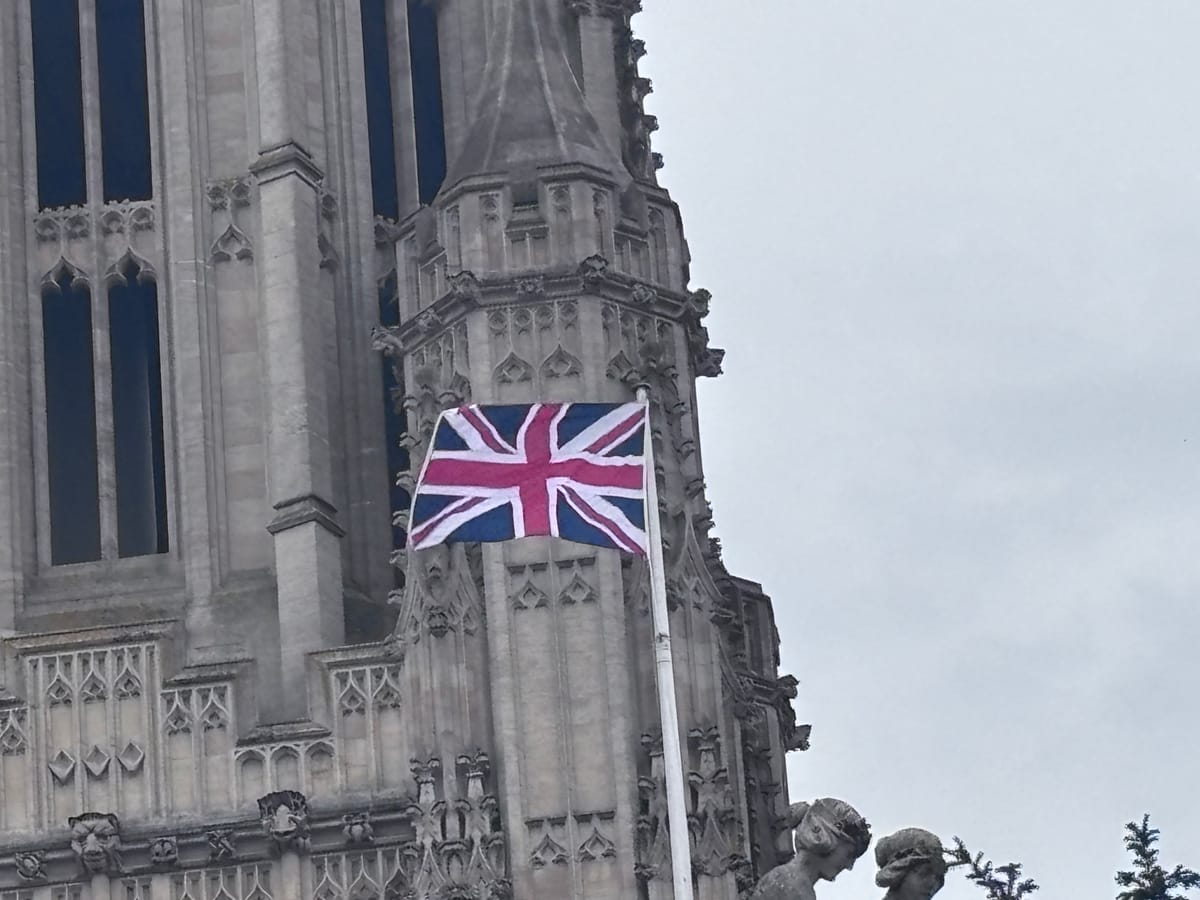
The British population is right to be distressed, but only once the right people are blamed will we be able to see our flag as one that represents the right values. Bristol is a city that champions diversity; as students, we’re in a unique position to question how national identity is represented, and to imagine something better. We don’t have to accept a version of pride that feels threatening or outdated. The UK and Paraguay are two wonderful countries divided by development and geography, yet united by mistreatment from the richest - the Brits could learn a thing or two from Paraguay when it comes to uniting behind their flag.
Featured Image: Epigram / Sebastian McGrath
What does the British flag mean to you?