
By Romina Treviño, Third Year, Liberal Arts
Everything I'd heard about One Battle After Another before watching it painted it as a counter culture film for our times that was brave enough to finally take a political stance against the rise of white supremacy and facism in the United States. A previous review for Epigram describes the film as radicalizing and celebrates its explicit political message.
Directed by Paul Thomas Anderson, One Battle After Another follows Leonardo DiCaprio as a washed up revolutionary forced back into combat when his daughter is pursued by a corrupt military officer. Upon watching it, I was left disappointed by a movie that was so focused on appearing aesthetically revolutionary that it forgot to actually make an actual ideological statement.
This lack of ideology and its negative effects on the narrative can be seen in how PTA presents immigrants. You are probably familiar with the yellow filter that has become shorthand for when a filmmaker wants the audience to know a scene is set in Mexico. Mexico sort of became the perfect storytelling device for 21st century American filmmakers, the way Russia or The Soviets served late 20th century filmmakers when they needed expendable villains. If you want a group of villains that can be gunned down by our leading man, you have the nondescript cartel. If you want our protagonist to escape the law or go undercover, you can always take them to the far away, lawless land of Mexico. Paul Thomas Anderson is politically aware enough to realise that the Mexican drug lords can’t be the villains in your film anymore. With Trump’s crackdown on immigration and the ever increasing violence on Latin American immigrants in America, it's finally becoming mainstream to perceive “villians” as the guys with the government issued guns and licenses to kidnap, assault or kill. While this perspective is anything but new, it's probably more present in the cultural zeitgeist than ever.
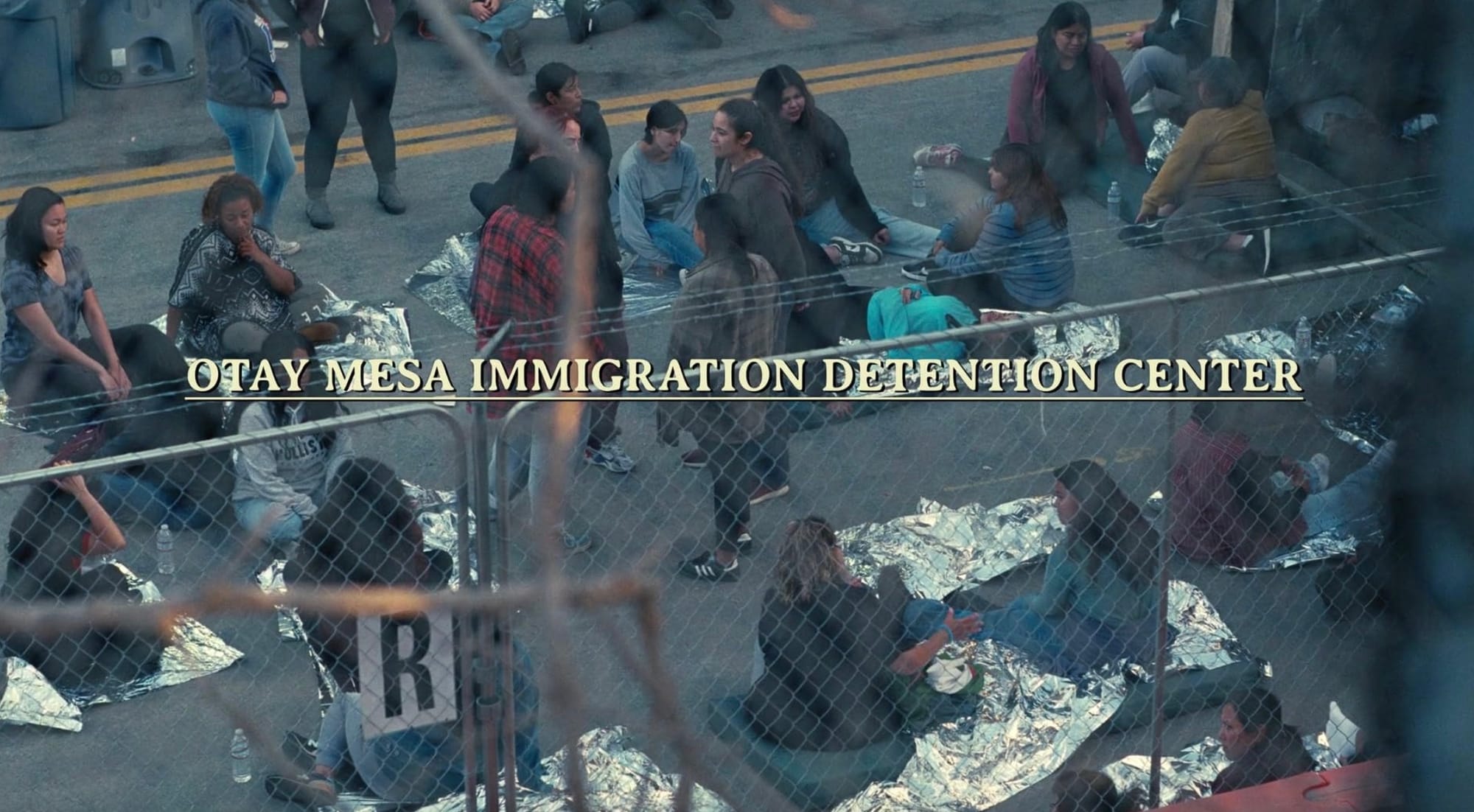
This makes it all the more disappointing when Paul Thomas Anderson turns the Mexican characters from bad guys to little more than set dressing. The nameless immigrants are lined up and carted around in order to provide a background for DiCaprio’s quest. PTA does give one of his immigrant characters a name and backstory, Benicio del Toro as Sergio St. Carlos, a Karatedo Sensei and the leader of the community of undocumented immigrants in the sanctuary city. Benicio del Toro’s wonderful performance is inevitably dulled by the fact that his entire narrative purpose is to propel DiCaprio on his quest. By the end of the film, we don’t get to find out what happens to the immigrants Sergio is protecting. I was left wondering if PTA thinks the revolution isn’t about these immigrants in the first place.
One Battle After Another won the golden globe for Best Motion Picture - Musical or Comedy. I’m pretty sure this movie is not a musical, which means the Hollywood Foreign Press Association views this as a comedy. The most obvious comedic aspects (apart from some of DiCaprio's lines and affect) is that of the Christmas Adventurers Club, a secret society of white supremacists. PTA portrays them as buffoons. A group of creepy old white guys controlling society from their underground bunkers. This feels utterly tone deaf in a time when white supremacy is no longer a fringe ideology.
Racism can affect how policing is performed, how the military spends its budget. Recently, evangelist influencer and prominent Turning Point USA speaker Bryce Crawford interviewed the National Director of Knights of the Klu Klux Klan. The video has over 300,000 views. Charlie Kirk, who often cited white supremacist talking points, has been lauded a hero by most prominent western political figures. White Supremacists don’t work as catch all villains in Hollywood movies in the way soviets or drug traffickers do, considering the storied history of institutional power held by racists in the American Government. By using the cooky Christmas Adventurers Club as a satire replacement of actual white supremacist, PTA is in danger of trivializing the ever more popular ideology. In one of the final scenes in the movie, the primary fascist white suprematist is gassed and then cremated. This felt like PTA wanting to be tongue and cheek but came off unbelievably tone deaf.
I’ve been mostly focused on my political critiques of the movie, however, I felt dissatisfied with many of the narrative and character choices as well. The movie begins by telling the story of Perfidia played by Teyana Taylor. She’s one of the supposed leaders of the revolution, yet she is reckless and adventurous. Most abhorrently, Perfidia is endlessly sexualised by the narrative and the camera itself. We watch her sexually humiliate a military officer (who actually really enjoys it, only further fetishizing her), the camera zooms in on her breasts and behind as we are forced to stare longingly at her along with the men who surround her. She’s more of a sexual fantasy than character. Her body is gazed upon, impregnated and then sent away so the movie can focus on more important things, like DiCaprio and whatever leading man stuff he has to do.
I don't have much to say about DiCaprio. He was a protagonist, he was disillusioned by life and the revolution. He did the protagonist's things: he saved the day and learned a lesson. He ended up laying on the same couch he started on, and the child he basically ignored for most of her life life ends up alright in the end, despite his terrible parenting. None of it felt very revolutionary or radical to me, none of it felt like the necessary response to the times we live in.
 Charles Hubbard
One Battle After Another is aesthetically radical, but lacks the substantive politics to answer the difficult questions like: Who is the revolution for? What does it demand? Instead, PTA opts for the more palatable narrative of a protagonist who, due to his race and gender, has no actual stakes in this revolution. His body isn't treated like a sexual object, he endangers marginalized innocents due to his recklessness. Still, the film is framed around him as he gazes upon those reckless radicals and their evil supremacist counterparts cynically, ever critical and detached, but lacking in any concrete ideology. Maybe I’m naive, but I think we can do better than that.
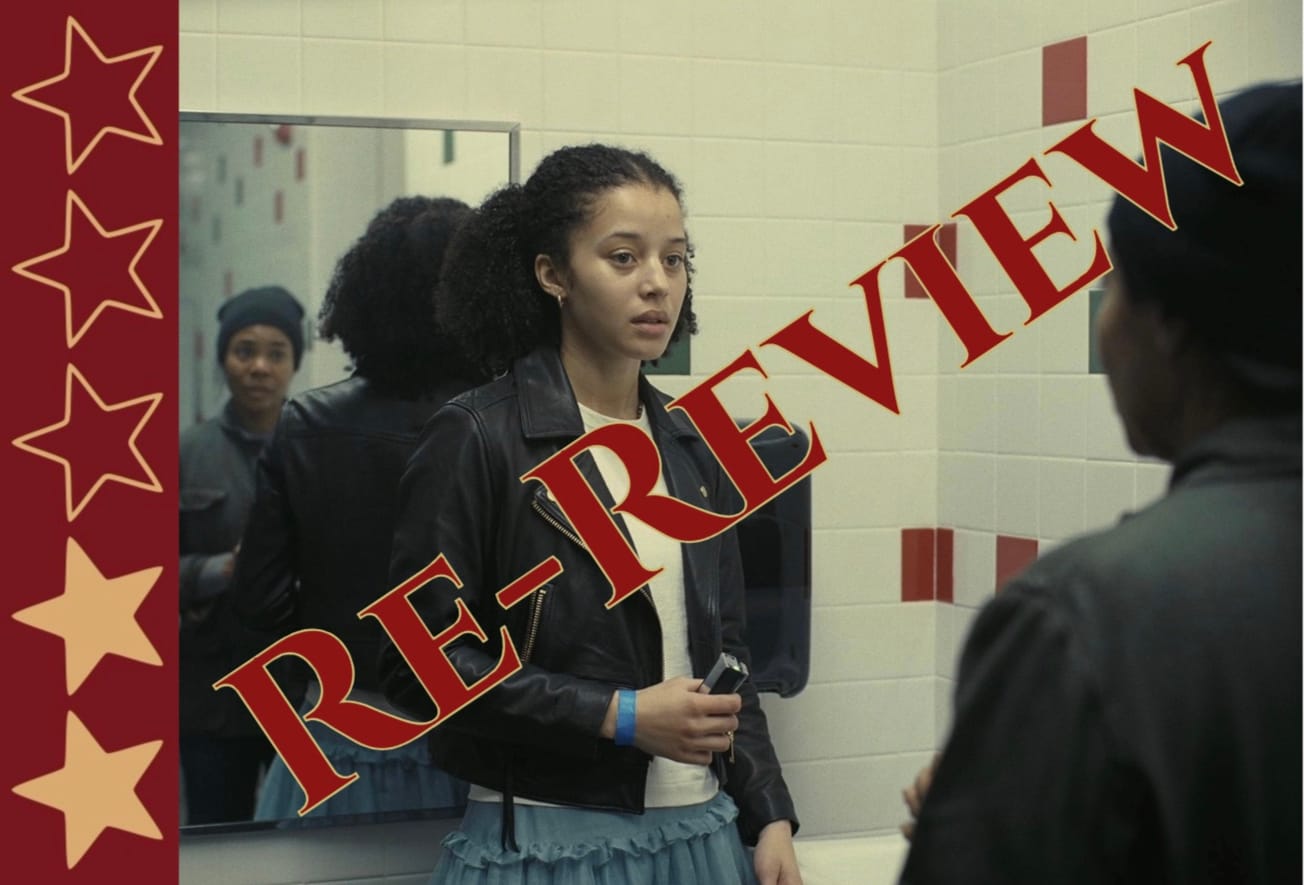
Featured Image: IMDb / One Battle After Another | Illustration by Epigram / Sophia Izwan
What did you think of One Battle After Another (and has your opinion now changed)?