By Katy Bright, Second Year, English
The concept of ‘social smoking’ is not something new. Whether it comes up in conversation with a friend, or in a serious discussion with your parents after seeing a lighter in the background of your Instagram story, ‘I only smoke socially’ is commonplace amongst students nowadays. PubMed Central defines social smoking as ‘one subset of nondaily smoking behavior’, of ‘smoking primarily in social contexts’. This article will explore why this way of identifying yourself happens so much in a city so full of students.
To smoke socially is to not be addicted to smoking, right? Often the label is assigned to people who do not smoke day to day, but who choose to when they are with their friends, have had a long day, or they’ve had a drink. When you’re going out every Wednesday and you see your friends after every lecture, these add up. To be a ‘social smoker’ is to not take on the burden of addiction. You do not need to quit smoking or find alternatives to stop you doing it as much, since you are not a ‘smoker’. Dimitra Kale, in a cross-sectional study of the social smoker identity across England, identifies that ‘despite being associated with lower dependence, greater motivation to quit and more quit attempts, social smoking identity is not associated with greater quit success.’ There is often a misconception that social smoking is a habit you can easily break, that you will not get cravings since you are not dependent on nicotine. However, as studies such as the one above have proven, social smoking does not make it easier for you to quit the habit, and is in fact itself, addictive.
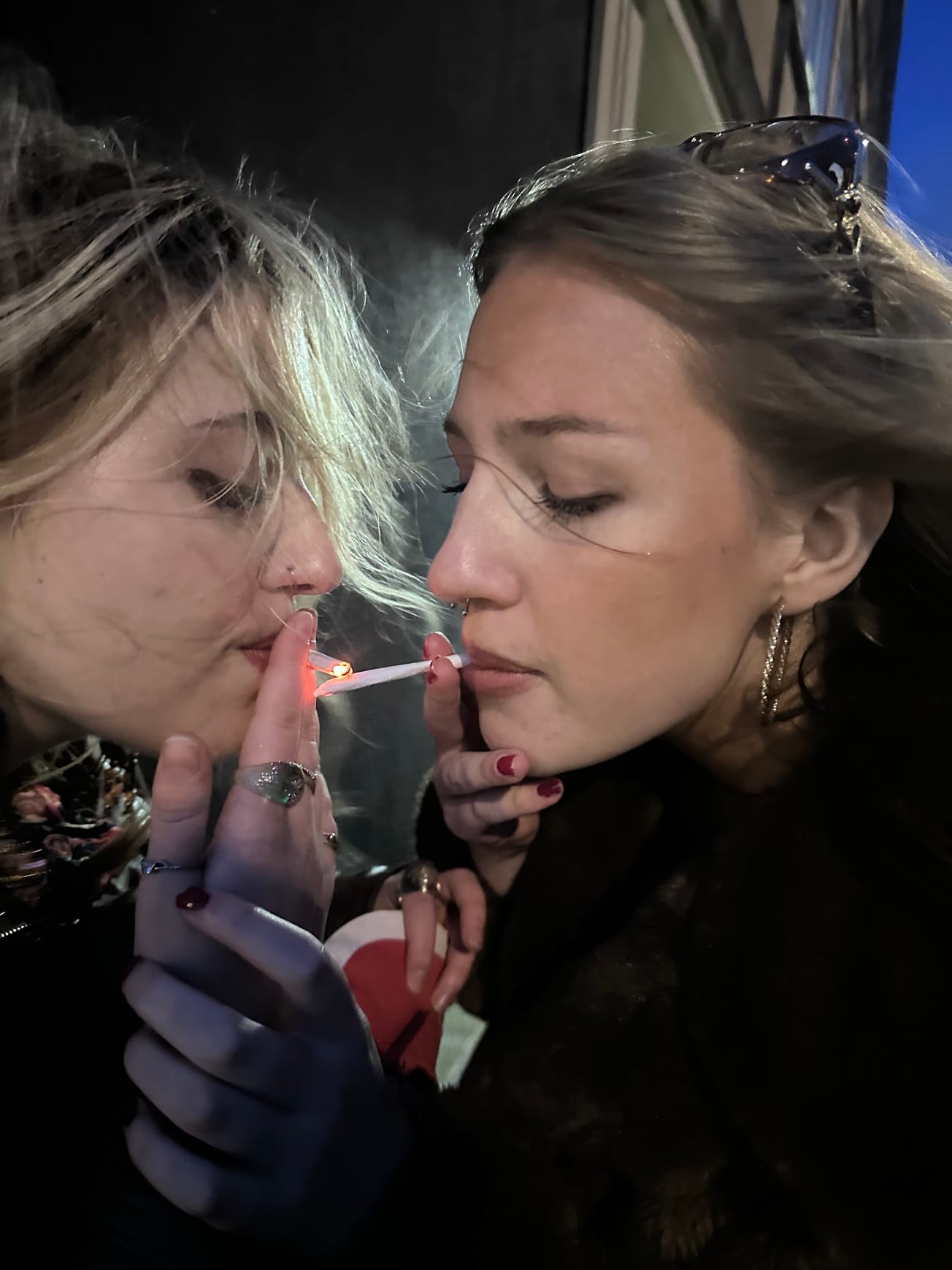
A smoking area is one of the rare places where its socially acceptable to approach a stranger and strike up a conversation by simply asking for a light.
There is certainly an aesthetic quality to smoking. The smoking area is glamorised. Think the toilets, where girls can gossip, say that someone’s outfit looks nice, or complain about their day, but a bit more appealing. Gender is mixed, you can get fresh air from a busy and sweaty pub or club, and you can talk without needing to rush for the next person in the queue to go into your cubicle. A smoking area is one of the rare places where its socially acceptable to approach a stranger and strike up a conversation by simply asking for a light. ‘Sorry, do you have a filter I could pinch’ often leads to ‘what year are you in?’ or ‘who are you out with tonight?’ For many, these random chats can be the staple part of a night out and a perfect way to meet new people. Besides, many students joke that when you have a toke of a cigarette when you are drunk, it wasn’t really you taking the cigarette. You hold no accountability for it, it was just something your drunk self encouraged you to do, so it really isn’t ‘that bad.’
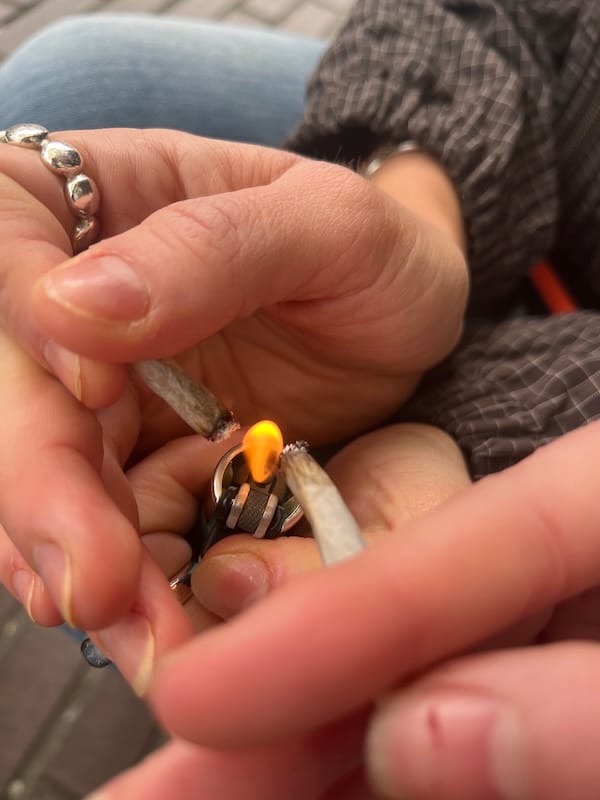
The social aspect of smoking makes it seem much more of a favourable way to consume nicotine over the other, and potentially safer, alternatives. Snus, vapes, nicotine gum are often used, but they do not have the same appeal as lighting a cigarette. Often, these alternatives are passive, indoor activities which can be done subtly and go completely unnoticed. You can’t ignore someone lighting a cigarette, and maybe that is what drives people to do it. If you want to fit in with a crowd in the smoking area, and don’t want to get pushed away, popping in a snus just doesn’t have the same effect.
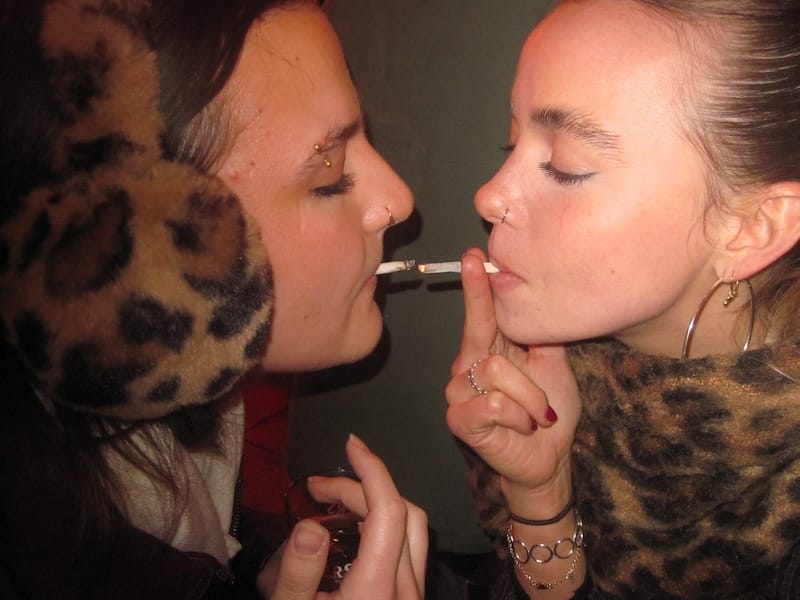
But why is this? Many studies have shown that there is a noticeable link between media and the consumption of cigarettes by so-called ‘social smokers’. Beatriz Ribeiro, discussing the return of smoking in our modern day culture, refers to these studies which show that ‘the number of smoking scenes in popular streaming content has increased over the past few years[…]In some titles, visual depictions of cigarettes doubled compared to earlier seasons.’ For example, Stranger Things, widely cited as one of the top TV shows fuelling this problem, contained ‘182 instances’ of smoking in the first season alone. Statistics by Truth Initiative reveal that 79% of the shows which are most popular with audiences aged 15-24 prominently depict smoking. Beyond TV and movies, Ribeiro also places the blame on ‘short-form platforms, such as Tiktok’, where edits and aesthetic content depict cigarettes without any warnings or restrictions. Smoking remains trendy. When you go abroad or to a vintage shop, there is often a stand of vintage lighters, these are deemed cool - why wouldn’t you pick one up to commemorate your travels or show to your friends? Vivienne Westwood lighters, or even belts with lighter buckles are fashionable, as are Vogue cigarettes and flash camera photos of lighting one in the dark. For Bristol students specifically, the online stereotypical craze of ‘rah, where’s my baccy?’ and the popularity of the controversial E4’s ‘Skins’, are examples of popular culture that make smoking hard to ignore. Beyond nicotine, cigarettes become a performative accessory to represent the type of ‘vibe’ you are going for.
 Megan Roberts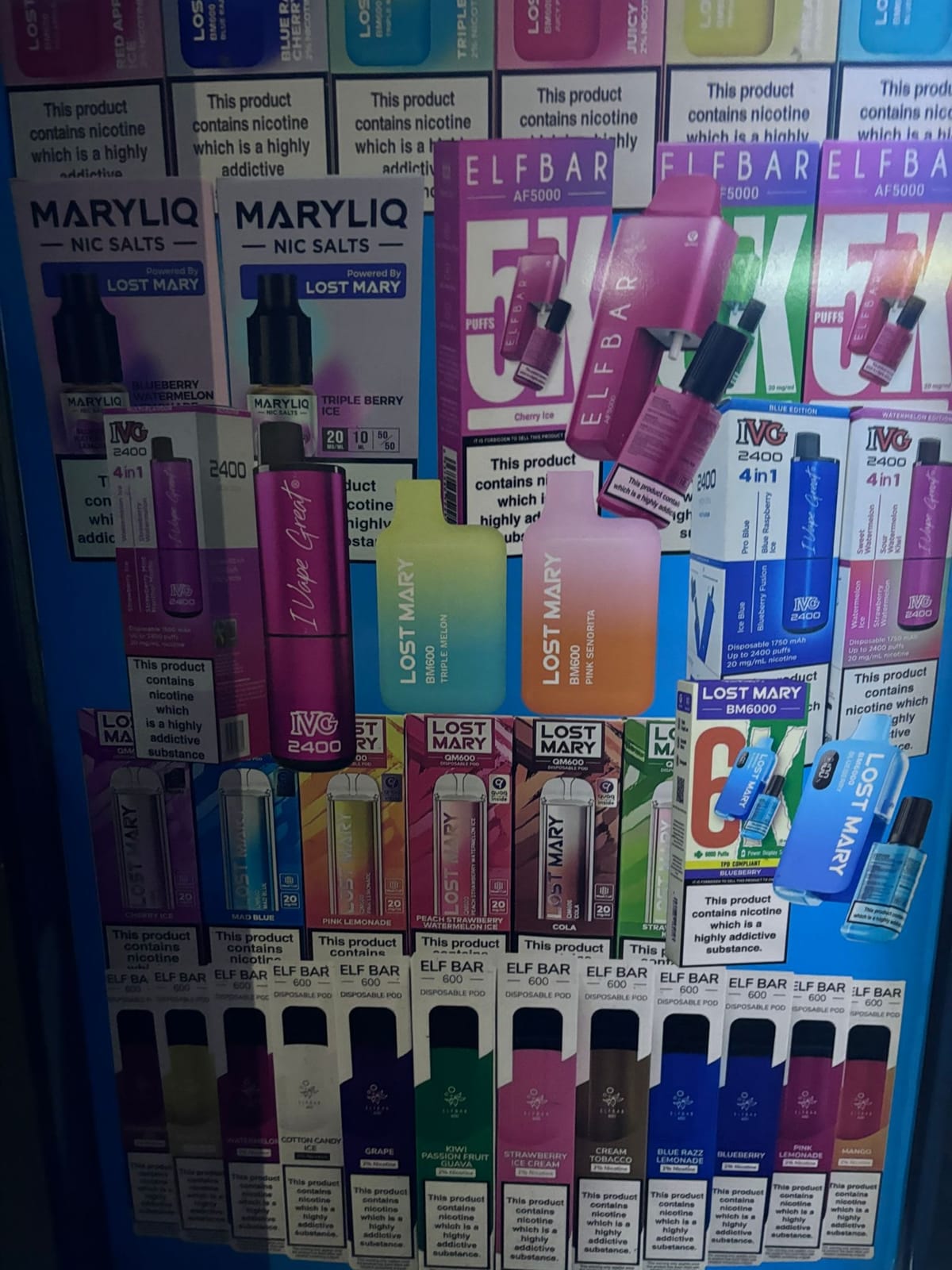
 Juliette Paoli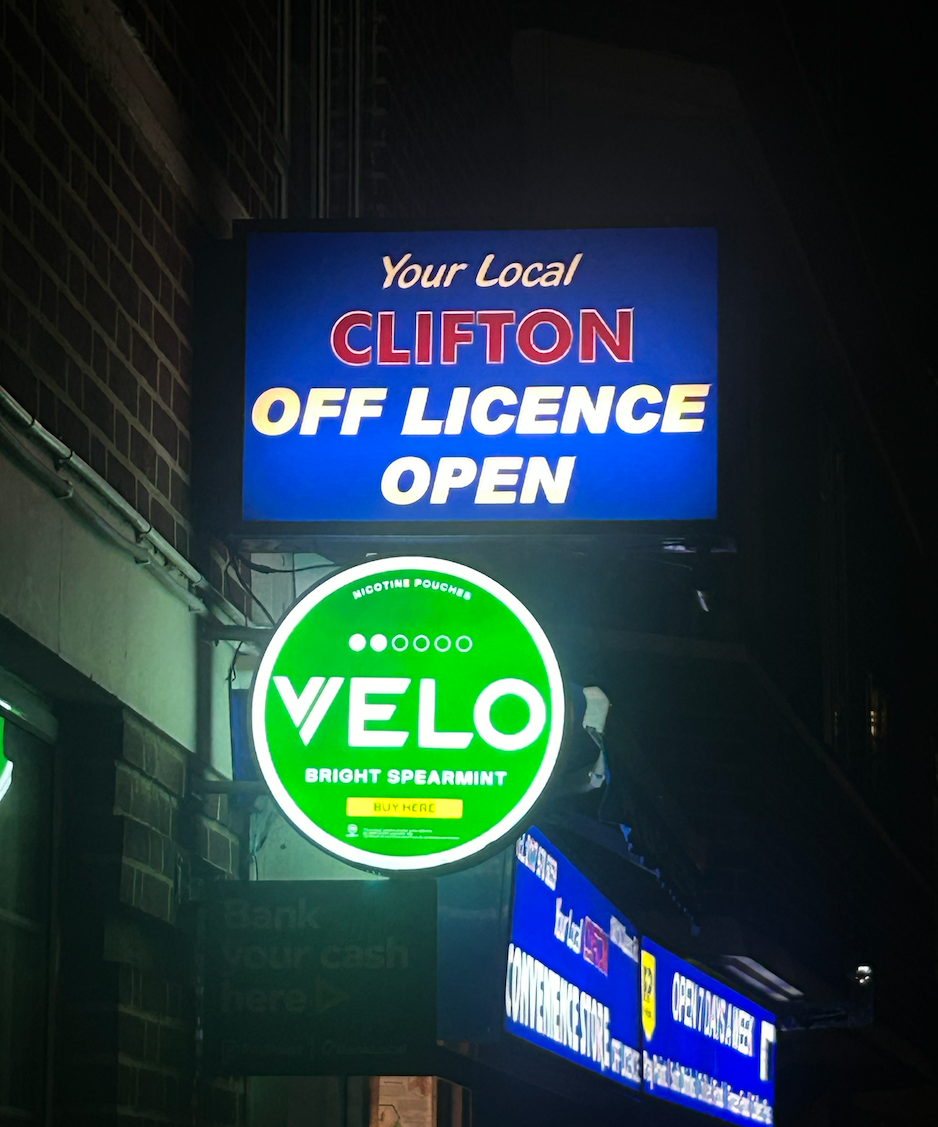
Epigram interviewed two University of Bristol second year students, both with different views on social smoking. One student told Epigram: ‘I can vape all the time. I can’t smoke all the time. If you ask a drunk person for a cigarette, nine times out of ten they will give it to you. Why would I not?’ Another, who does not see the appeal of social smoking, said: ‘I think it's gross. I don’t vape, but I’d rather smell of fizzy cherries than of tobacco.’
Social smoking is certainly not disappearing, but maybe it is losing its power. ‘Skins’ seems outdated, and Bristol seems surrounded with protein-boosted matchas, weekly run clubs and matching gym sets, locking in for the new year, becoming ‘that girl’. But then again, as the sun comes out, pub gardens start to fill up and a midday cigarette is hard to resist it seems. Social smoking is changing, but I am positive it is not disappearing.
Featured Image: Epigram / Anna Dodd
Have you been tempted to partake in social smoking?