By Megan Oberholzer, Fourth Year, Liberal Arts
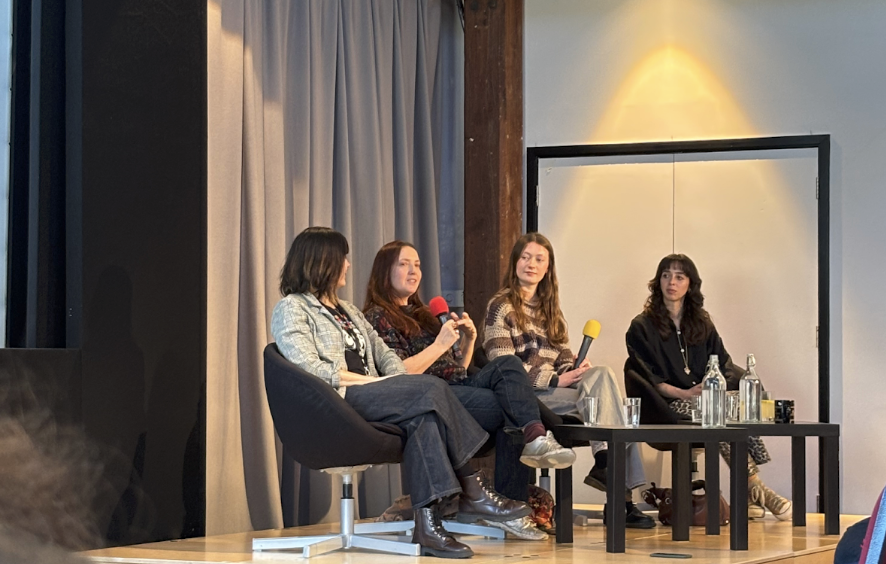
Earlier this month the University of the West of England hosted Stephen Page, the Non-Executive Chair of Faber & Faber, at the Watershed in its latest instalment of the Bristol Distinguished Address Series (BDAS). On Thursday the 6th of November, Stephen Page in conversation with the host Lynn Barlow, discussed the changing nature of publishing while shining a light on leadership, creativity and the technical advancements reshaping the creative industries.
Arts and Humanities students often struggle to find opportunities on offer in the creative industries, but for those looking for insight into key industries, the BDAS events and many others like it in Bristol give valuable insights into industry and offer important career advice.When I asked Stephen for the key ideas of last week’s BDAS event, he explained there were two main questions. ‘Where are the creative industries at? And what might be changing or what might need changing?’
This follows on from his experience on the Creative Industries Council, serving in an advisory role to develop the government growth strategy for the creative industries, and the Creative Growth Task Force. Stephen said, ‘Most people don’t know what is in [this] sector’s vision’ and highlighted that ‘there is lots to understand for people who step towards the creative industries.’
‘Getting in is the key step...once you’re in the network, you can navigate it.’
He continued, ‘many people think the creative sector is for a particular person.’ This is usually limited to creatives, like performers, actors, writers and even producers. ‘But the industry has an increasing number of jobs for people with other skills.’ You might see on new job listings by major and indie publishers alike hiring not just for editorial vacancies but also legal, marketing, sales, administration, PR and much more. Stephen offers the advice to stay ‘open minded and open-eyed’ and not to be too prescriptive. ‘Getting in is the key step...once you’re in the network, you can navigate it.’ He himself began his career in bookselling and found that this experience was important for his future in publishing. ‘Work anywhere. It is all worth it.’
A key aspect of the BDAS event was to address ‘technical advancements’ affecting the industry, a kind rephrasing of the topical boogieman of artificial intelligence. What Stephen had to say on this was only, ‘the history of publishing is one of technical advancement, and it continues to be...while it can bring change and threat, it is often overstated. He acknowledged that technical advancements for publishers have always created new opportunities, look at the introduction of Kindles and digital books - they did not destroy the physical book but in many ways increased demand for them.
I also asked Stephen for insight into the key differences between indie publishers like Faber & Faber and corporate publishers like HarperCollins. ‘You will find similarly vocational, intelligent, serious and hungry professionals in both indie and corporate publishing houses.’ The difference in community lies in the more siloed nature of corporate publishing houses versus the smaller more integrated teams at indie houses, where everyone is ‘in each other's pockets’ and things feel a little more ‘plucky and heroic.’
 Hana Sakurai Wernham
 Maximillian Burnos
When it comes to corporate publishing in the industry, it’s all about power and resources. ‘Can we afford it?’ is rarely the question, but rather ‘should we?’ Although corporate publishing has great power in the market, organisations like the Independent Alliance founded in 2005 by Faber & Faber work to secure independent publishing access. Indie publishers typically specialise in genre, offering a ‘particular flavour’, whilst corporate ones publish seemingly everything. Stephen also acknowledged that sometimes the books publishing professionals work on don’t always reflect their values. This is in many ways the reality of working in publishing. But indie publishers are smaller which makes it ‘easier to see what they publish and whether or not you’re comfortable.’ Which bears keeping in mind for aspiring professionals.
For students looking to break into publishing, the desire to break in alone is already half of the way there. Whether your goal is to join local indie publishers, publishing giants or another creative industry, BDAS events and industry talks like it, including the University of Bristol’s Autumn Art Lecture series and the Watershred’s Lunch Time Talks, are a great way to get started and learn how to break in. It does not matter where you land, just ‘get in’.
Featured Image: Epigram / Anna Dodd
Have you considered a career in publishing?