By Eleanor Bate, Deputy Film & TV Editor
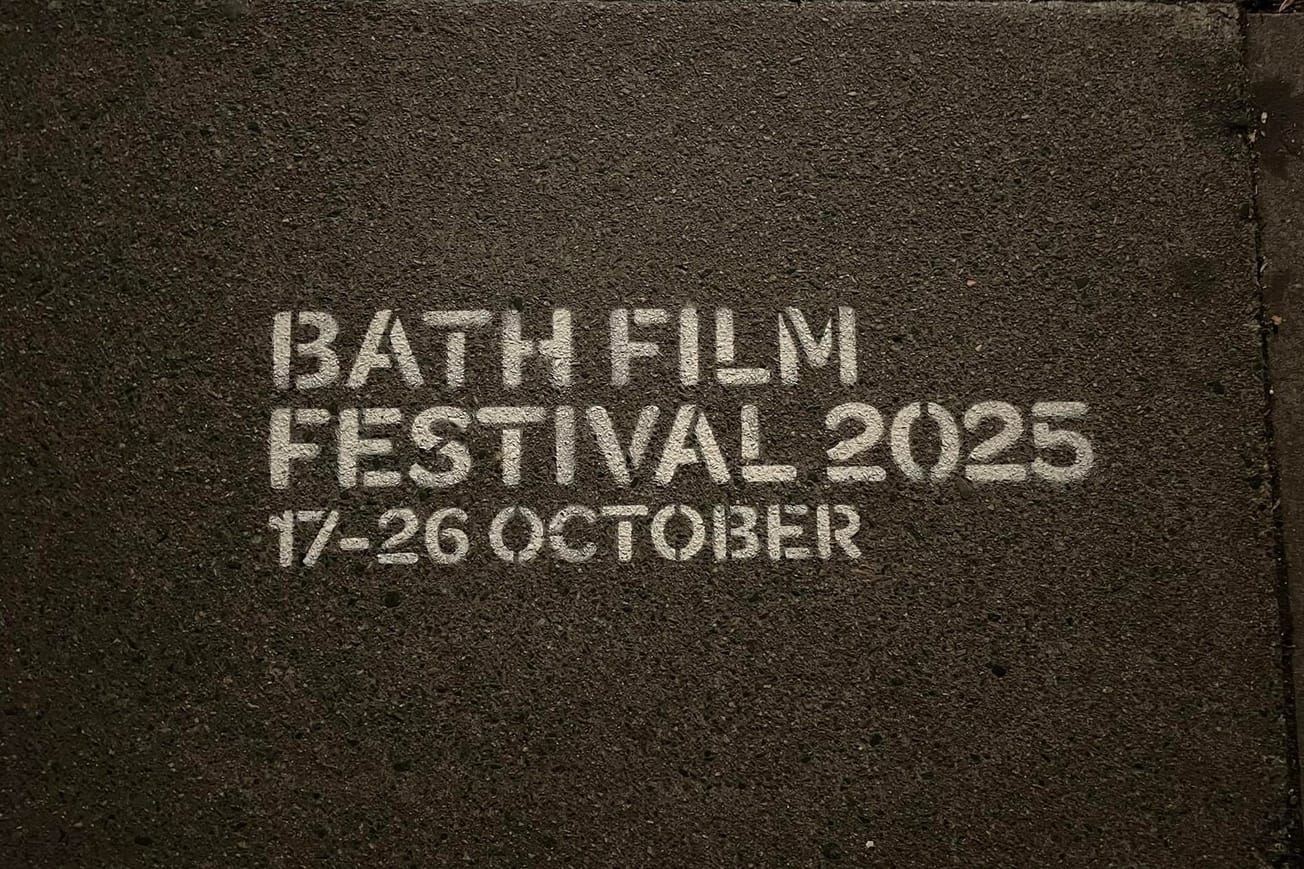
Epigram had the pleasure of attending five events at this year’s Bath Film Festival: a The Invisible Woman (2013) Q&A with Ralph Fiennes, alongside exclusive screenings of Rental Family (2025), Life After (2025), Springsteen: Deliver Me from Nowhere (2025), and Sentimental Value (2025). Over the next few days, our writers will share their reactions from across the festival — but for now, I’m diving into my own experience, from Fiennes’ captivating post-screening discussion to the familiar riffs of Springsteen and the aching intimacy of Sentimental Value.
The Invisible Woman (2013) + Q&A with Ralph Fiennes:
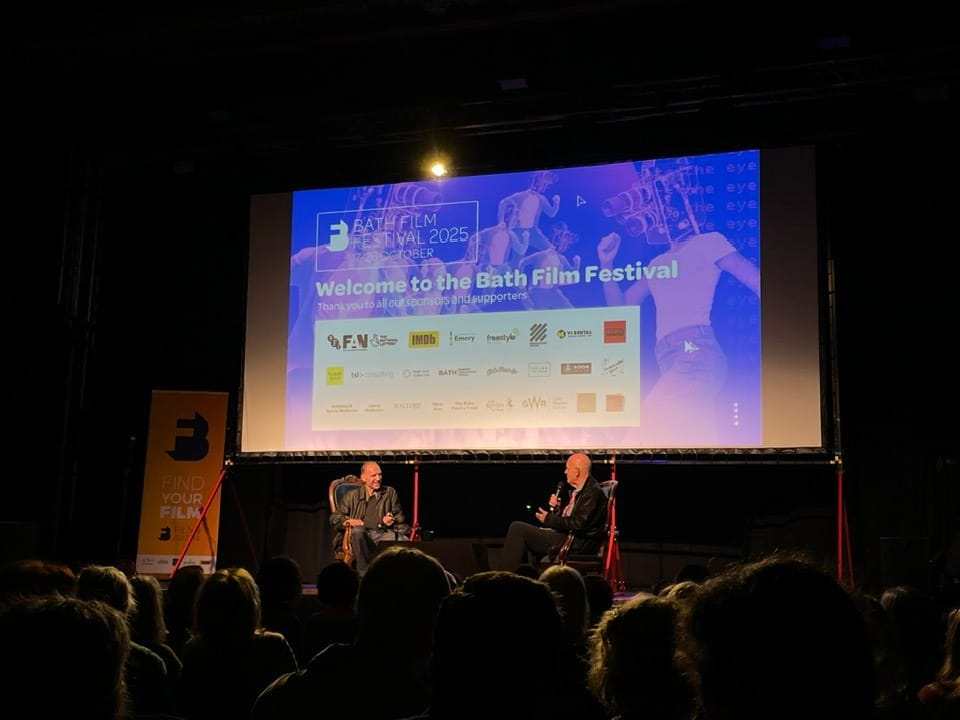
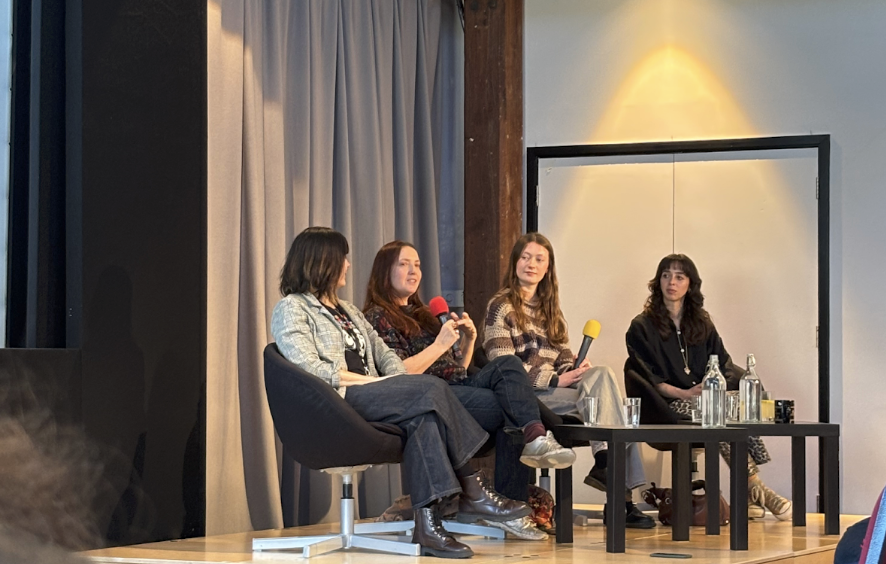
Ralph Fiennes, best known for his show-stopping performances in Schindler’s List (1993), the Harry Potter series (2005–2011), and more recent favourites like The Grand Budapest Hotel (2014) and Conclave (2024), joined Bath Film Festival Creative Director Philip Raby for a post-The Invisible Woman Q&A on the festival’s opening night, held at Komedia on Friday 17th October. As one of Britain’s most celebrated actors, both on screen and on stage, Fiennes drew a packed audience and palpable excitement. Personally, I had been eyeing this event since it was first announced — determined to be in the room with a legend and soak in his brilliance.
First, a brief introduction led into a screening of The Invisible Woman (2013), a period drama exploring the scandal surrounding a married, fame-stricken Charles Dickens and his secret relationship with teenage stage actress Nelly Ternan. Both directed by and starring Ralph Fiennes, the film unveils an often-overlooked chapter of the great writer’s life, and the woman who became his hidden muse.
The film itself is deliberately restrained in tone, Fiennes clarified, which may have put off general audiences and contributed to its modest box office performance. It focuses on the inward lives of Dickens and Ternan, avoiding unnecessary embellishment or, as Fiennes put it, ‘zhuzing up’, an approach that makes the story feel understated, though not necessarily to the film’s detriment. Fiennes explained that his intent, both as actor and director, was to centre Nelly’s story. He expressed a wish that more attention had been given to how she built a life separate from Dickens after the affair, while emphasising that he did not intend to judge Dickens; audiences, he noted, would do that themselves. His role, he said, was to inhabit Dickens’ perspective while maintaining empathy for the young Nelly, a priority he repeated several times during the Q&A.
When asked whether he intentionally gravitates towards book-to-screen adaptations, since The Invisible Woman was based on Claire Tomalin’s 1990 biography of the same name, and many of his notable roles have also originated from literature or theatre, including Schindler’s List, Coriolanus (2011) , Great Expectations (2012), and The English Patient (1996), Fiennes admitted this was purely coincidental. In fact, he finds adaptations somewhat daunting, as they come with the pressure of pleasing existing fans who are quick to spot what filmmakers ‘get wrong.’ He spoke about the creative freedom that comes with working on material not bound to an established text or script — a space he recognises he has, perhaps unknowingly, found himself deeply connected to.
Fiennes spoke thoughtfully about his love of acting for the screen, explaining that ‘the camera sees into you.’ The eyes, he said, are 'the window to the soul,' so an actor’s 'inner life,' as he calls it, must be rich and full to create a convincing on-screen performance. Yet he leans forward in his chair and visibly lights up when the conversation turns to theatre. Having just completed a run at Bath’s Theatre Royal, where he directed and performed in a trio of plays (Grace Pervades, As You Like It, and Small Hotel) from June to October, Fiennes spoke passionately about the contrast between stage and screen. He described the difference in performance as vast, but noted that what matters most, in both acting and directing, is energy and silent understanding; it isn’t analytical, he said, but intuitive. What he loves most, in both mediums, is the collective process: the sense of family that forms among cast and crew alike.
When reflecting on his experiences as a director, on Coriolanus, The Invisible Woman, and The White Crow (2018), Fiennes spoke about being influenced by Steven Spielberg’s way of working. What struck him most was Spielberg’s ability to keep momentum and energy flowing on set, something Fiennes sees as the fuel for creativity and pivotal to any production. It’s an approach he’s tried to carry into his own work, even in small ways. While he loves collaborating with actors and shaping performances, Fiennes admitted he’s less drawn to the logistical side of directing: pitching, justifying ideas, securing funding, and managing production demands. Those challenges, he reflected, have made him more selective about taking on directing projects.
Hearing Fiennes speak with such candour about his craft was a rare privilege. His passion for story, performance, and the human connection behind both screen and stage made for an inspiring evening — a reminder of his effortless command across mediums, and of why he remains one of Britain’s finest. It was the perfect curtain-raiser for Bath Film Festival, setting a tone of curiosity and craft that resonated throughout the ten days of screenings.
Springsteen: Deliver Me from Nowhere (2025):
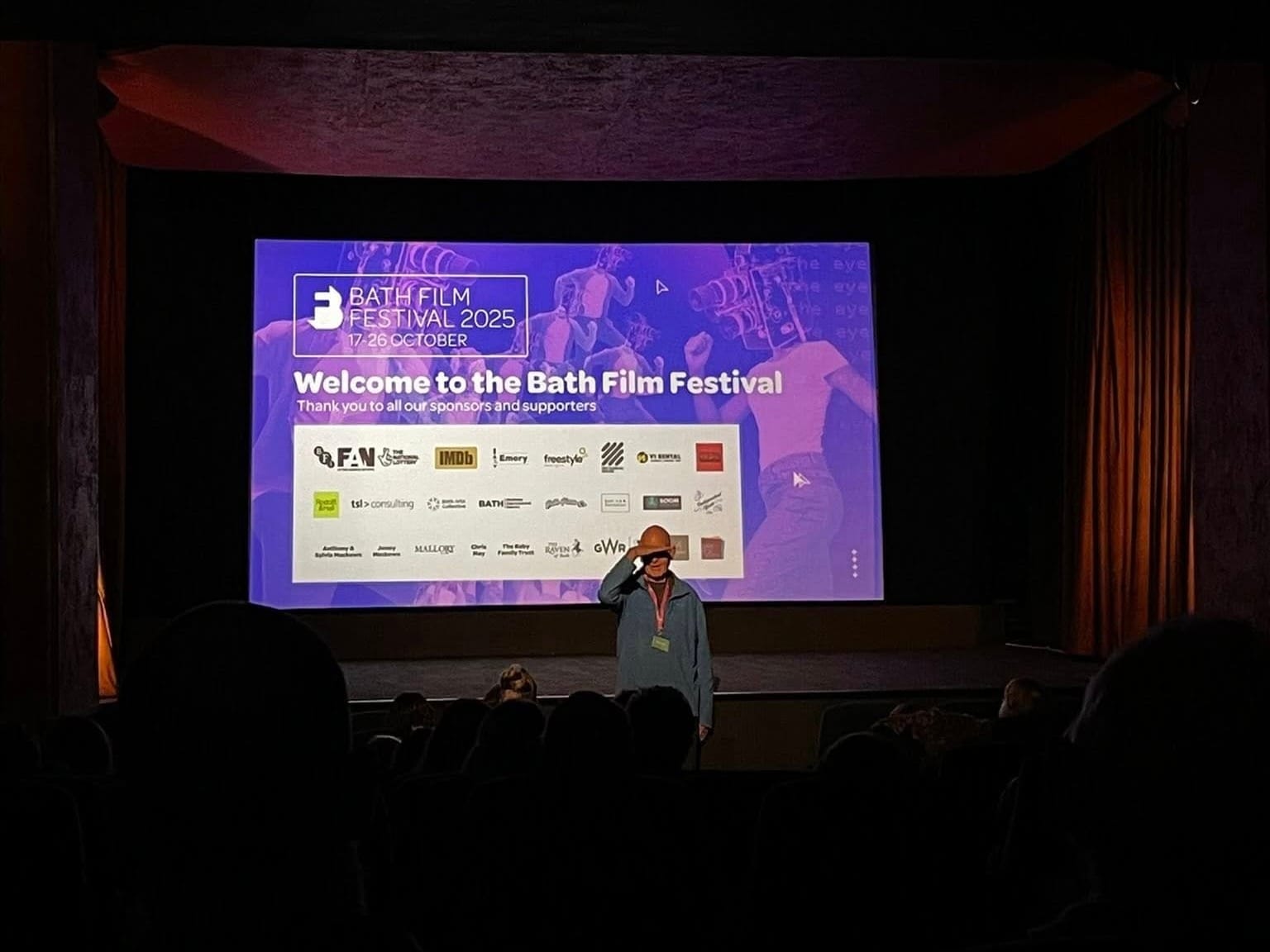
A plan-less Saturday night led me to book the next available screening — which happened to be the latest addition to the ever-expanding musical biopic stratosphere: Springsteen: Deliver Me from Nowhere (2025), held at Bath’s beloved indie gem, The Little Theatre. Scott Cooper’s feature follows musician Bruce Springsteen, played by The Bear’s breakout star and resident heartthrob Jeremy Allen White, as he grapples with rising fame, industry demands, and his own internal demons… it’s a familiar tune.
Whilst a well-acted and emotionally grounded watch, I have to say this didn’t attempt to reinvent a single prong on the wheel. SPOILER ALERT: brooding male Rockstar has a rough childhood, finds fame, meets a woman, treats her terribly, then reaches stardom. Attach the current white boy of the month and you’ve got a box office hit (hello A Complete Unknown (2024), Elvis (2022), Rocketman (2019)…). With The Beatles biopic on the way, it doesn’t seem like we’ll be getting a break from this formula anytime soon.
The obvious aside, Deliver Me from Nowhere features brilliant performances all round. Jeremy Allen White is stellar as Springsteen, capturing his gravelly New Jersey essence with ease. But an underappreciated performance comes from Stephen Graham as Springsteen’s angry, alcoholic father. Between this, Adolescence (2025) and This Is England (2006), it’s becoming increasingly clear that Graham deserves recognition as one of the greatest working actors today. His ability to channel the innate malice of a character, to the point of making audiences physically recoil, is a talent that simply can’t be taught.
A pleasant enough watch, but not one that will stick with me — a film that somehow manages to feel undercooked and overdone at the same time. It hits the right notes, but never quite finds its own rhythm.
Sentimental Value (2025):
What does a 22-year-old film nerd, whose The Worst Person in the World (2021) sits in her Letterboxd top four, do on her birthday? Of course, she attends a screening of Joachim Trier’s highly anticipated follow-up, Sentimental Value (2025).
After tickets for this feature sold out at the London Film Festival, my fingers moved faster than my brain to secure the first available screening at Bath Film Festival. Sentimental Value follows two sisters, Nora (Renate Reinsve) and Agnes (Inga Ibsdotter Lilleaas), as they attempt to navigate a relationship with their emotionally absent, eccentric film director father, Gustav (Stellan Skarsgård), following their mothers recent death.
I was grateful to attend this screening with my own sister, and following the opening sequence… we were doomed to tears. The film begins with a reflection on the Borg family’s childhood home, steeped in history and nostalgia. A quietly tender montage, paired with an emotive voice-over, gives way to the title card — and I knew Trier had done the impossible: he’d replicated the perfection of his previous feature, and somehow hit even closer to home.
I can only describe this as a difficultly beautiful watch, one so painstakingly meaningful and honest it could only have been born from personal vulnerability. Trier strikes the balance between intimacy and melancholia without ever slipping into self-pity. Every frame is woven with aching tenderness, so carefully executed that it’s impossible not to see yourself somewhere within the Borgs’ story. From Renate Reinsve’s resonant performance to the film’s humble cinematography, Sentimental Value is an impossibly human artistic expression of love, loss, pain, and healing. No one can capture such fragility quite like Trier.
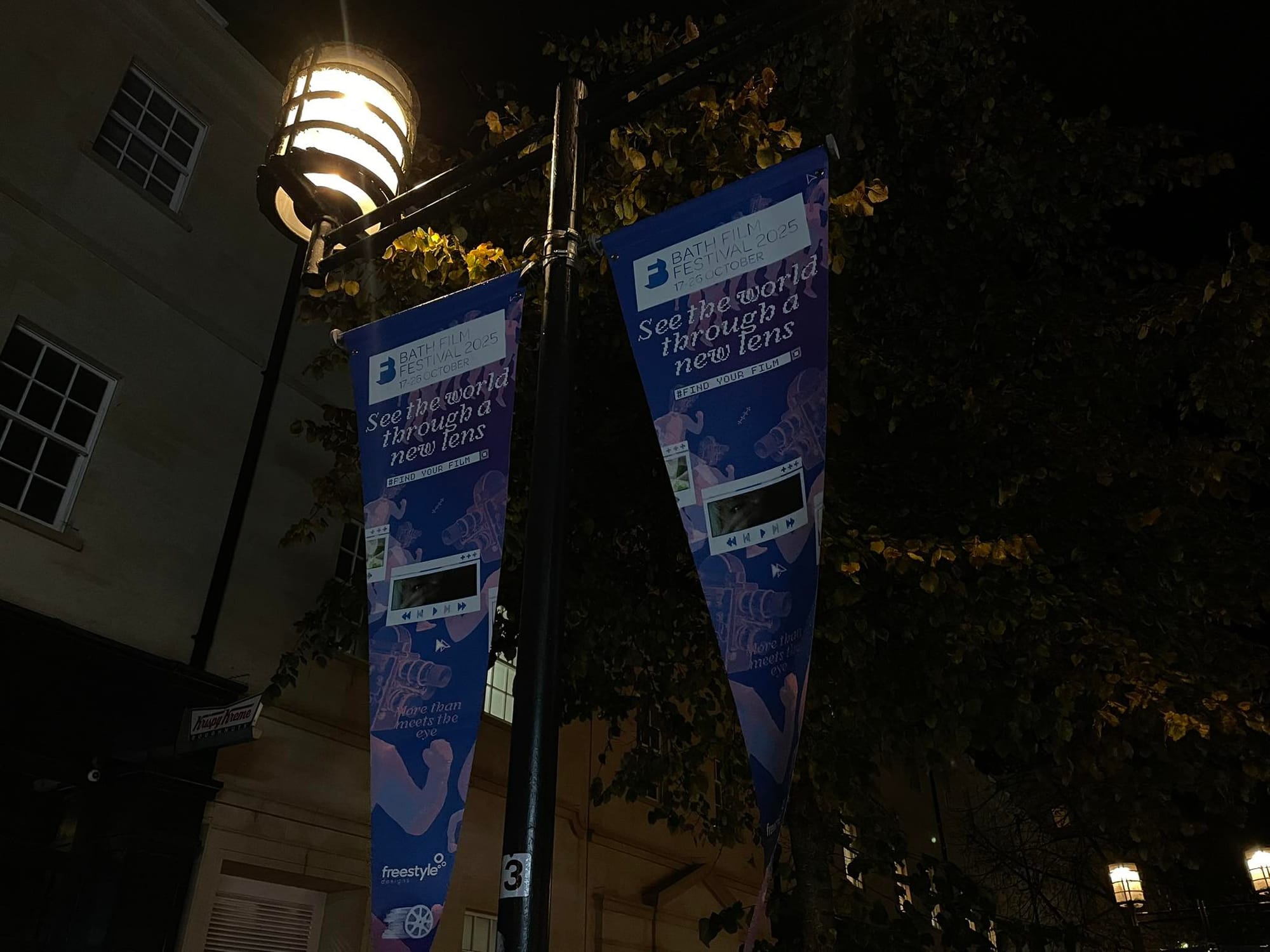
And that marked the curtain close on my time at this year’s Bath Film Festival, a celebration of storytelling in all its forms, from star-studded biopics to tender portraits of family, love, and loss. For ten days, Bath became a place to rediscover old favourites, uncover hidden gems, and revel in the enduring magic of cinema. Festivals like this keep the heart of film alive, so whatever your flavour, keep showing up, keep watching, and keep the lights on for the arts.
Featured image: Epigram / Eleanor Bate