By Alex Boersma, Literature Columnist 25/26
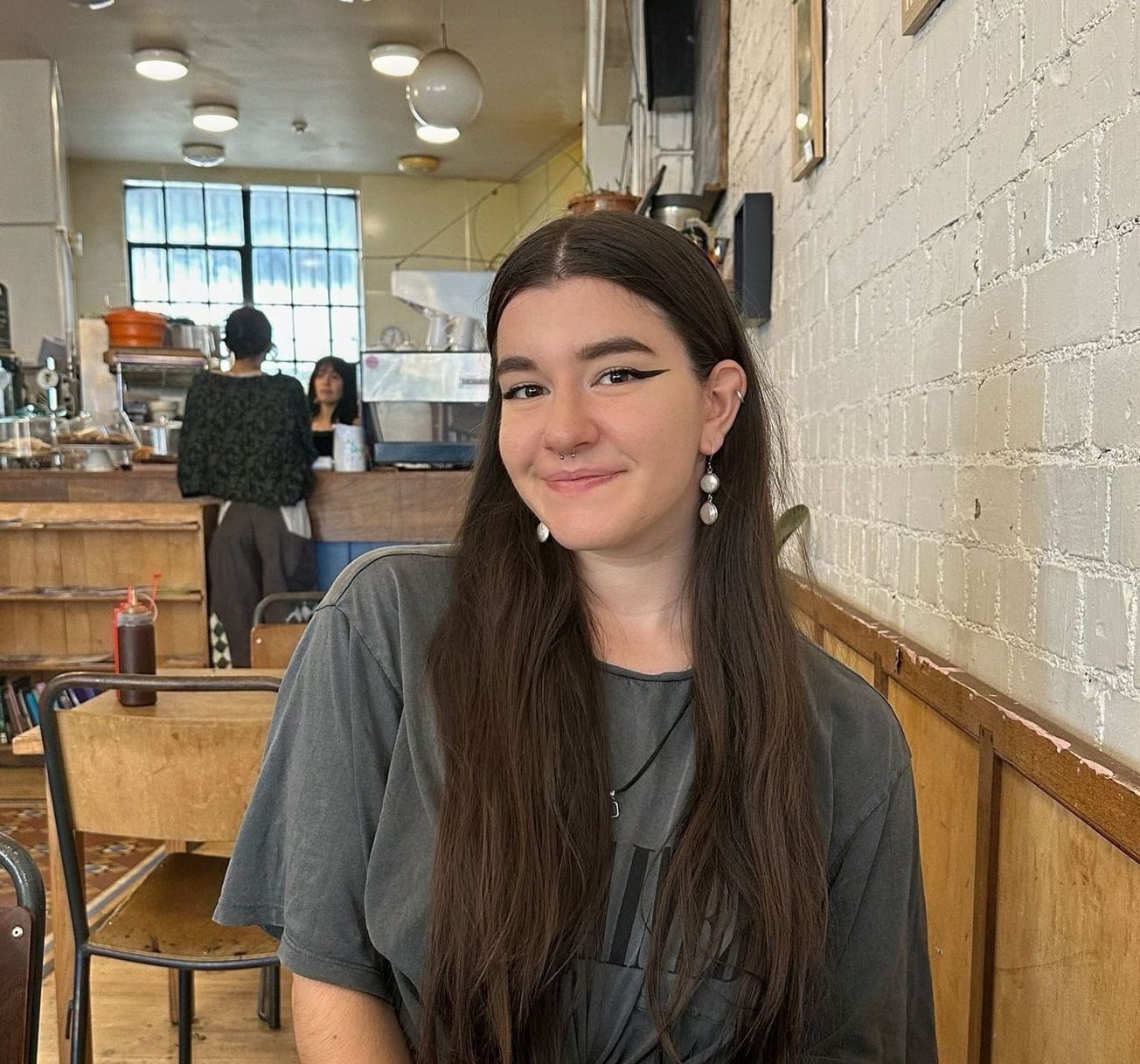
Alex Boersma talks to Cecelia Koç, third year student and president of the comparative literatures and cultures society, about her experience studying and engaging with comparative literatures and cultures at the University of Bristol.
I first met Cece through a mutual friend while hanging out at their shared flat, then went on to watch her direction of the University of Bristol's Opera society of Don Giovanni: I was left in awe at her many interests and talents and was thrilled when she agreed to this interview.
‘Stories can be felt and not just read’
Cece has always loved reading and always knew she would do a literature degree of some kind. It was a YouTuber called Emma Angeline that introduced Cece to comparative literature and cultures in a video about her time studying comparative literature at King's College London, realising it was her dream degree, that ‘incorporated all her favourite things’. Said favourite things include art, film, literature, international studies, culture studies, history and languages. Her eyes lit up as she mentioned how she had originally wanted to do a history degree but hadn't studied it at A-Level despite it always being ‘a big fascination’ of hers. She describes how her passion for ‘looking at history and cultures through different medias’ makes CLC her ‘perfect degree’.
Moving onto her favourite books she notes Our Share of Night by Mariana Enriquez which she describes as being about a family, with a young boy at the centre, who are in an Argentinian cult. She describes the writing style of Enriquez and the take of the translator, Megan McDowell, as ‘creepy, ethereal and other worldly’. If that doesn't make you want to read it, I'm not sure what will! Martyr! is the next book she notes, originally written in English by Iranian American poet and author Kaveh Akbar. The novel explores an orphaned boy’s journey for his identity and discover familial secrets along the way. His friends urge him to visit a dying artist in New York to create art inspired by this encounter. She describes it as very ‘existential’.
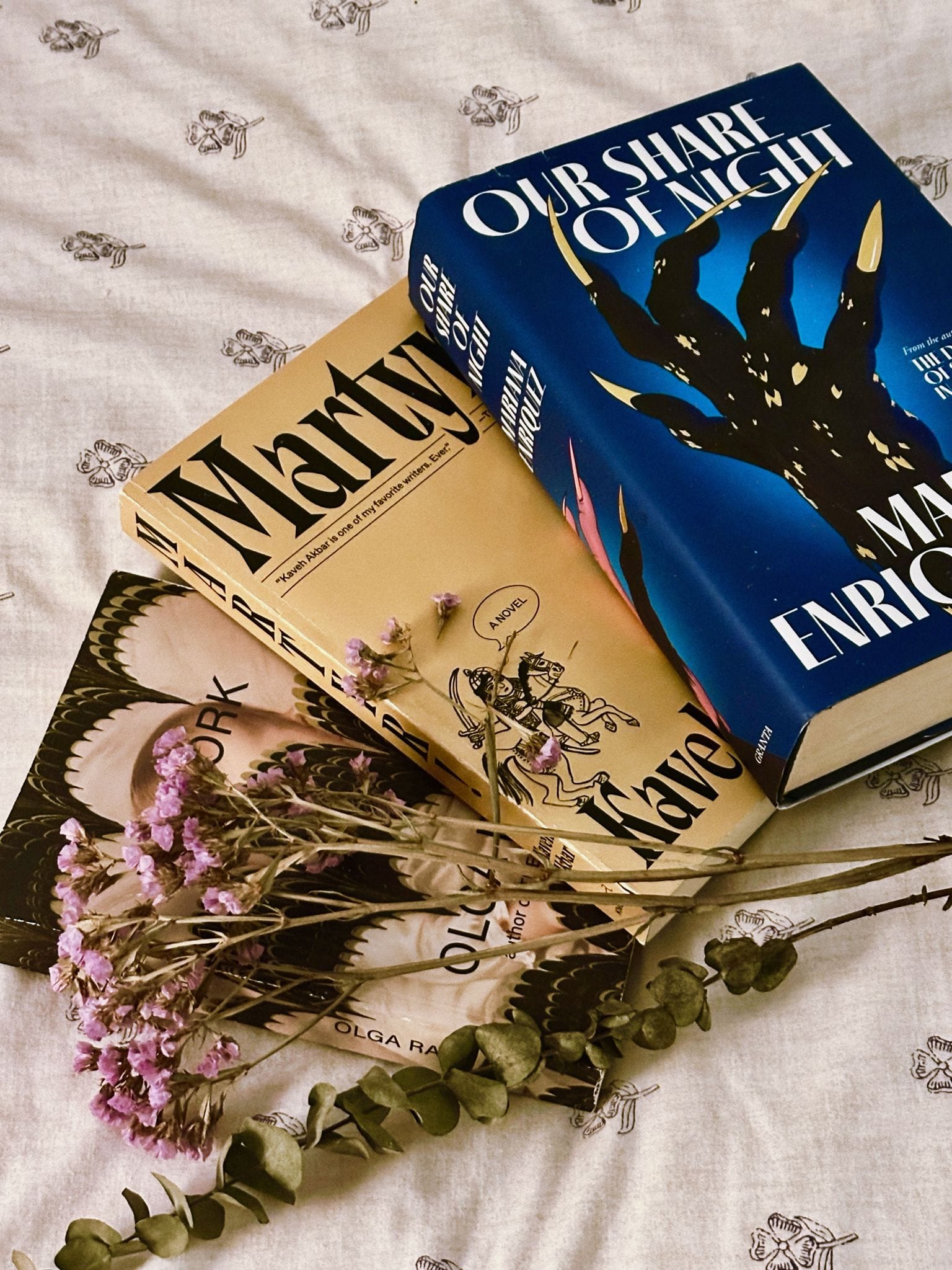
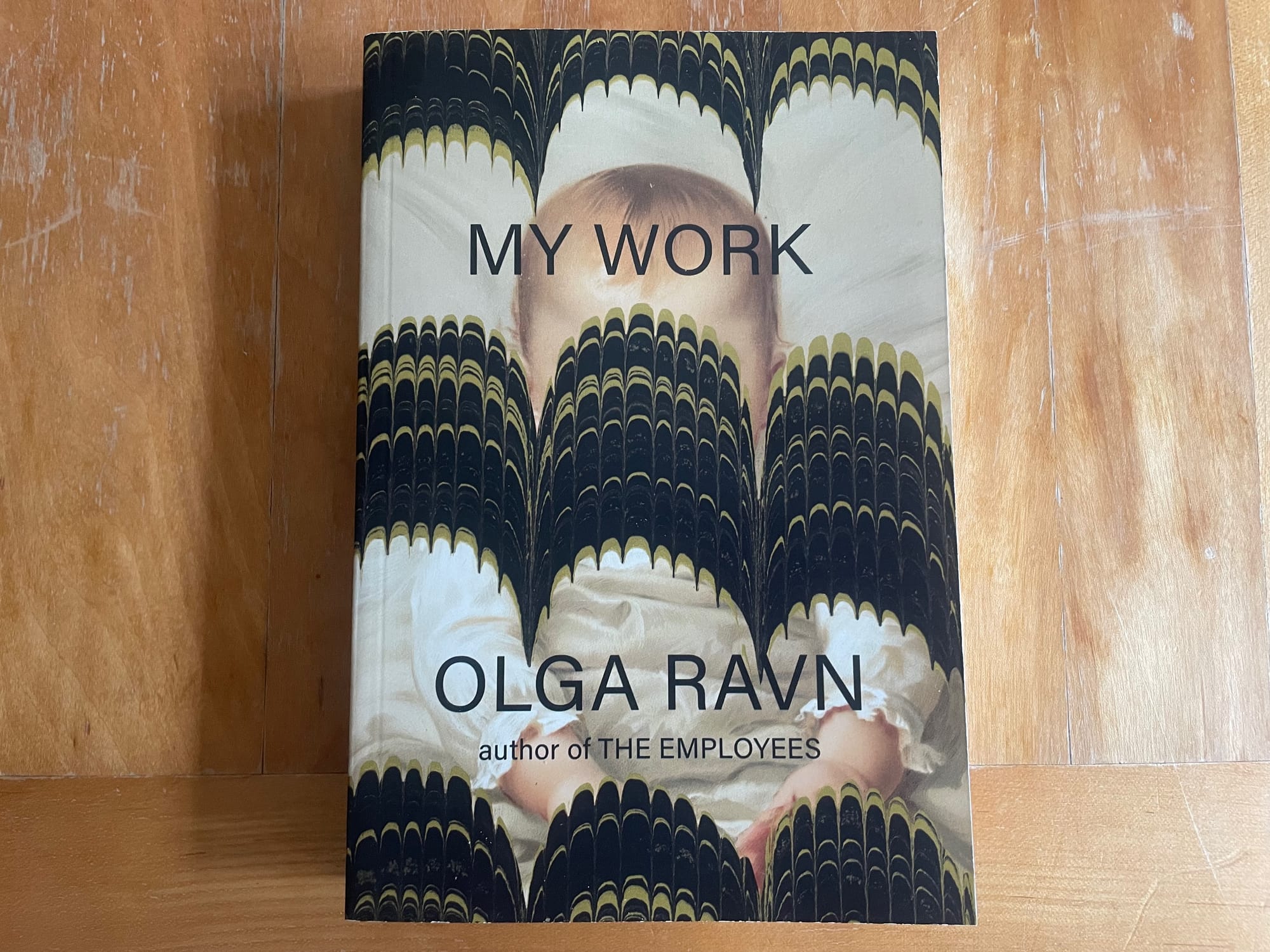
The final book Cece describes is the one that makes my ears prick up: My Work by Danish poet and novelist Olga Ravn (trans. by Sophia Hersi Smith and Jennifer Russell). Cece explains the novel explores themes of motherhood focusing on the writer protagonist's experience of childbirth and postpartum depression and engages with the idealised view of motherhood as a happy time with many hardships and negative feelings being overlooked. The story is told through a variety of media including messages between the writer and the translator. We also gushed over the beautiful cover of this one with a child in the background.
‘Translation is an art form and a skill’
‘Translators are often taken for granted and should be praised and acknowledged on the cover of a translated work as the original author is’
The question I was most excited to discuss with Cece was about the role and impact of translation. It was clear we had tapped into her true passion as she explained ‘this is the whole crux of studying comparative literatures and cultures.’ 'While reading anything in translation, be that translated fiction, theory or anything else, you must remember that ‘translation is an art form and a skill’. She stressed that translators are often taken for granted and should be acknowledged on the cover of a translated work because ‘they take the original work and make it their own’ while engaging with the original works' intended meanings as well as ensuring it makes sense and doesn't lose its meaning. She describes language as 'a beautiful thing’ that cannot always be directly translated from one to another. We laughed at how word-for-word translation would sound disjointed and frankly ridiculous. She describes how it is still possible to convey a story and emotion in a different language and it is a moving representation of how ‘stories can be felt and not just read’.
‘English translations are deeply embedded in colonialism and appeal to the ‘universal language’
We both gush over how beautiful language is and love how much power and emotion reading, hearing and speaking words in their mother tongue hold. Despite this, for the majority of us who are native English speakers we often read these works in the English translation which ‘holds a lot of weight’. This is because we remember that English translations are deeply embedded in colonialism and appeal to the ‘universal language’. Yet, simultaneously these translations make literature from other countries and cultures accessible to us. This is just something both Cece and I felt was worth noting and remembering when reading an English translation.
 Grace Golby
Moving onto Cece's experience of studying CLC at Bristol, she explained that there are plenty of choices with only ‘2 core modules, one per term and then 4 optional modules’ per year. She explained the majority of these optional modules derive from the School of Modern Languages (SML) which means there is a wide range of choice with pretty much any SML module with English translations being up for offer. As with pretty much every course, she explains first year offers a broad overview of all of the theory alongside excerpts from books, films and other cultural medias. Cece's favourite modules were during second year and included the core Migrations of culture module which had one of her favourite readings called The 19 ways of looking at Wang Wei by Eliot Weinburger which explored a very short Chinese poem and follows all the different translations it had gone through including the evolution of Chinese script. Another module she enjoyed was Fairytales across borders which explored different medias, histories and cultures and the origins of fairytales from Disney to Russian folklore. She recommends everyone to take this module especially as part of the examination is writing your own fairytale and analysing it!
‘Read around the topics that spark your interest’
For those starting the course at the University of Bristol, Cece recommends Comparative Literature: A Very Short Introduction by Ben Hutchinson, an obvious choice for a reason! Besides this essential read, Cece recommends ‘making the most of independent learning time’ and try as much as possible to do the pre-reading as you are much more likely to enjoy it when you know what's going on! Another tip is to read around the topics that spark your interest as this will only motivate you more! She also urges everyone to look into their own heritage and cultures and explore them more deeply and the cultures and literatures of countries close to them.
Cece is the president of the Comparative literatures and cultures society and talked about what the society is like and what they get up to. The society runs many events such as a monthly book club (more information on this will be in our upcoming bookclub article!) and new this year will be a monthly film club: follow their instagram @complitbristol to stay updated. Another new project the society plans to do this year is launch a magazine filled with artwork, poems, translations and visual media commentaries. They have two upcoming Give it a Go's, a bookmark making session in the Senate House Living Room 1 on the 19th of September, as well as an open mic! A visit to the printing press, Bristol Common Press, is also on the cards for the society this year. Cece will be at the Comparative Literatures and Cultures stand at the Freshers fair so feel free to go visit the stall and find out more! They will be located in the academic tent B at stall 48.
Featured Image: Epigram/Cecelia Koç
Have you read any translated literature?