By Sonal Korlipara, First Year, English and Philosophy
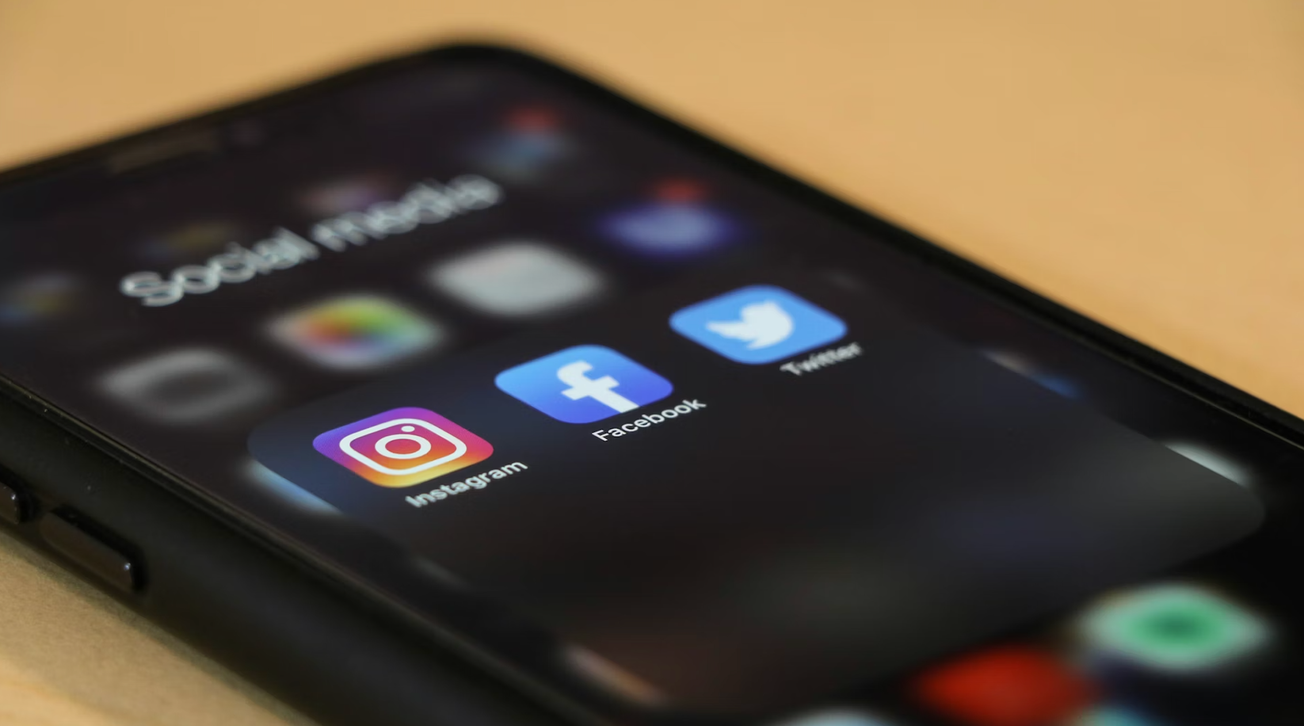
‘All the world’s a stage’, Shakespeare famously writes - something which holds true for the digital age, where our everyday lives are minimised into aesthetic Instagram dumps and twenty-second clips. Erving Goffman borrows the quote to explain how we perform in social contexts, arguing that we respond by masquerading as different characters. We might not turn up to work with the same personality as the night before, getting drunk at the club. Thankfully, Goffman concludes, we have the ‘backstage’. For most this would be our home, somewhere to feel safe and entirely ourselves.
With social media now dominated by videography, the backstage has been invaded. We might feel the compulsion to say ‘phone eats first’ before we can comfortably eat lunch with friends. Admittedly humans have always looked for ways to involve themselves with a community and social media has undeniably brought us together as a generation - but when does connection become competition?
Over the past two decades, social media has taken a decline in quality. It doesn’t necessarily mean that the world is ending, but it’s certainly a shame. We used to have intentional thought pieces through textposts and faceless blogs, or at the least have genuine interactions with a tightknit community. Now it seems that they’ve become hellbent on maximising our consumption.
Mostly, doomscrolling is easy. It distracts us with content that isn’t difficult to consume and takes up no emotional weight. But do you think we’re meant to fill our days with clips of strangers that hold no importance to us? Aren’t we supposed to care?
If I ran social media, I'd take it back to the old days and lose the algorithm. At first it seems handy; we’re spoon-fed enjoyable content, allowing us to escape to a place of entertainment without having to look for it. You might, however, feel less reluctant to reject it if you knew the crushing effect of algorithms on the online communities. How do we connect if the algorithm only cares for the most viewed posts, made by people you don’t follow, made so that you never have to turn away, with only slight regard for your personal interests? Viral posts are a fun talking point, but we rinse through them so fast that they ultimately lose cultural significance. Archive-based social medias like Tumblr are the way to go.
‘You could hardly be famous on the old social media. You could only be yourself.’
There would be days when you would log on, excited to see your dash, and get frustrated that nobody was online. Posts, made only by the people you follow, showed up chronologically. It was a slower way of social media, less invasive. At first, it even seems boring. It's true that the archive isn’t a constant reel of dopamine hits, but it does allow you to form friendships. You log off when there’s no discourse to join, and you have interesting conversations when there is. Most importantly, you care. You notice when someone leaves, unlike algorithm based FYPs, where a stranger will go unnoticed as they fill the last stranger's spot in your doomscrolling. Indulging hours of brain rot is equally taxing and has way less payoff.
Don’t we all miss the time and effort that went into YouTube videos? Don’t we miss taking the time to watch them? Microsoft's 2015 statistic says that our attention spans have reduced to lower than a goldfish's. Maybe we enjoy having something to lean back on, but can you really remember what you watched two reels ago?
It’s undeniable that the shift from text posts to video and photo content changed dynamics of social media too. It went from undercover to mainstream, vulnerable intimacy behind anonymous blogs to aesthetic perfection performed in front of your entire social following. Content creators began to pander to the monetising algorithm rather than expressing themselves freely, unshackled by virality. You could hardly be famous on the old social media. You could only be yourself.
 Tom Forbes
Nonetheless, it would be remiss of me to ignore the dangers of sharing yourself so personally online. Perhaps the lack of substance in short-form content is simply protection. But does it go further than that? When meme culture exploded, our generation dissolved on all emotional levels of intimacy. With the rise of doomscrolling, it was inevitable. The vulnerability of Tumblr would always fall. To be bombarded with emotive posts would do irreversible damage to our mental health (Twitter being the perfect example), but is meme culture really the answer?
Brendon Holder says that ‘the incessant caricaturing and dumbing down of major life events numbs us to their significance’ – to which many of you may feel inclined to say it’s not that deep. Online humour, often becoming reconfigured until it stands completely without a crutch, is a unique social interaction which resembles past movements of the absurd. Yet it seems too encroaching to me, reducing attempts at anything deep to something laughable. This culture of caricaturing everything into ‘consumable fragments’ (Cody Rooney) takes away from the equally unique form of passion that social media kickstarted. Students are particularly invested people, with the time to indulge in our hobbies. We shouldn’t lose ourselves to mindless scrolling between classes. Nonchalance is highly regarded in today's online world, but I insist that we go back to the old times and start caring again.
Featured image: Unsplash / dole777
If you ran social media, what would you do?