By Kitty Atherton, Third Year, Philosophy
There are two ways to approach Halloween at university: you can treat it as an excuse to make pumpkin-spiced hot chocolates and watch The Nightmare before Christmas or you can see it as one of the biggest nights out of the year. I don’t have the definitive answer on which is the superior option, but I think claims about the holiday require further assessment before we write it off as superficial escapism.
An opportunity to sport a costume I would never usually dare to wear, my Halloweens in Bristol invoke memories of drinking neon green Dragon Soups in bitterly cold halls before trying to sneak seven people into an Uber meant for five. I have vivid recollections of trawling through costume shops amongst a swarm of other freshers, trying to find a pirate hat that wasn’t £20. This feels like a far cry from the sticky fingered Trick-Or-Treats of my childhood, where nights ended at eight after too many marshmallows, rather than guiltily watching the sunrise the next day, my pirate hat long since abandoned.
Halloween today is an even further cry from the ancient Celtic festival Samhain. Samhain was a religious festival used to mark the end of the harvest season - a time where spirits could transcend the boundary between the living and the dead, and wander freely. The Celts lit bonfires as a representation of the waning sun, fading out into Autumn, and to smoke out any harmful spirits. For Pagans, the changing of the seasons was often marked by a festival. What with the relentless pace of modern life, is the respect for the rhythms that govern our existence something that we no longer pay enough attention to? Samhain was about more than just fear of the dead; it was about respect for one’s mortality- something I doubt students celebrating Halloween 2000 years later spare much thought for.

It’s hard to consider the origins of Halloween and not be struck by the manufactured spectacle it has become. Towers of plastic pumpkins line the shops, and fluorescent tutus destined for landfill are bought en-masse. Then there’s the pressure to buy the best costume you’ve ever bought (of course avoiding a repeat of the disaster of last year’s ‘conceptual costume’). Uber prices spike for the weekend, and everyone forgets to actually buy their event ticket until it's on sickeningly expensive tier four release - no early bird tickets this time. It leaves me wondering if we’ve been sold a version of Halloween more about superficial escapism, rather than the celebration it could be.
' Perhaps costumes, sticky club floors and spiderweb cupcakes are all ways that we attempt to regain something we’ve lost - the ability to play'.
Yet, it’s always easy to criticise students. We’ve earned a reputation for being scruffy, unreliable and, well, young. But, it’s also easy to overlook the genuine joy that Halloween brings to students. Looking around Bristol at Halloween, I’m sure you’ll also catch a glimpse of the girl who has spent a week planning her transformation into a very convincing Marge Simpson, the flatmates applying each other’s make-up, and a sense of anticipation in the cold October air. Perhaps costumes, sticky club floors and spiderweb cupcakes are all ways that we attempt to regain something we’ve lost - the ability to play. In a world shifting rapidly towards polarisation and job prospects seeming few and far between, it’s easy to see why students feel they have lost opportunities for playfulness elsewhere.
 Emma Coleman
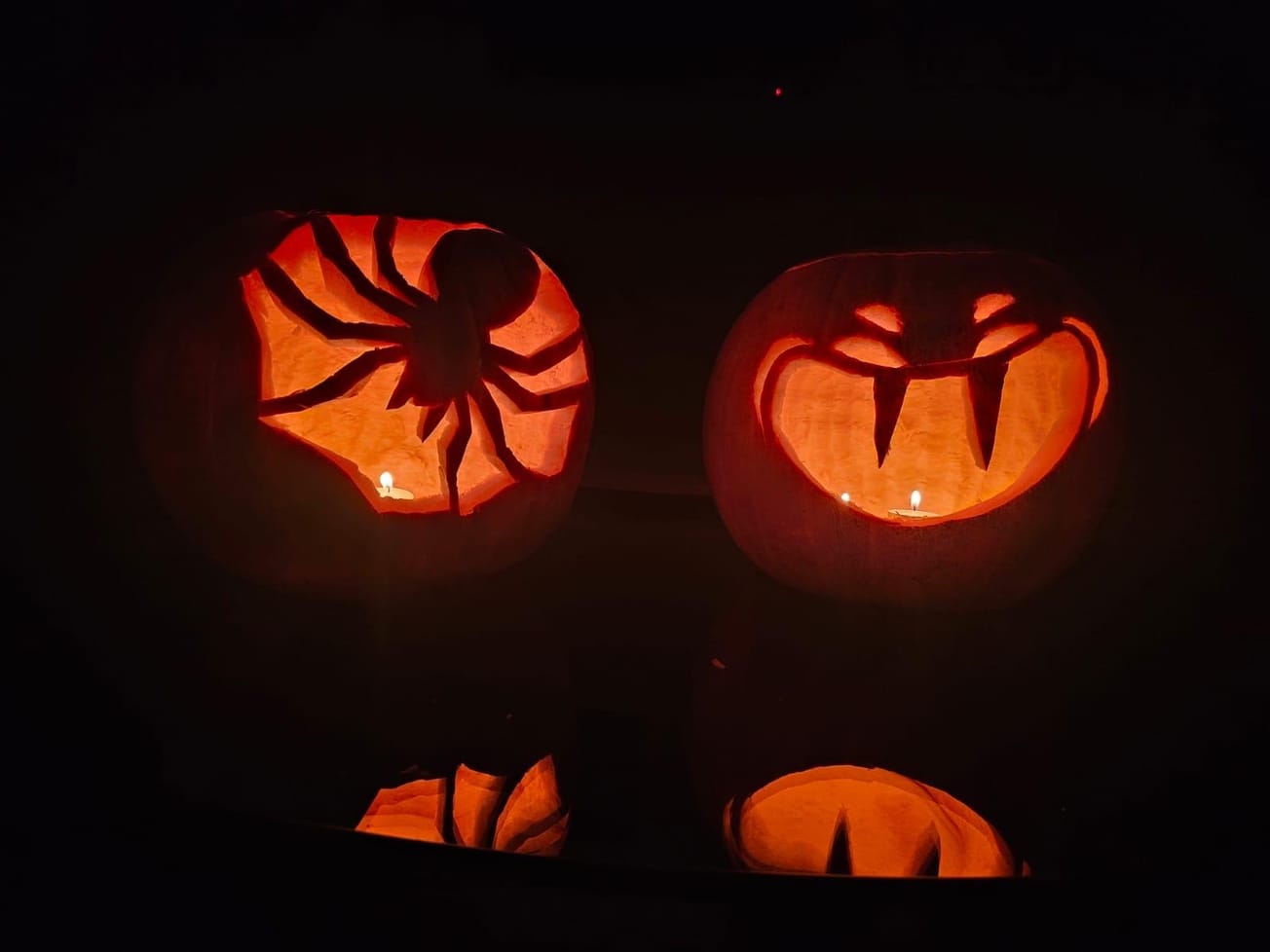
So perhaps some of the Pagan roots that underpinned Halloween in the past have been forgone. But is that to say we’ve lost its community aspect altogether? We often forget that many current students missed out on precious chunks of their teenage years during Covid. Yes, it’s gaudy and commercialised, but whether Halloween for you is carving pumpkins with your friends or going out until dawn, the world could do with a touch of merrymaking.
Featured Image: Epigram / Amelie Patel
Do you think Halloween is an opportunity for playful fun, or has it all gone too far?