By Matilda Collard, Third Year, English
As the UK settles into October and pumpkins start flying off the supermarket shelves, it becomes increasingly evident that the once-simple village tradition of ‘All-Hallows Eve’ has grown into an almighty extravaganza of costume and frivolity.
The UK Halloween market is currently estimated to be worth over £1 billion, but what is the true cost of this new cultural spectacle? Recent studies reveal a frightening truth behind the fun: Halloween is fuelling mountains of waste; driven by overconsumption, single-use plastic, and fast fashion. A cultural custom once rooted in storytelling has been hijacked by modern consumerist mentalities, creating a new monster of its own.
Halloween spending has skyrocketed to alarming heights in recent years. According to a 2024 study, by personal finance site ‘Finder’, UK consumers are projected to spend a collective £776 million on Halloween-related purchases (a figure that has more than tripled since 2013). The average person will spend around £25 on Halloween, while in cities like London, millennials are expected to spend an eye-watering £43 each, most usually on items that are only used once: decorations, sweets, flimsy masks and polyester costumes; all of which are destined for landfill the minute the 1st of November rolls around. This type of seasonal overspending massively reflects our broader consumer culture, prioritising convenience and novelty over sustainability and long-term value.
Halloween has evolved into a huge retail event, marketed heavily by corporations and driven by social media-fuelled trends. According to environmental group ‘Hubbub’, 83% of Halloween costumes sold in the UK contain non-recyclable, oil-based plastics. That equates to roughly 2,000 tonnes of plastic waste every year, about 83 million plastic bottles. This plastic waste is not limited to just costumes either. A 2024 survey by ‘Gumtree’, published in ‘The Sunday Times’, uncovered just how deeply ingrained Halloween consumerism has become. The study found that 70% of the people interviewed bought a new costume every year and 74% invested in Halloween themed decorations and disposable tableware. ‘The Times’ reported that Halloween is now the UK’s largest source of plastic waste from a single event. Up to 46 million items are thrown away each year after just one use, an average of 3.2 disposable items per child. And what happens to it all? Most ends up in landfill, where it will sit for hundreds of years, slowly seeping microplastics into the water and ground. Some of the waste is incinerated, releasing more toxic chemicals into the atmosphere. Very little, if any, is recycled.
'Fast fashion is responsible for 10% of total global emissions and is the second-largest consumer of water, meaning every ‘cheap and easy’ Halloween costume ordered from online fast-fashion retailers leaves a permanent and potentially devastating carbon footprint on the Earth.'
The damage doesn’t end with plastic waste either. Halloween leaves behind a huge trail of carbon emissions stretching around the Globe. Most Halloween goods are bought online, often from retail giants like ‘Amazon’ or fast fashion companies such as ‘Shein’. Each purchase carries a huge invisible cost. Shein is one of the most popular brands for quick, cheap costumes. However, according to the company’s own sustainability report, Shein emitted 16.7 million total metric tons of carbon dioxide in 2023 , more than what four coal power plants spew out in a year! Fast fashion is responsible for 10% of total global emissions and is the second-largest consumer of water, meaning every ‘cheap and easy’ Halloween costume ordered from online fast-fashion retailers leaves a permanent and potentially devastating carbon footprint on the Earth.
Beyond the environmental toll, human rights organisations have raised alarms about the exploitative labour practices behind the rapid production cycles of fast-fashion outlets. According to ‘Freedom United’, the working conditions which Shein workers are forced to endure for the sake of our single-use-costumes are equivalent to that of modern day slavery; with employees made to work over 72 hours a week in dangerous and unsanitary conditions. The company came under fire at a UK Parliamentary Hearing after refusing to speak on whether its products contain cotton linked to forced labour in the Uyghur Region of China. Yinan Zhu, the company’s general counsel for Europe, has been accused of ‘wilful ignorance’ surrounding Shein’s unethical labour practices. Therefore, a seemingly innocent Halloween purchase for a Thekla Thursday is inadvertently aiding and abetting the gross exploitation of thousands of workers.
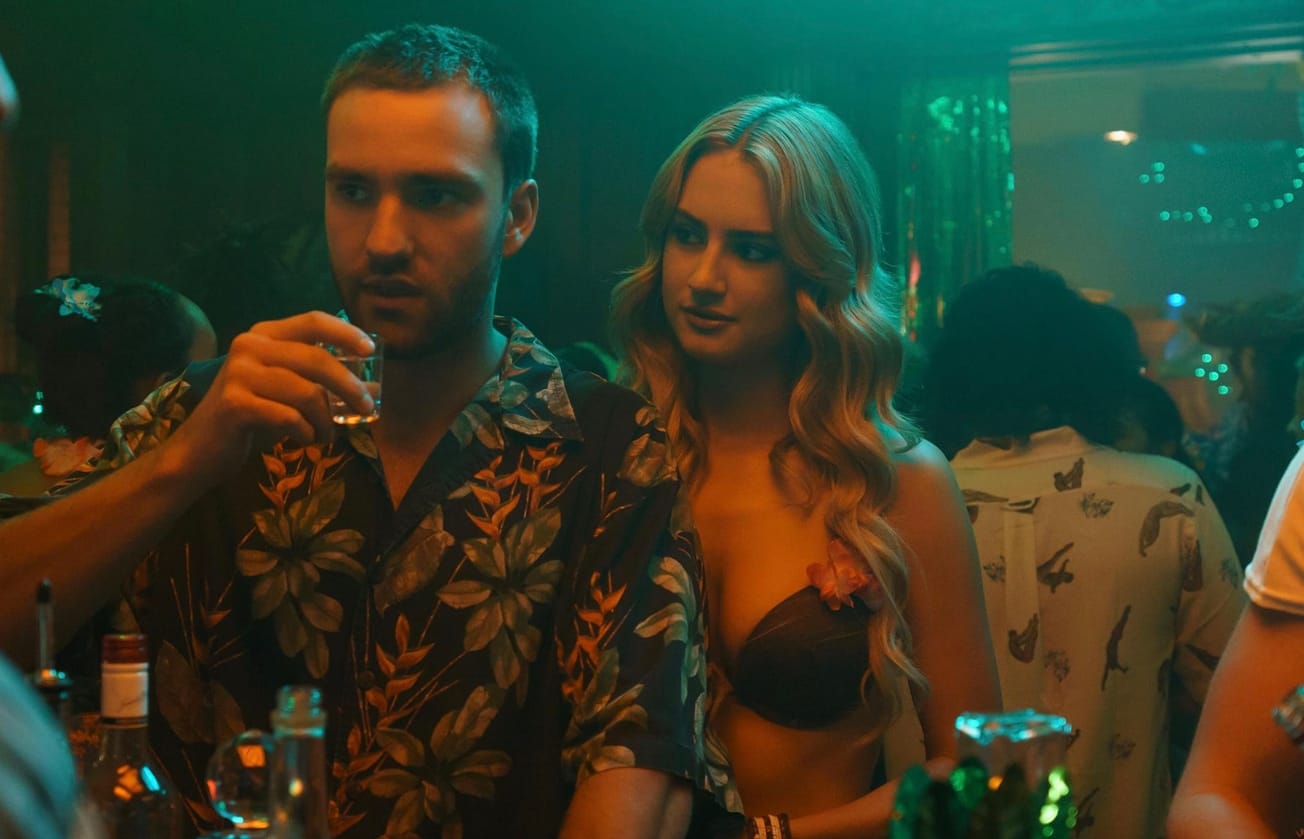
The new spectacle of Halloween has come with the rise of the ‘Hallo-week’ concept. No longer just one night of celebration, but two, three, or more. Multiple events now mean multiple costumes, each needing to be ‘bigger and better’ than the last, feeding a vicious cycle of novelty and waste. Suddenly, Halloween isn’t just a silly night of ‘dress-up’ and fun, it’s a fast-paced fashion show of throwaway trends, driven by social media fads and peer expectation. It is this rapid, ever-evolving drive for the ‘new and exciting’ that fuels the fire of consumerism and waste, which is slowly burning up our planet.
 Tom Henworth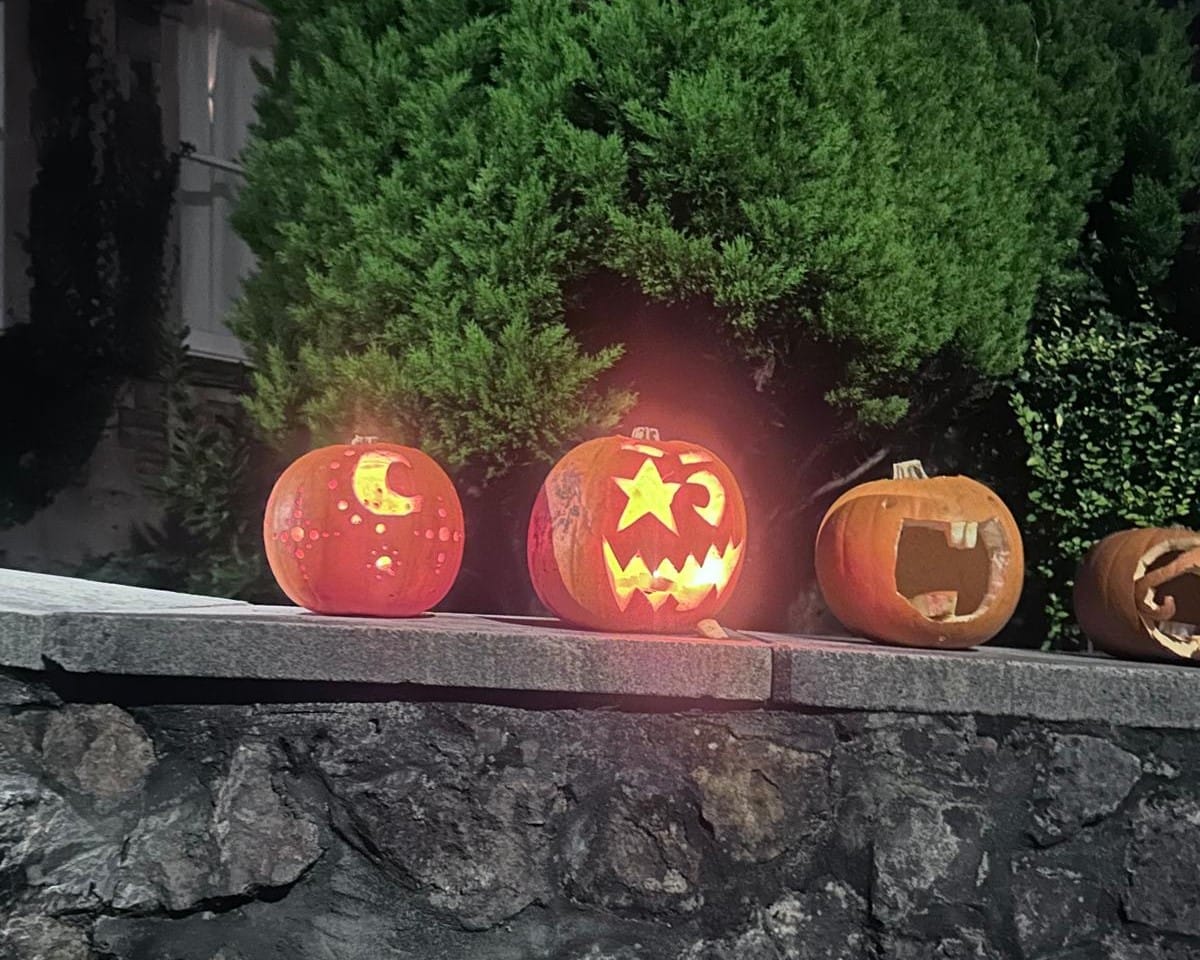
However, all hope is not yet lost. Across the globe, young people are increasingly turning away from throwaway culture and rediscovering the creativity that made Halloween magical in the first place. So here are some ideas for a fun and rewarding, eco-friendly Halloween:
- If you’re able, try to make your decorations, costumes and props by hand. You could even turn it into a fun craft night with your flat!
- Try thrifting or charity shopping for costume pieces. The charity shops on Gloucester Road are a great place to start looking!
- Try to buy from in-person retailers rather than shopping online to support local high street culture and reduce your carbon footprint. If you must buy online, try second-hand outlets such as Vinted, eBay or Facebook Marketplace.
- Try and assemble your costumes from clothing pieces you will wear again/ regularly, to avoid single-use waste and disposable fashion.
The modern Halloween has become a mirror of our wider cultural obsession with excess: a glitter-drenched, plastic-wrapped, carbon-choked spectacle that leaves behind far more than sweet wrappers and hangovers. What was once a night of imagination and mischief has evolved into a festival of fast fashion, factory exploitation, and mountains of single-use waste. However, the potential for eco-friendly fun is much closer than we think! There is beauty in tradition, and power in the collective shift towards sustainability. Already, many people are rejecting the new wasteful norm in favour of homemade outfits, second-hand finds, and thoughtful alternatives. Will you choose to be one of them this year? With each DIY costume and thrifted accessory, we take one step closer to reclaiming Halloween from corporate greed and re-rooting it in the joy and imagination that once defined it.
Featured image Ellie Barnes
How can you make your Halloween costume more sustainable?