By Sophie Lee, Third Year, English
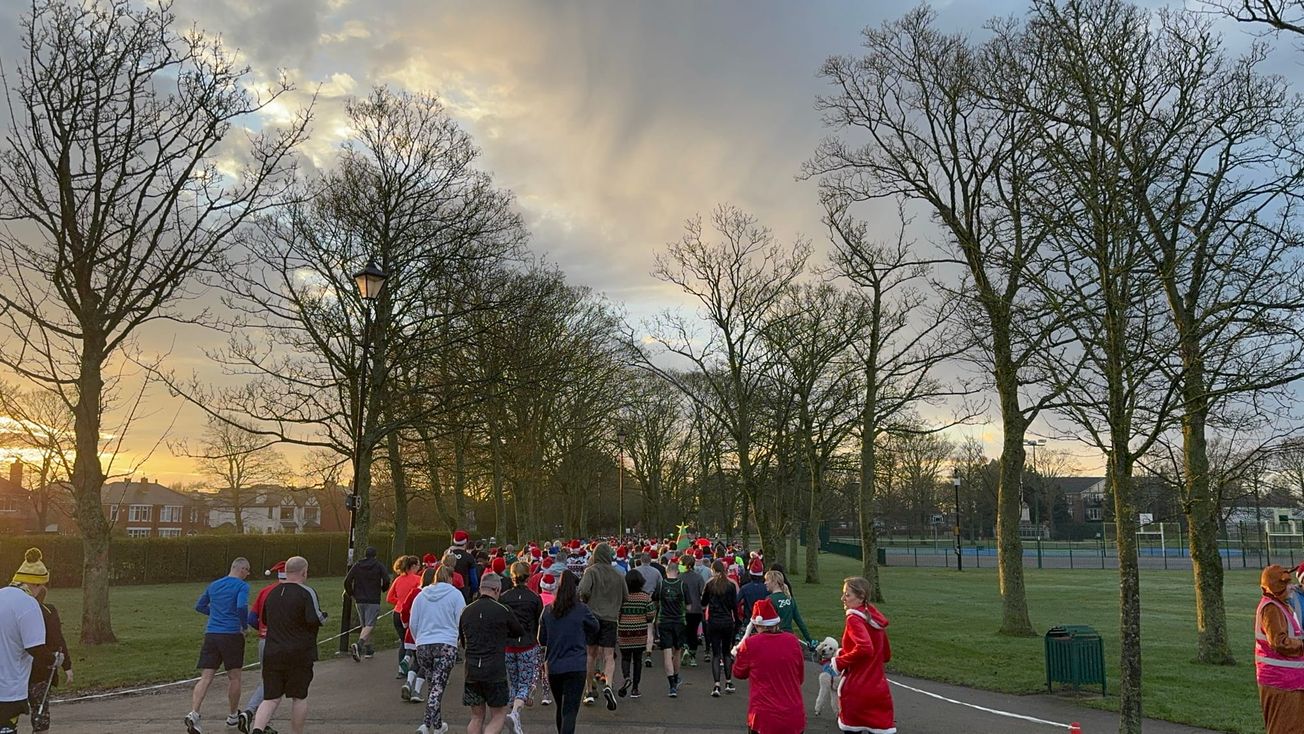
Picture this: it’s a bright Sunday morning in early Spring, and instead of bedrotting all day to shake off your hangover, you’re lacing up a brand-new pair of neon coloured trainers, putting on your high-tech running vest, and getting ready to head out the door to go to a run club. Sound familiar? Well, you’re certainly not alone. Since the pandemic, running has exploded in popularity, with Gen-Z being one of the demographics most likely to enjoy a casual 5k around the park twice a week. But is this popularity innocent, or does it carry with it a whole host of expectations about what a runner should or shouldn’t look like?
One clear reason for running’s rise in popularity is its accessibility. Forget paying hundreds of pounds for a gym membership only to go once a month! Running is, in its purest form, accessible to everyone - all you need to do is leave the house, and you’re off and away. As long as you have outside space near you, you can go on a run. There’s no need for fancy equipment, and no long treks to the gym. This accessibility is a key factor behind the rise in the popularity of running. According to The Guardian, running can also bring mental health benefits, with aerobic group exercise emerging as the most effective physical activity for reducing depression and anxiety. So not only does running and aerobic exercise help with mental health, but doing it in a group setting enhances these impacts, giving us a window into why social run clubs have exploded in popularity.
You’ve surely seen countless run clubs pop up over your social media, from groups like Runners and Stunners which focus on creating inclusive pace, female-only running groups, to more performance-focused clubs like London City Runners. Bristol is also home to a whole host of run clubs; recent research conducted by The European Correspondent suggests that Bristol is the European city with the most running clubs per capita, with over 900 run clubs for a population of roughly 700,000! Not only do run clubs provide a good form of regular exercise, but they also allow for guaranteed socialisation and time spent outdoors, something that can be especially difficult to come by in the age of hybrid working. Bristol’s status as a city of runners is further backed up, as Strava moved its European headquarters from London to Bristol in 2016, showing their investment in a city built for outdoor exercise.
And it’s not just Bristol that has had a boom in running! More than 840,000 runners entered the ballot for the 2025 London Marathon, marking a 45 per cent increase from only 578,304 entries for the 2024 ballot. This increase has come in tandem with an increase in the number of women applying for places, rising from 43 per cent to 49 per cent, almost achieving gender parity in ballot entries. This year, general entry to Run Norwich, one of the biggest running events in East Anglia, sold out in a record time of 28 minutes. Being a more accessible 10k event, the foundation behind Run Norwich have committed themselves to offering more entry spaces for future years.
Despite all of this positivity, inclusivity, and accessibility, there is a darker side to the new running trend. As with anything on social media, many running communities now focus on pace and aesthetics over socialisation and casual exercise. Suddenly you need the latest carbon shoes, a pair of Oakley sunglasses, and high-tech gels, or you’re deemed ‘not a proper runner’. This idea of what a runner ‘should’ look like has also led to extreme prejudice online, with people remarking that wearing a running vest for anything under 10k is ridiculous. Thankfully, there is already a backlash against this, particularly in young female communities. Influencers such as @hannahtrenches, @runswithemily, and @happyhealthyhols advocate for running at your own pace, highlighting that the average 5k time for a woman is well over 30 minutes (despite what TikTok may have led you to believe!). Even elite runners like @marymccarths don’t overanalyse their pace online, instead focusing on promoting the mantra #beattheboys. Even the University of Bristol has seen a sudden trend towards social run clubs. With an official UOB Social Run Club society being set up this academic year, as well as numerous societies running their own groups (we’re looking at you, BUMS On The Run!), it’s never been easier to find a safe, inclusive running group exclusively for students.
 Oscar Coupal
 Emma Griffiths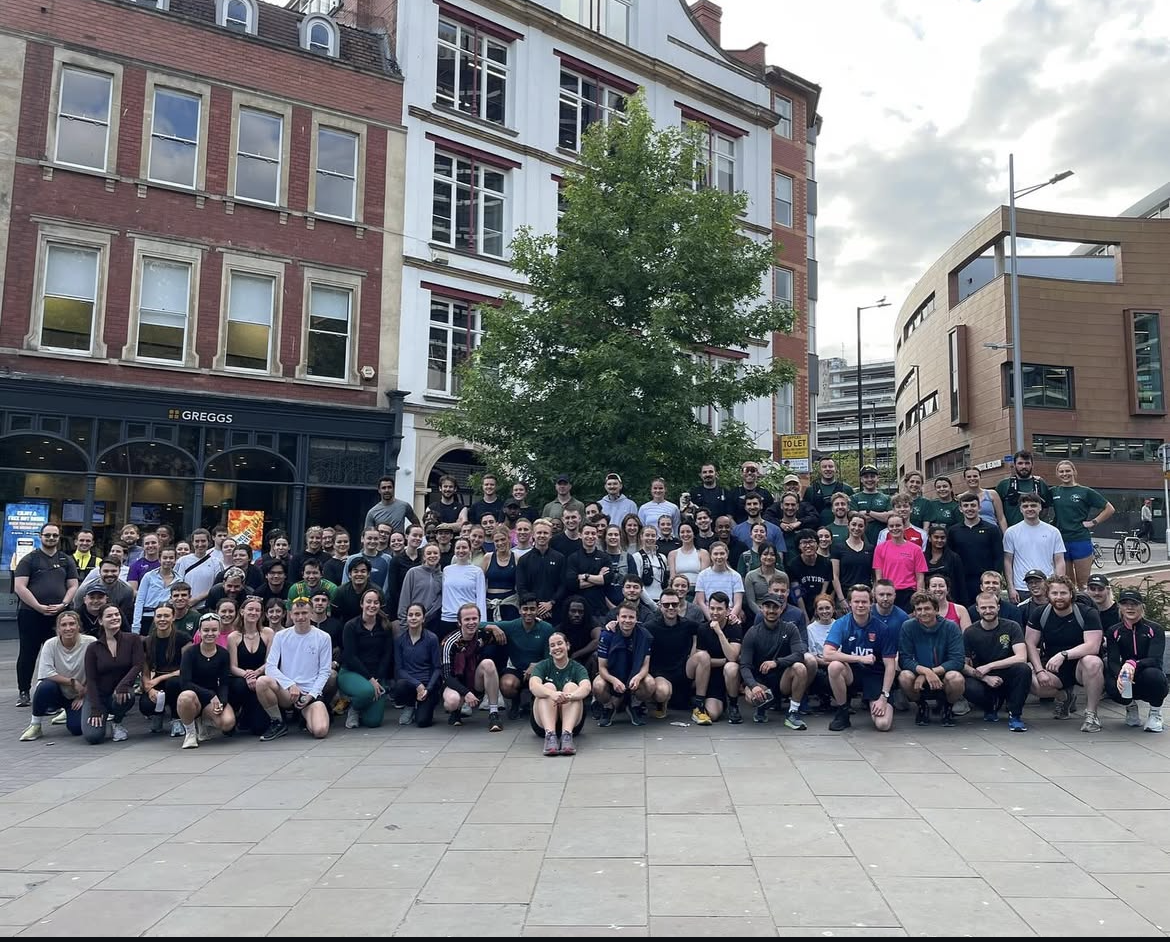
So, with Parkrun growing day by day (trust us - there are over 10 million registered parkrunners!), new run clubs being set up minute by minute, and an awareness that your own pace is the perfect pace, running has been transformed from a simple, easy form of exercise, into a social activity promising inclusivity and connection. Even if the thought of going for a run makes you convulse, or you don’t want to splurge on the latest trending running gear, why not try lacing up your trainers, even for a 15 minute jog? You may hate it, but who knows? You may be one 5k away from finding your new best friends.
Featured Image: Epigram / Rijul Dhopate
Have you started running recently?