By Anis Fazidin, Second Year, Aerospace Engineering
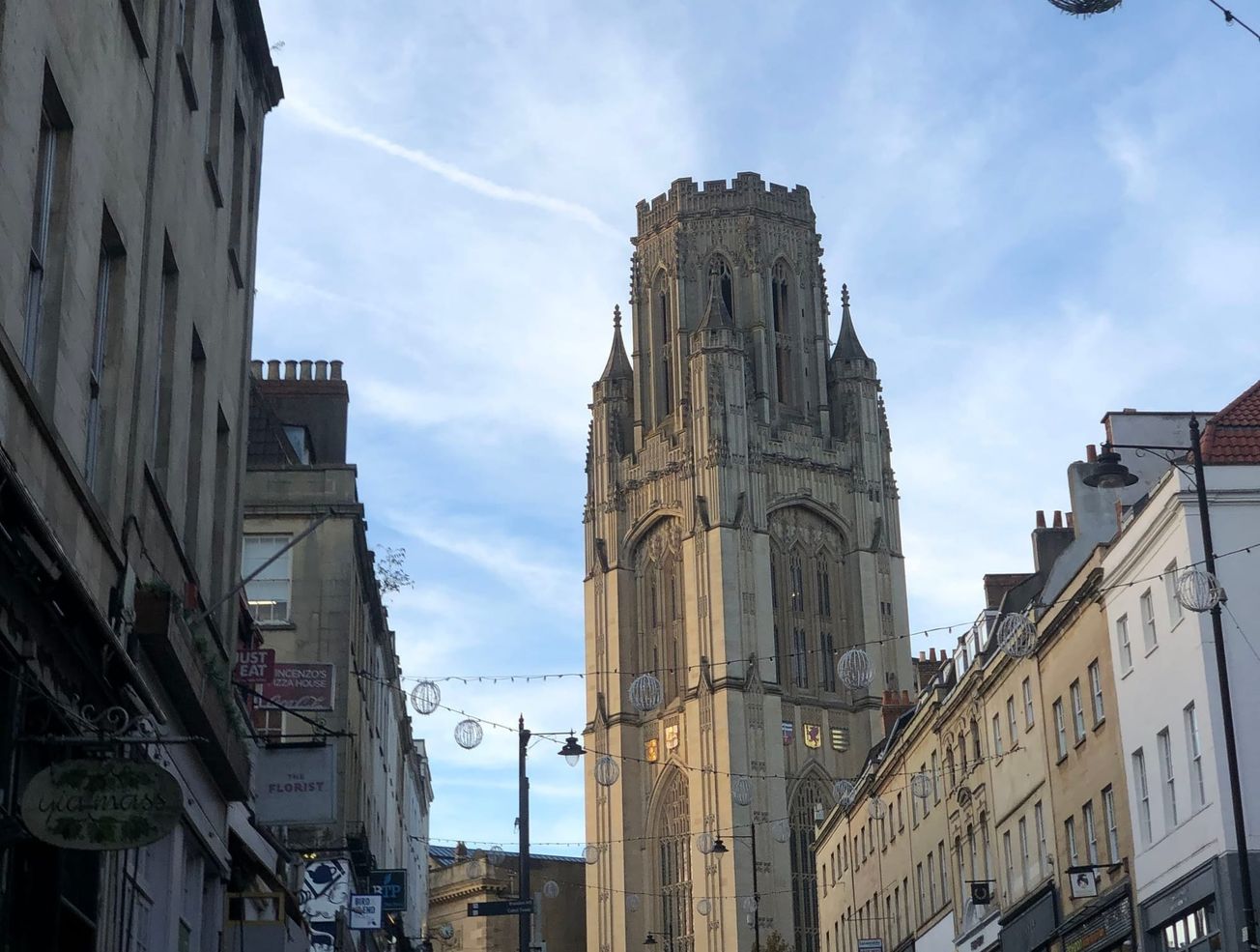
So where is decolonisation in Bristol now? In 2020, Epigram covered student campaigners who argued that buildings like Wills Memorial Building, named after Wills Overton Henry III, implicitly honoured wealth tied to slavery and exploitation. They asked whether a university should 'glorify' figures whose fortunes were built in part on systems of oppression, even if that recognition was unintentional.
 Jack Charters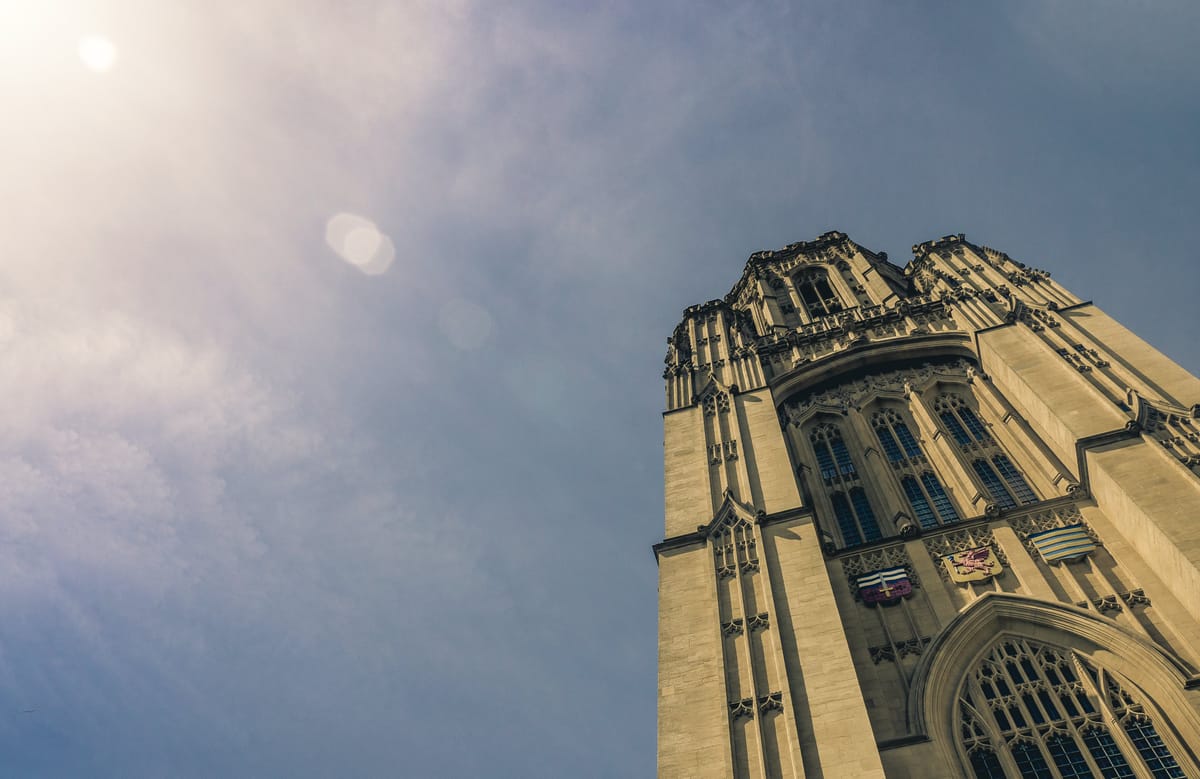
At the heart of the story was a tension between remembrance and celebration. Petitioners stressed that their aim was not to erase history but to 'correct the record.' They encouraged deeper education about the ways slavery and colonialism shaped the university’s wealth and origins. They argued that keeping the name without context risks overlooking uncomfortable truths, rather than learning from them.
Fast forward to today, and this conversation is still relevant. The University of Bristol carried out a major consultation on whether seven buildings with historic links to the transatlantic slave trade should be renamed. The names were retained - including the Wills Memorial Building - because rather than removing reminders of colonial legacies, the university is trying to embed historical context, paired with a long-term initiative called the Reparative Futures Program, which invests in schemes such as the current Black Scholarship programme.
'Decolonisation is not a one-time fix, but an ongoing process shaped by continuous reflection and dialogue.'
On the 26th of February 2024, the University launched its refreshed logo, removing Edward Colston’s dolphin emblem and replacing it with an illustration of a book. The symbolism of this change highlights why institutional symbols matter more than they appear. A university logo is not neutral; it shows on degrees, certificates, hoodies, and websites. When students see themselves reflected - or erased - in institutional imagery, it affects how welcome they feel.
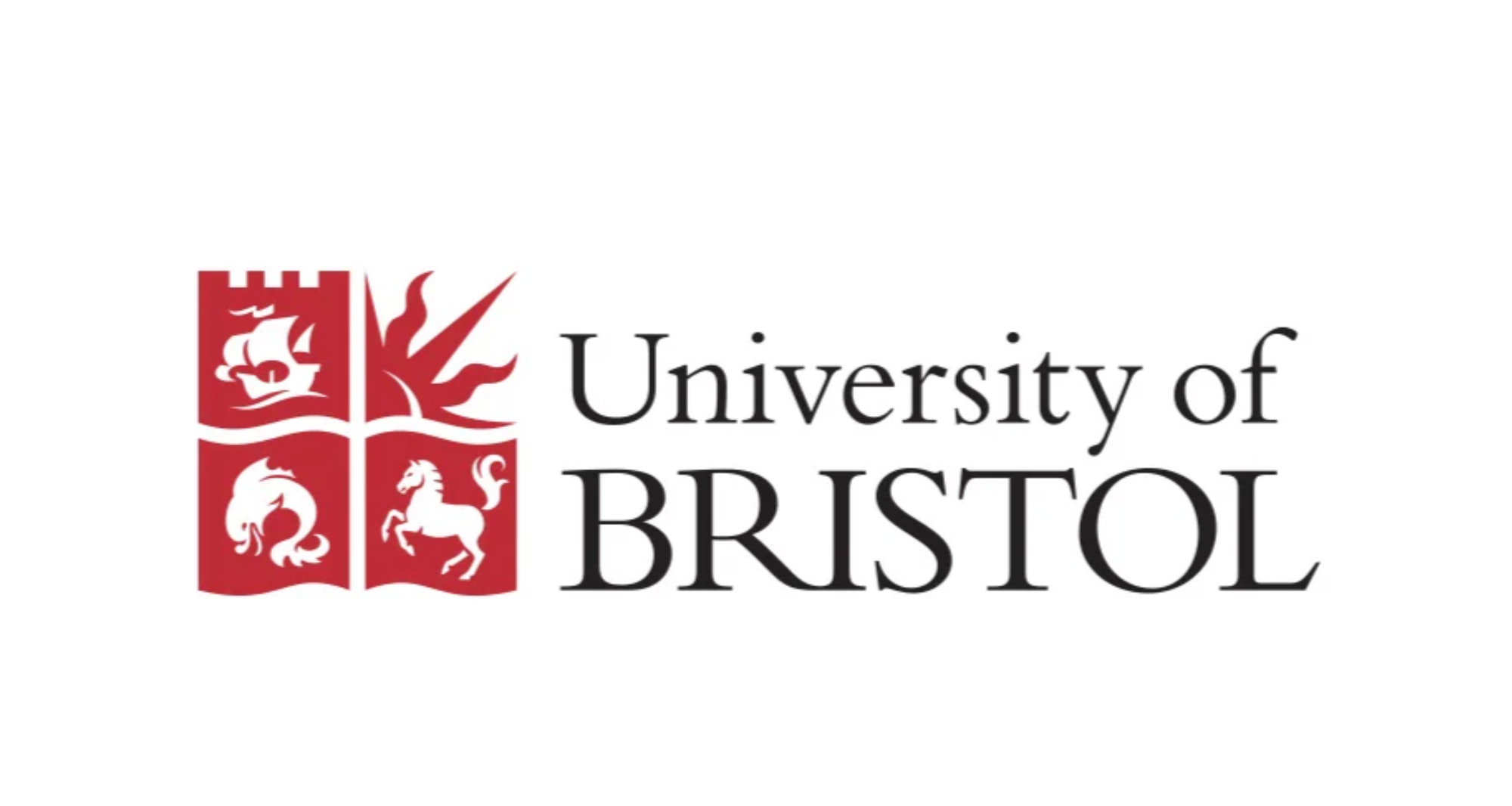
The shift from a person-linked emblem to a book asks whether this is an attempt to reframe the university’s identity around education rather than its benefactors. Does it depoliticise the issue, or does it meaningfully reset institutional values?
In a BBC article released late November 2023, Ebube Enweani, president of the African and Caribbean society, said it’s important the university acknowledge its past because 'you cannot pretend links to the slave trade do not exist.' However, removing Colston’s dolphin was comparatively 'easier' as there is no donor legacy to untangle. Renaming buildings or removing benefactor symbols - like the sun or the horse - risks backlash, donor relations, and traditions. So the university’s approach may be pragmatic, not necessarily inconsistent. This raises the question whether decolonisation is being driven by principle, feasibility, or a balance of both.
On top of that, conversations around decolonising the curriculum at the University of Bristol gained momentum in 2020-2021, before becoming more formally supported through workshops and teaching reforms in the years that followed.
 Zaina Odubeko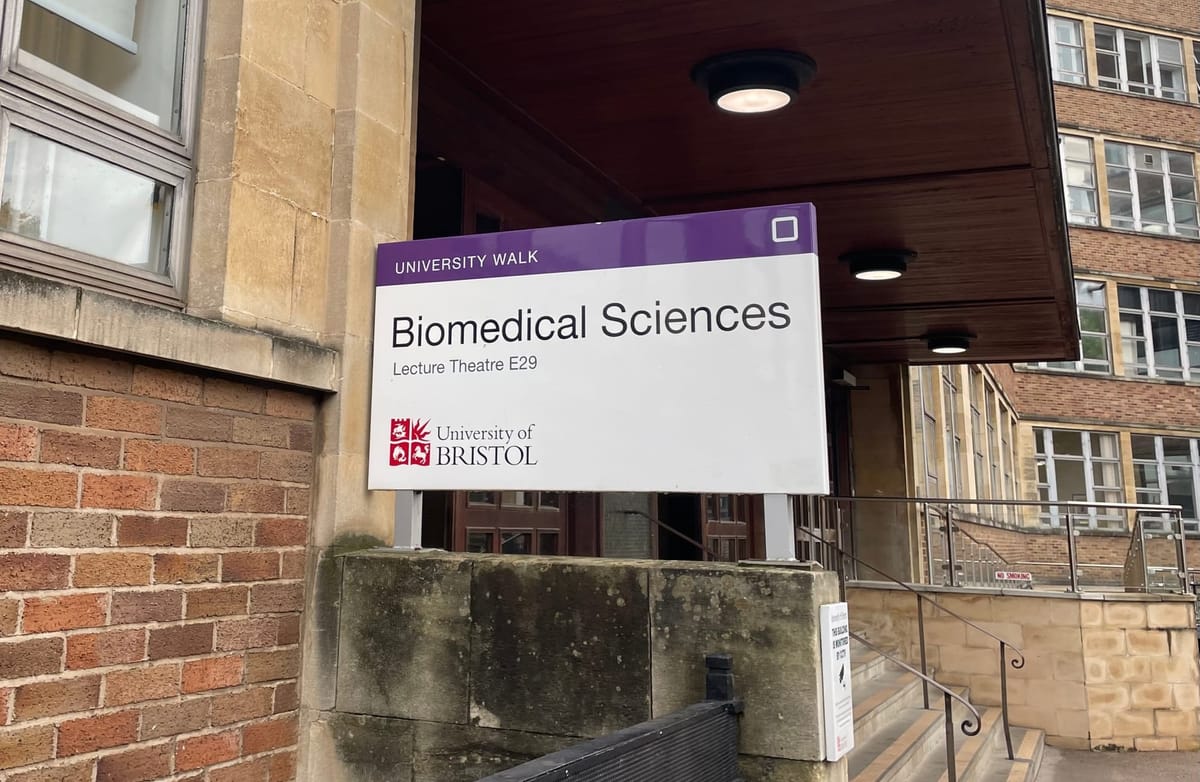
Decolonisation is not a one-time fix, but an ongoing process shaped by continuous reflection and dialogue. While the university has taken visible steps towards addressing its colonial legacies, its significance rests on how students experience these changes in practice. The conversation, much like the process itself, remains open - and that openness may be its most important measure of progress.
Featured image: Hanno Sie
Do we still need to think about renaming Wills Memorial Building?