
By Francesca O’Connor, Second Year, English and History
The history of queer representation in literature has evolved and diversified greatly over the last 250 years. This article will hone in on some of the most important texts within modern anglophone literature and consider the pivotal moments which shaped the LGBTQ+ literature of today. This LGBTQ+ History Month, let us explore the evolution and diversity of queer representation in literature.
The roots of LGBTQ+ representation in modern literature can be seen in the covert allusions to queer love in 18th-19th century literature. Oscar Wilde (The Picture of Dorian Gray (1890)) and Matthew Lewis (The Monk (1796)) were queer authors of gothic works, who used the shadowy genre to explore themes of homosexual longing and gender-bending. However, the fallout of the Cleveland Street Scandal in 1889 and the trials of Oscar Wilde in 1895 destroyed these covers and initiated a militant opposition to homosexuality, seen as an aristocratic disease, corrupting the lower-classes.
John Addington and Havelock Ellis’ controversial work Sexual Inversion (1897), the first medical textbook on homosexuality, may have influenced the transition to overt, more sympathetic depictions of homosexual love. Addington and Ellis applied the term “sexual inversion” to both homosexuals and transgender people and, whilst they noted the ability of these groups to be both good and intelligent, stressed the need for these abnormalities to be reduced through childhood education.
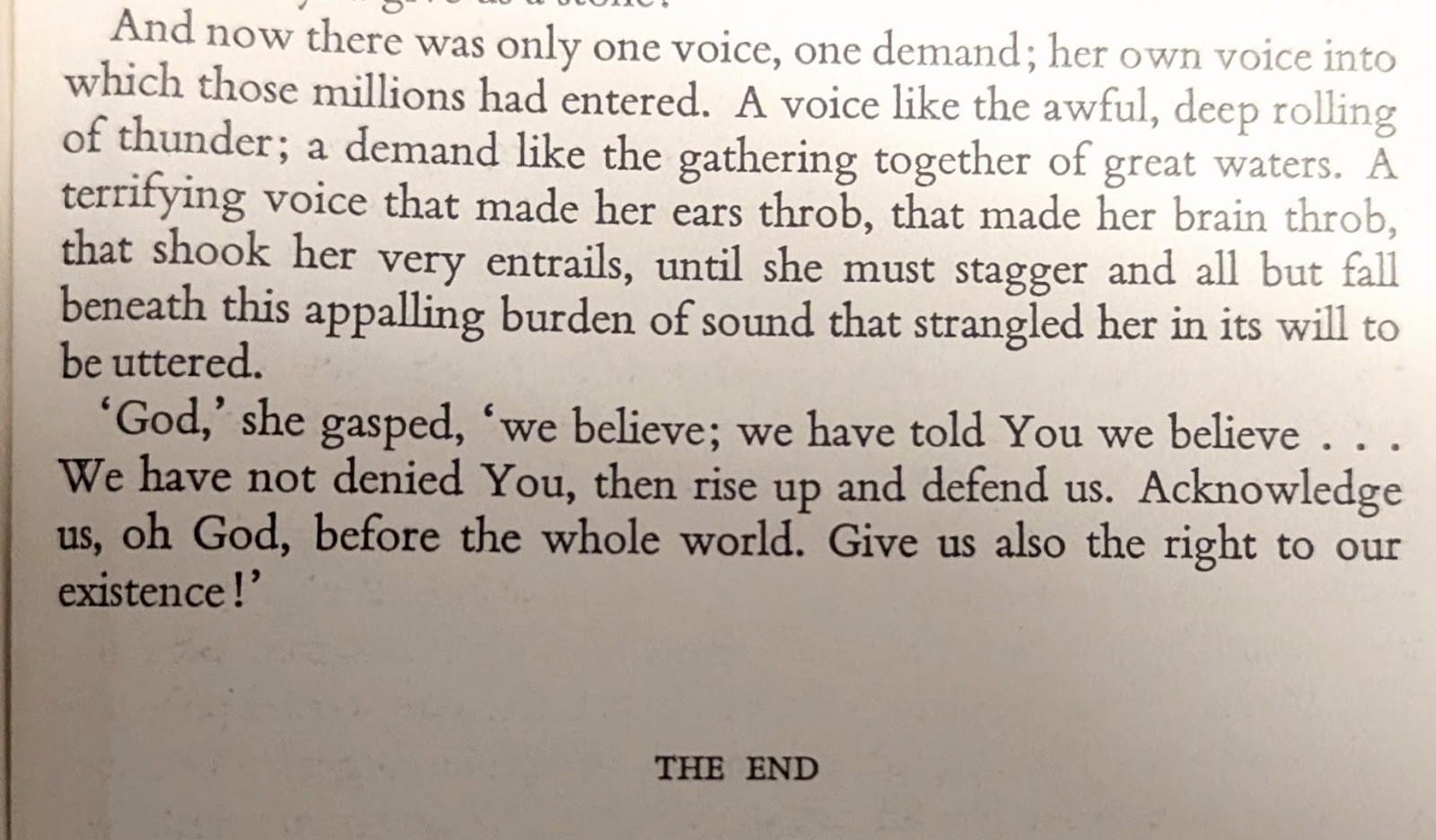
Employing the term ‘sexual inversion’, Radclyffe Hall’s The Well of Loneliness (1928) served as a response to these new categorisations. Centering on a female named Stephen Gordon, the book has been read as both a lesbian and transgender narrative. Hall incorporated Addington and Ellis’ idea of the sexually-inverted, yet moral character when constructing Stephen, however the book’s publication was met with outrage – as the editor of the Sunday Express famously declared, “I would rather give a healthy boy or a healthy girl a phial of prussic acid than this novel” – and The Well was soon banned following a highly-publicised obscenity trial.
By the mid-19th century, representations of queer characters had evolved in many ways, take, for instance, Patricia Highsmith’s The Price of Salt (1952). Highsmith abandoned the medicalized depictions of lesbian relationships, in which one character must be masculine – reflecting their ‘congenital inversion’ – and The Price of Salt is largely considered to be the first lesbian romance with a somewhat hopeful or happy ending. Selling nearly one million copies, the success of The Price of Salt signified an increased liberalisation within readership, which some critics have rooted in the increasingly rebellious literature of the Modernists and Beat Generation.

The mid-20th century saw an influx of LGBTQ+ writers, with depictions of queer love becoming much more humanised. For example, Christopher Isherwood’s A Single Man (1964) was a prominent existential work, which took the perspective of a man grieving the death of his boyfriend. Additionally, James Baldwin’s Giovanni’s Room (1956) presented a sympathetic tale, which highlighted the tragic consequences of discrimination and alienation.
Advances in the Black Power and Women’s Liberation Movement, as well as the high-profile Stonewall Riots of 1969, paved the way for a more politicised LGBTQ+ movement, which gave rise to many queer authors writing for justice. This is best exemplified by the feminist poets and essayists of the 1970s/80s, such as Audre Lorde (Sister Outsider (1984), Zami: A New Spelling of My Name (1982) and Adrienne Rich (Blood, Bread and Poetry (1986)).
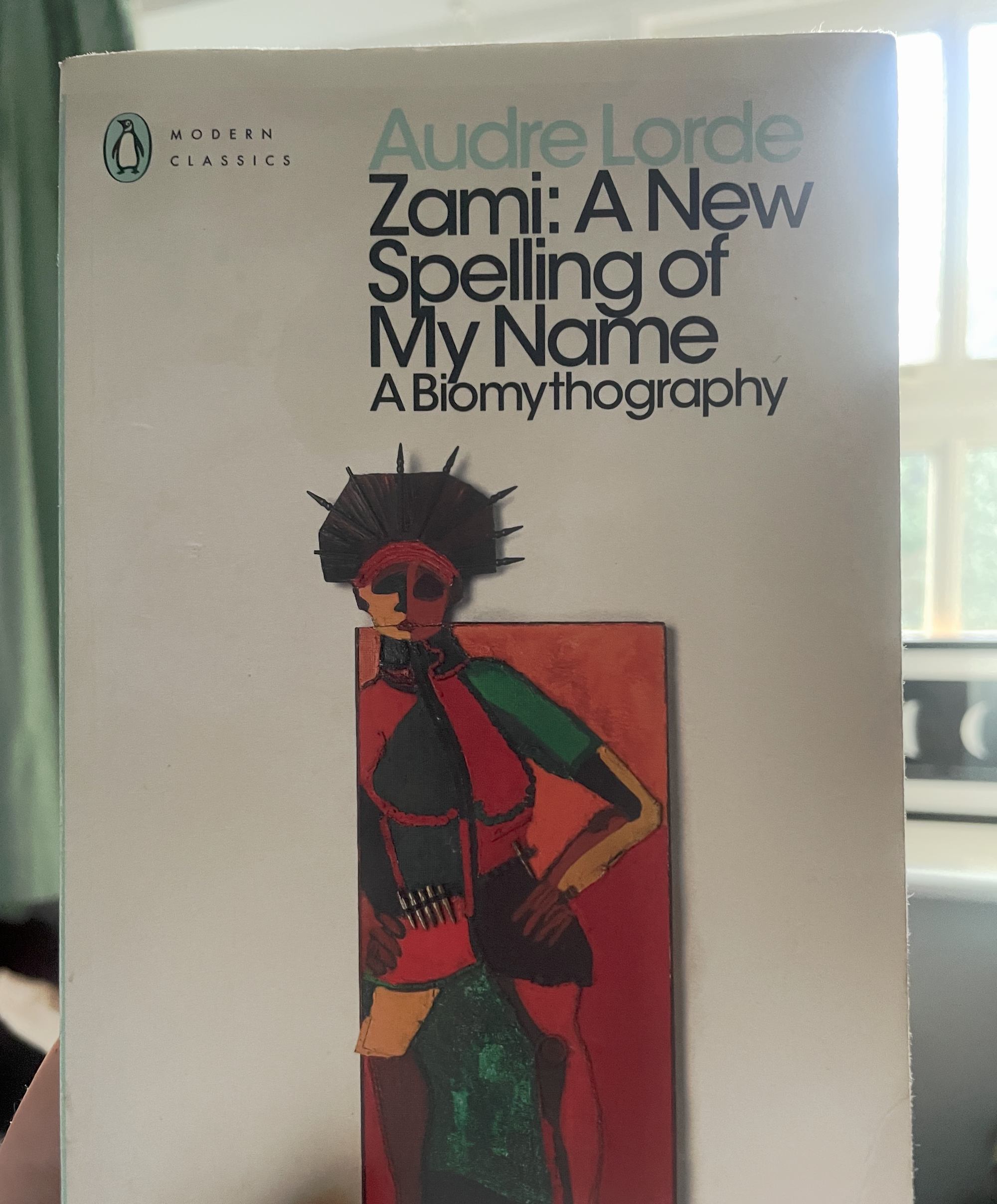
Lorde famously proclaimed herself to be a “black, lesbian, mother, warrior, poet” and played a huge role in the fight for black-, women’s- and LGBTQ+ rights, concerning herself especially with the divisions and intersections between these marginalized groups. Her poem Who Said it Was Simple illustrates the flaws in certain contemporary social justice movements, who exploited certain groups to make their own voices heard. As one at the bottom of this social hierarchy, Lorde ends her poem wondering “which me will survive / all these liberations.” (ll.17-18).
Writing at the same time as Lorde, Adrienne Rich is perhaps most remembered for coining the term ‘compulsory heterosexuality’ in her essay Compulsory Heterosexuality and Lesbian Existence (1980), which posited that the normalisation of heterosexuality was a political instrument to ensure male access to the female body – an idea that would influence the concept of ‘political lesbianism’, which swept through feminist circles in the 1980s. In addition, Rich wrote numerous poems reflecting her political beliefs, as well as a collection all about lesbian love, Twenty-One Love Poems (1976).
From then on, the presence of LGBTQ+ representation in mainstream literature persisted. In the 1980s/90s, authors such as Jeanette Winterson, Sarah Waters and Alan Hollinghurst published acclaimed works dealing with the queer experience. The current state of LGBTQ+ representation in literature can be seen as a mixture of reclaiming lost histories, normalising queer stories and seeking political/social justice.
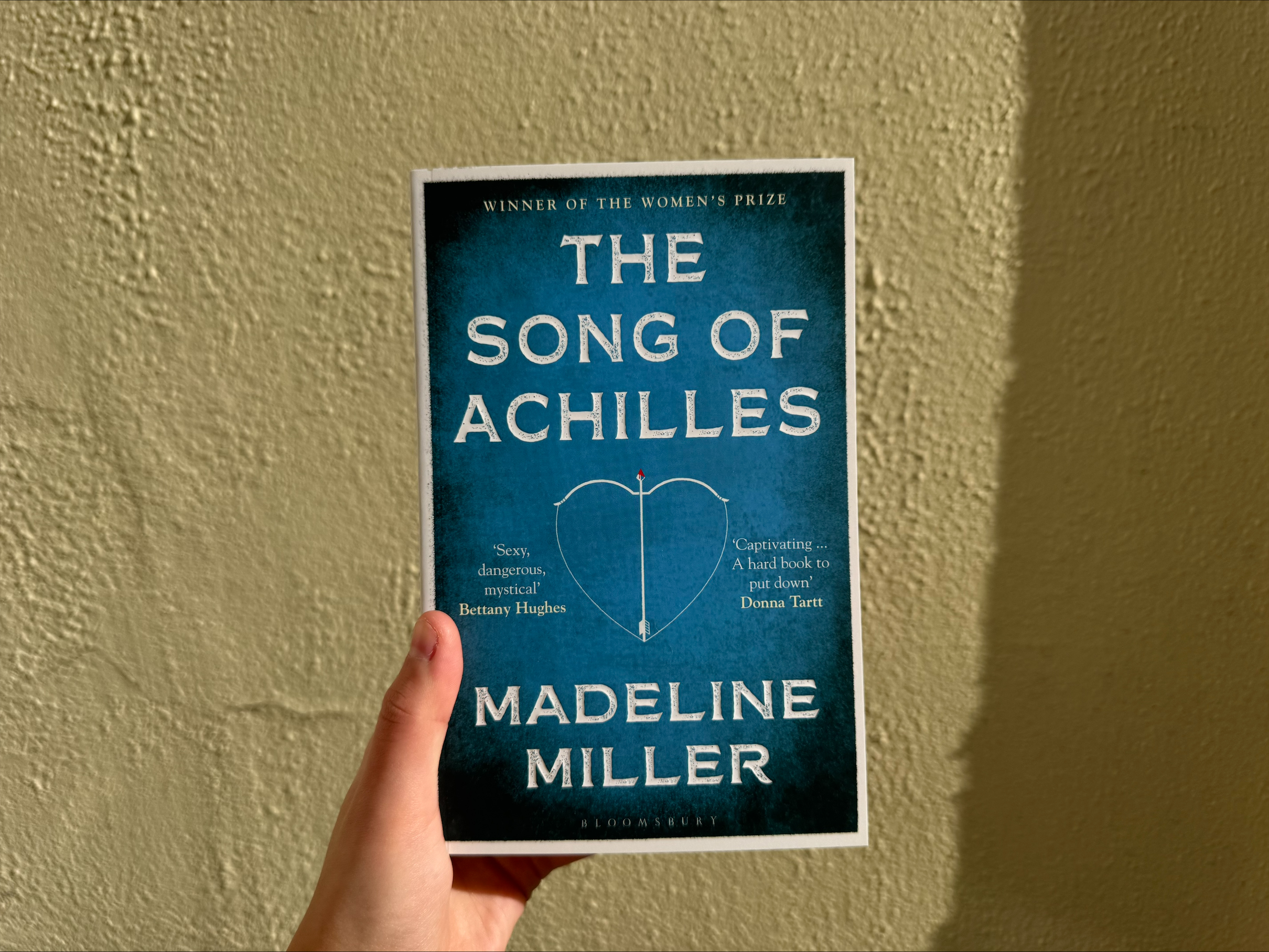
There has been an ongoing trend within LGBTQ+ literature that seeks to reclaim queer histories, which have otherwise been suppressed. Madeline Miller’s The Song of Achilles (2011) and Bernadine Evaristo’s Mr Loverman (2013) are perfect examples of this. Despite taking place in vastly different landscapes – The Song of Achilles following the romance of Achilles with his companion Patroclus during the Trojan War and Mr Loverman a fictionalised account of an Antiguan-born Londoner who has been having a secret affair with his male best friend for 60 years – both share the goal of reclaiming hidden queer histories. In an interview with The Guardian, Evaristo stated “I’ve always been interested in writing marginalised figures, to fill the silences in our society with fiction from underexplored demographics”.
Recent LGBTQ+ literature has also served to normalise queer stories, with works such as Torrey Peter’s Detransition, Baby (2021) and Becky Albertalli’s Simon vs. the Homo Sapiens Agenda (2015) focusing on warm portrayals of everyday life from a queer perspective.
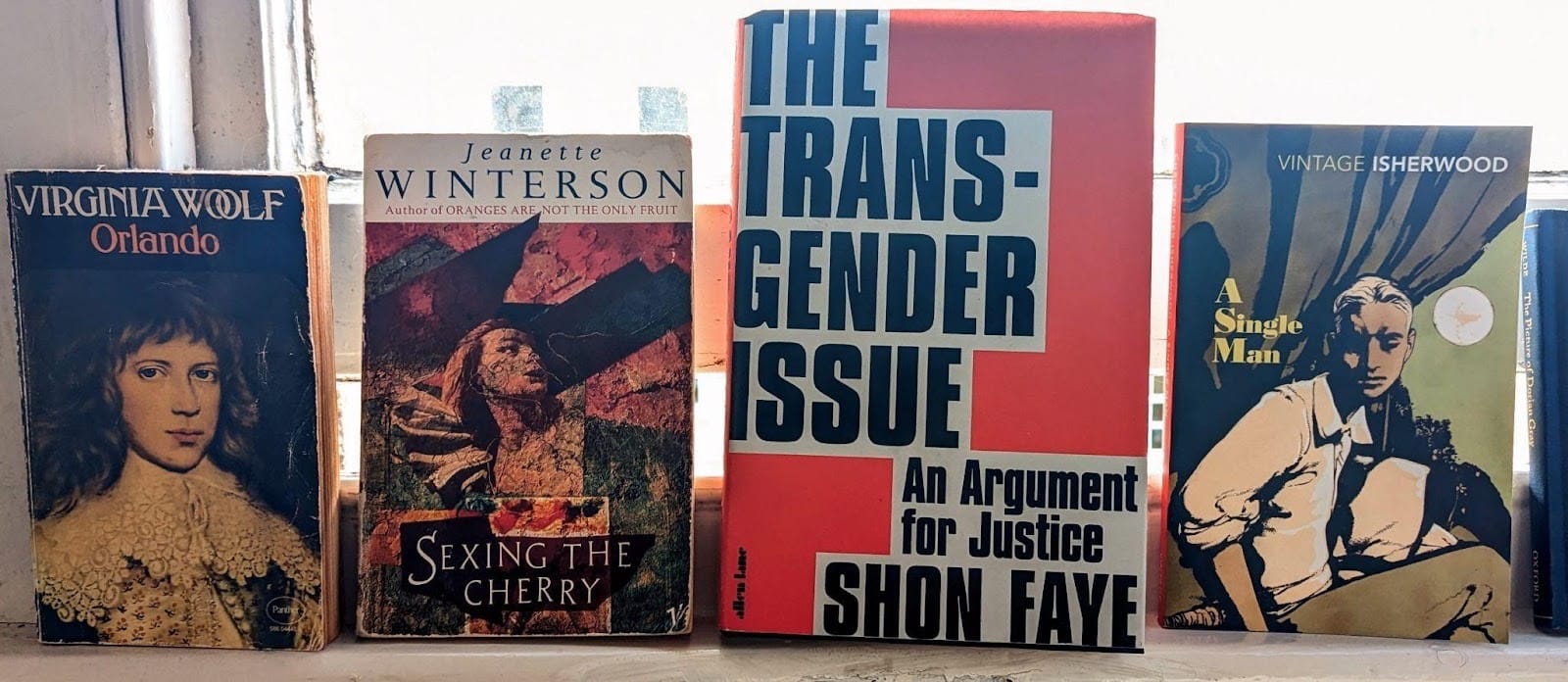
LGBTQ+ literature has continued its fight for social and political justice, with Shon Faye’s The Transgender Issue dealing with the effects of social class, sex work, employment, prisons, etc on transgender people. This work is an important development, demonstrating an increased interest in transgender issues, which were often neglected in mainstream works of LGBTQ+ literature.
 Alex Boersma
So, this LGBTQ+ History Month, I invite you to read a literary work by a queer author and consider the long history in which it exists.
Featured Image: Epigram/ Alex Ambroży
Which queer novels have you read?