
By Megan Stannett, Fourth Year, Cellular and Molecular Medicine
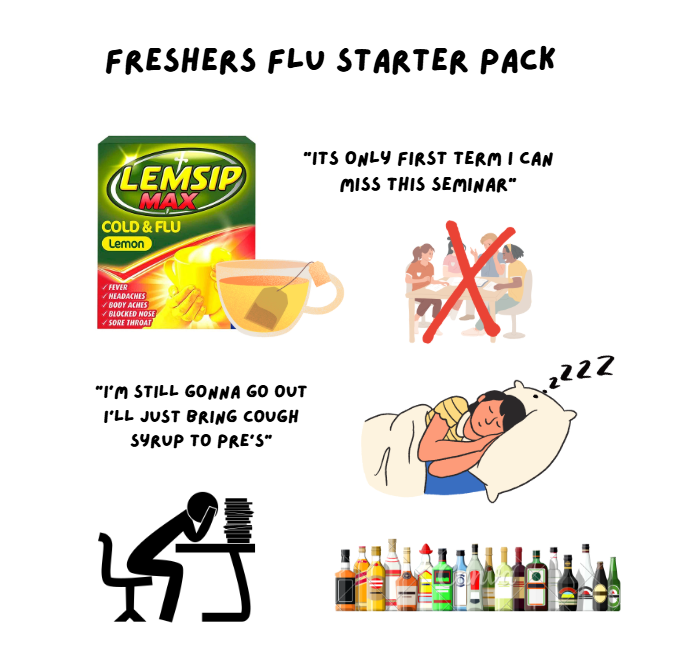
There’s nothing more daunting than catching the annual bout of freshers’ flu in the first term of university. It’s almost an obligatory part of the uni experience- the countdown to which housemate falls first, and the inevitable spread between flats and course mates. Even with the colder weather, heavy drinking, hangovers, and lower hygiene standards of student life - it’s nothing a day in bed with some Lemsip can’t fix.
But every year, serious infections like meningitis and sepsis are mistaken for this all-too-common flu. These cases are rare, but knowing the difference can literally save a life. This doesn’t mean you should pester your local A&E every time you get a temperature, but it’s definitely important to learn the signs of something more serious.
The Classic Freshers' Flu
Despite feeling as though you’ve been hit with the bubonic plague, fresher’s flu is usually some combination of brewing viral infection, heavy alcohol consumption, the body’s immune response, and usual student tomfoolery. It’s no mystery to immunologists - bringing thousands of young people together in close quarters is the perfect environment for bugs to mix and spread. And despite presenting with similar symptoms, 'freshers’ flu' isn’t actually the flu, as it can be caused by various viruses. Typical symptoms include a sore throat, mild fever, fatigue, and an itchy cough, and can usually be shaken off with some rest and over-the-counter medicine.
However, in some rare cases, these symptoms overlap with the signs of much more serious conditions that can lead to devastating consequences if left untreated.
Meningitis
As September rolls around, cases of students who mistook a meningitis infection for freshers’ flu emerge in the media, highlighting the need to recognise warning signs as university starts up again. Meningitis occurs when the protective membranes (the meninges) surrounding the brain and spinal cord become infected, triggering the body’s immune, leading to inflammation. This inflammation, combined with the infection, causes severe damage to the affected nerves and brain tissue.
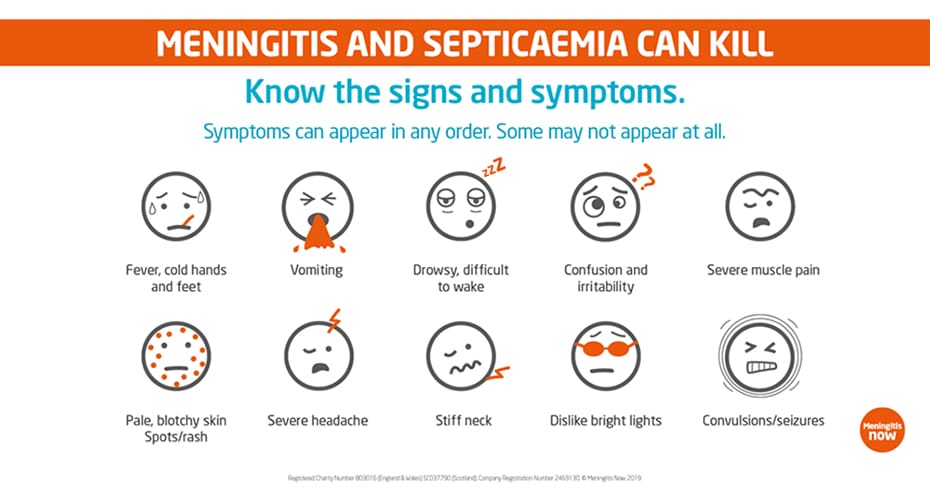
Meningitis is usually caused by a bacterial or viral infection, with the bacterial kind being rarer but more serious. It can spread through sneezing, coughing or kissing, but is often caught from unaffected carriers. According to the NHS, symptoms of meningitis can include fever, vomiting, cold hands and feet, confusion, pale or mottled skin, headache, spots or a rash, fast breathing, a stiff neck, dislike of bright lights, drowsiness or unresponsiveness, and seizures. Another sign is a rash that doesn’t fade when pressed with glass - this is a serious red flag for sepsis, which may have been caused by meningitis.
Meningitis is treatable following diagnosis, and most students will already have received vaccines that protect against certain strains, including the six in one, MMR, MenB and MenACWY vaccines. However, the severity of this infection can be down to how quickly it’s recognised and treated, with around one in ten cases of untreated bacterial meningitis being fatal. Long-term complications can include hearing or vision loss, memory problems, epilepsy, and even limb loss. This is why taking immediate action to seek treatment makes a big difference.

Sepsis
Another condition to be aware of is sepsis, a life-threatening reaction to an infection that can cause organ damage or failure. It occurs when your immune system overreacts to an infection, triggering widespread inflammation which starts to damage your own healthy tissues. The condition is viewed on a scale, ranging from bacteraemia (presence of bacteria in the blood) and septicaemia (blood poisoning), to sepsis and septic shock. It cannot be spread between people, but the infections that cause sepsis can be.
Sepsis is usually caused by bacterial infections, the most common including pneumonia, UTIs, liver infections, skin wounds, and meningitis. There are many possible symptoms of sepsis, with some which may overlap with common infections like the flu. But general symptoms include a ‘sepsis rash’, weakness, fast heart rate, low blood pressure, fever or hypothermia, clammy skin, confusion or agitation, hyperventilation or shortness of breath, and extreme pain or discomfort.
Treatment for sepsis needs to begin immediately, as it can progress to septic shock, the most fatal stage, in as little as 12 hours. The majority of people who receive treatment quickly do make a full recovery, but may experience possible long-term effects, sometimes called post-sepsis syndrome. Furthermore, those who have had sepsis are more likely to develop it again, so any new infection must be treated promptly.
Sepsis can affect anyone, that’s why it’s important to practise good hygiene, keep cuts and wounds clean and covered, and stay informed.
In Conclusion
University life comes with plenty of firsts, and learning to look after your health is one of them. At the end of the day, freshers’ flu is practically a rite of passage, and most of the time it’s nothing to worry about. But being aware of when something feels different is key. It’s not about panicking over every cough or fever but knowing your body and being prepared to speak up when things don’t feel normal. And as much as you look out for your flatmates on nights out, it’s just as important to look out for each other’s health. Spotting the signs early, sharing what you know, and encouraging someone to get help if they need it can genuinely save a life.
If you or someone you look after has symptoms of meningitis or sepsis, call 999 or go to your nearest A&E. Trust your instincts and don’t wait for all the symptoms to appear or for a rash to develop, as someone with meningitis or sepsis can get worse very quickly. If you’re unsure whether it’s serious or think you may have been exposed to someone with meningitis, call NHS 111 for advice.
For more information, visit the NHS website or the UK Sepsis Trust.
Featured Image: Epigram / Jemima Choi