
By Toby Painter, First Year, Chemistry
Valentine’s Day has just been and romance is in the air, giving the salacious team at Epigram the perfect excuse to write about something sexy. This time we’re diving into the exotic and wacky world of the aphrodisiac and asking the all-important question: do they actually work?
An aphrodisiac is any chemical that increases sexual attraction, desire, or pleasure. These can be manmade drugs, including MDMA and meth, but the most used aphrodisiacs are found in nature, such as cannabis, ginseng or the aptly-named ‘horny goat weed’. The ways in which they affect the body to produce their psychological and physical effects vary, from altering hormone/neurotransmitter concentrations (such as testosterone or dopamine) to stimulating blood flow into certain areas. However, for many foods with a rep for sending people direct to pound town, the cause is not quite so tangible…

Aphrodisiacs were used extensively in ancient Chinese, Indian, Egyptian and Greek cultures, but, for the most part, our ancestors weren’t consuming them to get freaky for the sake of it. Procreation was highly valued, and the inability to get the job done would have been seen as incredibly humiliating. Aphrodisiacs may have allowed men and women with sexual dysfunctions to have children and live what society deemed a normal life.
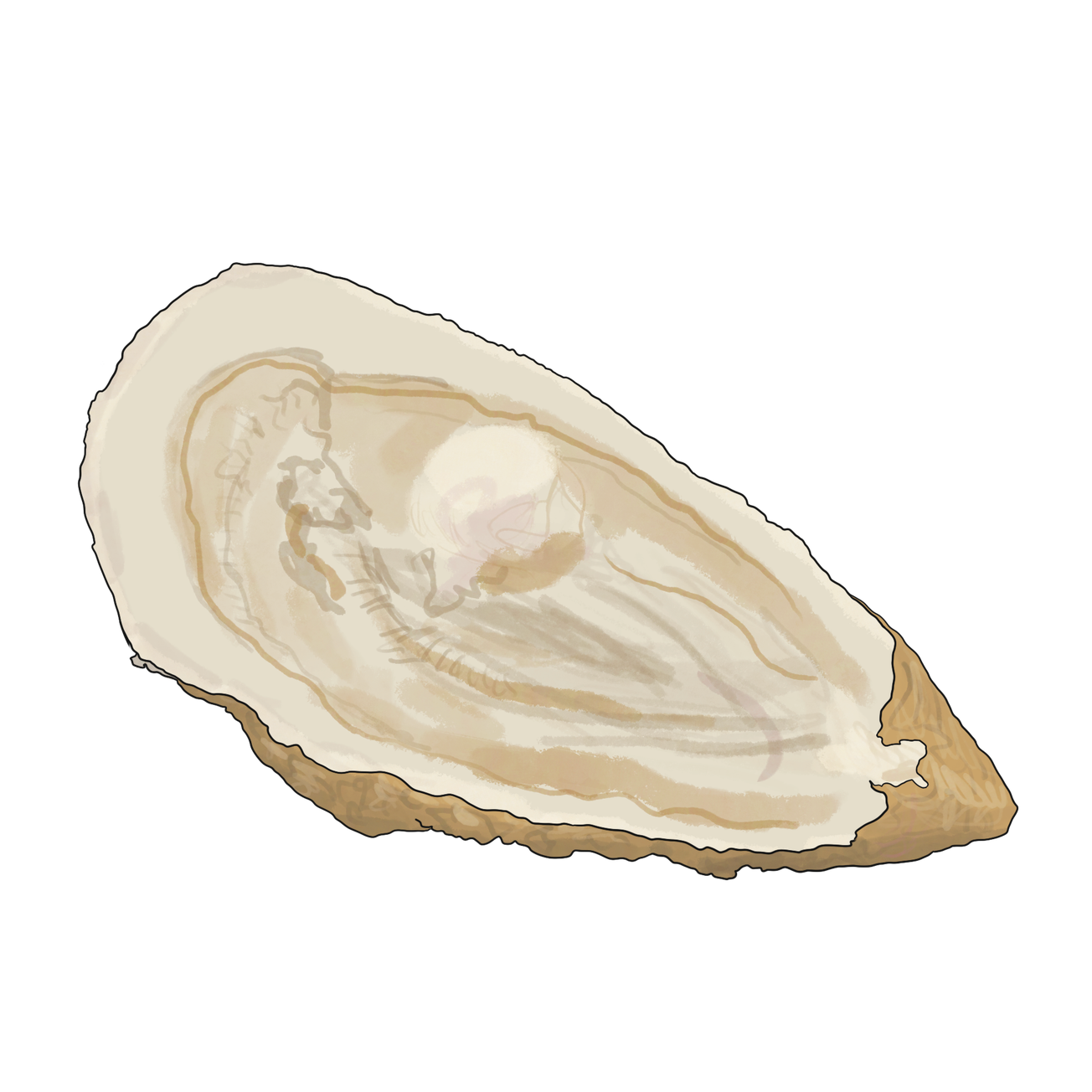
That said, using aphrodisiacs purely for fun is not new. In the 1700s, Giacomo Casanova’s promiscuity became so well known that the name Casanova has now become a byword for a male seducer. In his biography, when he wasn’t narrating his tales of debauchery, he recounted how he would eat up to 60 oysters a day in an effort to maintain his prodigious libido. Though the dedication required to consume that quantity of oysters is undoubtedly impressive, there isn’t much scientific evidence to suggest that they were actually the source of his sexual prowess.
Oysters are however a great source of zinc, an essential and often difficult to get mineral for all sorts of bodily functions. While this does include some chemicals linked to libido (dopamine and testosterone) the link is at best tenuous. There’s simply not enough evidence to show that the zinc from oysters can directly boost sexual desire or pleasure. I’m sure your body will still thank you for the extra zinc though.
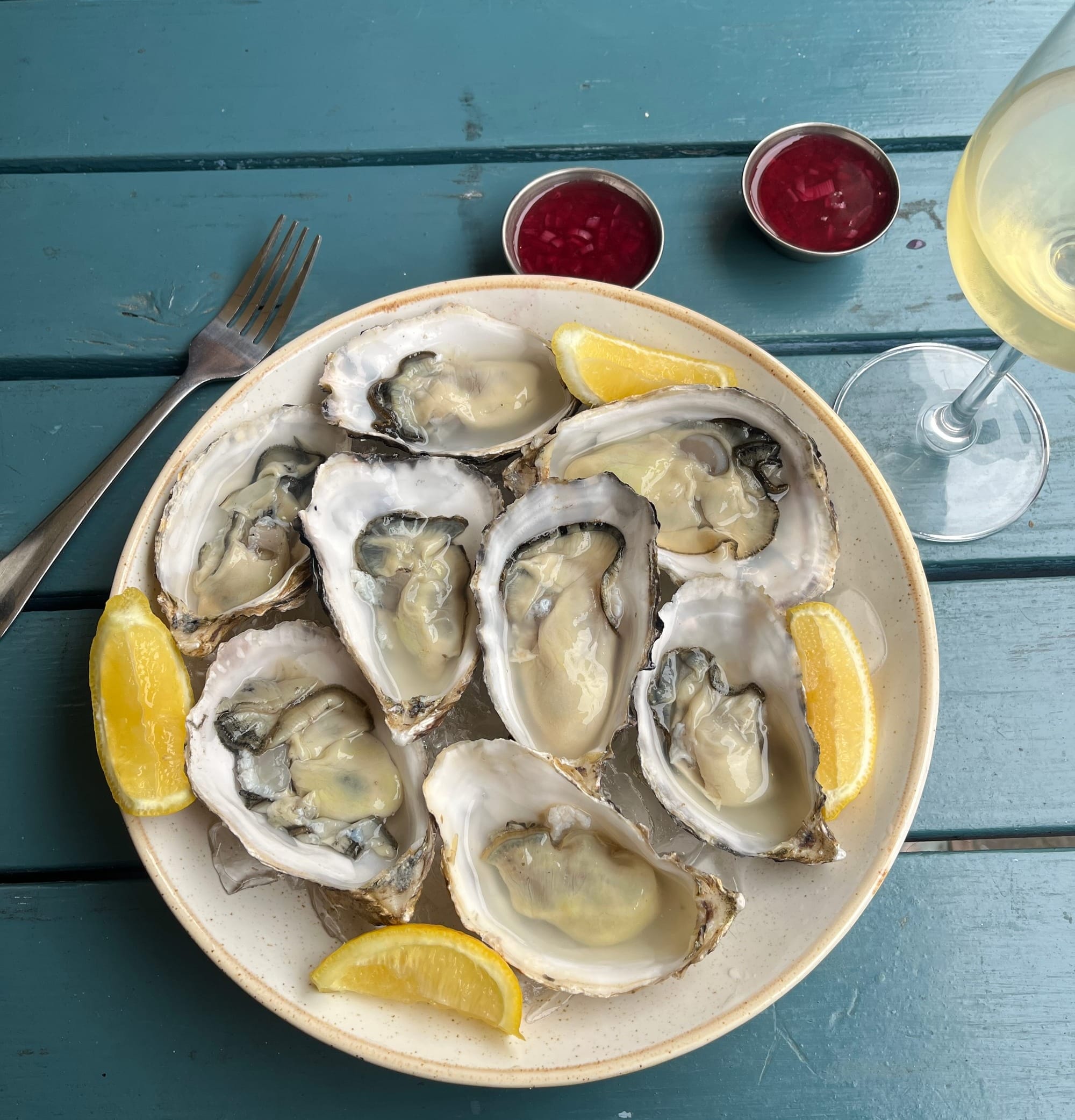
There is, however, one factor that explains why oysters still seem to increase libido: the placebo effect.
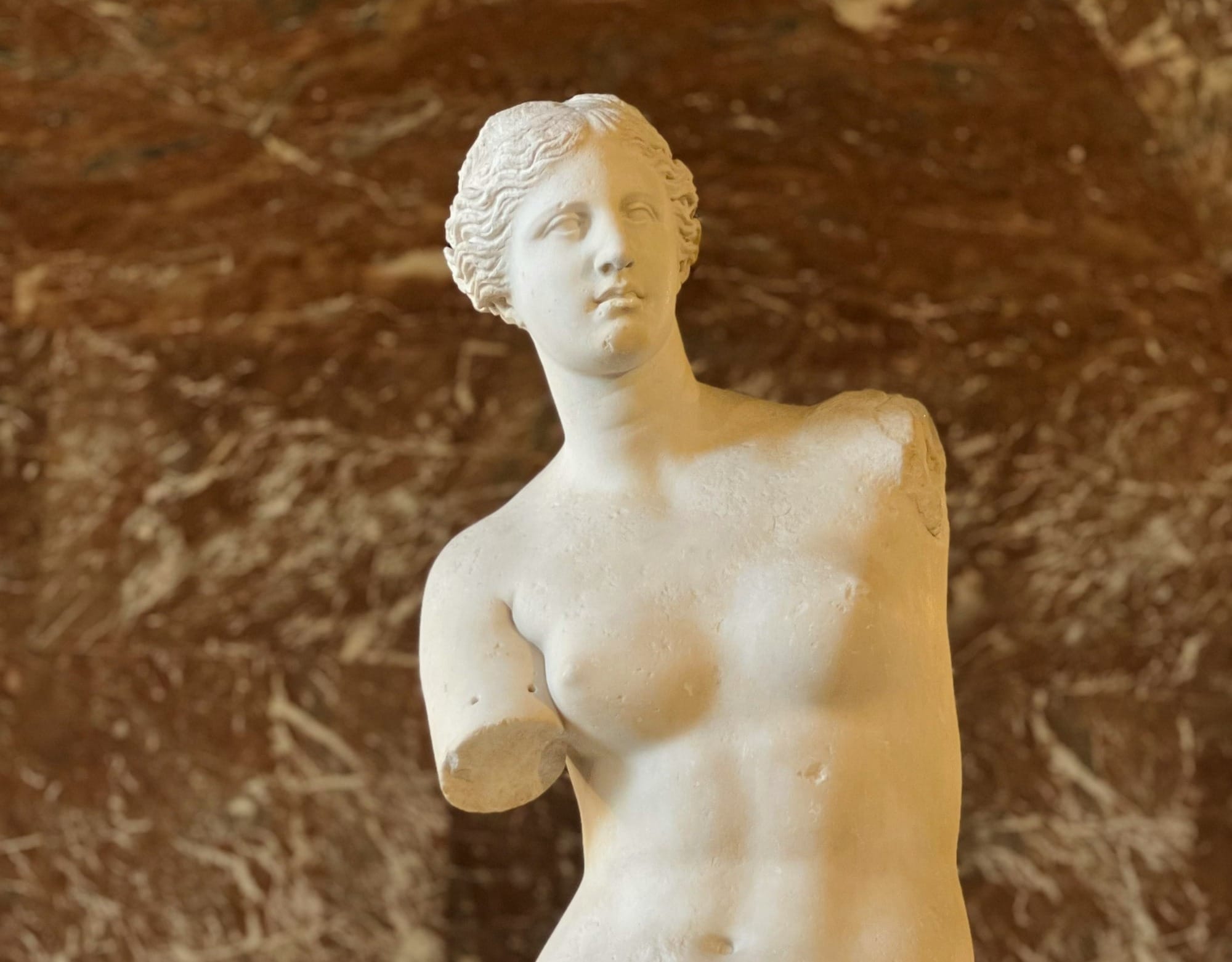
Humans have believed that oysters have aphrodisiac-like effects since ancient Greece. The idea stems from their association with the sea where Aphrodite (the goddess of love) was said to be born, as well as their resemblance to female genitalia, and this belief has only become more ingrained with stories like those of Casanova. When someone eats an oyster, therefore, the expectation of a feeling of enhanced sexual desire actually affects their brain’s chemistry resulting in the effect they were anticipating.
It’s just the same for many other foods with reputations as aphrodisiacs, such as chocolate, honey and strawberries. These are all shown to have positive impacts on the body in general but aren’t proven to enhance libido specifically in any way. Most of their aphrodisiac potency comes from their status as 'romantic' foods, often given as gifts between lovers. Any amorous feelings after consumption are therefore more likely to be caused by the associations of these foods with romance than any particular biochemical pathways.
The line between what is and isn’t an aphrodisiac is blurry: clearly in many cases their effects depend more on context and expectation than the food itself. There are some plant-based compounds that show promise at being “real” aphrodisiacs, but these are rare and often taken as supplements rather than eaten. So if you’re looking for the perfect meal for a saucy date, don’t feel the need to fork out over an expensive plate of oysters when a box of chocolates can get tents pitched and cheeks flushed – because when it comes to the placebo effect, it really is the thought that counts…
 Alice Williams
Featured images: Corin Hadley/ Procreate
Do you think aphrodisiacs are placebo?