By Lulu Shasha, Third Year, History
In a recent piece for the Sunday Times on how to ‘be better’ in 2026, Hadley Freeman dismissed podcasts as part of the problem behind our collective dejection. Despite having ‘the entire history of music in our pocket,’ she argued, we choose instead to listen to 'self-appointed experts' telling us how to improve ourselves, caricaturing the medium as one in which ‘97 per cent of podcasts consist of two men agreeing with each other or two celebrities congratulating one another on their ‘journey’.’
I understand the irritation. We live in a world that relentlessly encourages self-improvement, from Fitbits monitoring our exercise to ads hawking potions and lotions that promise to make our 'undesirables' disappear. But from my own experience, and from what I’ve observed among students around me, podcasts are more a source of reassurance than a cause of despondency. Here’s why I’m not as quick to deride the podcast.
Amongst us digital natives it is difficult to imagine a time without the podcast. Since 2004, when MTV video jockey Adam Curry, and his pal the software developer Dave Winer had their eureka moment and found a way for Curry to download radio broadcasts to his i-pod (hence the name podcast), the medium has ballooned. Monthly podcast listenership in the UK reached 15.5m in 2025, with an estimated 61 per cent of Brits aged 16-34 being monthly podcast consumers.
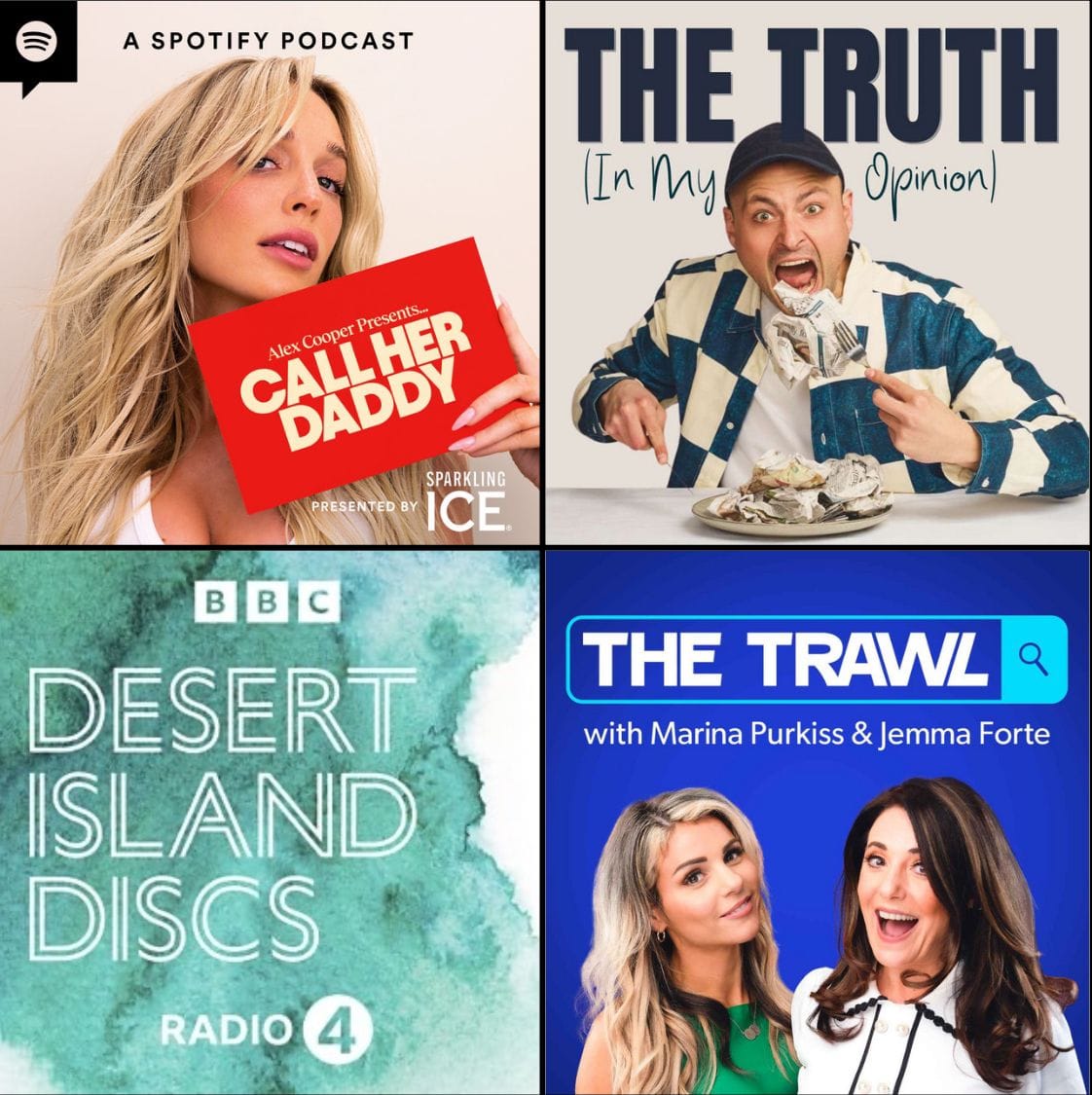
Such a high number hardly seems surprising. The frenzy of student life puts a large bounty on the convenience, and congenial company the podcast offers. In trying my best to keep up with my studies, maintain a social life, and cultivate an erudite personality, the podcast has been my saving grace. As such, my housemates are routinely made aware of my cooking or showering schedule by the low hum of online voices drifting from wherever I happen to be.
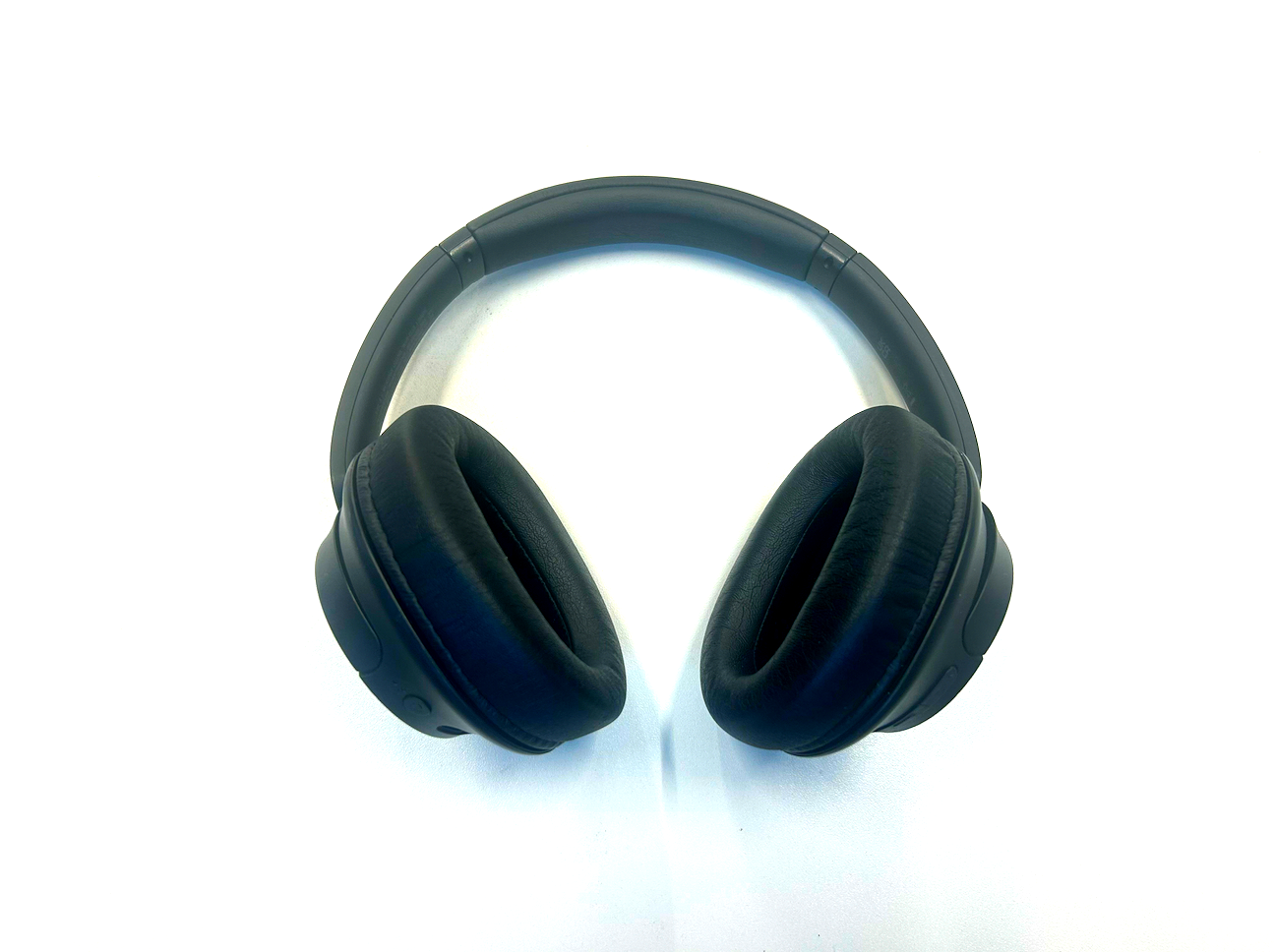
However, I don't think that the success of the podcast is solely a symptom of modern life that leaves us time-poor whilst insisting that we achieve our best selves. To reduce it to that would overlook its emotional appeal. For one, I feel loyal to the podcasters I listen to. I want to be updated on what they may have had for breakfast that day, and yearn for another embarrassing anecdote they may dish out to remind us of their humanity. During my first year of uni, trudging on and off of the U1 bus, caught in the monotony of routine, I would sometimes go an entire day without uttering a word to anyone. From the outside, headphones on and eyes fixed ahead, I must have appeared withdrawn and isolated; yet internally, the voices of those podcast pundits kept me company, a quiet parasocial interaction that softened the loneliness. A 2022 study titled Why people listen: Motivations and outcomes of podcast listening reported that ‘podcast listening could help people satisfy their basic psychological needs’ and that listening to podcasts can quell needs for ‘relatedness’ the feeling of being socially connected.
This effect has guilefully been capitalised upon. Whilst we form connections with the hosts we follow, we are also subtly ushered into public figures’ exercises in personal branding. Politicians and celebrities alike have realised that taking the time to engage in ostensibly unscripted conversations with self-made interlocutors, meandering through personal and professional trivia replete with odd quips, helps to cultivate an image of affability.
Famously, in the months running up to the 2024 presidential election, Donald Trump appeared on comedian and podcaster Theo Von's This Past Weekend, while Kamala Harris featured on Alex Cooper’s Call Her Daddy. In an age oversaturated with information, this offered a clever way to tap into new audiences and arm listeners with a vocabulary to disseminate campaign narratives. Cooper opens her episode by addressing her loyal ‘Daddy Gang,’ emphasising the novelty of the encounter: ‘I do not usually discuss politics or have politicians on this show.’ The interview is framed as a personal exchange, a ‘deep chat’ between two friends touching on serious issues of sexual abuse and reproductive rights. Meanwhile, Von and Trump bond over discussions on personal and familial struggles with addiction, a context that later produced the viral clip in which Von tells Trump that ‘cocaine turns you into an owl, homie.’ Trump congratulates Von on his success, noting that his son, Barron is ‘a big fan’ to which Von replies in awe remarking that he ‘can't believe’ he is ‘able to get platforms’ and that the show only began in his kitchen.
 Epigram Music
Perhaps then, more than the information circulated within podcasts, it is what podcasting represents that resonates most with students. The phenomenon of the triumphant podcasting career embodies a sense of accessible legitimacy: it can begin anywhere, from Cooper’s New York apartment or Von’s kitchen. Contrary to the graduate schemes and job applications that seem to require a plethora of training and expertise, the success of the podcaster, in theory, is up to personality and drive. This month, the first Golden Globe for a podcast was awarded, and on the official website, it is stated that it represents ‘an effort by the Globes to recognise the top of the field in an expanding entertainment industry, where personality-driven productions are now at the centre of attention for audiences.’
Is the podcast selling us the digital age’s 21st century version of the mid-war ‘American dream’ that anyone can achieve social mobility if through some hard work, tenacity... and a bit of charisma?
For now, at least, I’ll be keeping the podcast.
What's your go-to podcast?