By Laura Cooper, Third Year, Film and English
Laura Cooper switched to the University of Bristol from Cambridge, finding the elitism hard to adapt to. However, Bristol too can pose cultural barriers for state-school students. She has spoken to fellow Bristol students to explore how their background impacted their university experience, both socially and academically.
The Russell Group - Britain’s collective of 24 research-intensive universities - has an air of prestige that can feel daunting for incoming students. Being accepted into these universities is a huge achievement, yet while many students fit right in, an equal amount become overwhelmed. This comes from a variety of factors, from academic intensity to social elitism, and begs the question; does one need to fit a mould to feel at home in a Russell Group?
First of all, not all Russell Groups are built the same and different places suit different people. My experience began as a terrified first year at the University of Cambridge and upon arrival, I found my fears to be justified. The extreme academic pressure I was under left me no time to enjoy hobbies or socialising. I also found the institution's archaic traditions consistently baffling rather than exciting (perhaps I just didn’t suit the gown). My mental health began to spiral, so I dropped out and put my faith in Bristol’s more metropolitan atmosphere.
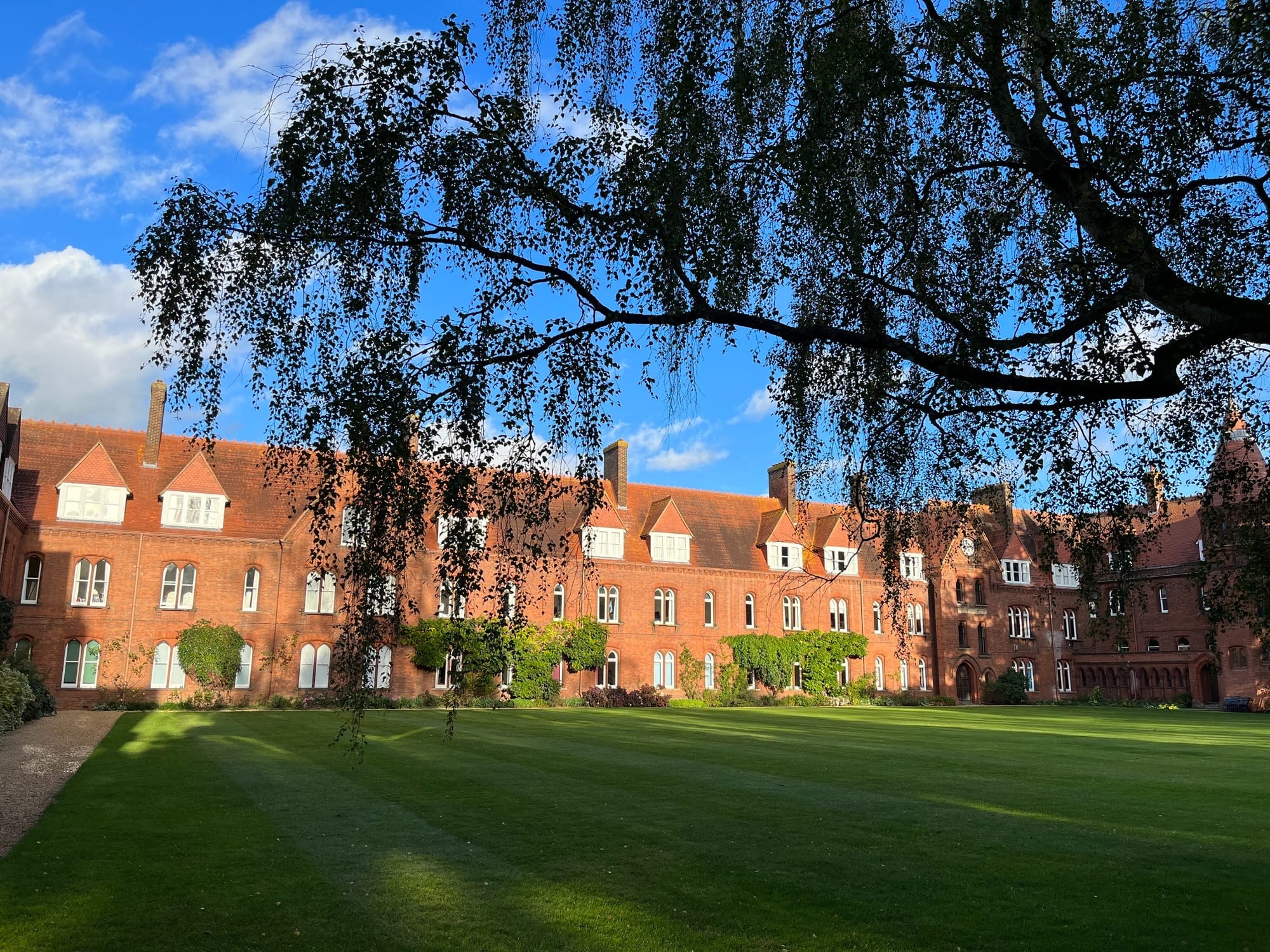
I spoke with a friend who completed his three years at Cambridge despite having similar feelings to my own. He said his life there became ‘immeasurably more chaotic and boring’.
Ewan Jones, (BA) History and Politics - ‘for certain people, like me, (Jones jokingly describing himself as a ‘socially awkward communist’) the social-climbing, rigidity of organisation, and opportunities for things to blow up in your face just makes it not worth it.’
He supposed that ‘Bristol is probably completely different’, and for me it truly was.
Drop out rates at the University of Bristol are extremely low at approximately 3.4 per cent, but given my previous track record, I feared that the problem was my own personal differences and I wouldn’t fit in wherever I went. Thankfully, I proved my fears wrong and settled into a vibrant life in Bristol. I found like-minded people by getting stuck into various societies and got my mental health back under control with the help of the university student support services.
I wanted to look into instances where students felt their personal differences hindered their enjoyment and comfort while studying at Bristol. After opening this discussion to a group of peers, I received multiple responses from students on the university’s class divide.
In 2025, 24.6 per cent of the University of Bristol’s students had come from private education, compared to the 6.4 per cent of Britain’s children that attend these schools. This disparity, along with the university's location in the affluent Clifton area, creates a distinctive student culture that can feel alienating for those from comprehensive school backgrounds.

I spoke with Rhona McRae, (BA) Liberal Arts, who struggled with the social politics of her halls in first year.
‘Adjusting was difficult after coming from an environment where all of my friends had lived essentially parallel lives to me. I expected to meet swathes of likeminded people when I got to Bristol, but upon arriving in a catered accommodation in Clifton, I had to learn to blend in with a crowd of people who had grown up with private chefs, and brace myself for the dreaded question of ‘what school did you go to?’
As the weeks went on, she continued to feel strangely secluded:
‘Cliques of kids from the same or sister private schools were formed quickly in the dining hall, and I felt I had to adjust to being on the very edge of a group who had prepared their whole lives to come to a university like Bristol, whilst for me, it felt like luck.’
She also shared an unpleasant but illuminating conversation she had around this time:
‘I brought up how I had been feeling to a new wealthy friend of mine, expecting her to be empathetic. I talked about how everyone was so much better off than me and how I felt completely out of my depth. She said that actually, her dad had lost a lot of money through decreasing stocks in his company last year, and that her dad’s friend had to downsize his house because of it, so my assumptions around wealth were actually shallow and judgmental.
The thing is, I don't think my parents even really know what stock is, let alone enough to lose any. I know kids who have lost their homes outright and whose families have had to rely on free school meals to feed their children. Her response felt like a slap in the face, as she seemed to be shutting down any opportunity for real class discourse. I didn't bring it up with her again.’
McRae expressed that as her studies went on she was able to find a number of friendships with more likeminded people, but always felt disillusioned by her experience.
I also spoke with Jas Mack, (BA) English and Film, who stressed that their time in Bristol has mostly been very positive, never struggling to settle into the city or form friendships. Their main issue was not social, but academic; pointing out the massively uneven playing field that students start their studies amongst.
‘My secondary school wasn’t anything special, in fact I received a contextual offer due to my school’s reputation as well as some other extenuating circumstances, so starting at a Russell Group uni where most of my peers got straight As and came from private or at least ‘good’ schools was a jump up for sure.’
This experience has taken a toll on Mack’s academic confidence, them stating that
‘I feel like an imposter most of the time, especially in seminars where it’s obvious many of my classmates have seen the material before or studied it at their previous schools, when I have not.’

‘It's hard not to feel stupid or wonder how I ended up here. I've always been different and I thrive off that feeling but I was used to being one of the smartest in a pretty dumb pool and now I'm middling at best and that’s difficult to come to terms with.’
It certainly seems from these insights that Russell Group environments are easier to adjust to for those already accustomed to elite education (an issue which is often agreed upon but rarely properly addressed), yet it is by no means impossible to have a fulfilling few years without such an upbringing. Fitting the mould, if such a thing is achievable, is hardly the key to being happy at university. It is more important to seek communities where you feel accepted for who you are, and avoid staying quiet if you find yourself struggling as your fears are probably far more common than you think.
 Madeline Richards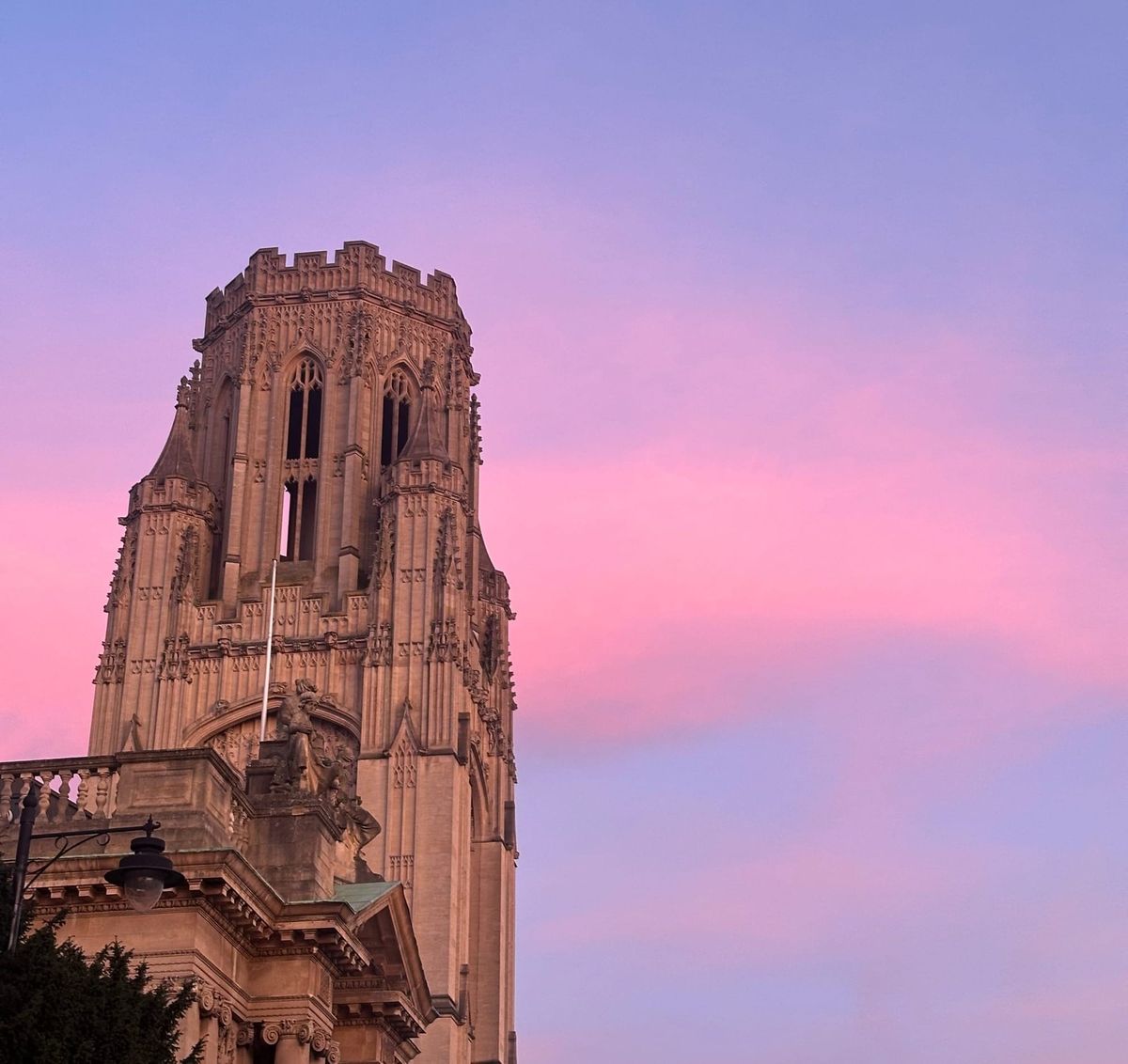
 Amaan Ali
 India Noon
Featured Image: 'The University of Bristol sign' | Unsplash / Korng Sok
Should you have to adapt to fit in at university or should they do more to foster an inclusive environment?