By Faith Moss, Third Year, English
The introduction of the bus fare cap will offer some relief for students commuting to University from North village halls. From September 2026 the U1 bus pass, which was previously included in the accommodation fee for students living in this area, will no longer be complimentary. Similarly, for the students who live in private housing and rely on the bus, the lessened fare will reduce transport costs.
 Sofia Lambis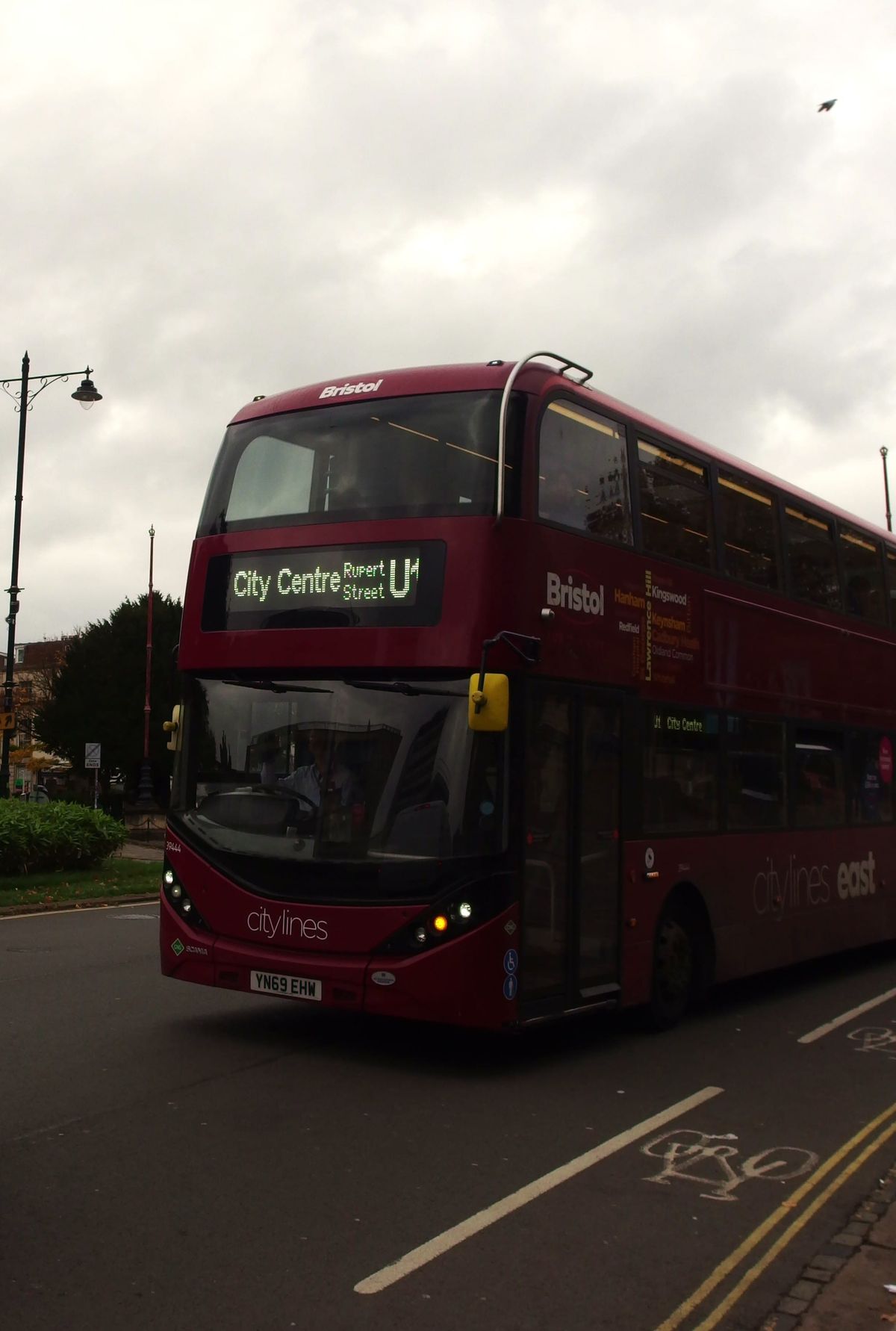
I spoke to Hannah, a third year English student who commutes to University from just outside Bath about three or four times a week. Hannah travels by train to Bristol Temple Meads and then catches the bus to Clifton. She estimates that she spends around £50 on transport per week, which includes the cost of both her train and bus fares. Hannah predicts that the bus price cap will save her £2.40 a week, which she admits is ‘barely a coffee at Parsons bakery,’ but she still believes the cap is ‘a really good place to start.’
It will save ‘barely a coffee at Parsons bakery’ but is still ‘a really good place to start’
The price cap will only alleviate transport costs for students travelling by bus. It will do little for the many students who commute to university by train or drive themselves by car. Earlier this year, the surge in fuel prices put financial pressure on lots of drivers across the country. Second year Politics and International Relations student Summayyah pointed out that in Bristol ‘parking costs are insanely high,’ an additional costly pay-out for students commuting by car. Despite bringing her car to university for the next academic year, Summayyah is choosing to mostly commute by bus.

The financial pressures on drivers, in conjunction with the bus price cap, may lead more students to opt for public transport. Postgraduate student Amy says that the bus price cap is a ‘good idea,’ but thinks that ‘other good ideas need to run concurrently’ and that train prices should also be addressed.
Is the bus price cap enough? Amy thinks that ‘other good ideas need to run concurrently’
Burnham has outlined that he also has plans to reform the rail system. He is considering making the 16-17 railcard valid for the entire year after purchase, even after the user turns eighteen, which will assist students travelling by train. He would also like to see ‘an overhaul of train fares,’ which should assist us all with the hefty cost of journeying home to visit loved ones over the holidays.
In an article focused on the positive impact of the price cap, Jonathan Freedland points out that ‘you need to do something for the voters that is immediate, tangible and uncomplicated.’ Considering the big swing of working class voters from Labour to Reform in recent times, perhaps Burnham is seeking to bring disillusioned voters back to Labour through this quick-fix, ‘feel good’ scheme. In fact, More in Common’s weekly tracker of voting intention, reveals that support for Labour has risen since Burnham’s introduction of measures to help with the cost of living.
However, some students questioned whether this price cap is enough to significantly aid with weekly budgeting. Whilst postgraduate student Vincent claims he would take ‘any price cap, even 10p less,’ third year Law student Lizzie questions whether it would perhaps be more productive to introduce a system akin to one in London which enables people to ‘get unlimited buses within the hour’ for £1.75. She says that ‘unless they’re doing a restriction on the total fare for the day, I don’t personally see two pounds as being that cheap.’
‘Unless they’re doing a restriction on the total fare for the day, I don’t personally see two pounds as being that cheap.’
When asked if there were other costs that the prime minister should be focusing on instead, Summayyah pointed out that ‘things like rent prices are important, especially in Bristol.’ She says ‘if I can’t afford to live near university, then I have to move further out of Bristol,’ which in turn increases transport costs.
Whilst I initially sought to solely highlight the impact of this scheme on the cost of transport for students, throughout the process of writing this piece, I discovered this policy opens up far broader conversations. Burnham says the scheme will be paid for by 'reprioritising government funds,’ which on closer look, means that 400 million of the 500 million pound scheme will come from ‘replacing grants for international climate projects with loans.’ The co-director of advocacy at ActionAid UK stated that Burnham’s price cap scheme is ‘a welcome initiative but his funding proposal throws global south countries under the bus.’In the pursuit of slashing public transport costs for Britons, Joanne O’Neil elaborated that ‘those most impacted by a climate crisis they did not create' will be forced into debt.
‘A welcome initiative but his funding proposal throws global south countries under the bus.’
Upon asking students where funding for the bus price cap should come from, most students felt that there was no straightforward alternate source of funding, or that they did not know enough to comment. Postgraduate student Vincent said, ‘I’d rather tax a billionaire you know, but you’ve got to get the money from somewhere.’ Green MP Ellie Chowns agreed, ‘instead the Government should tax extreme wealth to help provide the resources needed to tackle poverty…and make the biggest polluters pay for the crisis they have caused!’
Whilst this scheme is a positive step towards helping to reduce the cost of some people's daily travel, is this policy going to significantly impact students’ living costs, and is it fair to divert money from climate grants to fund it?
 Sophie Mitchell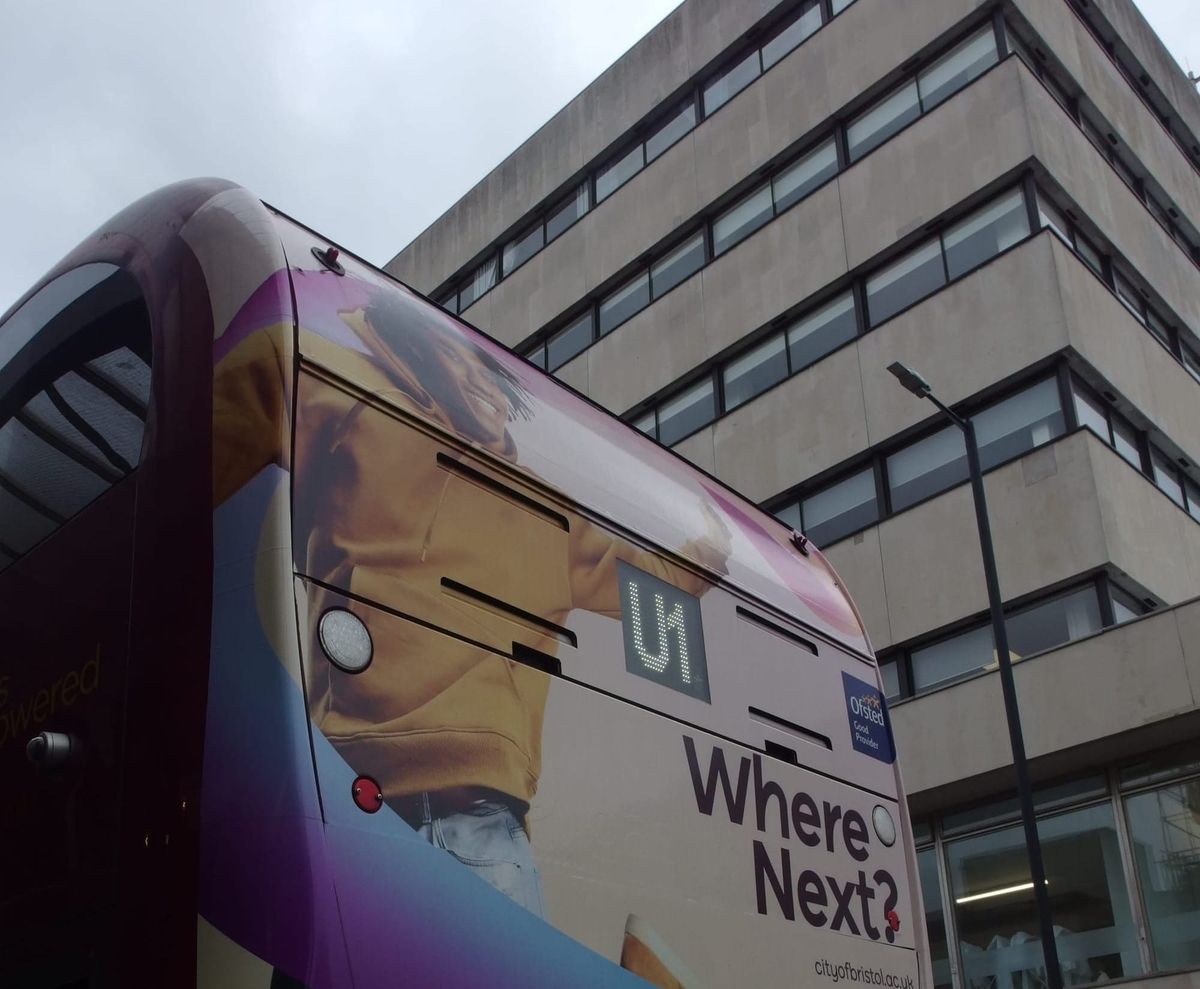
 Megan Ioannides
Featured Image: Epigram / Sophie Maclaren
Are you in favour of the bus price cap? How else can Bristol transport be improved?