By Yasmin Hussain, Second Year, English
As I was unpacking into my first-year kitchen, my new equipment was slowly taking in its new university surroundings when it found itself face to face with an Emma Bridgewater mug. It was not something that my lowly mug had encountered on the shelves of the Milton Keynes Ikea. It was the exclusive property of my new flatmate, Cecelia Marie Fitzherbert. I was excited to meet this new flatmate, so I knocked on her door.
It turns out she was already in the Brass Pig with a bottle of Bombay Sapphire and her entire friendship group from home.
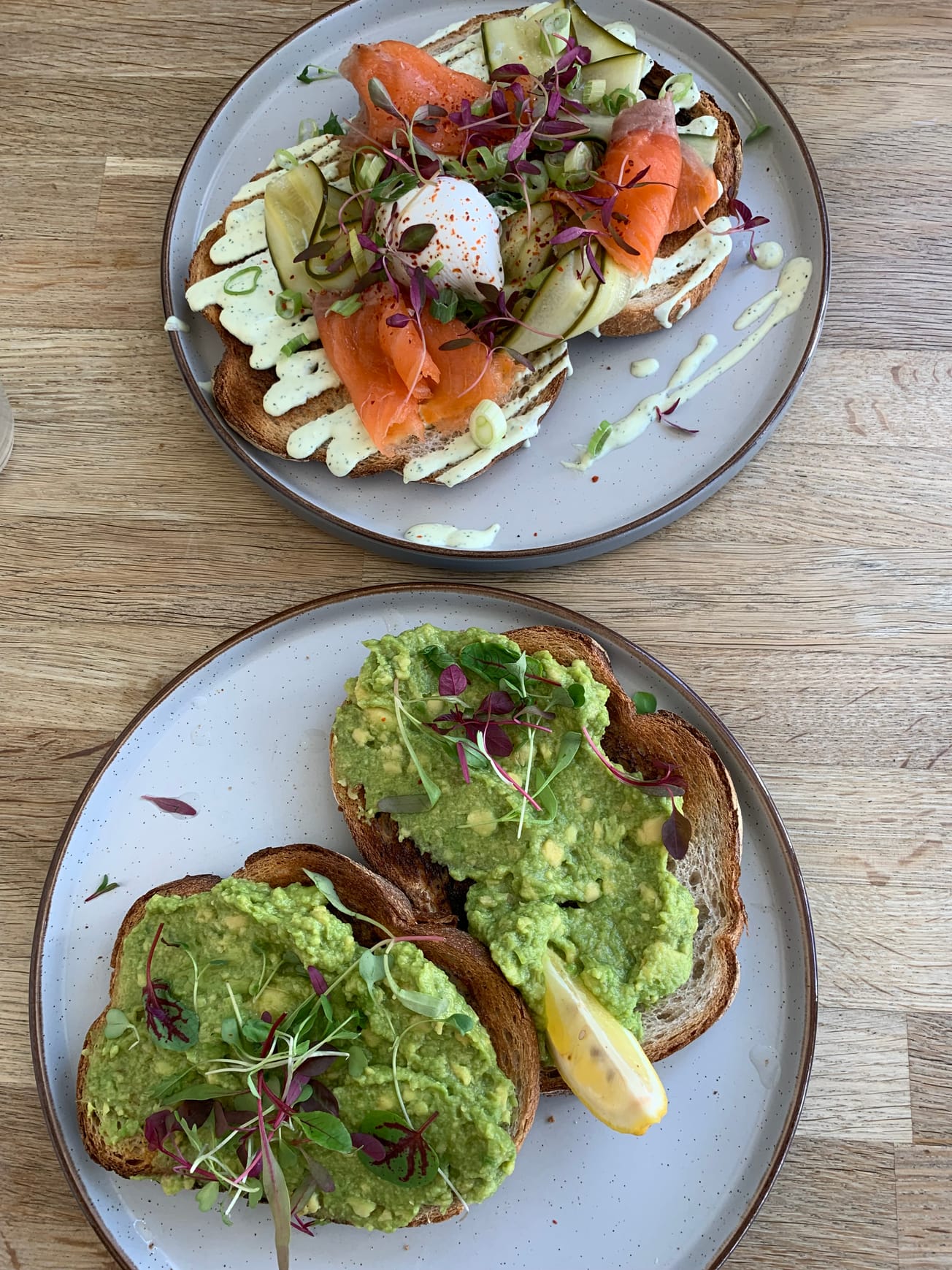
Upon finally meeting the next day, we set out to make plans. We would have studied together, but she grumbled that Wills wasn’t as cute as her library from sixth form. We thought about exercising, but she wasn’t used to having to travel any further than into her back garden to use tennis courts. When we agreed to make lunch together, she asked me to pay as she groaned, ‘I’m so broke already’, while sipping on her matcha and eating her sweet treat (a rhubarb and custard Danish pastry sent from Denmark) with a solid silver knife and fork.
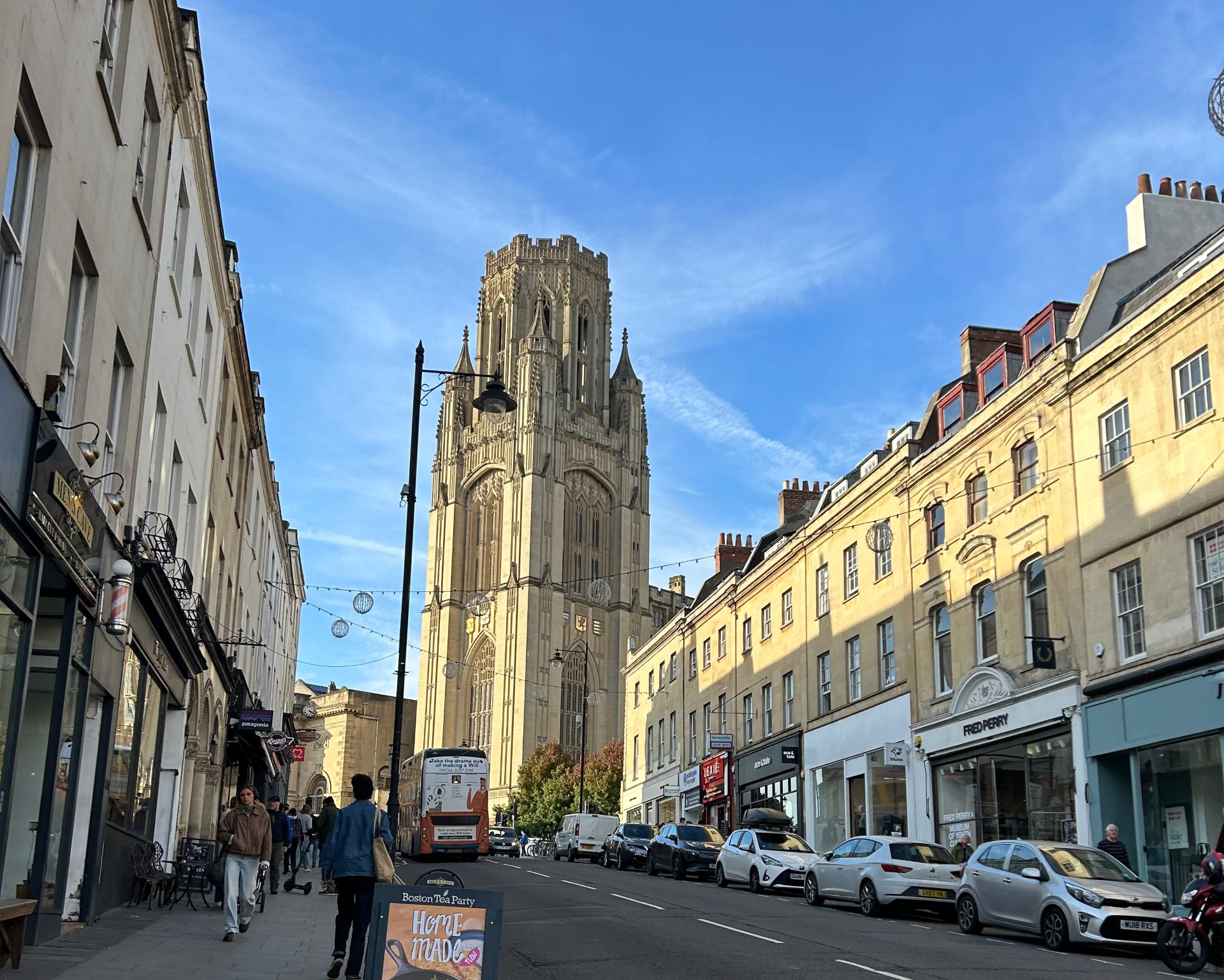
For many, coming to the University of Bristol involves a culture shock. This (definitely not hyperbolised) story can be a real barrier from higher education; the fear of class division can often prevent people from doing certain activities, joining certain societies, or living in certain halls. Many of us feel like a small fish entering into a sea of Adidas Sambas, pea coats and coffee cups being used as accessories. Or worse, performative charity shoppers.
Entering into friend groups where the norm is money-spending can make you feel alienated, often pushing people of similar classes together. The fear of the drug-taking, Waitrose-shopping Bristol elite that feature so often on OverheardatUoB can make starting uni a terrifying prospect, maintaining the dominance of the public school seven per cent.
‘Middle-class students considering themselves to be ‘broke’ speaks to a material change in how the words ‘poor’ and ‘broke’ are used’
Yet many seem not to recognise their own privilege, considering themselves constantly to fit into the ‘broke student’ category. Has there been a glamourisation of being lower-middle-class? Or do rich kids truly perceive themselves to be poor? And worse, do they perceive that, when we say we have little money, that we are in the same boat as when they have bought one too many matchas?
This phenomenon is one part of a wider university issue where society socials expect you to pay for outfits, where drinking culture drains students’ bank accounts, where it can feel embarrassing to use a pen and paper in a lecture. You can be made to feel pedantic or stingy for asking someone to pay you back for drinks, or guilty when someone says that your drink is on them. It speaks to a complete lack of understanding of other people’s circumstances, and to a damaging assumption that being upper-middle-class (whether you are aware of it or not) is the norm. This is not the case: Gov.uk finds that the median household disposable income in 2024 was £36,700. This is effectively the same as the cost of university for two children with no loans.
 Amaan Ali
Middle-class students considering themselves to be ‘broke’ speaks to a material change in how the words ‘poor’ and ‘broke’ are used. Previously referring to someone struggling or unable to maintain the things necessary to live, it now can just as easily mean someone who overspent on a night out. After over-indulging at their £9500 per year university, they may even be close to having to ask their wealthy parents for some more pocket money.
Featured image: Epigram / Yasmin Hussain
Is it time for each of us to re-evaluate our own privilege? Or perhaps even to tax the rich?