By Katy Bright, Second Year, English
The 90’s hip hop era throughout Bristol became a scene with global recognition. This decade was dominated by the ‘Bristol Sound’, becoming a pivotal period for the rise in jungle and drum and bass. The once underground musical genres became publicised, curating a diverse sonic identity. By drawing from global genres and merging them with local creatives, Bristol managed to create a unique sound, rooted in the ethos of the city but with a new twist.
The integration of quick form content, such as Tik Tok and SoundCloud has impacted musical discovery. Users can save music directly from their for you page, making the rise of new artists much more popular. Students who already use this app can now use it to grow their platform.
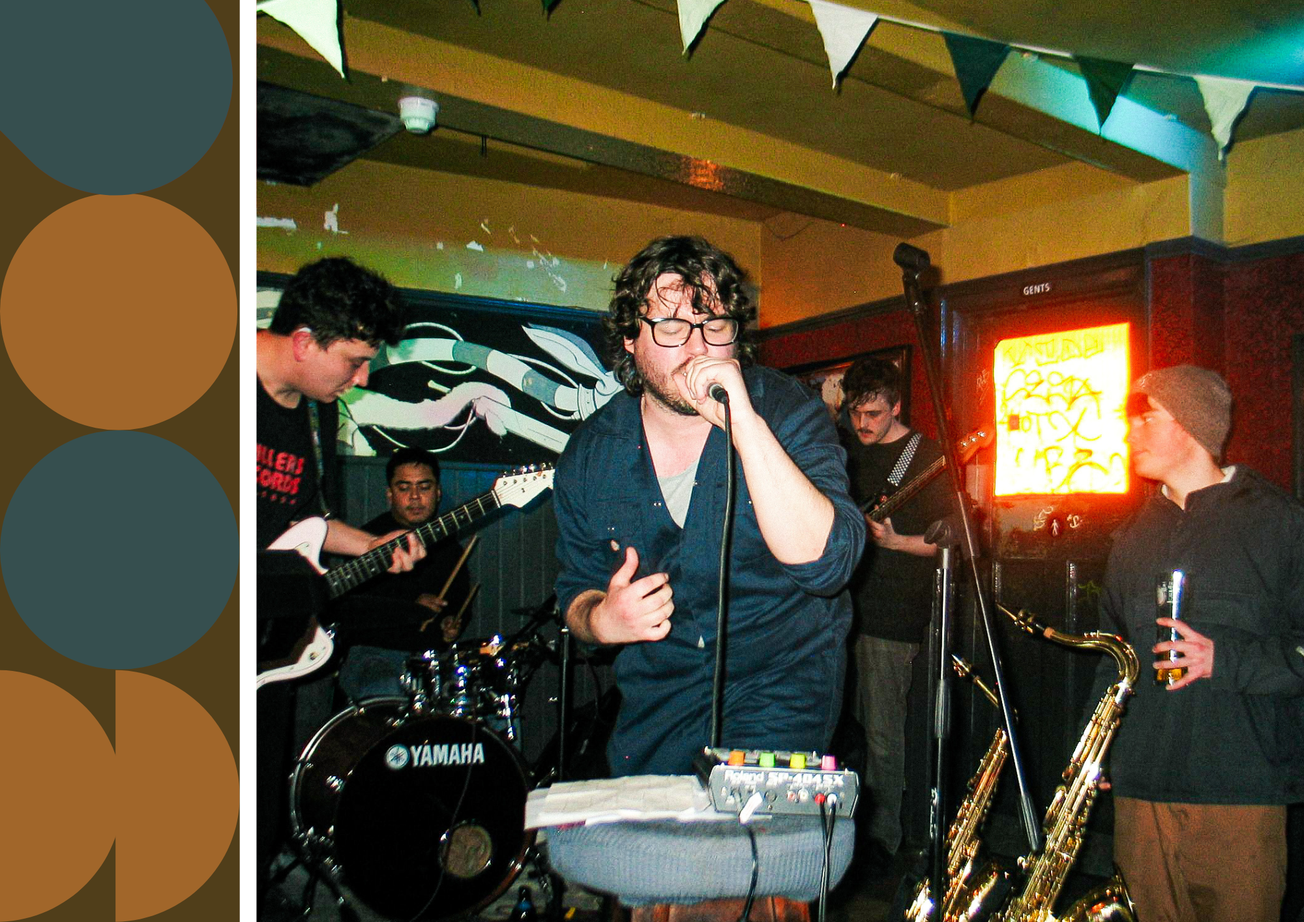
They, the new rise of student creatives across the city, have created a new genre-fluid music scene, without the rigid structure that once defined the decades before them.
Drill, jungle, bass, house, electronic: all these styles are mixed with the current music trends to create something new, still rooted in the ethos of the city. This ethos has changed however, music has become digitalised and more accessible.
Why is this? There has been a rise in bedroom producers, student DJ sets, revivals of student radios, but what is the reason? The sense of community created through the university may be to blame for this, rise of societies such as Underground Music Society and Bristol Jazz Funk Soul Group make music more accessible, no longer something you need a management for to produce. It is no longer an alien concept, but something encouraged, and often something free of charge.
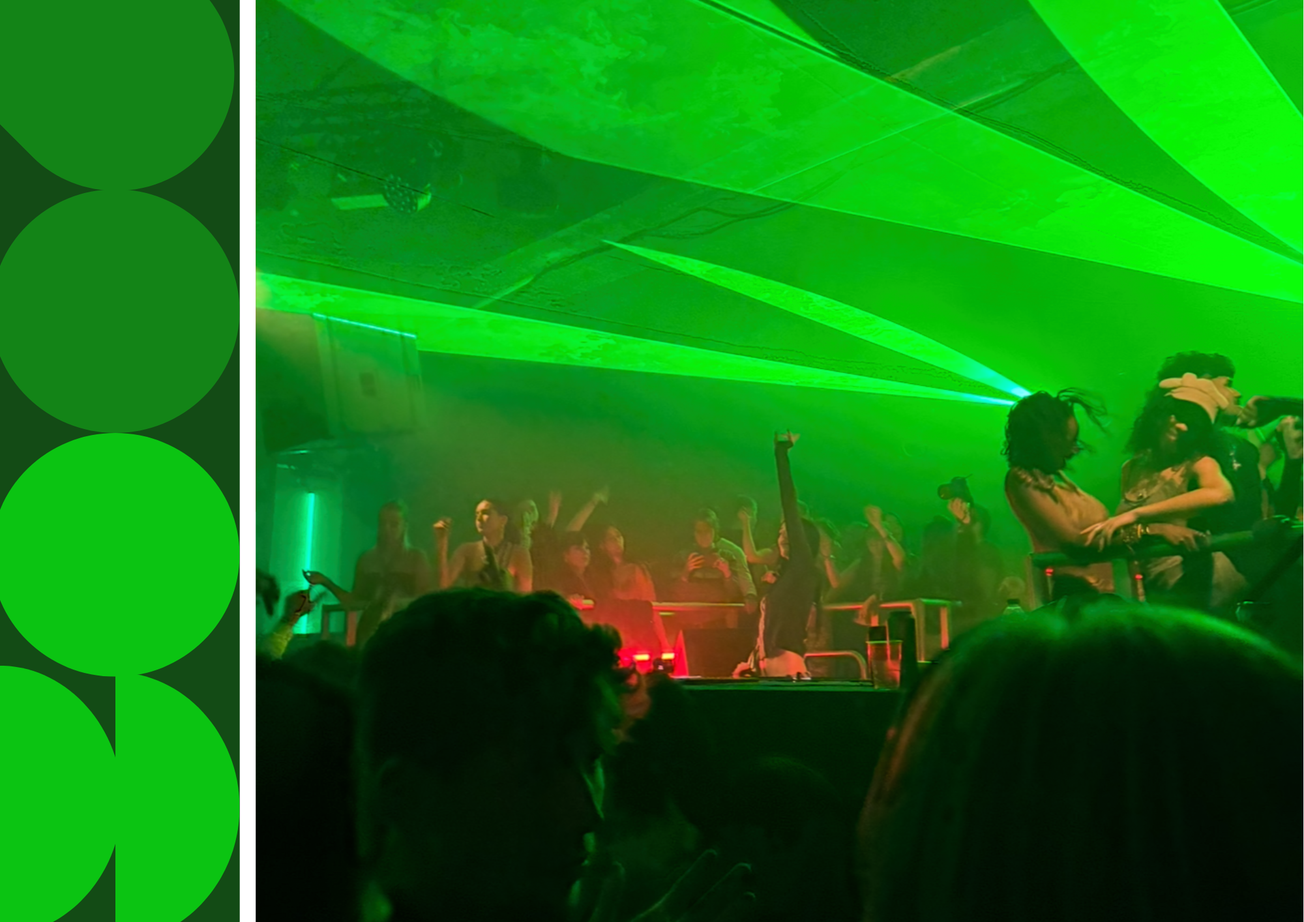
Much of this uproar comes from events or societies that are free of charge. This affordability is what makes the student music scene so prominent. Not everyone can be affording an extra £60 to watch a two-hour long set, along with the additional costs of university. This new rise in student events, hosted and performed by students or even in student housing, has made music become accessible.
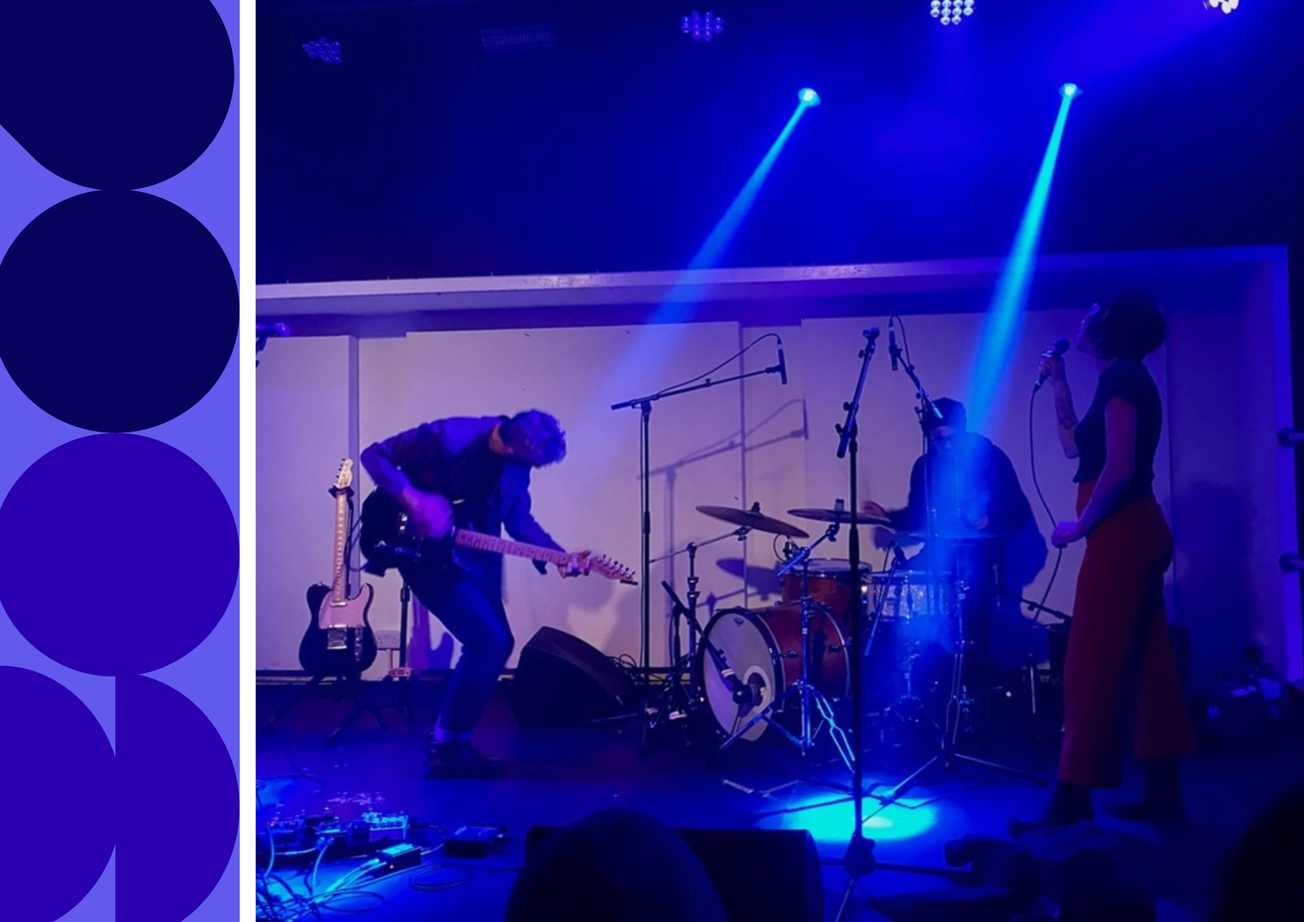
This raises the question: Where is this new sound performed? With house parties on the rise, many students are buying or using their own kits. One passer-by to Epigram, who produces his own music, says that he uses Pirate Studios, a DJ studio in the heart of Bristol. It is open 24 hours 7 days a week, and at affordable prices has bookable self-service DJ rooms.
As well as this, they offer lessons, where alumni teach individuals how to produce music from scratch. Zedd Alley has equally become a hub for events, where individuals can simply email their performance request or book it out for private hire.
 Eve Davies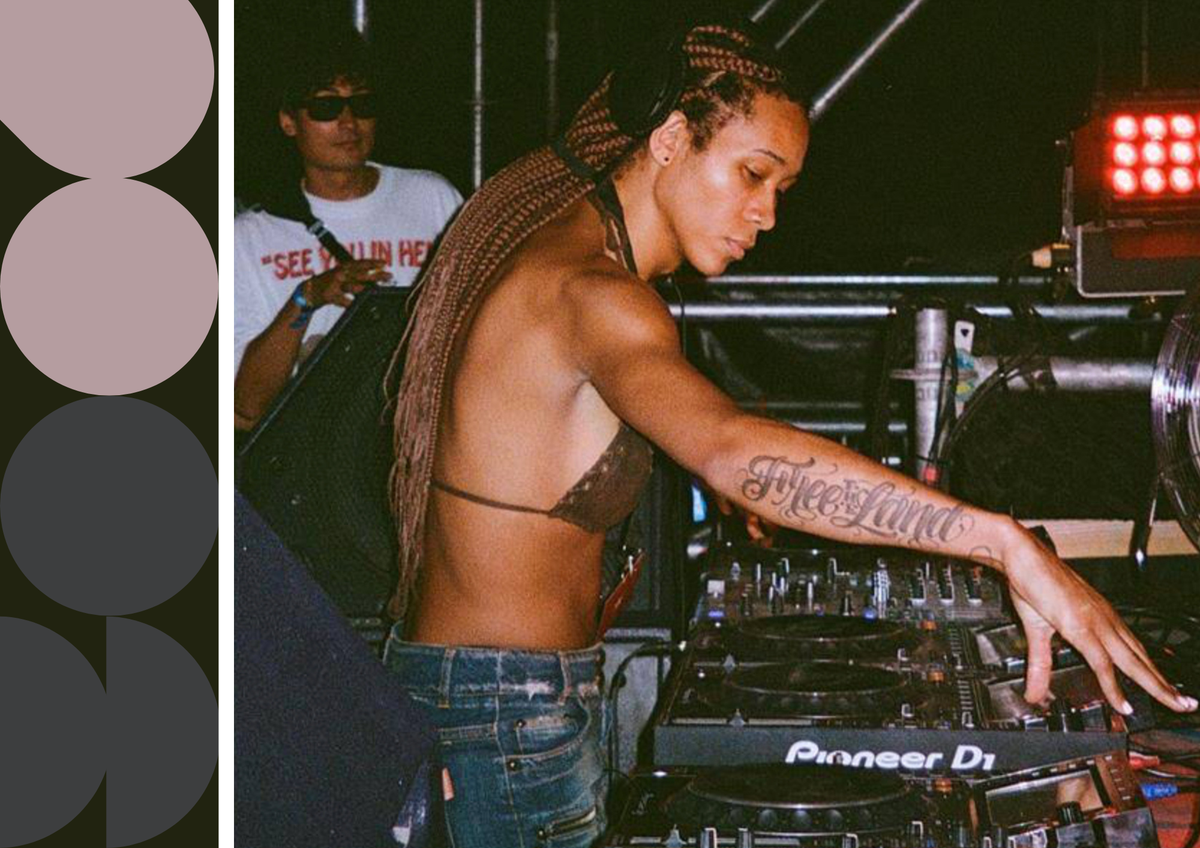
It is important to profile key artists who are representing this new wave of sound – from local vocalist Marns who blends R&B with drum and bass influences, Charlie T Smith who is supposedly shaking up the definition of pop music, Jakar, a student producer known for his TikTok famous remixes, and even new events such as Wagamama’s, introducing a student DJ night.
Bristol hence has become a microcosm, an early representative of the changing music culture. The city, and clearly the students in it are forward thinking. This is a mix of political consciousness and social awareness with the city’s representation as an entertainment hub. The young generation of Bristol are the new scene.
Featured image: Epigram / Lucie Guédes-WrightDo you think Bristol’s sound is going through a resurgence?