By Stella Phipps, News Reporter
Professor Tansy Jessop, Pro Vice-Chancellor for Education and Students, sent an email to students regarding recent events in the Middle East, saying students affected should know that ‘our thoughts are with them’ and outlined where to get support.
‘We have a range of support and advice available for you, recognising that many students in our university community have connections to, and loved ones, living in areas affected by international violence and conflict,’ Professor Jessop went on to write.
US and Israeli military attacks in Iran took place on February 28 after failed US-Iran negotiations over Tehran’s nuclear programme. Iran has responded to attacks with air and missile strikes across the region in Qatar, United Arab Emirates, Saudi Arabia, Bahrain and Kuwait.
The events mark the most intense escalation since the Israeli-Iran 12 day war in June 2025, with Iran’s Supreme Leader Ayatollah Ali Khameni killed on the first day of the conflict.
 Lenny Osler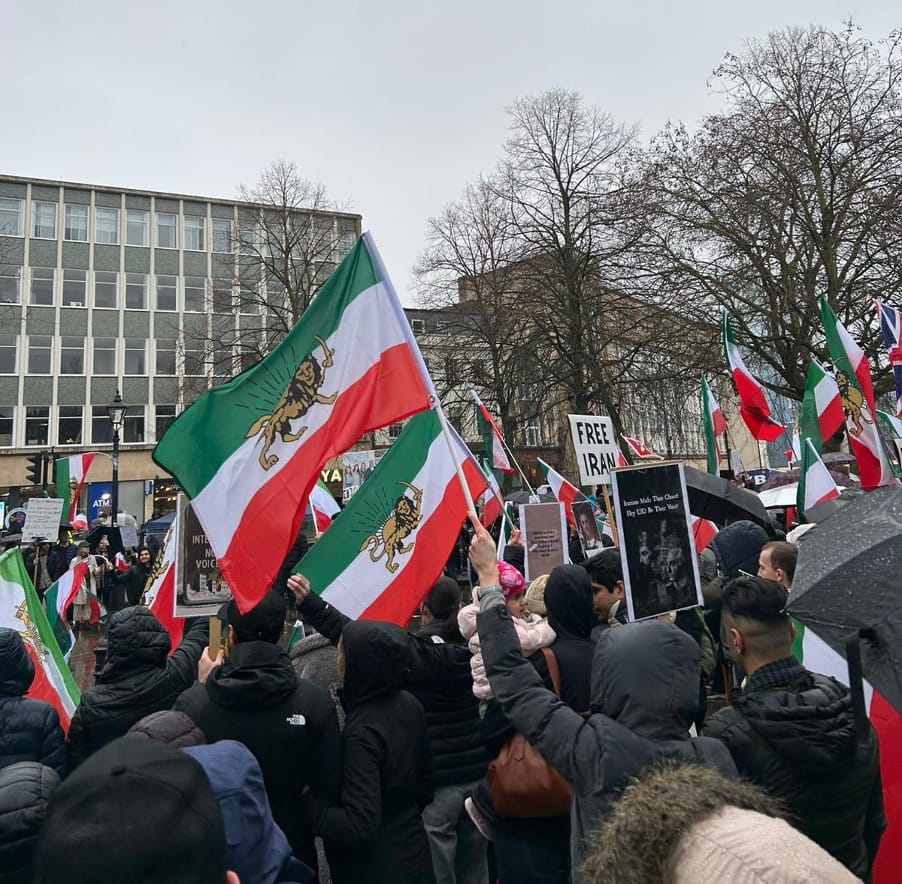
 Cara Hene
Al Jazeera reports that 555 people have been killed in Iran, at least nine in Israel, three in UAE, and one in Kuwait. Six American military personnel have been killed in Kuwait according to the BBC.
The March 2 email directs affected students to student-services@bristol.ac.uk and lists support offered by the University of Bristol.
‘If you are travelling in the region, please check the latest travel advice from the UK Government and relevant authorities. As airline operations are changing frequently, please refer to specific airline websites and apps for the most up to date flight status information.
‘We know how concerned many of us will be about the current situation. Bristol is a diverse community with many different nationalities. Let’s continue to look out for one another and show support and kindness during this difficult time.’
The linked University of Bristol webpage detailing support for students says, ‘we are living in challenging times, with global incidents and regional conflicts impacting many. This insecurity is felt deeply by communities across the world, including our own at Bristol.’
In October 2023, Vice-Chancellor Evelyn Welch wrote to students regarding the Israel-Gaza conflict in which she outlined available support and asked the student body to ‘uphold our shared values of mutual respect, care, compassion and inclusivity’.
That email also alleged pro-Hamas material had been distributed at a campus protest. ‘It is important for everyone in our community to be fully aware that Hamas is categorised in the UK as a proscribed terrorist organisation,’ V-C Welch wrote.
Featured image: Epigram / Sophie Maclaren