By Ella Heathcote, Arts Editor
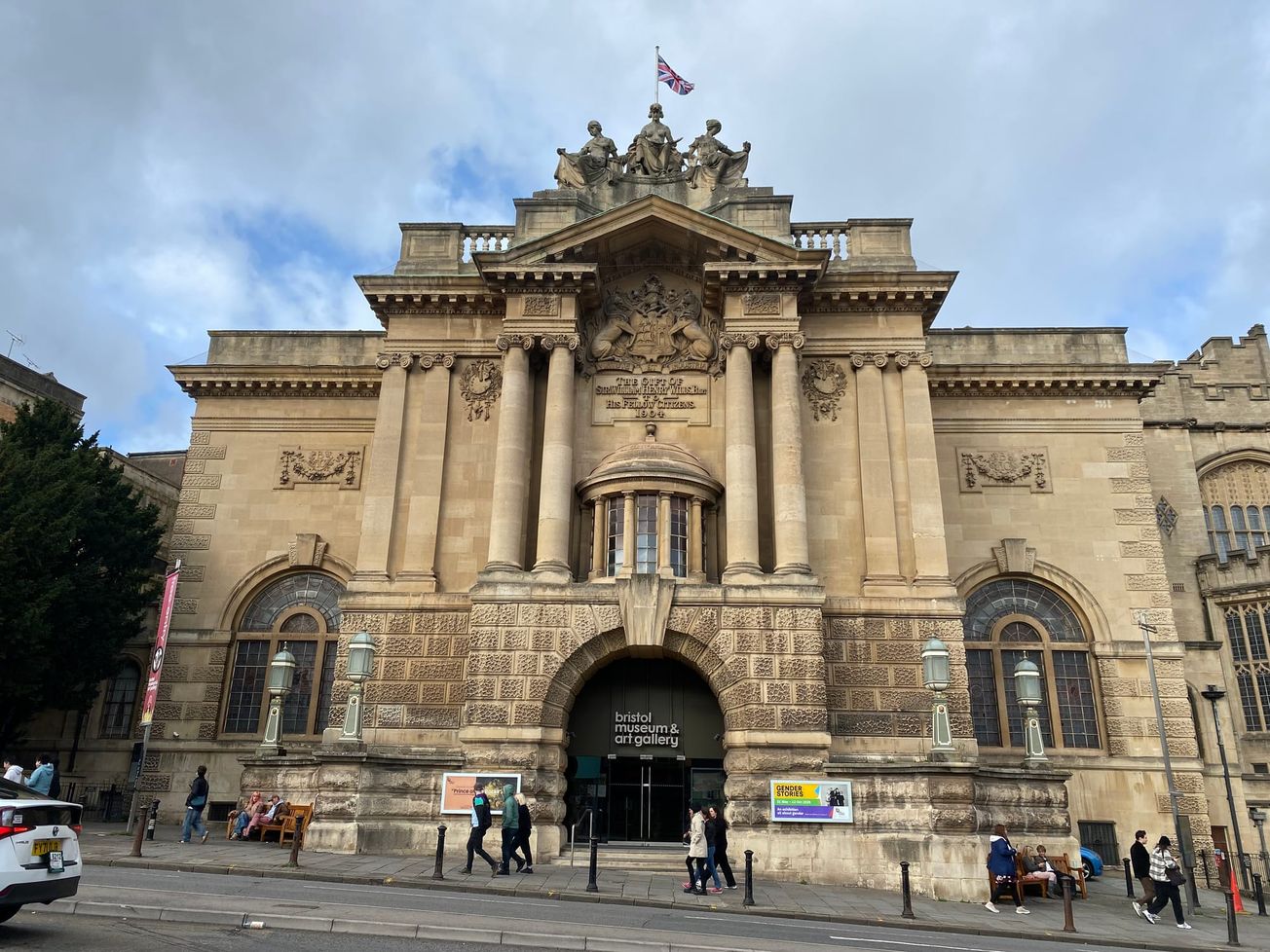
33 objects have been returned by Bristol Museum and Art Gallery to the Larrakia, a people indigenous to Darwin, Australia. I spoke with Lisa Graves - the curator of World Cultures at the Bristol Museum and Art Gallery - to learn more about the important process of repatriation.
The 33 objects were brought into the museum in three installations between 1881 and 1934, the terms of their acquisition from Australia largely unknown. AIATSIS (the Australian Institute of Aboriginal and Torres Strait Islander Studies), funded by the Australian government, led the repatriation. Lisa tells me that ‘with AIATSIS alone, there [are] at least three more potential returns’, while many other objects are also being involved in conversations about repatriation.
‘It’s taken a long time to figure out who’s the best custodian, because there are so many stakeholders’
One of the most contentious and talked about of these objects in discussion is the Benin Bronze which is currently owned by Bristol Museum and Art Gallery. The Benin Bronzes are various sculptures made of brass and bronze that were looted by British forces in their thousands in 1897 from the historical Kingdom of Benin, which is now in the state of Edo in Nigeria. Lisa tells me that the Bronze has long been part of conversations at the Bristol Museum and Art Gallery, but that as ‘Nigeria is a very divided country, politically […] it’s taken a long time to figure out who’s the best custodian, because there are so many stakeholders’ and that conversations like this are often prolonged as certain authorities have ever-changing priorities, which only sometimes involve these artefacts – ‘one head here is small fry’ to them, she tells me.
The recent repatriation is not the first for Bristol Museum and Art Gallery: in 2006 and 2007, human remains were returned to indigenous groups in Australia and New Zealand; in 2019 human remains and grave goods were repatriated to an indigenous group in California, and in 2021 a hunters’ coat was returned to Canada, to be held in an indigenous cultural centre.
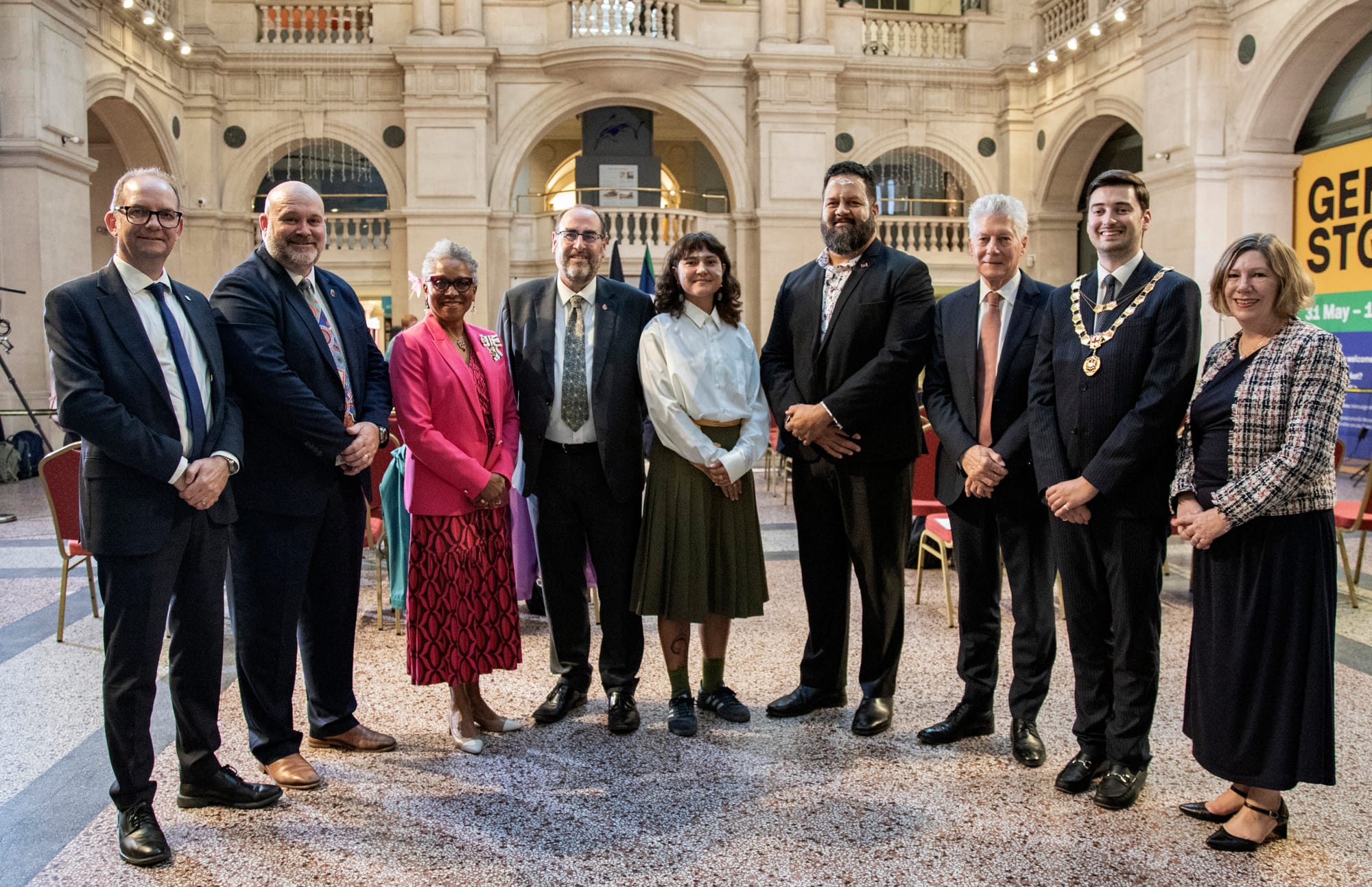
'The Larrakia people will not immortalise their ancestors’ possessions [...] as museum artefacts [...] but will revive them'
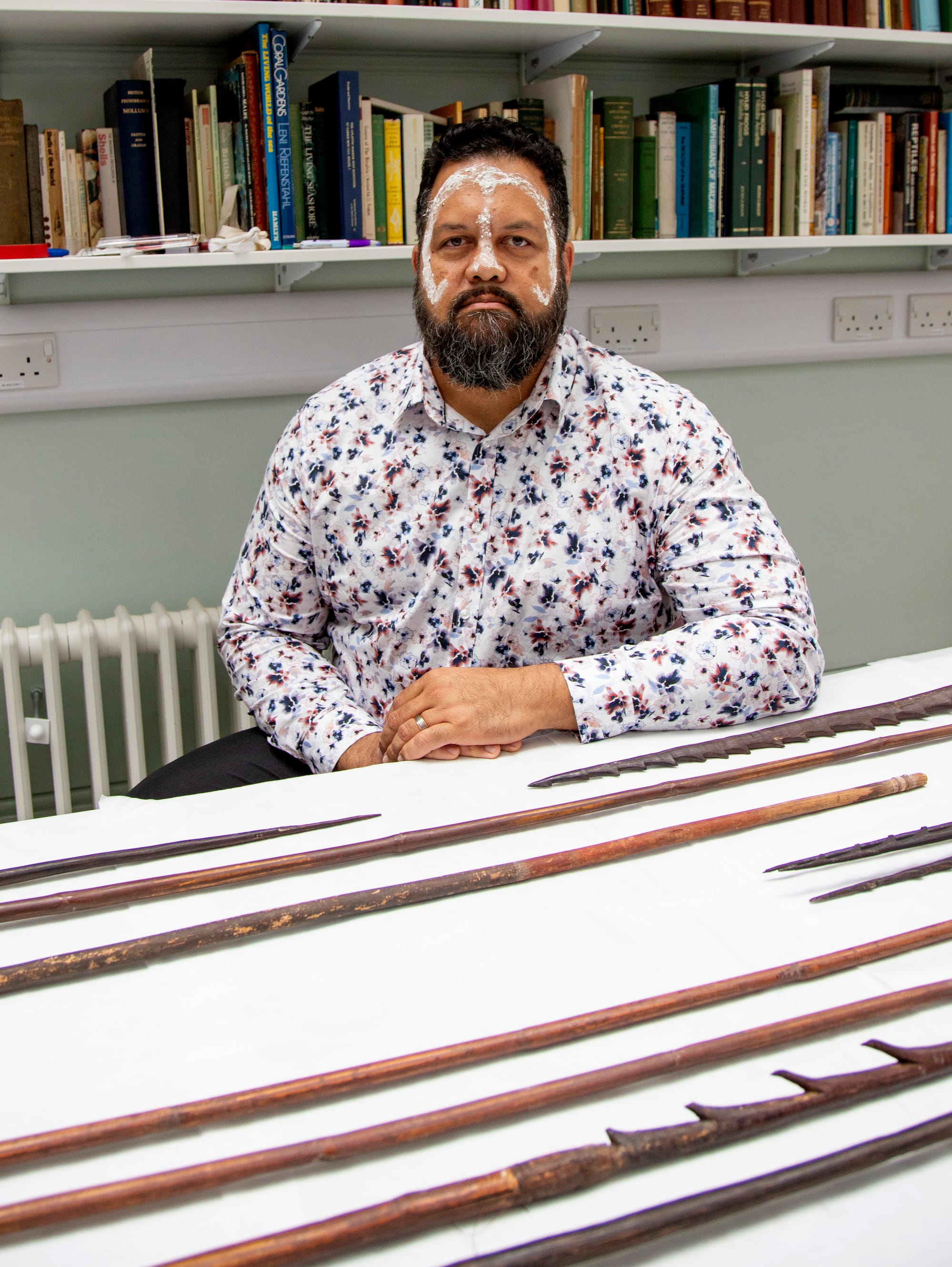
The 33 objects which have been returned to the Larrakia people are comprised of spears and spear-throwers. Two of the items were only to be touched by men, and to be used in ceremonies. Importantly, the items will not go into a standard museum, but to the coming Larrakia cultural centre, in which they will ‘be there for the community to come in and … use them, learn the techniques’. This strikes me as profoundly significant – the Larrakia people will not immortalise their ancestors’ possessions (and creations) as museum artefacts, kept behind glass to be gawked at by the great-grandchildren of their colonial oppressors, but will revive them, so they regain their purpose as practical objects, as well as objects of ceremony and ritual.
 Honey Ryder
As Lisa tells me that for the Larrakia people, ‘because they’ve been divorced from their cultural heritage […] it’s that embodied knowledge [held within the objects themselves] that is the thing that’s most meaningful.’ This knowledge is the right of the Larrakia people, and it is a fact to be celebrated that museums such as this one can acknowledge that the return of items to their original owners is essential to the reparations this country owes to generations of colonised peoples.
Featured Image: Epigram / Ella Heathcote
Have you visited the Bristol Museum and Art Gallery?