By Ellen Landale, News Subeditor
The 30th United Nations Conference of the Parties (COP30) is a two-week climate summit, taking place from November 10 to 21, 2025, in Belém, Brazil, in the heart of the Amazon rainforest.
As the largest United Nations forum for climate negotiations, each year COP brings together different countries and organisations to advance the goals set in the Paris Agreement, which were adopted to limit global warming.
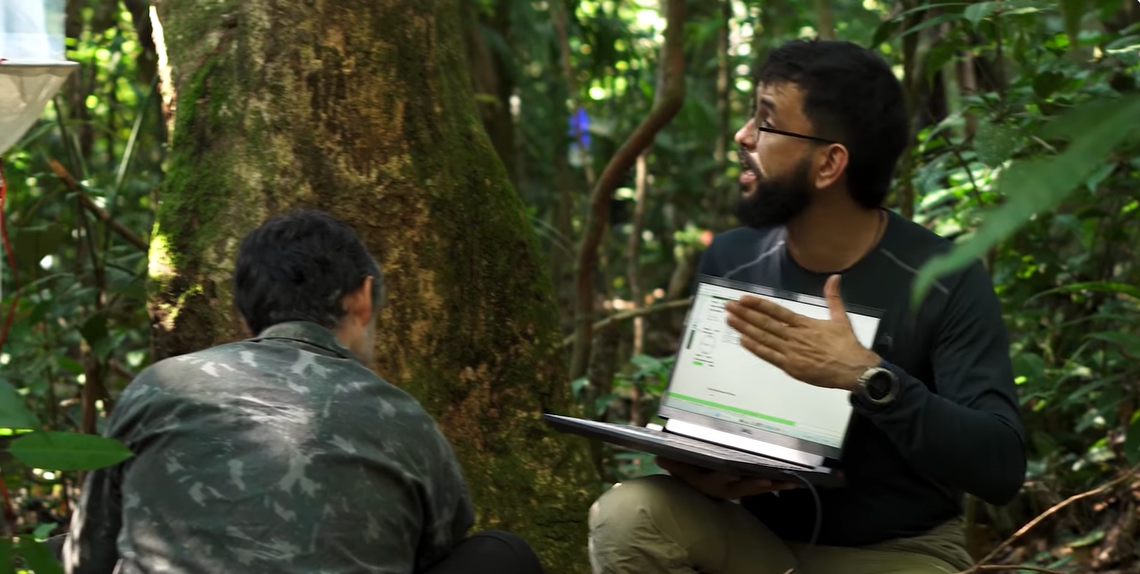
Among those attending are several University of Bristol researchers, including Brazilian born biodiversity expert Dr Filipe França, who is a Senior Research Fellow in Biological Sciences. França said:
‘I’m so proud that COP30 is being held in the country I was born [in], home to the ecosystem I’ve been studying for over 15 years.’
At COP, França presented his research on the first large-scale assessment of the impact of human activity on insect biodiversity change across the tropics, designed to measure ‘nature health’ in tropical rainforests. He described the event as ‘the ideal platform to showcase our work.’
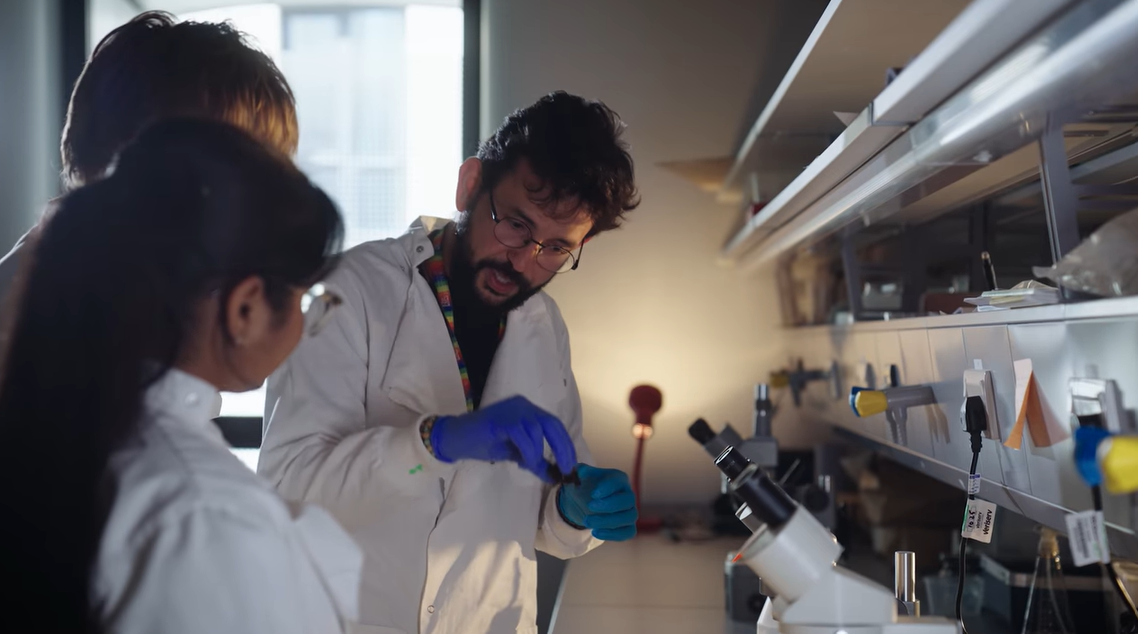
His project builds on a previous initiative called Voices of Amazonia, which focused on bringing together scientists, indigenous leaders and decision makers to identify the most pressing areas for biodiversity conservation in the Amazon. The initiative aims to amplify local and community voices within climate discussions.
The project has been funded by the University of Bristol Cabot Institute for the Environment Seedcorn Fund.
Through the UK Universities Climate Network, the Institute collaborates with over 80 universities on research and policy briefings within the run-up to COP, aiming to improve access to academic evidence for COP delegations, governments, NGOs and other actors.
Climate law and policy specialist Dr Alice Venn has been volunteering with Legal Response International as a liaison officer, providing impartial legal assistance to developing countries delegations involved in the negotiations.
The aim is to reduce the inequalities between different countries negotiating teams, particularly for the countries facing the most extreme effects of climate change.
She said her role allows her to ‘put [her] research into practice in an impactful way.’
Epigram spoke to Dr Alix Dietzel, Senior Lecturer in Climate Justice and the University's COP lead. Speaking of the role of academics, she said:
‘My impact is not inside the negotiation rooms. It is in helping others understand what is happening, why it matters and how to interpret the outcomes once the conference ends.’
‘Researchers do have a presence at COP, but our ability to shape the process is limited… whether our work influences negotiations often depends on informal networks and the willingness of parties to draw on academic evidence.’
 Emily MacLean
 Lenny Osler
Dr Tucker, Senior Lecturer in Politics, and Dr Richter, Lecturer in Climate Change Politics have also presented their research at a side event co-organised with partners in Brazil, Colombia, Peru and the UK. The event focused on how climate finance can support indigenous rights and development strategies.
Dr Richter explained that the outcome of the side event ‘will be crucial for developing countries, who say they need trillions of dollars each year to adapt to and mitigate climate change-induced extreme weather events and changing weather patterns.’
Featured image: Cabot Institute for the Environment