By Felix Glanville, Film & TV Editor
BOY (2025), the short film written by University of Bristol student Ben Rusnak, explores Danny’s (Arthur O’Kelly) strange hookup with older politician, Mark (Abraham Kleinman) and the permeation of guilt that stalks him. Through its depiction of the power imbalance between the pair and the emotional intensity of socially divisive relationships, the film stands as a testament to Rusnak's culturally pertinent ambition.
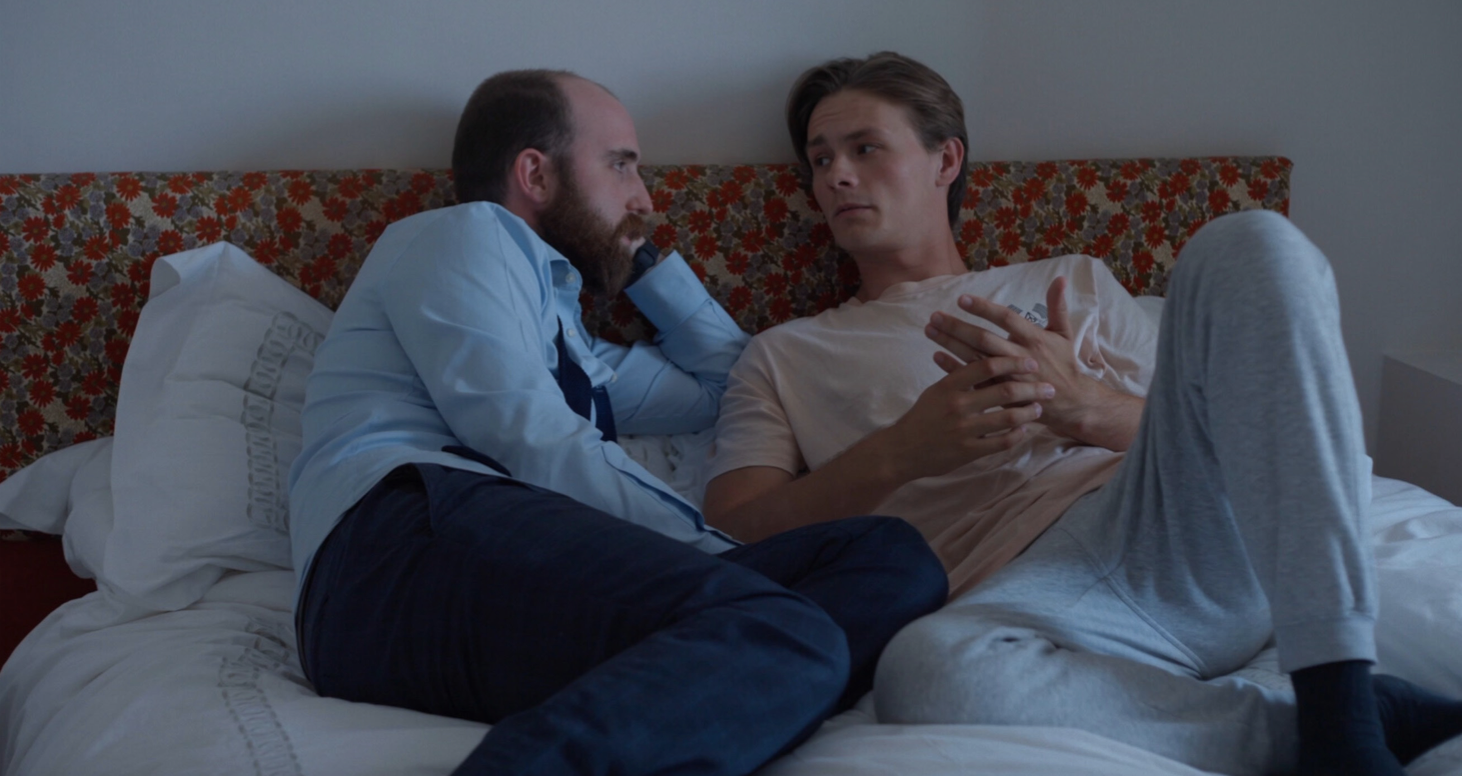
From what we think is an unusual encounter between an older man and student, quickly becomes a chilling examination of shame among queer relationships. With Danny nervous at the prospect of sex between the pair, Mark morphs into a sinister figure – detailing the extremes a closeted relationship can bring: ‘it took me to dark places’. Mark offers very little remorse to Danny, storming out of the house. This fleeting hookup between the two men leaves the audience uncertain of how Danny can navigate his own life, how secure he is in his identity, and what he wants from a partner.
The Rusnak pair (Ben and Ruth) prove that they are a filmmaking force to be reckoned with, not only is the screenplay unnerving, and at times frighteningly creepy, but the colour and quality of the film is simply beautiful. There are no ornate sets or super technical shots – just an unstable camera that feels personal. The audience are thrusted into Danny’s awkward desire for sex with Mark.
Arthur O’Kelly brilliantly battles desire and denial, his fidgets and stutters stunting both his opportunity for sex and connection with Danny. While playing an uncomfortable character, O’Kelly is confident leading the short film.
When his mother and Nina (who is strikingly revealed as Danny’s ‘girlfriend’ with a casual reference to an ‘anniversary’) enter the house, he sits entirely removed from the conversation, unable to even glance at those closest to him. At a much more distant lens, we watch O’Kelly grapple with this failed hookup, concealing himself away and paranoid about his real desire for men.
Abraham Kleinman is the perfect contrast to Danny, endearing at first but swiftly descends into a predatory figure, helped by Rusnak’s callous and cold dialogue. When we first meet the pair at the kitchen table, the camera is fixed onto Kleinman as if the subject of an interview, his head right at the edge of the frame. His eyes are constantly locked onto O’Kelly to amplify the power imbalance at play. We feel empathetic that this is the gruelling situation Danny has found himself in – no longer hidden away behind a screen on the online dating world, but exposed.
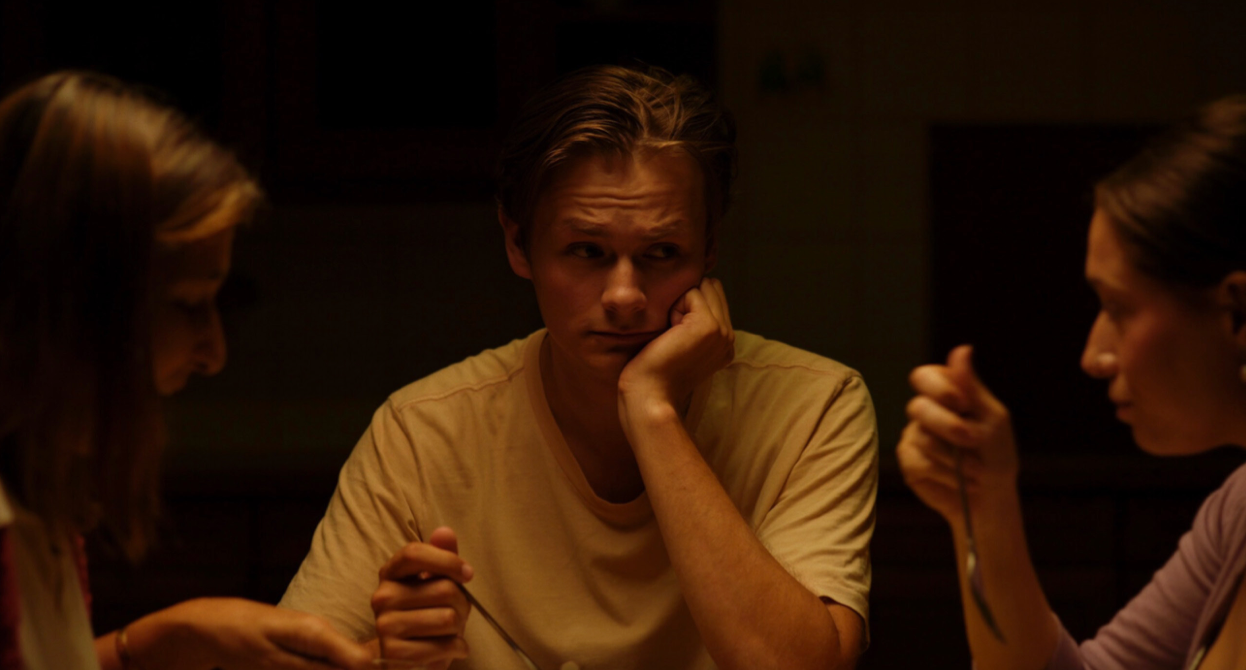
Among its sharp and intense acting, the crisp and sterile colouring of the film is a standout. To capture Danny’s painful isolation and regret, Joao Amante created a beautiful dinner scene between Danny, his mother (Lisa Rose), and his girlfriend (Amy Cash) – cementing the costs of being a closeted young man. Warm hues cuddle his mum and girlfriend, while Danny, seated at the head of the table, remains in shadow, struggling to get through his food.
The minimalist set and lighting ensured that our focus remained entirely on the pains of Danny, with this timeless house feeling like a prison – even the greys of both Danny and Mark create an impression of a queer identity stripped away to accommodate for heterosexual social norms. Nothing is clear here, the desire for love has blurred into shame.
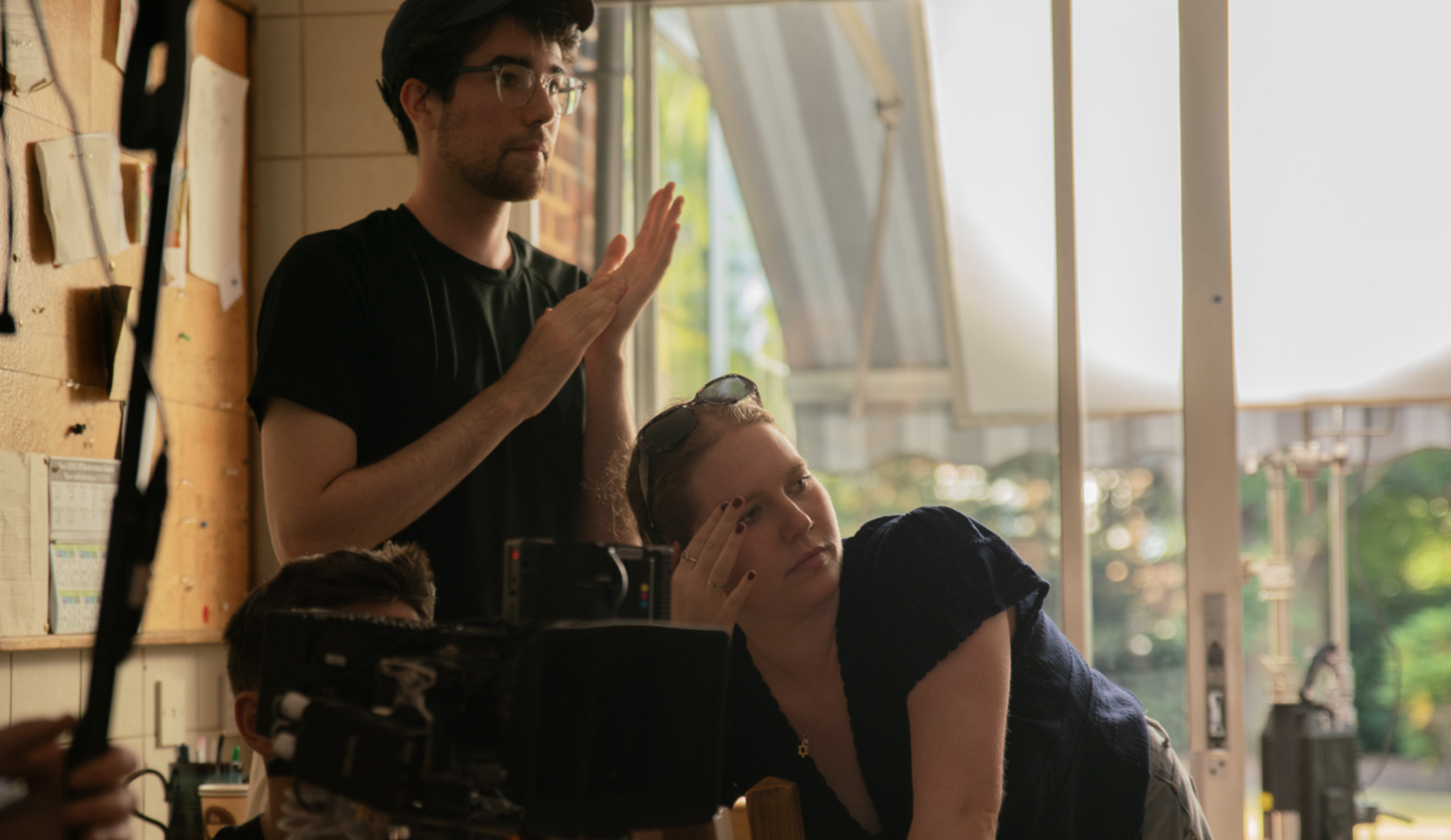
While the plot of the film does not progress in the most daring way, it is Rusnak’s unsettling screenplay mixed with the uncanny cinematography, colour graded immaculately by Amante, that keeps the audience hooked right till the film’s credits.
The simplicity of Danny washing his hands following Mark’s departure particularly stuck out to me. The modern Lady Macbeth in action – Danny frantically dealing with his guilt – that made the shot so satisfying. It was broody and sharp, a small shot which captured everything that made this film so impressive.
It would be a disservice not to mention the music which underlines the film. Composed by Aleksandra Vilicinska and Umberto Guadi it is deeply chilling – representing Danny’s identity struggle when Mark enters the house. BOY’s sombre conclusion of blue-lit, lifeless, and stale shots of the house was intensified by this eerie composition. The music felt like the final cherry on top of this compelling artistic endeavour by the BOY team.
 Leah Matthews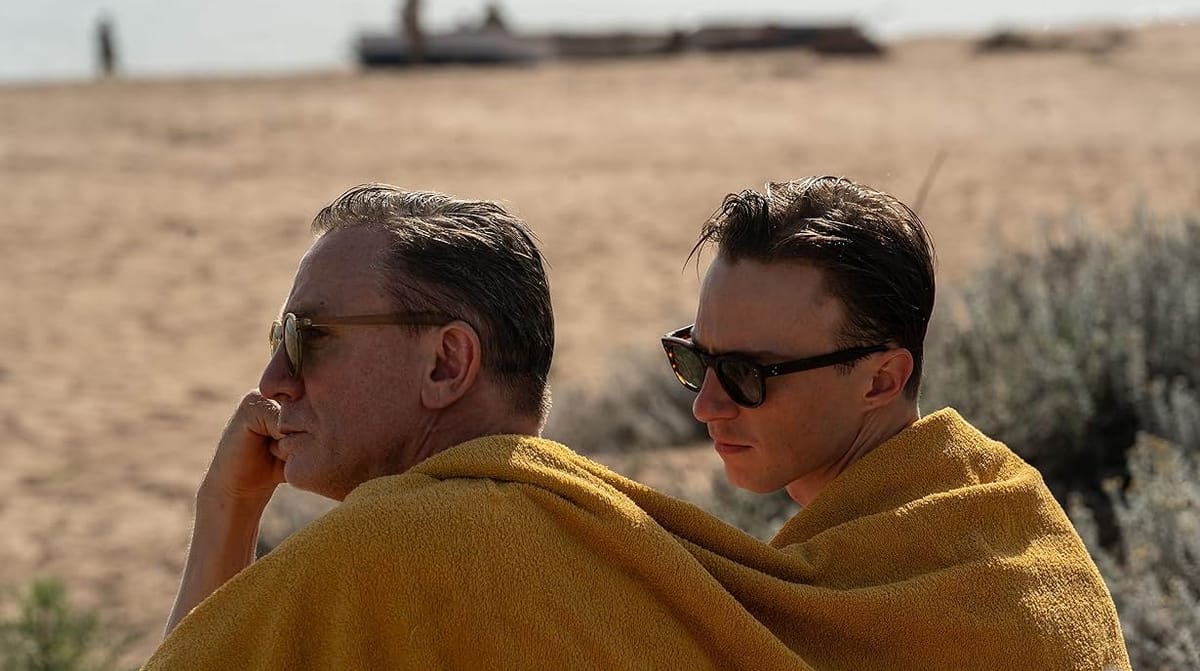
Every element of this production team has woven together seamlessly to craft an unnerving short film which is personal to the director and poignant for young queer people.
Ben Rusnak highlights contemporary issues of lacklustre sex education and internalised homophobia with a cast and crew that can rise up to the challenge.
Featured Image: Ben Rusnak
Follow @boy.thefilm on instagram for release updates and more information behind the exciting student based short.