By Honey Ryder, Fourth year, English
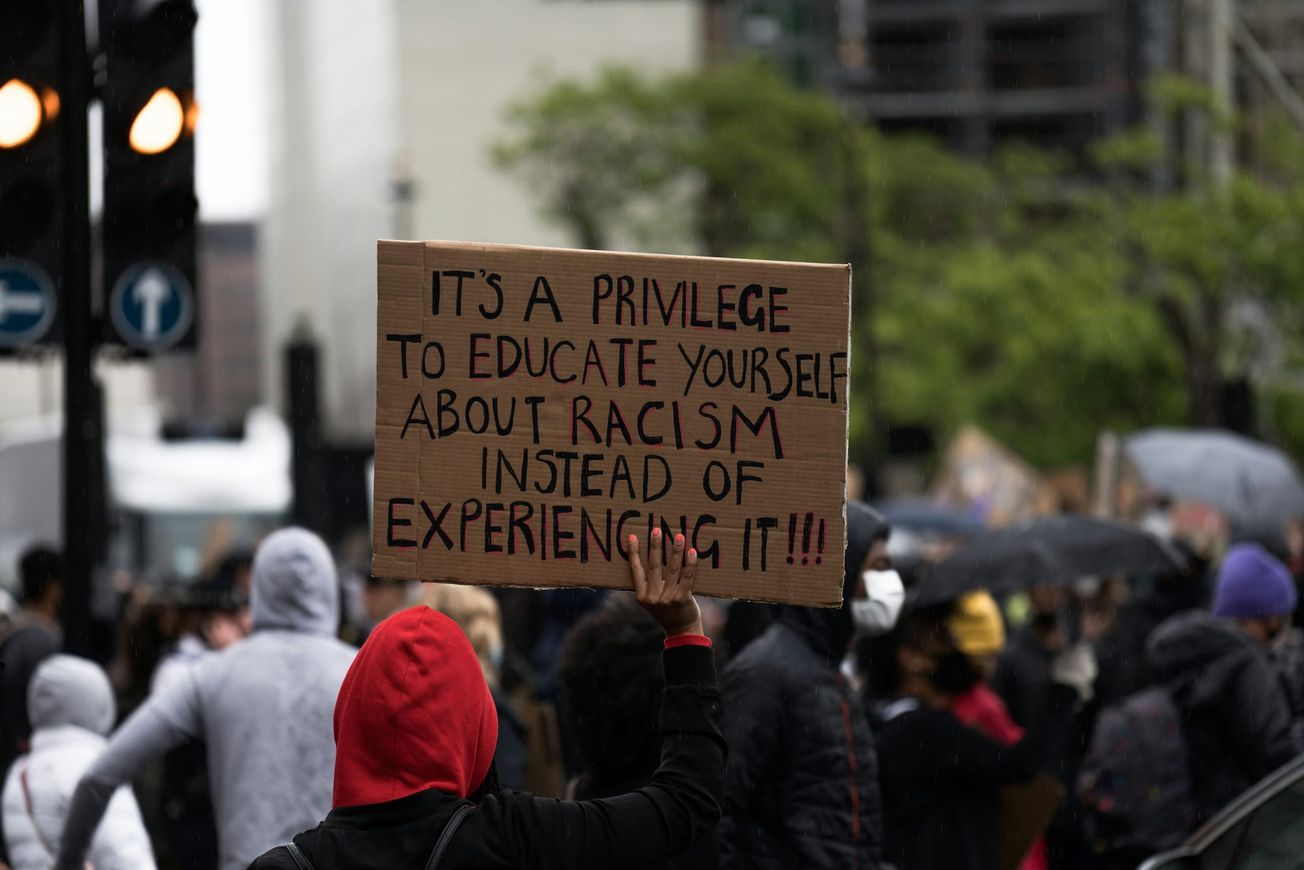
Specifically for the members of my Black British Literature seminars who didn't attend, didn't complete the readings, and left me to do all the talking, I have compiled a Black History Month reading list. This selection, categorised thematically, only scratches the surface of the incredible black writing out there. I hope that it might serve as a springboard into the rich world of Black British and Anglo-African literature.
London is the place for me - Finding Black British Identity
The Lonely Londoners by Sam Selvon
My top recommendation for Black History Month is Sam Selvon’s classic, The Lonely Londoners. Selvon finds humour in tragedy as his Caribbean characters arrive in a land contrary to their expectations. He portrays the harsh conditions that Caribbean people endured upon their arrival, yet still manages to highlight their unyielding hope as they established their communities and found joy in bringing their customs to the UK. The Lonely Londoners does not define black people by their suffering or pander to a white readership. It is filled with unapologetic, funny, and flawed characters who feel like people you know. Black History Month is a time to remember the injustices that black people have faced and continue to face in this country, but it is also a time to celebrate our culture. The Lonely Londoners creates space for both.
White Teeth by Zadie Smith
A book that needs no introduction. I would not call White Teeth a modern version of The Lonely Londoners, but the two novels have lots in common, from their multi-narrative structures to their witty language and London settings. If The Lonely Londoners follows the Windrush generation as they first settled in the UK, White Teeth highlights their descendants' struggles as they navigate their Britishness alongside their black identity. I do not consider this book the pinnacle of Black British writing, however it is an interesting time capsule of the millennium where the rise of multiculturalism correlated with the rise of right-wing nationalism in the UK.
Small Island by Andrea Levy
Andrea Levy’s novel centres on Jamaican immigrants who move to post-war England and stay in a white English couple’s home. Like The Lonely Londoners, the story conveys the disappointment that Caribbean people faced arriving in a country so hostile towards them. Like White Teeth, it portrays the complex dynamics that emerge when immigrants and foreign nationals coexist with white British people. Small Island is significant this Black History Month because it highlights the profound connection between the histories of British and Caribbean people. The achronological novel details the characters’ lives before, during and after World War Two, revealing their shared experiences and how war alters their attitudes towards their community.
Rue Brittania - Tales of British Imperialism
Half of a Yellow Sun by Chimamanda Ngozi Adichie
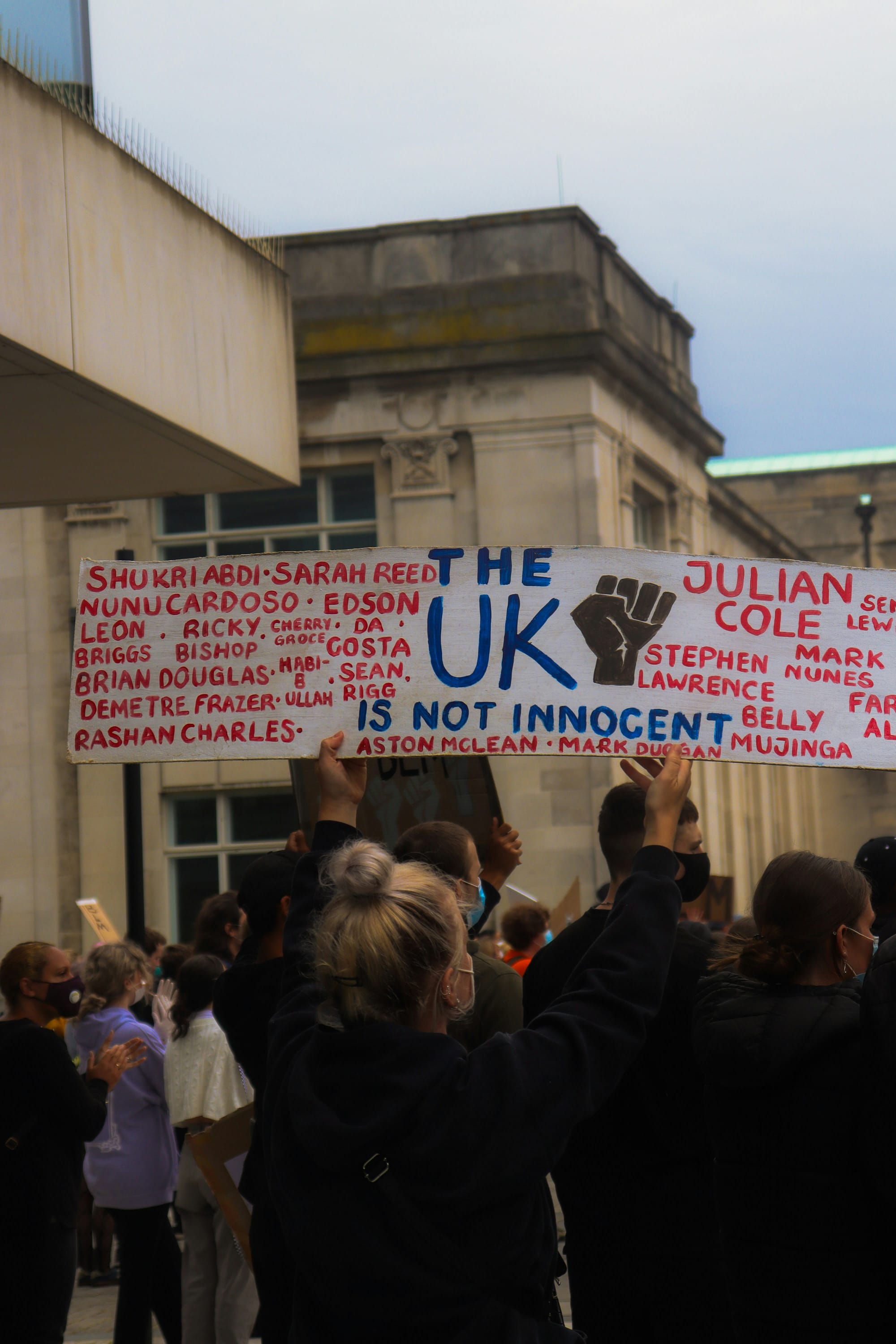
With the ongoing genocide in Palestine, many of us are familiarising ourselves with British colonial history and the devastating, long-term effects of British imperialism. Adichie’s classic explores this in the context of the Nigeria-Biafra War. The story follows the members of an Igbo professor’s household as the tensions between Nigeria’s federal government and the secessionist Republic of Biafra escalate into full-blown warfare. Family conflict, romance, and infidelity occur against the backdrop of a country on the brink of war, and we see how these dynamics change once war is upon them. The English journalist, Richard, provides an interesting outsider perspective. His eagerness to be part of Biafra causes him to speak for the Biafrans before learning that these are not his stories to tell and finding more productive ways to use his privilege. I believe that readers will find Richard’s journey as an ally and the novel’s criticism of Western journalism particularly relevant.
Things Fall Apart by Chinua Achebe
Widely considered one of the greatest and most influential books of all time, Things Fall Apart relates the life of the insecure, aggressive leader of a Nigerian clan. We learn about his village’s traditions and beliefs, and watch them crumble under British colonial dominance once Christian missionaries arrive. The culture clash that occurs when the British invaders use Christianity to seize control of native people leads to one of the most heartbreaking endings of any novel I have ever read.
Sister Outsider - Spotlighting Intersectionality
The Fat Lady Sings by Jacqueline Roy
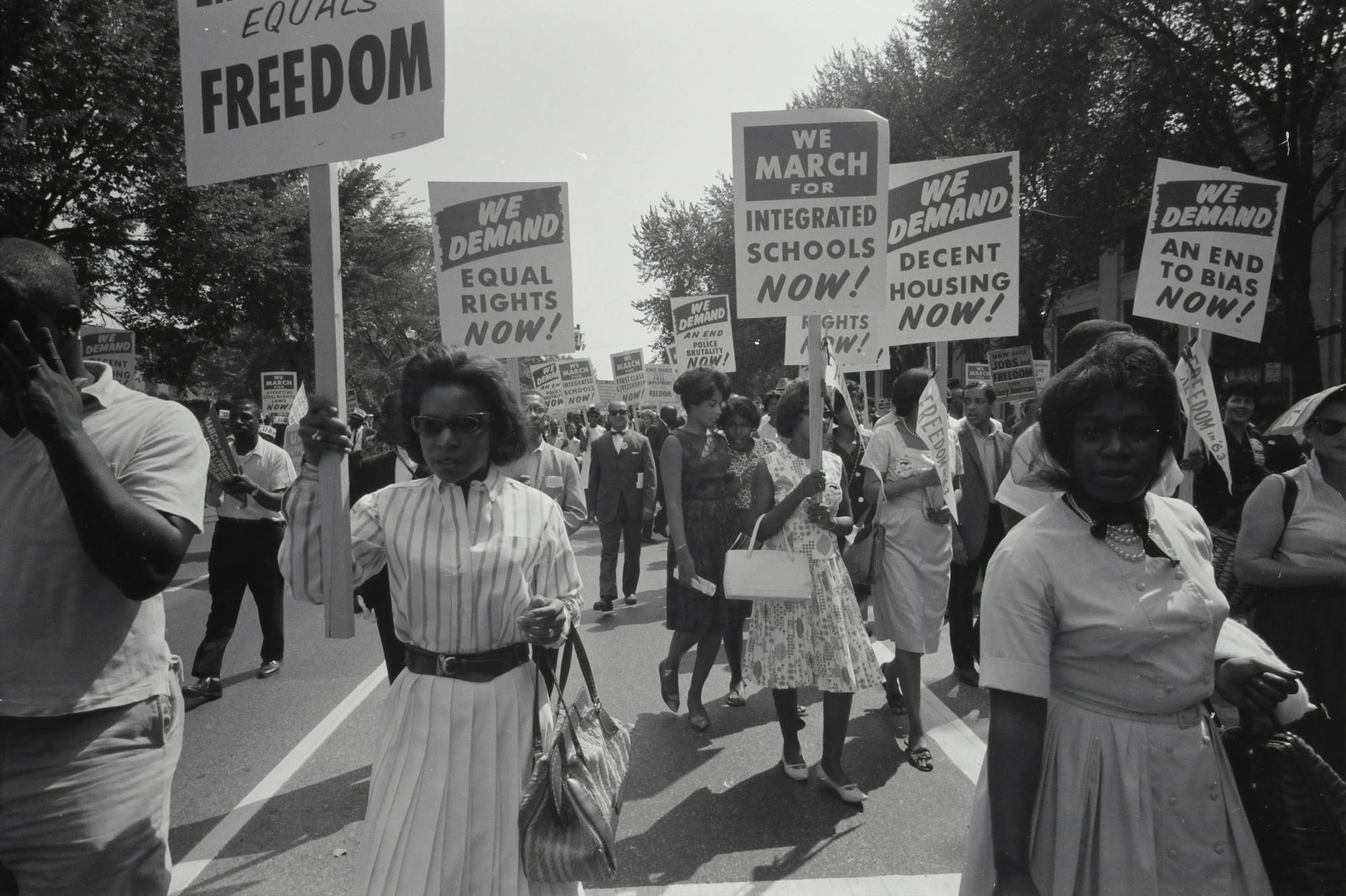
The Fat Lady Sings is about two black female patients in a London psychiatric hospital. One is a boisterous singer with a wicked sense of humour. The other is a timid new arrival at war with the voices in her head. I am always surprised when a book moves me to tears, but The Fat Lady Sings achieves this with ease. As we learn more about each woman’s life pre-hospitalisation, it becomes clear that their fight for a good, autonomous life in Britain was a losing battle. Their stories expose this country’s institutional discrimination against black, queer women with mental health conditions. Black people are statistically more likely to have mental health conditions, and they are sectioned twice as much as white people. Roy tackles this underexplored subject with vigour, giving unique voices to women who are marginalised as much in fiction as in reality.
 Joshua Edwicker
Girl, Woman, Other by Bernadine Evaristo
For those of you living under a rock, Girl, Woman, Other is Bernadine Evaristo’s epic multi-narrative book, which follows a cross-generational ensemble of black women and non-binary characters. Evaristo pays attention to the intersections of race, gender, class, and sexuality, detailing the experiences of people with different identities living in the UK. In the six years since Evaristo published Girl, Woman, Other, we have seen an increase in stories centring black characters of marginalised identities. But this book has not lost its relevance as a novel that made many, including myself, feel represented in literature for the first time.
Second Class Citizen by Buchi Emecheta
This powerful, semi-autobiographical novel tells the story of Adah, a Nigerian woman who journeys from Lagos to London. After beating the odds stacked against Nigerian women, receiving a good education and a well-paid job, she travels, brimming with hope, to join her husband in London. When London fails to live up to her expectations and her husband turns violent, we see Adah’s battle for agency and a better life for herself and her children. There are too few accounts of this specific migrant experience from a woman’s perspective, and though the story is emotionally gruelling, Adah’s courage makes for an inspirational tale.
Featured Image:Unsplash
Which book will you read first?