By Tylah Hendrickson, Arts Subeditor
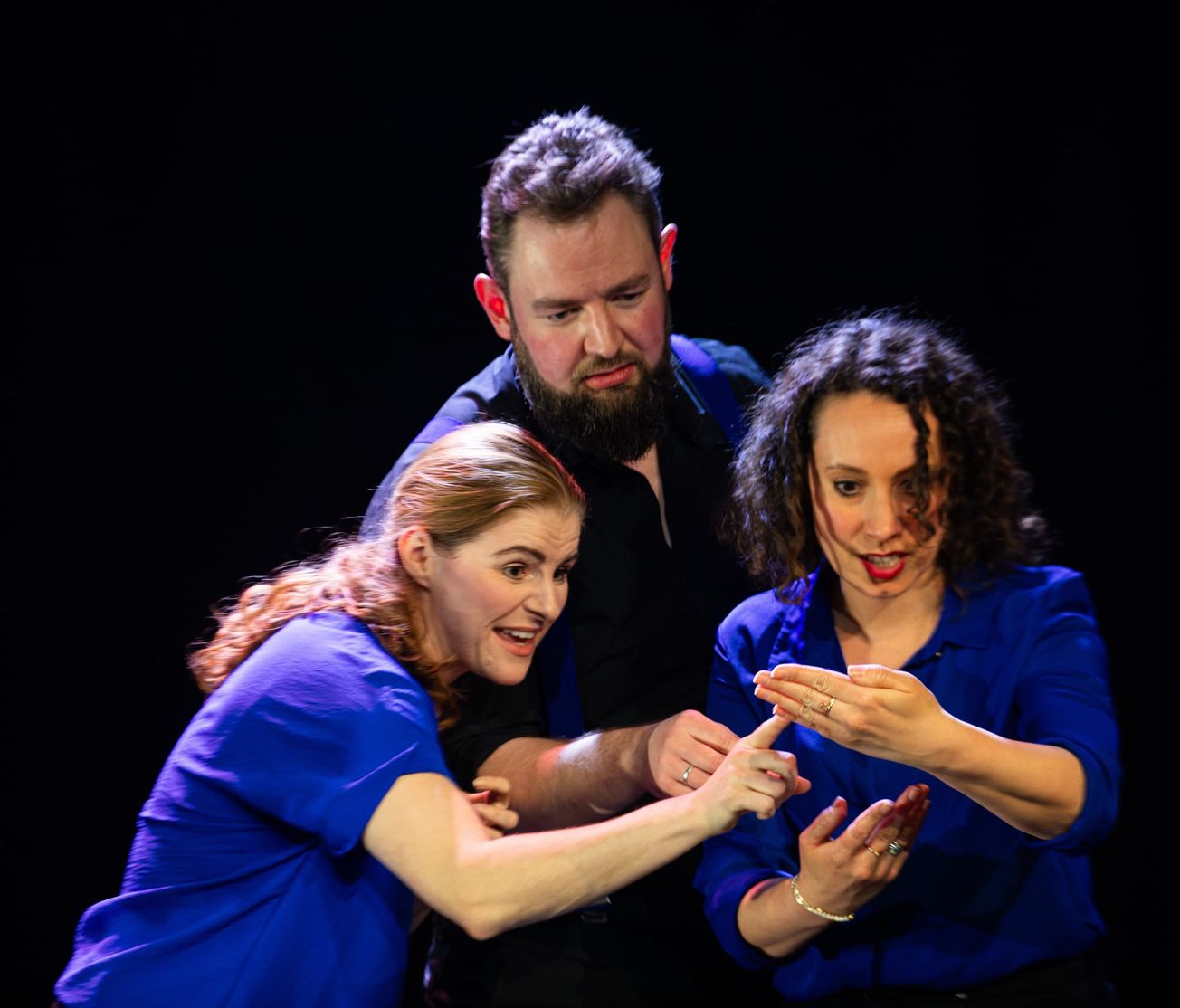
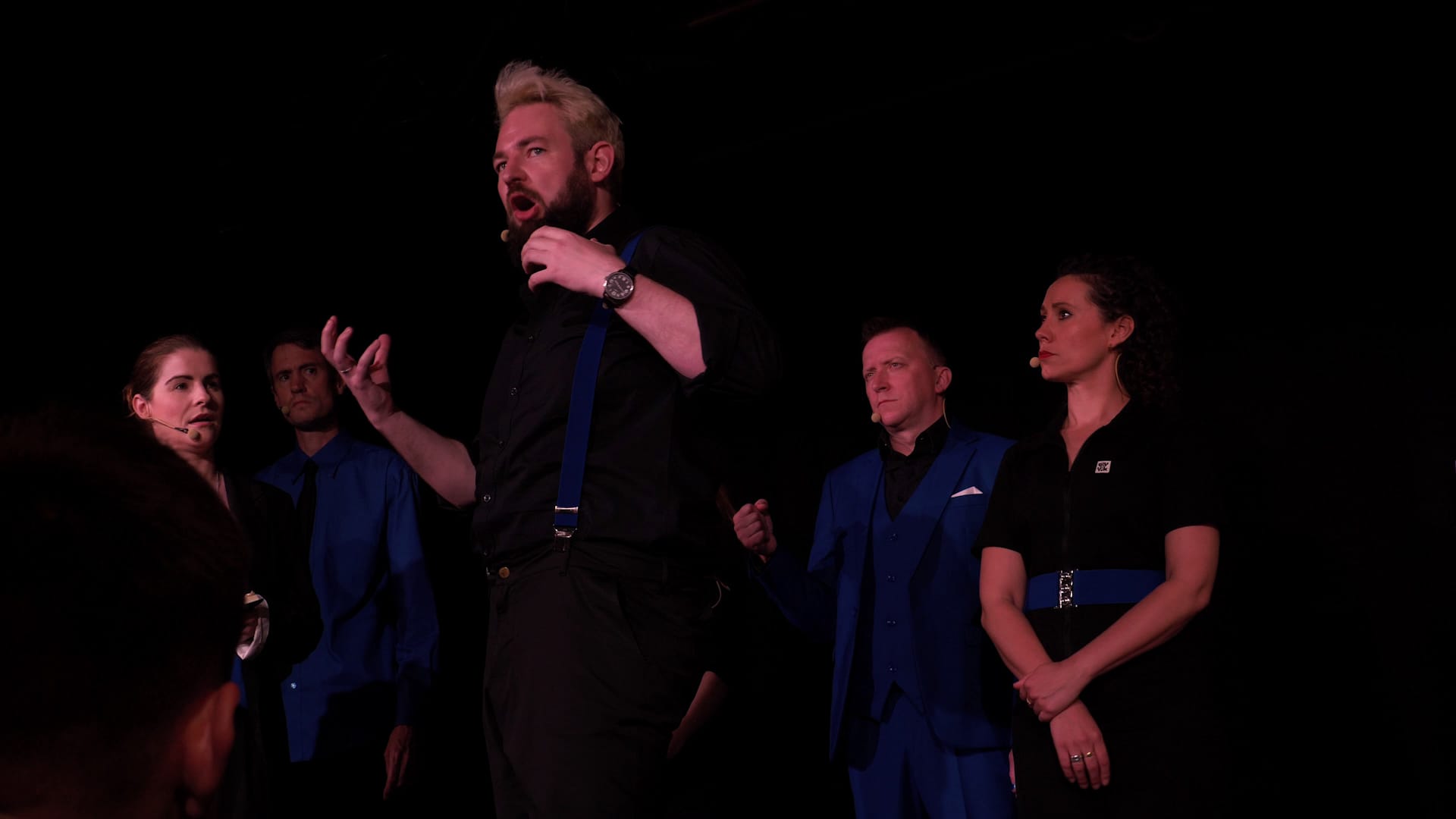
Performing at Fringe festivals, navigating the ins-and-outs of producing across media, and expecting the unexpected – award-winning writer-performer Lee Apsey has built a diverse career across film, digital media and theatre. He brings his acclaimed, audience-driven improv show Crime Scene Improvisation (CSI) to Bristol’s Tobacco Factory Theatre for one night only on 1st of February 2026. Ahead of the sold-out show, Apsey shared his insights on the festival circuit and his creative process.
On the Fringe Circuit: Look Beyond Edinburgh
For up-and-coming artists, the Edinburgh Fringe dominates the artistic world as a pivot into industry accreditation. Apsey acknowledges its unique scale as ‘the third largest ticketed event in the world outside of the World Cup and the Olympics,’ but warns against seeing it as the only path.
‘If you are going to Edinburgh with the hopes of getting a larger deal… you are putting all your hopes and happiness into the hands of some random producer or company,’ he says. ‘First and foremost, make the thing you want to make and that you’re happy making.’
Lee emphasised autotelism in art, creating for its own sake. This is becoming increasingly difficult, he admits, especially when there’s an ‘economic floor that may hold you out of something you want to achieve.’ But in the meantime, both individually and collectively, you’ve got to find ways to mitigate these issues.
His advice? Look to the thriving network of smaller festivals. ‘Don’t get locked into Edinburgh, as much as I love it. There’s Brighton Fringe, Camden Fringe, all the Nordic Fringes… There’s so many wonderful people you meet by branching out.’
He highlighted practical initiatives, like the Fringe of Colour scheme, which helps platform performers of colour through providing discounted/free tickets for the people attending their shows, as vital for improving access. ‘It creates a run-on effect of people feeling like they do have a place and that their work is valued.’
The Creation of CSI
2026 marks a decade of CSI at the Edinburgh Fringe. The show won the best improv/musical at Leicester comedy festival in 2023, and won the comedy award at Colchester fringe in 2024. Its original concept evolved from a desire to combine narrative satisfaction with a pure love for improvisation.
‘We were both writers primarily,’ Apsey explains, referring to co-creator Rachel E Thorn. ‘We wanted to make something that's structurally going to have a satisfying climax while still having the liveliness, connection and unpredictability that we love from improv. So our solution to that is we realised, well, if you do an improvised murder mystery, whatever happens in between the murder is going to get solved.’
‘Human beings are made of stories, there’s a gravity to stories, people ultimately know what they want’
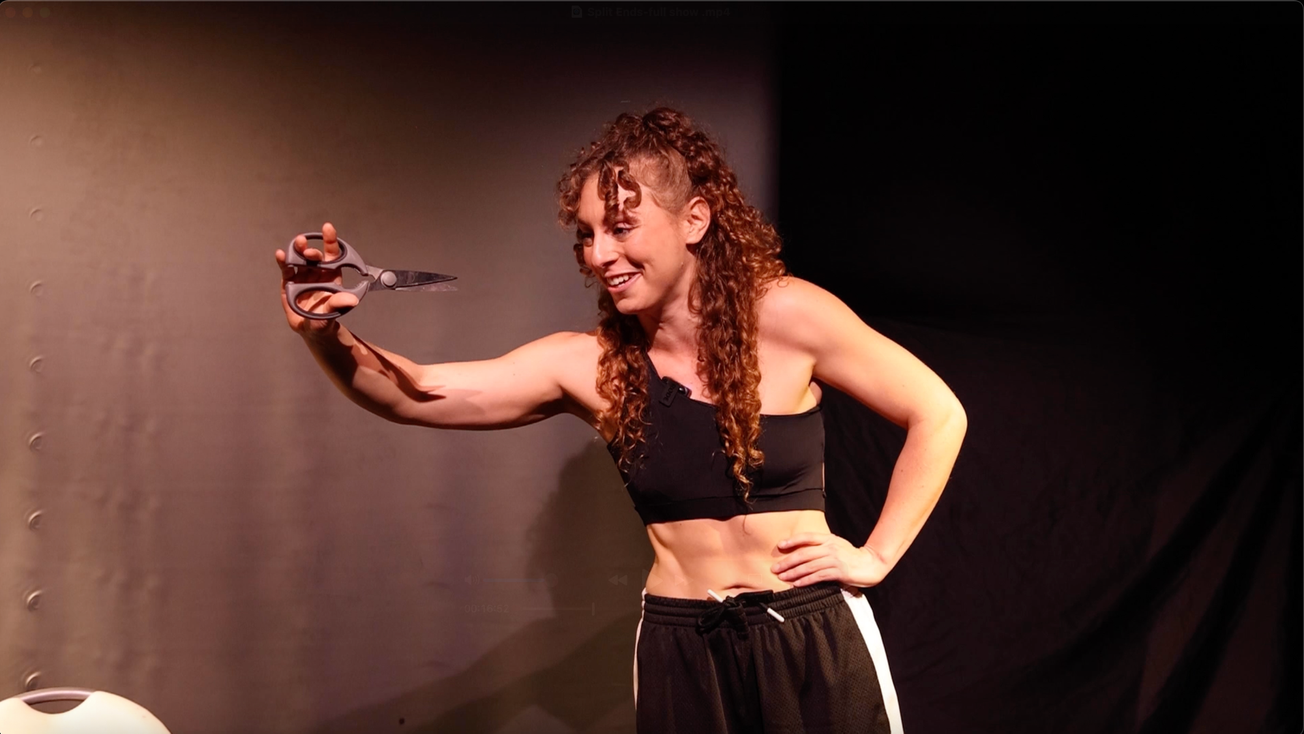
The audience creates the victim, their occupation, and the murder weapon. The cast builds a world of suspects around this scenario, and in the final moments, the audience chooses the killer. ‘We have to make that make sense,’ says Apsey. ‘That’s our synthesis of improv and our writer minds.’
When asked if such an audience-heavy show has a hidden narrative structure, Apsey explained: ‘There’s a lot of different approaches but the way I like to explain it is that human beings are made of stories, there’s a gravity to stories, people ultimately know what they want.’ He draws an analogy to The Lord of the Rings (2001), ‘there's dragons and angels and all of these incredible things, but it ultimately comes down to ‘are Sam and Frodo friends?’ That tension carries the story arc. If you are a human who watches stories, reads stories, tells stories with your friends, you feel the same emotional impulse. And as long as you trust that, you’ve got the same hardware as the audience.’
The Perfectionist’s Guide to Letting Go
Juggling multiple creative roles has honed two skills for Apsey: empathy and problem-solving. ‘A lot of it is acceptance,’ he notes. ‘You can better change what you are willing to accept.’
He credits improv with transforming his natural inclination towards perfectionism. ‘Before, I was an extreme perfectionist. That's my default brain. And that can be very stifling. But once you start working within this field the whole point is that you won't have control, you just have to accept whatever's happening and make it the best thing… have an excitement for what you and your peers will then do and you can achieve a lot more.’
This philosophy of ‘controlled accidents’ fuels his multi-disciplinary work. He cites the samurai Miyamoto Musashi, who believed practicing calligraphy improved his own swordsmanship. ‘When you study a range of different fields, you can start to see those connections… The more you work in everything, the more you see everything is everything. To paraphrase Lauryn Hill.’
 Alex Boersma
Featured Image: Crime Scene Improvisation / Andrew AB
Will you see CSI in Bristol?