By Charles Hubbard, Second Year, Theatre and Performance
If you’re a miserable singleton like me, you may have a knee-jerk aversion to Hollywood rom-coms and opt for something a little darker this Valentine’s Day. Here are five films that will make you feel very smug about being single on the most romantic holiday of the year.
It’s beyond hackneyed at this stage to point out that Hollywood has never been interested in depicting realistic romances. It almost feels like there’s some government-mandated law that every romance must feature two attractive white people (though the woman is always way out of the man’s league) in their mid 30s who can’t stand each other at first and then fall madly in love over the course of a long weekend. The couple must be straight, of course. But if the filmmaker dares insist on a queer love story, one of them must die at the end. And god forbid any open relationships! All sex scenes must be entirely non-verbal and tastefully shot (with questions of contraception entirely ignored). The female lead must always be immaculately styled, even if she’s just rolled out of bed. And if the final declaration of love doesn’t happen in a glaringly public place after a dash to the airport, it’s straight to movie jail for the director!
However, this holiday season, I’d like to hand the spotlight to five films that dare to buck these conventions and suggest to the audience that Hollywood romance isn’t all it’s cracked up to be.
The Heartbreak Kid (1972) dir. Elaine May
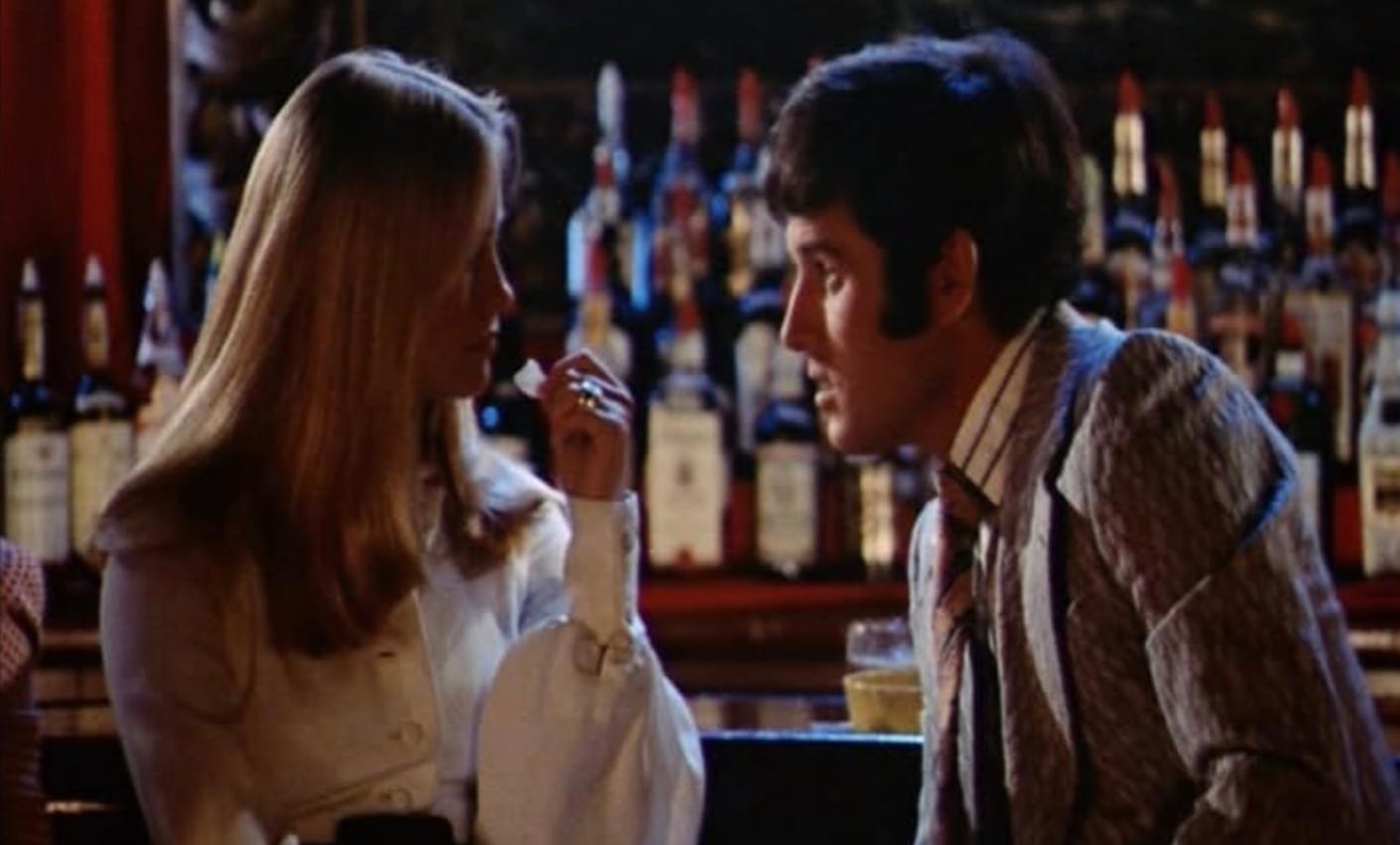
This lesser-seen gem follows Lenny Cantrow (Charles Grodin), an opportunistic, morally bankrupt sports salesman, who rushes into marriage with the emotionally immature Lila (Jeannie Berlin) so that he can have sex for the first time, only to instantly fall in love with another woman on his honeymoon. The beauty of this film is that it makes you instantly question the male lead of every rom-com you’ve seen before, and all those that you’ll see in the future. Lenny’s behaviour is no more awful and outrageous than those of Tom Hanks in You’ve Got Mail or Domhall Gleason in About Time and yet, unlike those other films, May refuses to let her protagonist off the hook.
An obvious precursor to all the cringe comedy that would come after it, The Heartbreak Kid features some of the most toe-curlingly awkward scenes you will ever experience as Lenny desperately tries to pivot from one marriage to another, even as the ink has barely dried from his first wedding. It is the perfect film for anyone who’s ever grinded their teeth at just how easily the Hugh Grants and Richard Geres of the world are able to swan their way from one relationship to another. The Heartbreak Kid takes every rom-com leading man straight to court and forces them to account for all the damage they’ve caused on the way to their happy ending.
Broadcast News (1987) dir. James L. Brooks
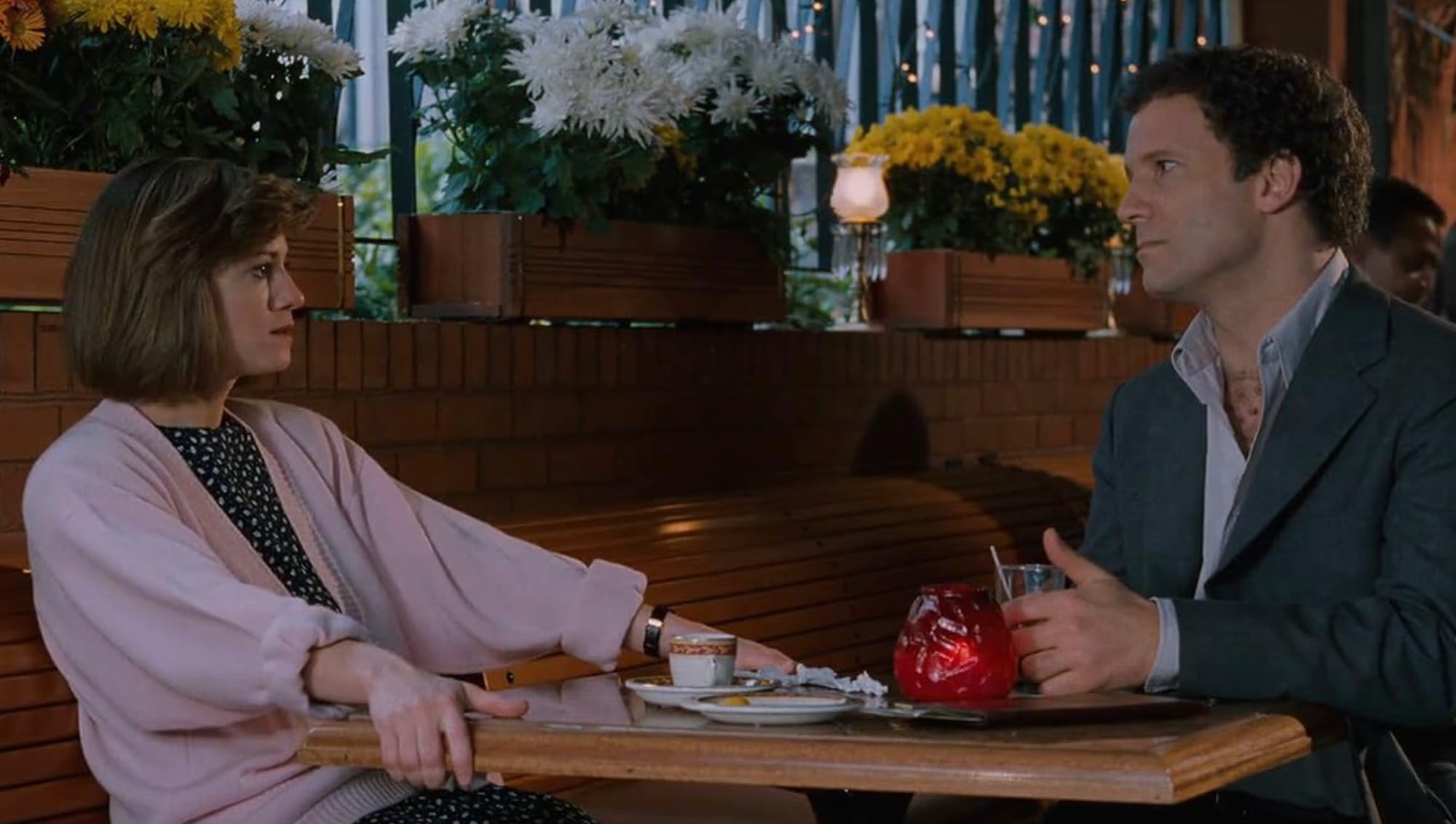
Jane Craig (Holly Hunter) is a relentlessly ambitious TV news producer whose hot temper and unshakeable integrity often puts her at odds with the slimier, more pragmatic elements within her industry. She finds herself caught between romances with her best friend Aaron (Albert Brooks), an intelligent but prickly news reporter, and the TV station’s new anchor Tom (William Hurt) - who has the looks and charm of a movie star but zero moral fibre when it comes to honestly reporting the news. As the film goes on, it becomes clear that neither man is right for Jane and that she must force her uncompromising attitude towards her work to extend to her personal life as well.
While Broadcast News certainly wasn’t the first film to have its protagonist end up single, it was groundbreaking in its treatment of Aaron’s character. In any other rom-com, Aaron would be seen as the schlubby, loveable guy who the audience knows Jane should probably be with, even if she opts for another man by the end. However, Brooks’ (both the director and the actor) portrait of Aaron is that of an entitled, insensitive manchild, who feels that he is owed the affection of Jane just because their professional principles happen to align. Over the past few years, there’s been a lot of talk over the insidiousness of the “nice guys finish last” mentality. However, James L. Brooks was exposing the toxicity of that attitude almost forty years ago. If more rom-coms were able to be as clear-eyed about their characters as Brooks was, I suspect that a lot more of their protagonists would end up happily single.
Never Let Me Go (2010) dir. Mark Romanek
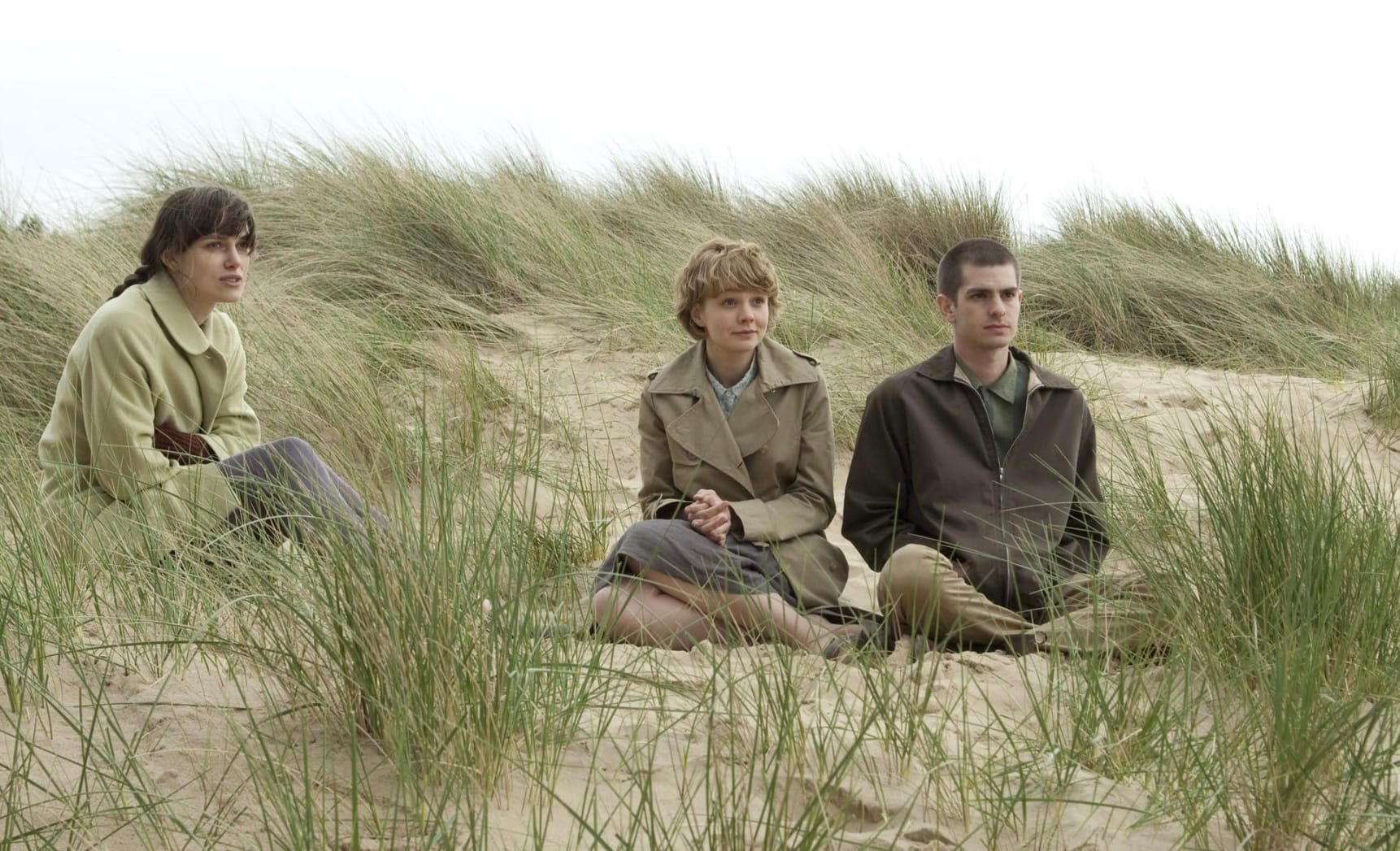
Based on Kazuo Ishiguro’s seminal 2005 novel of the same name, Never Let Me Go follows the story of three young adults - Kathy (Carey Mulligan), Ruth (Keira Knightley) and Tommy (Andrew Garfield) - attempting to reconcile the idealism of their picture-perfect childhood with the harshness of the world they are thrust into once leaving school. I won’t spoil the specifics of the film too much (the slow burn of the story deserves to be experienced as Ishiguro intended) but Kathy and Tommy believe that their love for one another will be enough to save them from their lives being cut short. Spoiler - it’s not.
The astonishingly bleak ending of the novel (that the film doesn’t quite do justice - I’d recommend reading the book first) reveals the inherent hollowness of all romance. That no relationship, no matter how perfect, beautiful or harmonious, is enough to save us from the inevitability of death. Alex Garland’s screenplay in particular highlights how all fictional romance, whether it be in a book, film or an advert for a wedding ring, is all just set-dressing to try and convince its viewer that a relationship with the right person will fundamentally fix their life and solve all their problems. Never Let Me Go seeks to confront that lie head-on and strip it for parts. In other words, a fun watch for the whole family. Enjoy!
Gone Girl (2014) dir. David Fincher
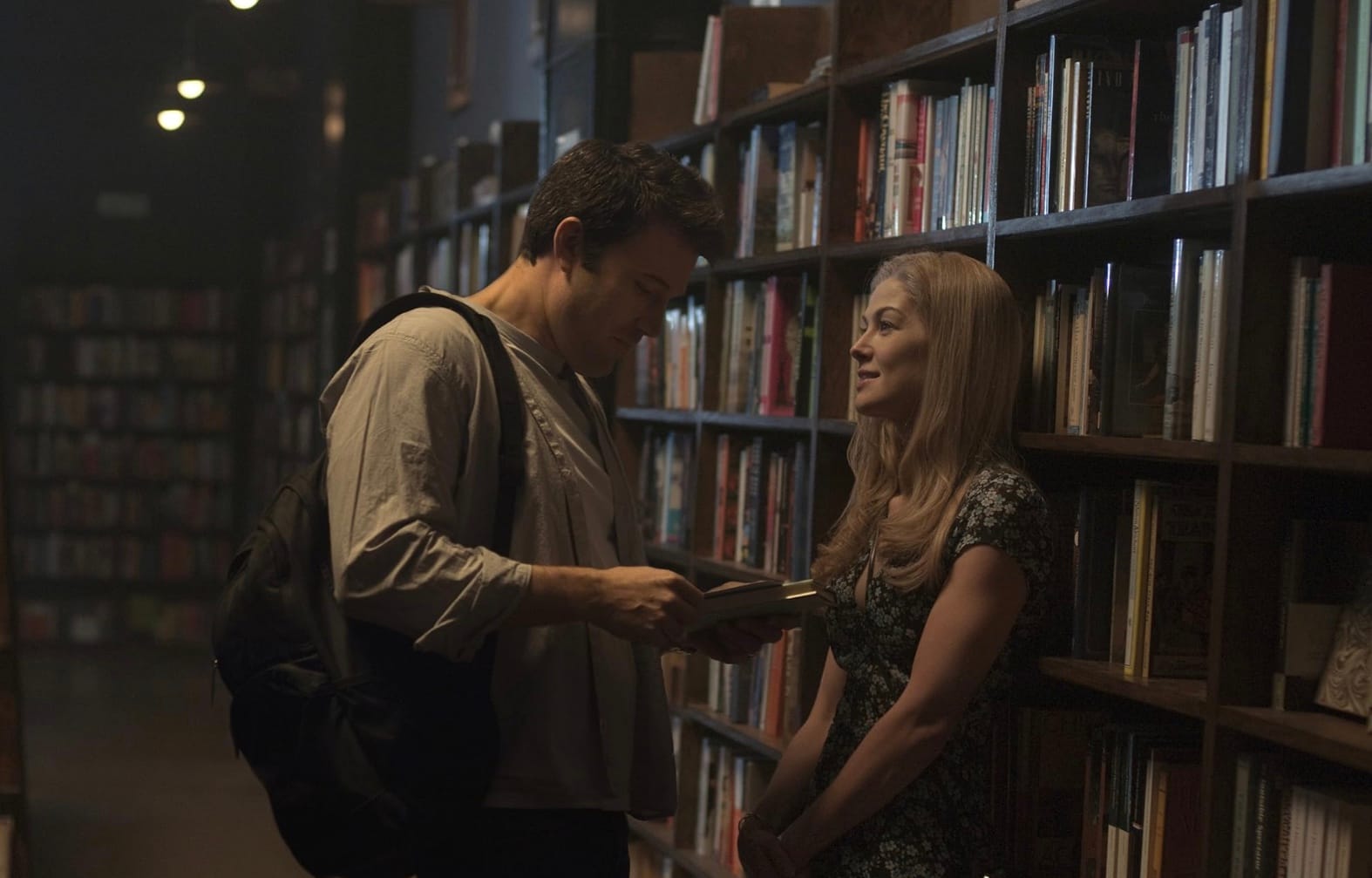
Now finally for a movie you’ve actually heard of! Also based on a bestseller, Gone Girl tells the story of the slack-jawed and gullible Nick Dunne (Ben Affleck), who wakes up one morning to find that his wife Amy (Rosamund Pike) is missing. As media pressure on Nick increases and the clues point more and more to his involvement in his wife’s disappearance, the veil is lifted on the Dunnes’ seemingly ideal marriage to reveal a relationship full of resentment, distrust and deception. Gillian Flynn’s script posits that all marriage is inherently performative, both performing for the other person and collectively performing for friends and family to present a more polished picture of the relationship. Every couple starts out vowing that they won’t run into the same problems as the other partnerships they know, believing that they’re smarter and more honest than them.
However, according to Flynn, they inevitably circle round to perpetuating the same uncomfortable, clichéd dynamics we’re all familiar with. The film’s cynical view of marriage is pretty ironic considering that Fincher produced it with his wife, Cean Chaffin. I wonder if their marriage is doing ok. It’s difficult to say whether Nick and Amy are so different that they are destined to eventually destroy each other, or if their shared sociopathy and misanthropy actually makes them perfect for each other. The film (and its deliberately ambiguous final ten minutes) leaves this question up to the audience and is all the better for it.
 Grace Golby
Carol (2015) dir. Todd Haynes
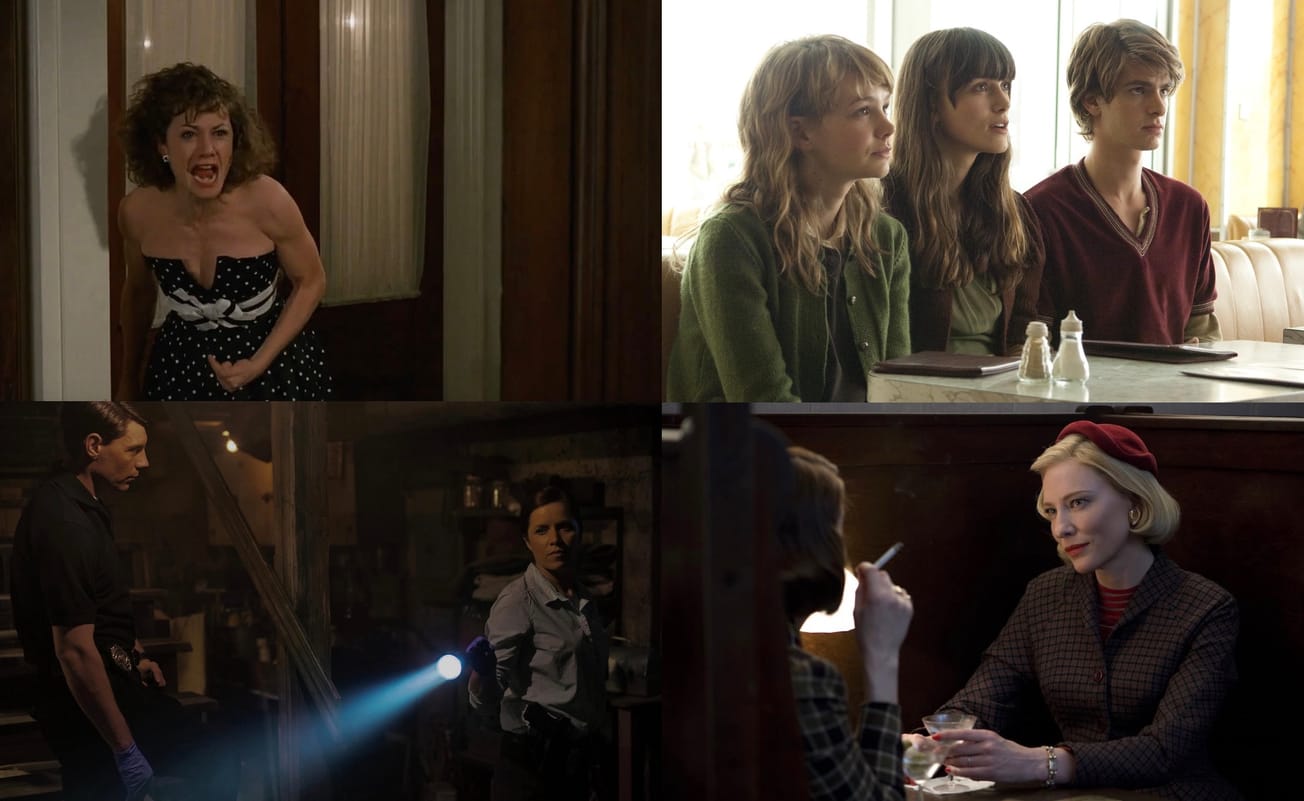
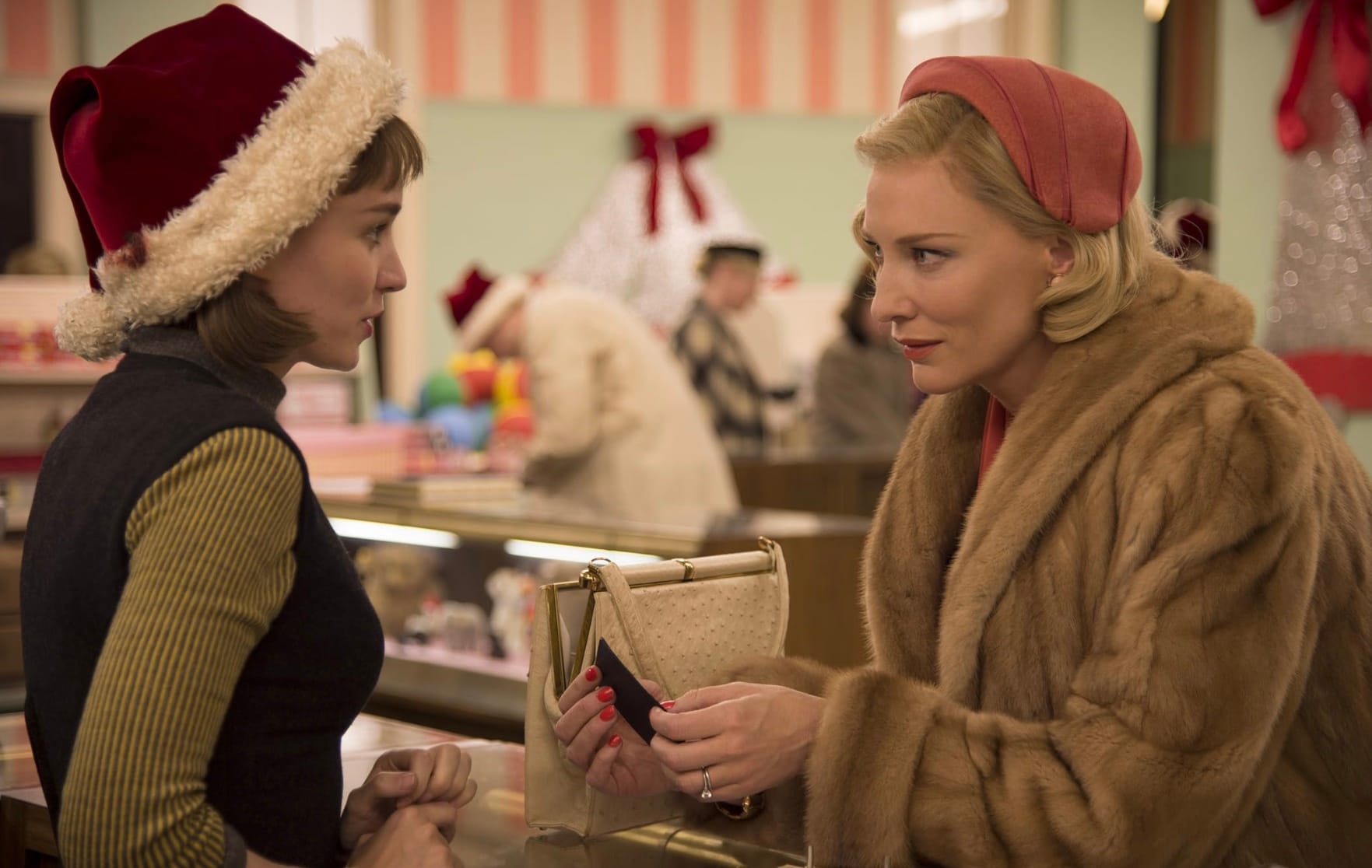
Given the film industry’s terrible history of erasing queer voices, I would be remiss not to include at least one LGBTQ film on this list and Todd Haynes’ gorgeous story of suppressed sexuality in 1950s America seems as good a place as any to start. When nervous story clerk Therese Belivet (Rooney Mara) has a chance encounter with glamorous housewife Carol Aird (Cate Blanchett), the two begin a tentative, pseudo-affair that slowly peters out like a car struggling to get up a hill. One of the first studio romances to be made by an openly queer filmmaker (as opposed to the more conservative depictions of queerness from Ang Lee and Stephen Daldry) and was perhaps the first to end not with a performative fireworks display of tragedy, but rather with a note of quiet hope.
Many gay romances beat their audience over the head with the persecution their characters face to the point where there is little room left for anything else. While acknowledging the societal pressures that its characters face, Carol offers a considerably more optimistic perspective, substituting the emotionally violent outbursts of Brokeback Mountain and The Hours for the quiet, repressed yearning that would pave the way for filmmakers like Luca Guadagnino and Emma Seligman to broaden audiences’ horizons when it comes to what a queer love story can be.
Featured Image: IMDB / Emma Coleman
What's your favourite film to watch on Valentine's Day?