By Ambar Madhok, Third Year English
When you hear the term ‘classical music’, do you see it being: 'demure', 'horn-y', 'exhilarating'? If not, then I’d urge you to read on.
Live classical music can provide a much more intimate listening experience than you might expect. From the organised chaos of tuning instruments to the anticipatory silence before a piece begins, everyone is physically connected by the sound waves sent out by the musicians.
There is a quality to orchestral music, without electronic interference, that creates a vastly different atmosphere to rock gigs; string players, for example, physically draw out sound waves from their strings. There's such a fine line between a cat screeching and a perfectly level note.
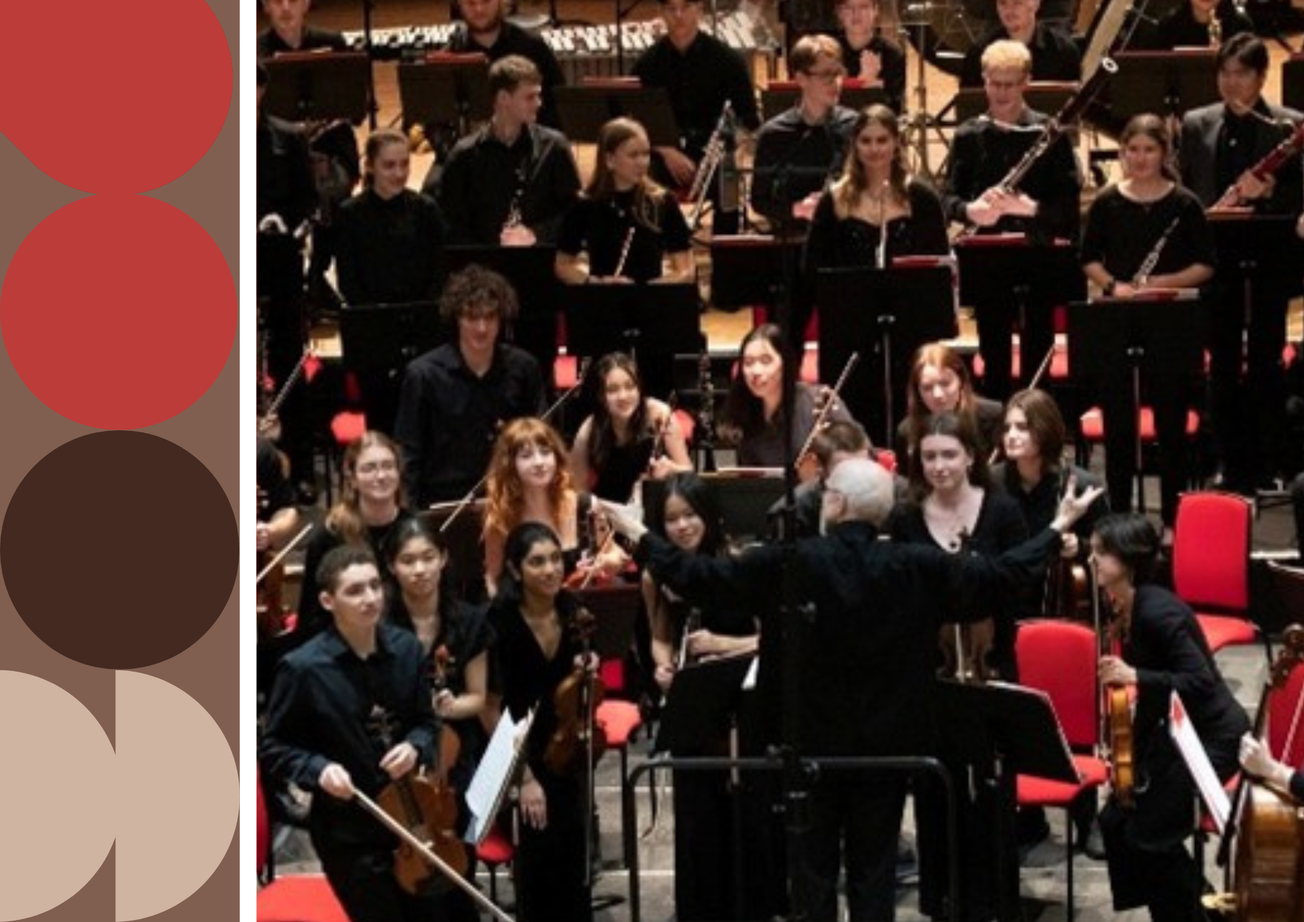
Watching the conductor work to facilitate the musicians to produce the right balance is unique to orchestral, or chamber, music. The vibrations from the creation of a note connect to both the musicians and the audience; it is a very human experience.
A friend of mine, Andrew, who does not usually listen to ‘classical music’ supported me by watching the ‘BUMS in Harmony’ concert in October. He was shocked that 'the sound was uniquely immersive, despite there not being any real sound design per-se.' He discussed being more drawn to the performance than he expected and is now more open and curious to watch orchestral concerts in the future.
I also spoke to casual flautist Tara, who plays in a few ensembles alongside playing hockey and studying engineering. She relayed how watching musicians perform enhances the listening experience because, ‘You get to feel what they feel. When they play the music, they move, and they feel the music, which helps you to feel the music.'
'They feel the music, which helps you to feel the music'
Orchestral performances are not just about producing sound but reflecting the emotion of the music, and together helping to guide the audience (and each other) in understanding the effect it is producing.
It appears many people are intimidated by orchestral concerts because they assume they're boring, or overly complicated. However, Tara and I spoke about the importance of going to a concert with an open mind. A lot of people will 'know what an action sequence or a sad scene will sound like.' When listening it can be quite nice to 'imagine your own scene and essentially fill in the picture.'
The way we listen to music has become so virtual, where short hooks or chorus lines from songs are played in snippets on short form videos. Once a classical piece gets to its crux, it might feel as if a puzzle has finally been solved; all the melodic lines suddenly fit, rewardingly, into place. Watching an orchestral performance provides an alternative space where you can zone out; it’s just you, the musicians and the music.
University is a prime opportunity to explore the ‘classical music’ scene. There are weekly free concerts, hosted by the BUMS Chamber Music network every Wednesday at 13:15 in either St Paul’s Church in Clifton, or the Victoria Methodist Church next to the RWA; the performances are with smaller ensembles, or soloists and are such a high standard, lasting around 45 minutes.
I went for a study break, and felt so refreshed after watching such incredible performers, yet there were only around ten others around watching. These musicians are performing for the joy of sharing music, and it would be amazing if more people were able to experience a part of the passion they express.
In Bristol, watching orchestral music is not only affordable (there's so many discounts for young people), but there are many opportunities to watch world-class performers. Last year, I was fortunate to see Sheku Kanneh-Mason (who performed at Harry and Meghan’s wedding), at Bristol Beacon. Moreover, St George's is a local venue which regularly has reduced ticket prices for students. BUMS also regularly holds discounted concerts for students, with some being around £3.
Upcoming concerts include the University of Bristol Symphony orchestra performing on the 21st February 2026, in the Victoria Rooms, and a joint concert between the Chamber Orchestra and Chamber Choir on the 16th March 2026 in St George's.
 Anastasia Baker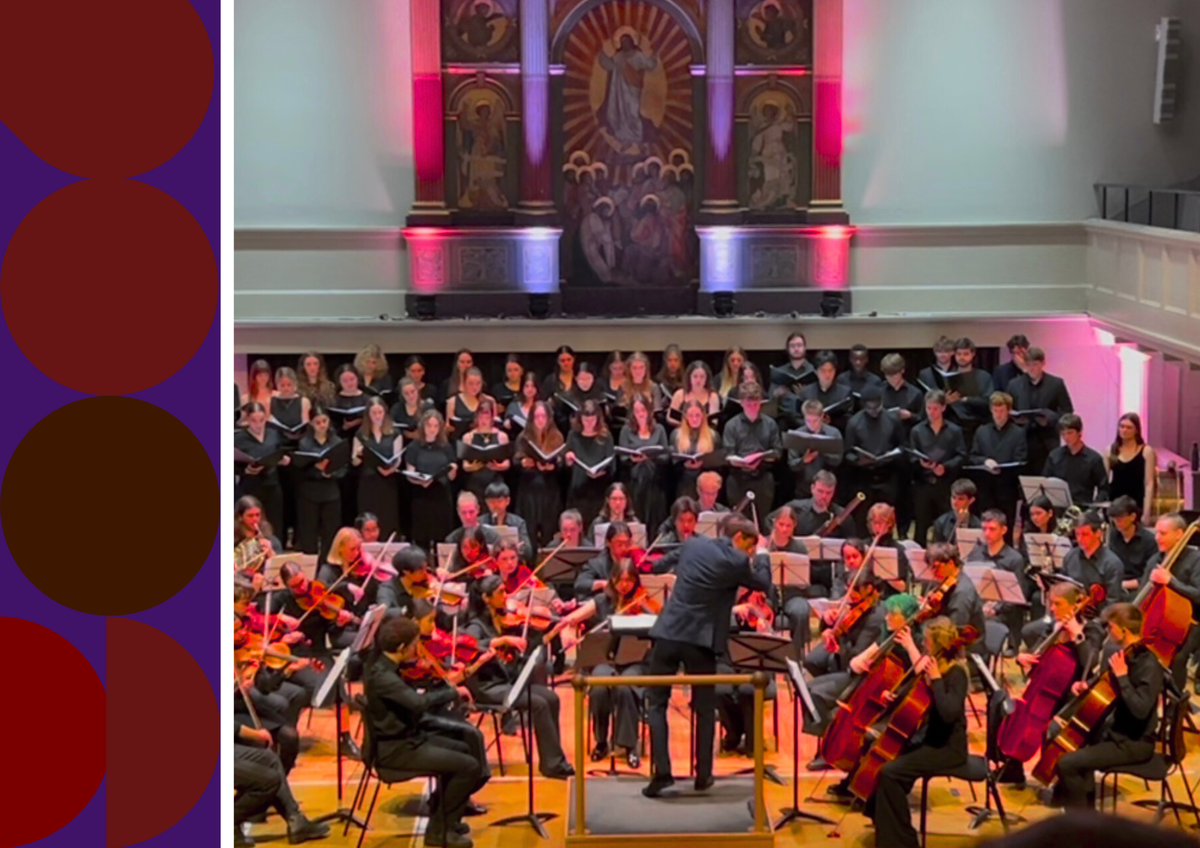
Of course, concerts will vary as ‘classical music’ includes so many different genres, and it will take time to work out which composers you may prefer over others. For example, when you ask most musicians what they think of Mozart, there will be a general sigh, yet, if you mention Shostakovich, some will say his music is ‘headbanging’ as one of my friends did.
The start of 2026 seems like the perfect opportunity to try something new, and with so many financially accessible performances, I would thoroughly encourage you to explore the orchestral scene, and to experience the human connection it has to offer – so tune in!
Featured image: University of Bristol Symphony Orchestra / Alan HumphreysHave you ever been to an orchestral performance?