By Zoe Lambe, Third Year History
Upon deciding which accommodations we wished to be placed in before first year, I am sure many of us found ourselves looking beyond the information put out by the University of Bristol. In addition to the obvious statistics of each accommodation such as cost, distance from campus or flat sizes, most people are keen to gauge the ‘vibe’ of an accommodation before selecting it. Prior to starting university, many people are hyper-aware that where they live will likely end up shaping their social life in one way or another. However, evaluating the ‘vibe’ of an accommodation before actually living there is undoubtedly challenging, and seems to necessitate anecdotal sources such as online forums, or simply trusting what you hear from those around you. Perhaps, though, new students need look no further than photographs of their potential accommodations in order to gain a deeper understanding of them and what types of students they might attract.
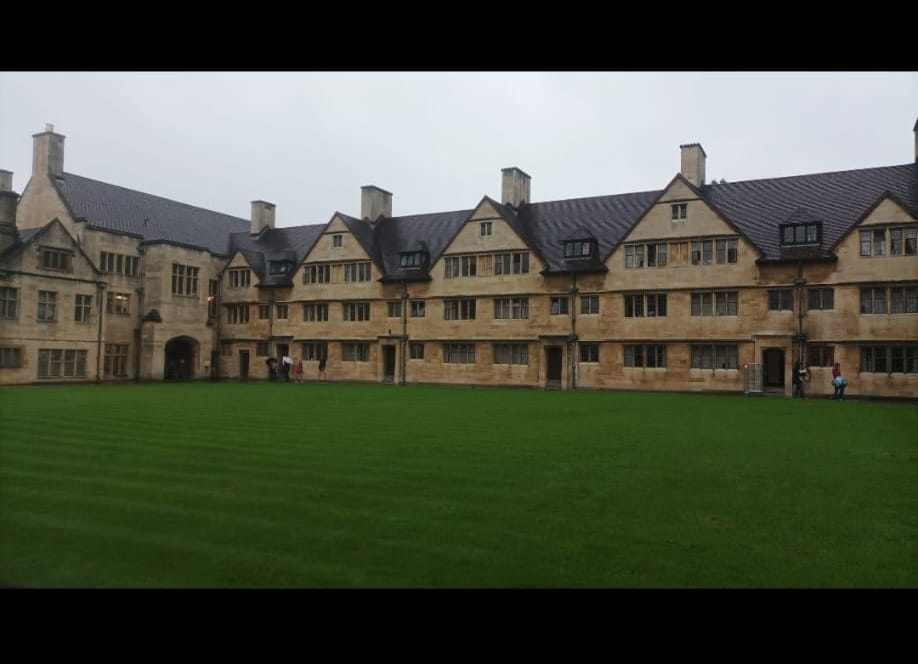
Architecture, sociology and politics have long been intertwined, and student accommodations are no exception. Wills Hall is one of the most blatant examples of this in Bristol. Oxford and Cambridge have long been criticised for their elitism, and the architecture of their colleges feeds into it. A number of Oxbridge colleges were deliberately designed to resemble elite private schools Eton and Westminster. Their grandiose designs can appear intimidating and exclusive to those who haven’t previously existed within such buildings. Wills Hall was designed in 1924 by Sir George Oakley, and according to the Wills Hall Association website, was designed with various elements of Oxford colleges in mind. Knowing all of this, perhaps it becomes clear how Wills got saddled with its reputation for attracting ‘posh’ students.
‘corridors and shared bathrooms [...] have been proven to increase passive interaction significantly, despite reducing convenience’
The interiors of accommodations can be just as influential as their outsides. Sociological studies have demonstrated that the sociability of accommodations links directly to their shared spaces – not only the ones we might assume are important, such as shared meal spaces or deliberately social areas like bars or study spaces– but also corridors and shared bathrooms, which have been proven to increase passive interaction significantly, despite reducing convenience. Perhaps this explains why accommodations in North Village, which are typically older than those in the city centre, have a reputation for being more sociable. With catered accommodations sometimes not having their meal areas be directly connected to the living spaces, such as in Churchill Hall, there is also an increased opportunity for passive interaction. Older and occasionally less streamlined designs may initially seem less appealing, but they have been proven to have social benefits!
‘While inoffensive and practical, it can be slightly uncanny to visit friends across the city – or even the country – only to find that they have the exact same bedroom as you’
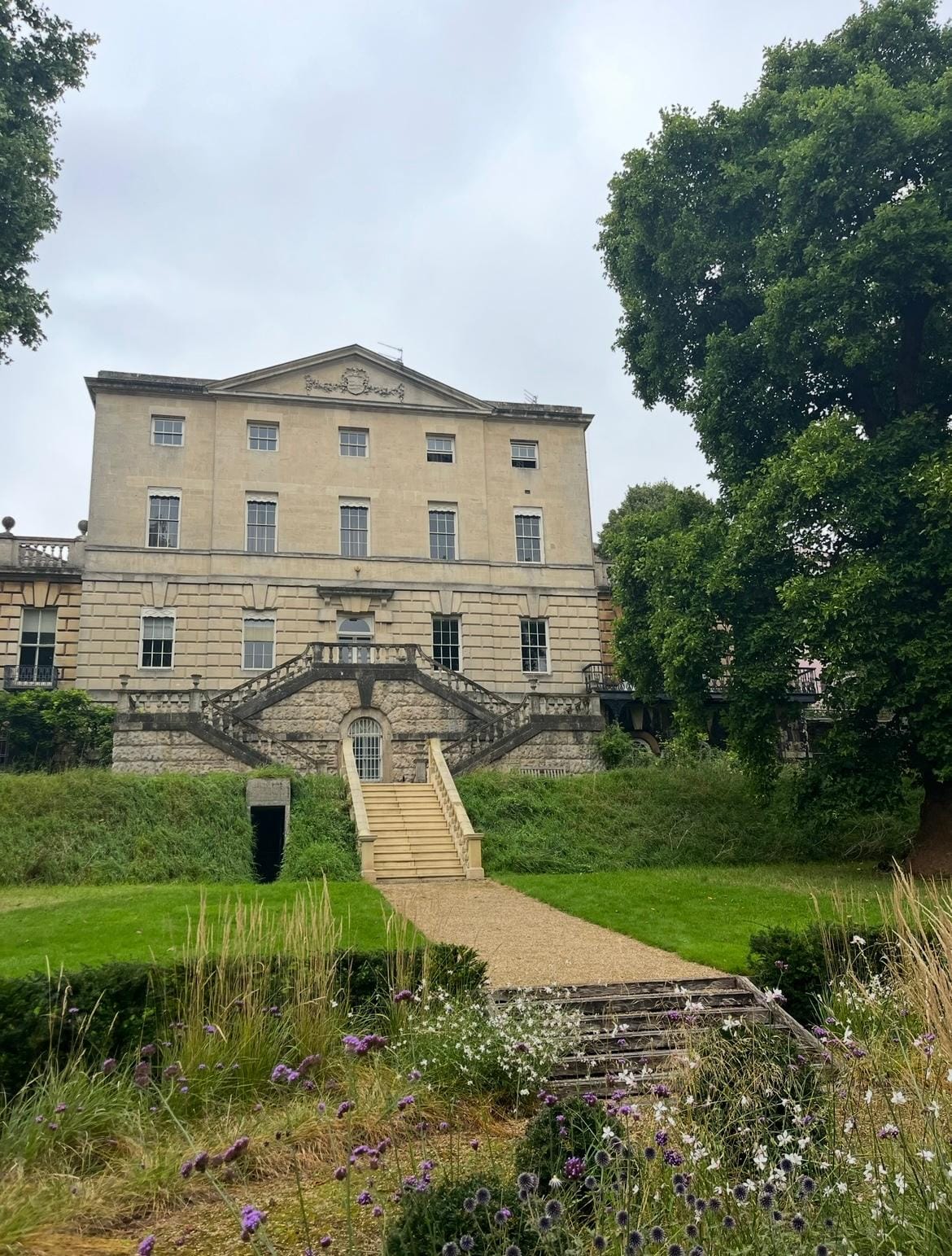
Most first-year accommodation bedrooms admittedly leave a lot to be desired with regard to character, given the basic furniture and lack of wall decoration. This can lead students who move in to feel somewhat transient, due to the space being highly impersonal. There are some accommodations in Bristol which stand out, however. For example, Manor Hall rooms occasionally feature some details such as tiling or fireplaces which add personality, although they might clash with the modern furniture provided in the rooms. It’s also important to note that some accommodations are more uniform than others, for example Orchard Heights, Brunel House, Campbell House and Avon Point all feature the exact same Unite Students room design: white built in furniture; a desk; shelves and underbed storage. While inoffensive and practical, it can be slightly uncanny to visit friends across the city – or even the country – only to find that they have the exact same bedroom as you. Another key consideration for many when choosing a bedroom is the amount of natural light it gets, which unfortunately can vary greatly even within an accommodation and is often a roulette despite the impacts a lack of light can have on students’ mental health.
With regards to what makes an accommodation truly communal, often catered halls are focused on, which can favour more financially privileged students who are more easily able to absorb their higher upfront cost, even if overall they might be the cheaper option. It is important to note that self-catered accommodations with shared kitchen and sofa areas for each flat can also be places to connect with other students, albeit predominantly with your own flat. Although, they also provide a space to host guests and not be completely confined to your bedroom, something which can be challenging in catered accommodation with very small kitchens.
 Sophia Izwan
As Henri Lefebvre has argued, no space is entirely neutral, they are all socially produced. Of course, this includes student accommodations, which are certainly spaces where existing societal dynamics are often reproduced. In some cases, perhaps as with Wills Hall, this can be attributed to their architecture. In other cases, it can be more related to the functionality of a space. Unsurprisingly, accommodations which are considered more ‘comfortable’ cost more. This creates clear hierarchies: catered vs self-catered; historic halls vs functional blocks; individual vs shared bathrooms; scenic or campus-based vs peripheral locations. Privacy and aesthetics are considered to be premium characteristics in a living space, and due to cost, these superior spaces typically end up being occupied by more middle-class students. This can lead to students primarily being exposed to other students of a relatively similar class to themselves, and overall increasing class divisions.
Featured image: Ambar Madhok
How do you think the design of your accommodation shaped your university experience?