By Grace Knight, Deputy Arts Editor 25/26
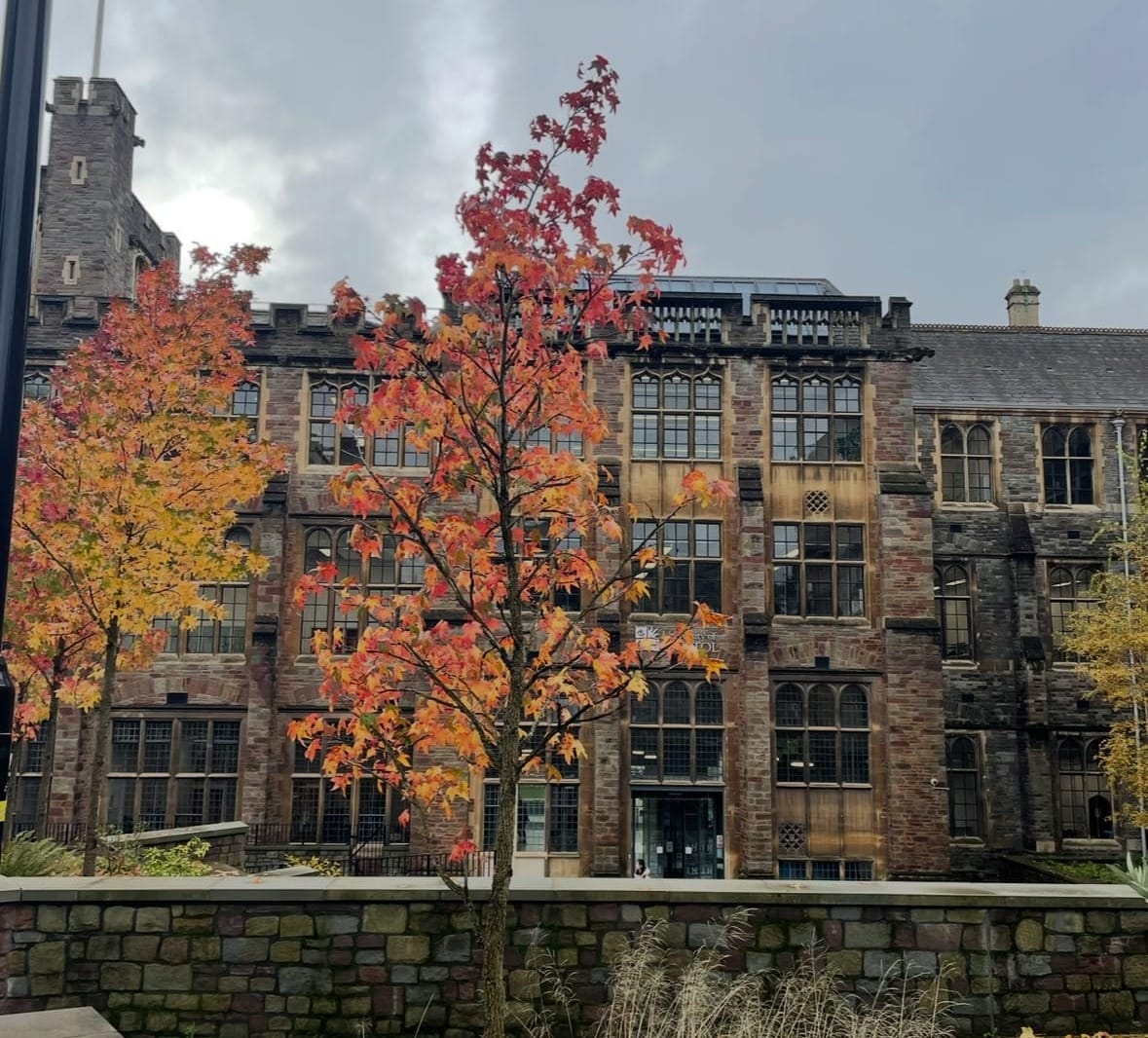
As Halloween approaches, I am sure you will be getting into the cosy, spooky spirit this autumn. Whether it’s wandering through the Wills Library as dusk settles outside or admiring the Gothic architecture of the Fry Building, Bristol's campus is truly the perfect location to romanticise darker evenings and colder mornings.
If October time means anything to me as an English Literature student, it is always a sign to dig back into my ever-growing to-be-read list of Gothic literature. A particular figure who is perfect to revisit during this season is Angela Carter, who was a student at the University of Bristol herself during the 1960s. Her short story collection The Bloody Chamber was the first text that made me fall in love with the genre, even if it is more of a contemporary feminist rewrite of gothic and fairy tale tropes. But what many students don’t realise is that Carter didn’t just write about imagined haunted mansions and graphic folktale reimaginings; she painted Bristol gothic.
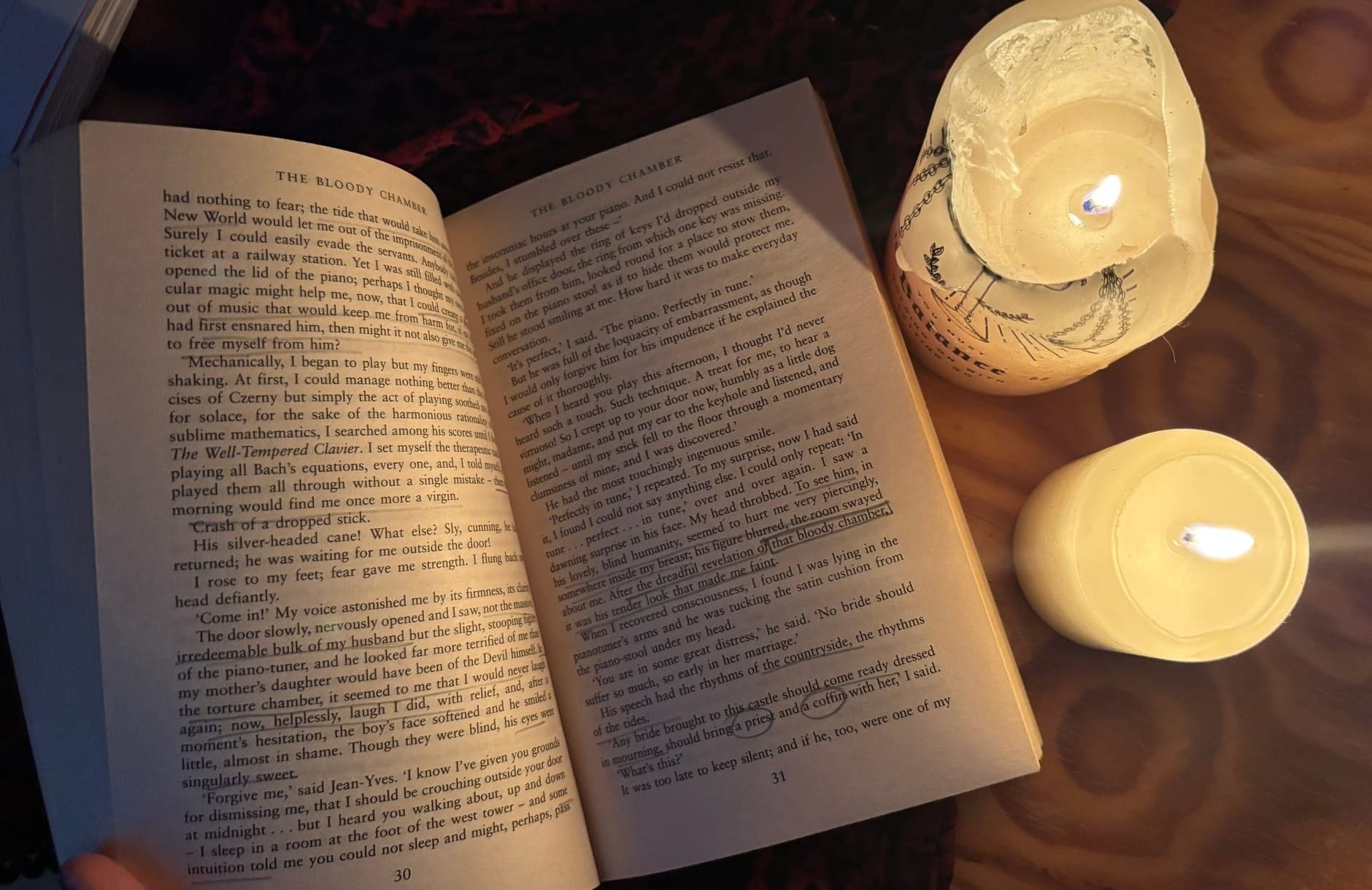
After studying at the university, she proceeded to live in the city for a further few years with her husband in Clifton. Despite her home in Royal York Crescent not featuring in her texts, other locations such as Broadmead, Brandon Hill and Clifton Down appear in a series of her texts dubbed ‘The Bristol Trilogy’. This is made up of Shadow Dance (1966), Several Perceptions (1968) and Love (1971), which follows the lives of the mid-twenties characters as they navigate toxic desire and moral emptiness against the bleak and uncanny backdrop of post-war Bristol. Through using this uncanny presentation of the city versus the typical tropes of castles and ghosts, Carter began to shape a new gothic; one that hangs like fog around urban decay.
The first Bristol location that sets the tone for the pain-stricken characters in Shadow Dance and Several Perceptions is Broadmead, where she depicts neglected cafes and the streets' reconstruction as a haunted urban space. Due to the post-war context, the landscape is presented as a city rebuilding itself from its own ghosts. Although today we wouldn't typically imagine Broadmead as having a particularly gothic vibe, it is interesting to see how a feeling of uncanniness can weave its way into modern architecture and places.
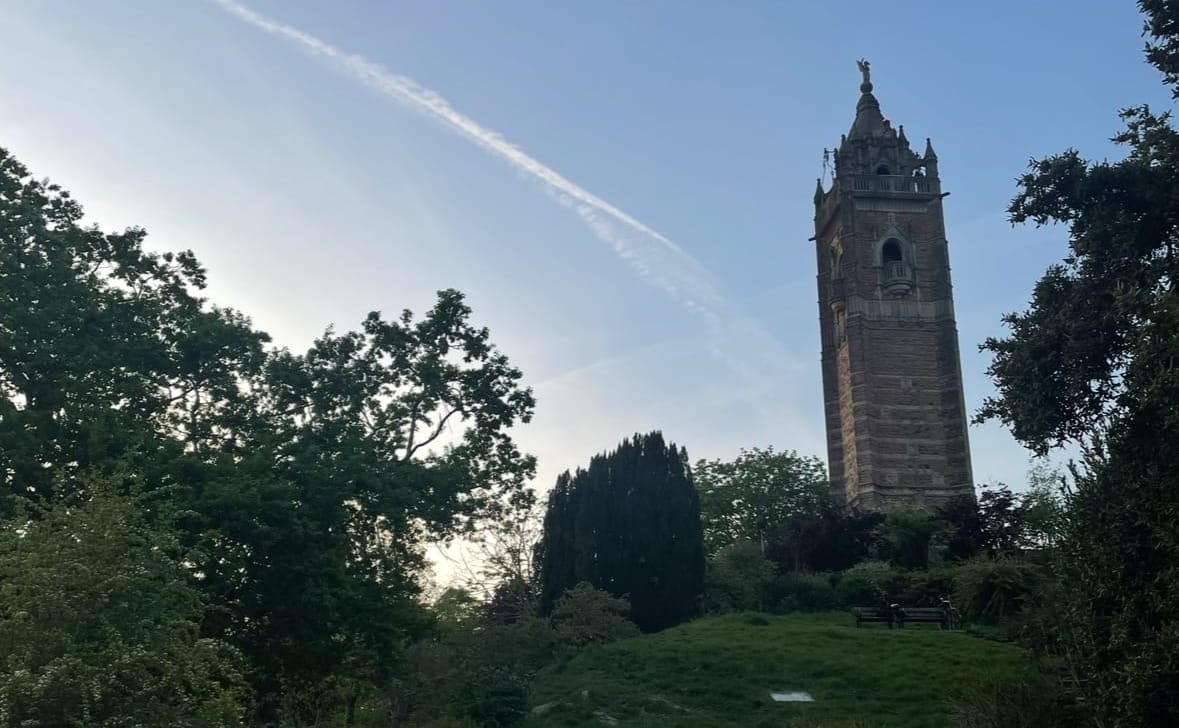
Brandon Hill and Cabot Tower are also featured and described as ‘ivy covered’ and ‘skulking among the trees’ in Love. This medieval-esque image creates an eerie atmosphere around another part of the city, fusing the physical with the psychological anxiety and fear seen in the novels. These images of a haunted Bristol all build to reflect the gothic trope of inner turmoil reflecting the outer world.
 Alex Boersma
Carter once described ‘we live in gothic times’, which really shows how she saw the gothic as more than an aesthetic tangled in vampires and graveyards but as a genre that is highly political and gendered. The use of Bristol as a gothic city in these texts doesn't just amplify the themes of emotional turmoil, it exposes the irony in narratives about romance and domestic bliss. This also ties into her other texts such as The Bloody Chamber where the horrific imagery and overall creepy atmospheres act as a commentary on modern times and societal injustices that still take place today.
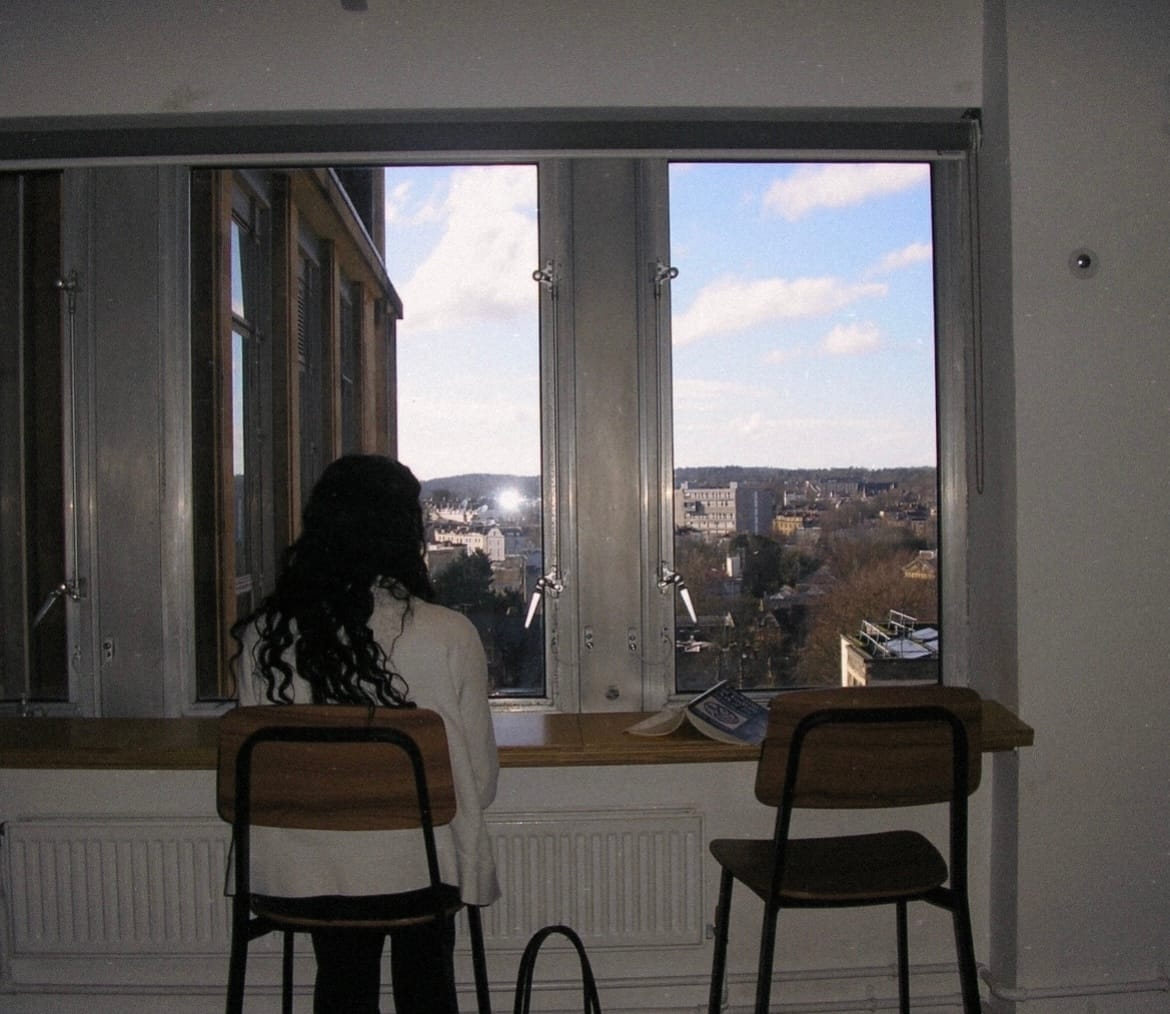
So if you’re looking for some texts to get your teeth into this autumn that are set in the city itself, I would hugely recommend checking out Carter’s trilogy. Make sure to find yourself a comfy spot overlooking Cabot Tower and watch her Gothic Bristol from all around you.
Featured Images: Epigram / Grace Knight
Have you read any books by Angela Carter?