By Anis Fazidin, Second Year, Aerospace Engineering
Looking ahead does not always mean starting over. Optimism, for some students, looks a lot like organisation. As the new year begins, many students return to campus with fresh resolutions. For some student communities, however, the year is already mapped out.
Malaysian students have been coming to the UK for generations, forming networks that extend far beyond individual campuses. Each year, this community looks ahead at the familiar cycle of planning and production, designed to make life abroad feel a little more like home.
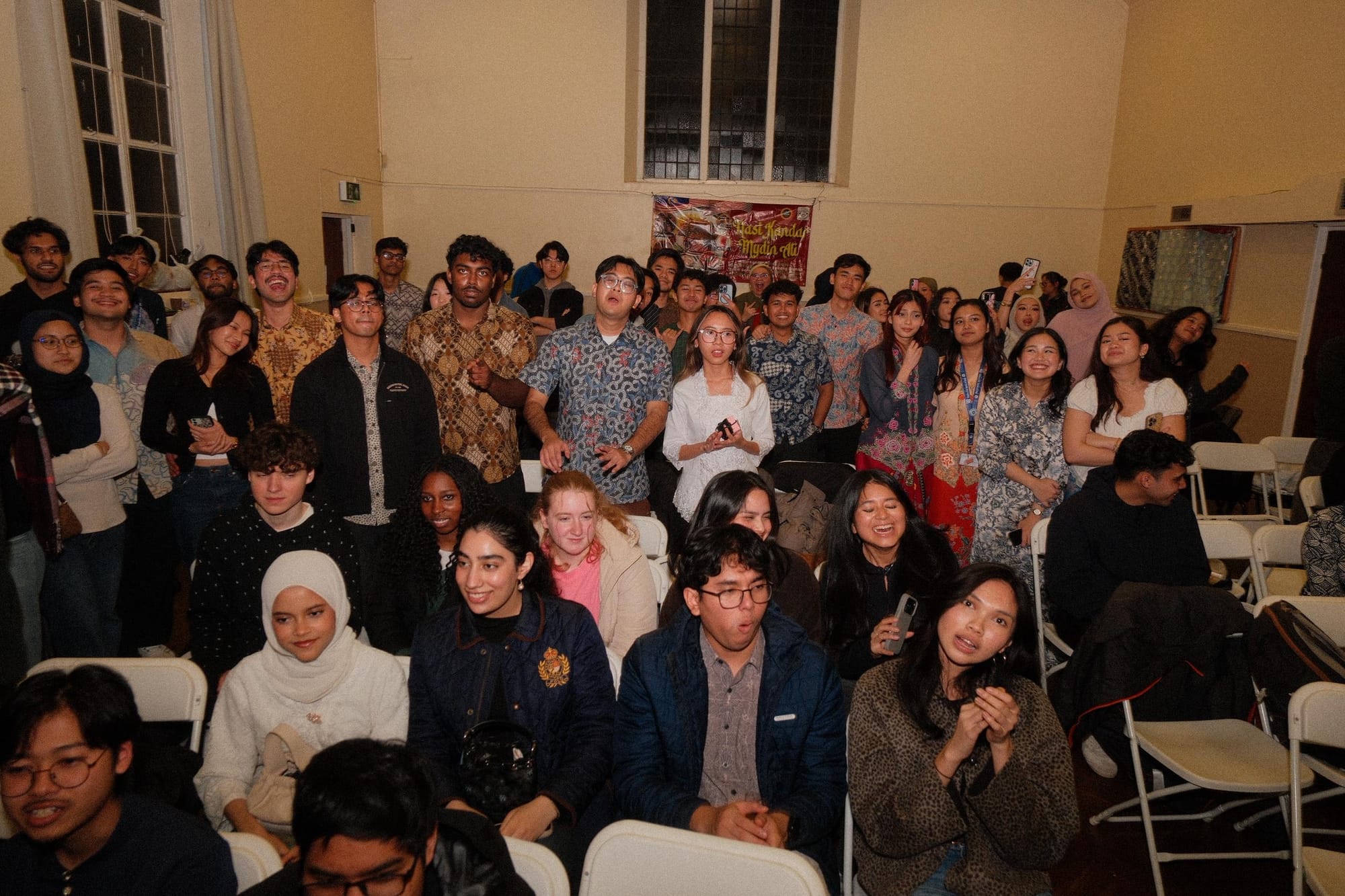
Bristol Malaysian Cultural Society (MCS)
For many Malaysian students in Bristol, the new year is shaped by events they already know are coming. In a student experience often defined by change, MCS offers something familiar— a calendar that follows a recognisable rhythm year after year.
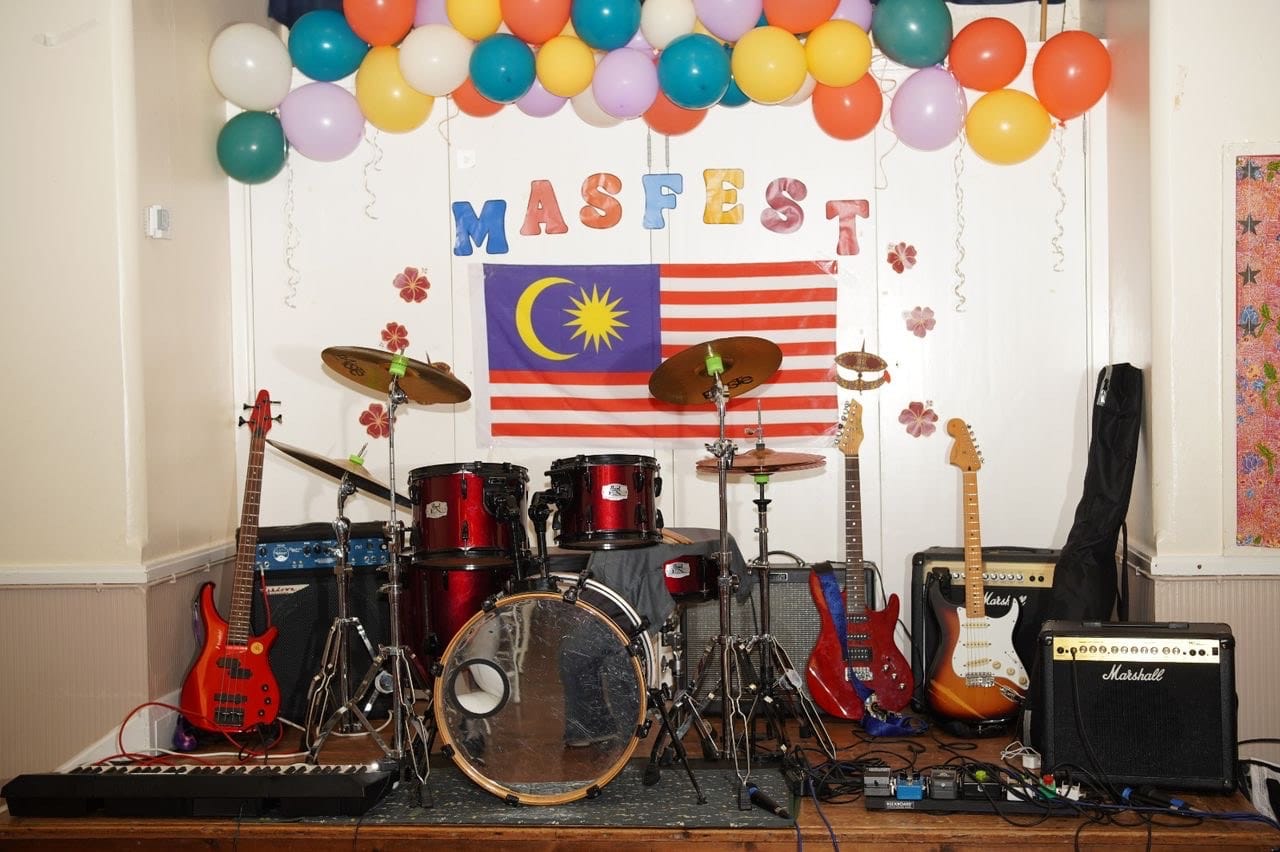
Rather than constantly reinventing its programme with every committee handover, MCS centres each academic year around two flagship events: MASFest— a Malaysian food festival, and SEADay— a day where all South-East Asian societies in Bristol come together. The overall structure has remained unchanged, and that consistency is intentional. According to MCS’s Vice President, Chia Kay Len, students enjoy knowing what to expect. “There’s a sense of familiarity,” she explains.
As the first term’s flagship draws to a close, attention quickly shifts to the next: SEADay at the end of January. Planning begins almost immediately, with the venue secured as early as June.
Alongside large-scale events, Malaysians also look ahead to cultural celebrations like Chinese New Year and Hari Raya. However, MCS has continued to evolve over the past year, expanding beyond cultural events— such as walks and meteor shower watching.
Thousands of miles from home, the society’s role extends beyond events. It provides a space where shared experiences are understood, creating a sense of belonging. Looking ahead to the new year, that responsibility brings mixed emotions. “I’m excited to see everyone come together,” Kay Len says, “but I’m also quite sad that I’m reaching the end of my tenure.”
Bristol Malaysian-Singaporean Night (MSNight)
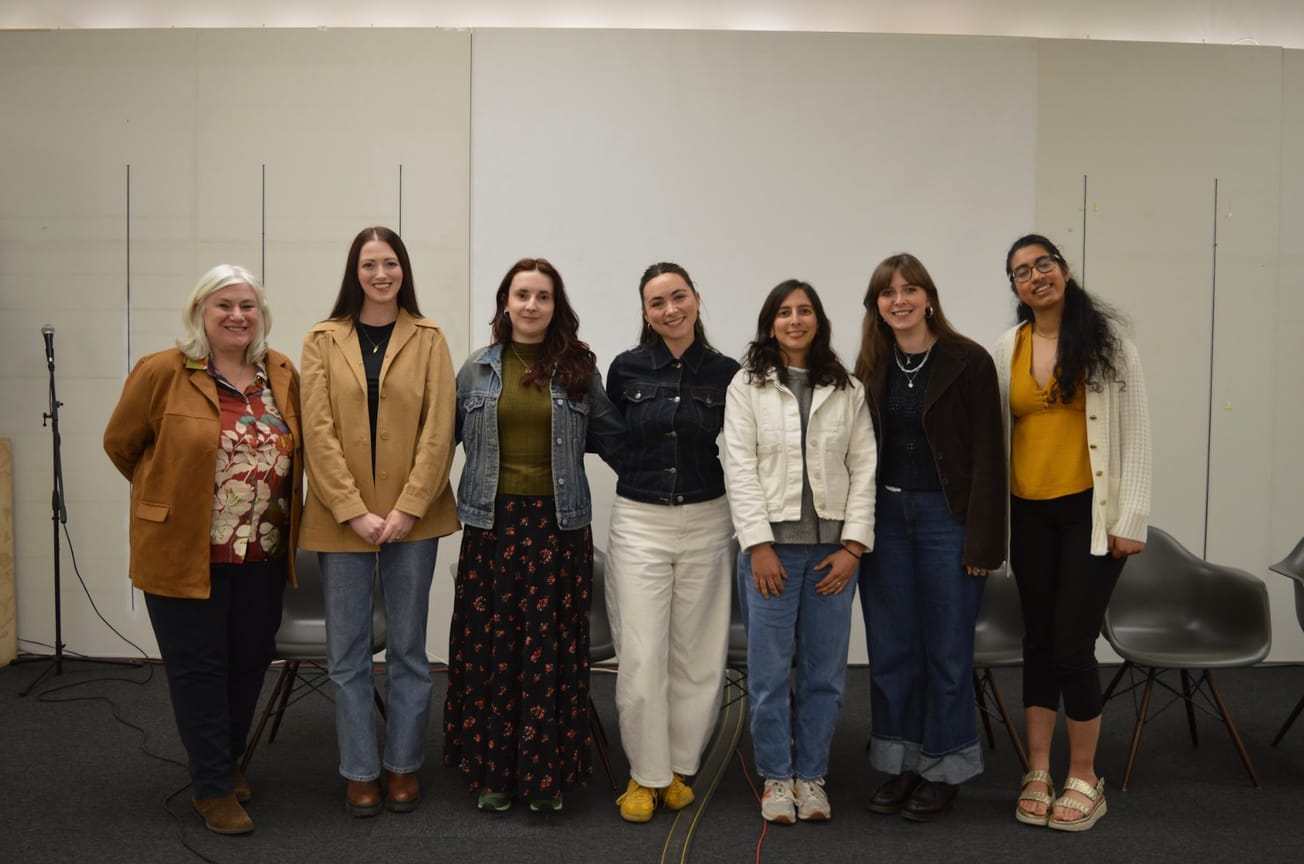
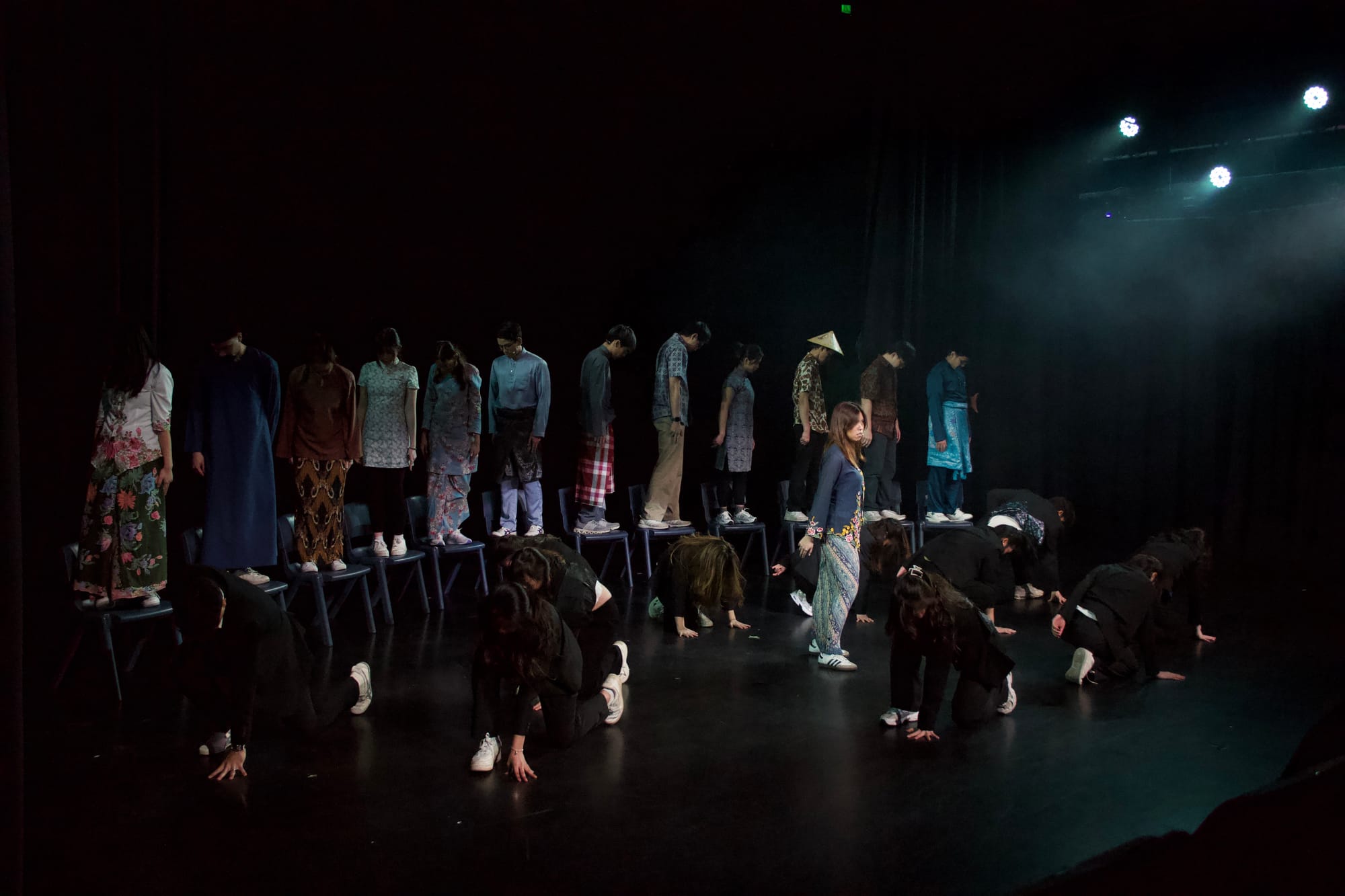
If the Malaysian Cultural Society brings structure to the year, Bristol MSNight brings momentum. Jointly organised by Malaysian and Singaporean students, the annual production signals a shift in preparation mode as the new year approaches.
With the show, Jalan Kita, scheduled for late February; the production team faces a tight timeline as rehearsals ramp up shortly after teaching resumes mid-January. Producers Natasha Wong and Kiarra Kartika describe the second teaching block as the “final push”.
The significance of MSNight goes beyond the performance itself. Over time, it has grown into a UK-wide tradition, with students travelling between cities to support each other performing at different universities.
“A lot of people find their community through MSNight,” Natasha says. Whether as a cast member or an audience member, she believes the production offers something rare; a chance to see Malaysian and Singaporean identities represented onstage.
Behind the scenes, the scale of the production presents real challenges. Having performed for hundreds of eyes in the previous years, expectations remain high. Yet, Natasha remains optimistic, citing a strong cast and improved communication across departments. With months of preparation already behind them, the new year represents the promise that the work will soon come together on stage.
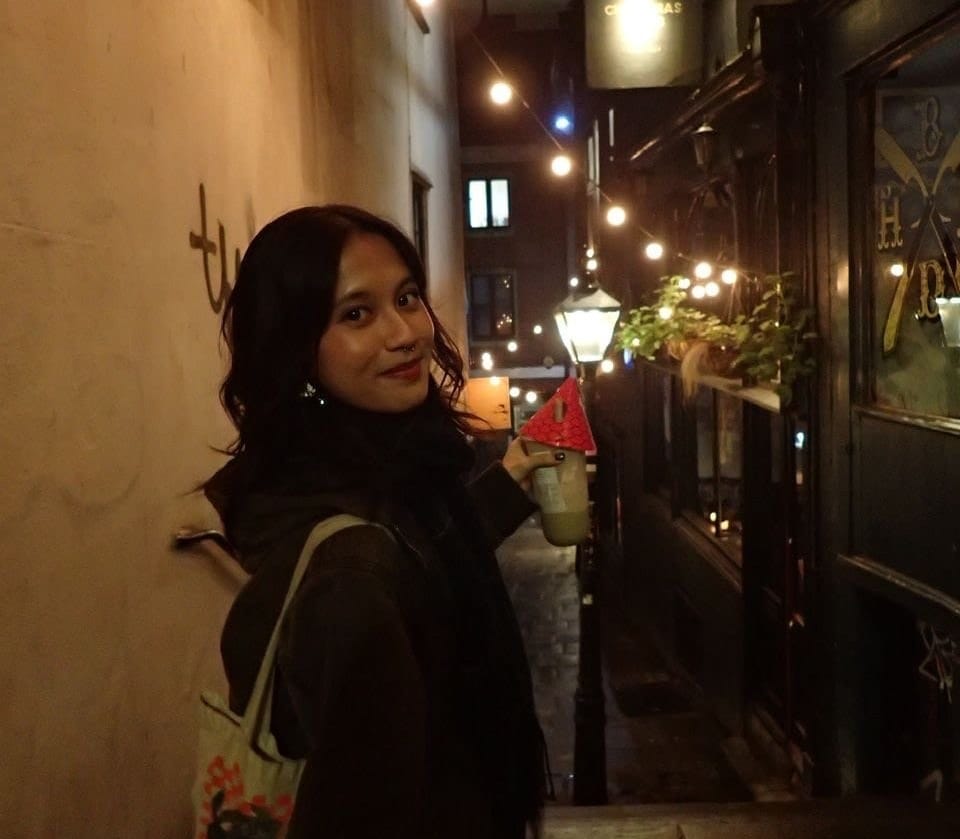
The Start of The End
For final-year students, the new year carries a different weight. What once felt like another semester now feels finite. For one Malaysian student in her final months at Bristol, the year ahead is less defined by anticipation and more by awareness of time, of endings, and of new choices to be made. “It’s the start of the end of an era,” says Amirah Farisyah, a third-year Psychology student. “You’re so used to studying consecutively for so many years, and suddenly you realise this is the last one”.
In her final semester, she looks forward to her dissertation, not just an academic requirement but something personal— a project that reflects who she is. Alongside this, she hopes to make the most of her remaining time in Bristol, exploring the city and saying yes to experiences she once avoided. Naturally reserved, she sees this as a final opportunity to step outside of her comfort zone.
The transition out of university life is a combination of exciting and frightening. “It means I’m going to be part of a society and find my own way from here. It’s scary but exciting to me, as there are so many things I could do.” She plans to return to Malaysia after graduation, hoping to secure an internship and begin building financial stability while reconnecting with family and friends.
'While studying abroad offers cultural exposure and independence elsewhere, it also challenges your expectations of opportunity. You learn how to navigate rejection and adapt to unfamiliar academic styles.'
Like many international students, her decision is shaped by factors outside preference. Differences between the UK and Malaysian academic systems, particularly the integration of internships back home, influenced how she views her readiness for the job market. While studying abroad offers cultural exposure and independence elsewhere, it also challenges your expectations of opportunity. You learn how to navigate rejection and adapt to unfamiliar academic styles.
To younger Malaysian students looking ahead into the new year, Amirah’s advice is to embrace discomfort early. While familiarity provides comfort, she encourages to venture beyond it— to speak to people from different backgrounds, join societies, and challenge their own assumptions.
Where Home Begins Again
While some look ahead to the end of their university journey, others are only just beginning. For a second-year transfer student who has just spent his first semester in Bristol, Nishant Kumar, studying overseas, has reshaped what ‘home’ means altogether. Rather than a fixed place, he describes home as something built gradually.
Asked to describe the year ahead in one word, he chooses “comeback.” It is optimistic— one that reflects not just a return to form, but the belief that a sense of belonging can be rebuilt, even far away from where it first began.
Looking ahead, the future feels uncertain. However, the version of home built here is one we, as Malaysians, know we will not leave behind.
 Kia luhur
Featured image Anis Fazidin
What one word would you use to describe the year ahead?