By Amelia Edwards, Fourth Year, English and French
Last summer, we were throwing out cream blush in favour of smudged eyeliner, ditching Pilates to go clubbing, and blasting ‘360’ from Charli XCX’s iconic album. It was Brat Summer. This year feels different, from shifting TikTok trends to the outcome of the US election. Neon green has faded into muted tones, Brat memes have fizzled, and we’re left wondering: where did Brat Summer go?
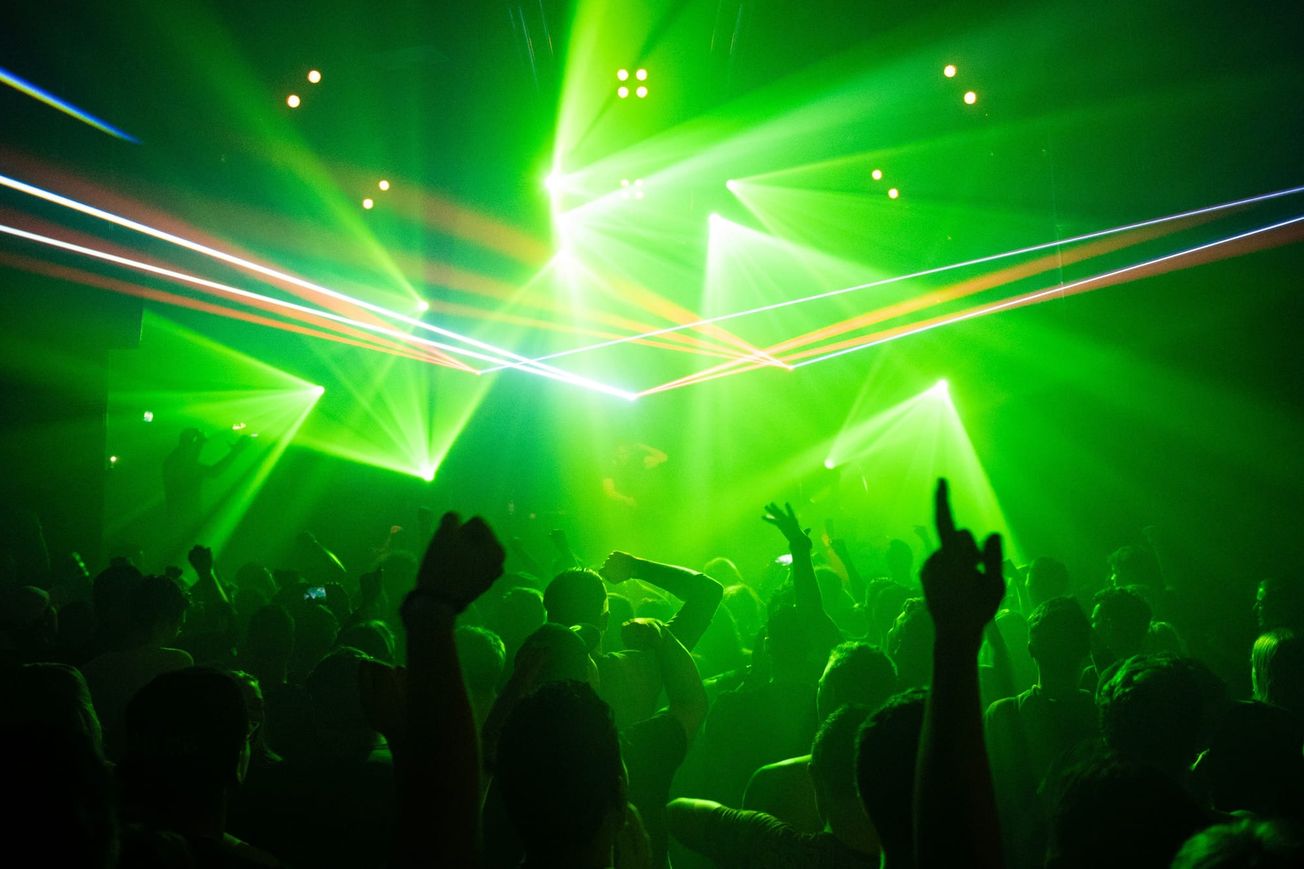
The fact that we’re even asking says everything about the vacuum this vibrant era left behind. Brat Summer felt a bit like Freshers’ week in Bristol — chaotic nights spilling out of packed clubs, dancing under neon lights to hyperpop hits, and going out with strangers you met ten minutes ago at pres — all mirroring the city’s famously wild student nightlife.
On a wider scale, it mixed high-energy club pop nostalgia with Gen Z escapism and became a viral cultural moment. As Kamala Harris launched her US election campaign, the ‘kamala IS brat’ meme took the internet by storm. Collins English Dictionary even crowned “brat” word of the year. The 2024 trend was all about freedom, maximalism, and most importantly having fun.
This year, summer is all about “dilly-dallying”: slowing down, embracing minimalism, and rebelling against hustle culture. A far cry from Brat Summer, this aesthetic is embodied by beige-on-beige colour palettes, linen trousers, and soft lighting. It looks a little more like student life post-Freshers, with its gentle focus on finding balance with a more mundane, practical lifestyle. After all, the day after a night out sees most of us returning to meal prepping, cleaning our student flats, and taking a walk in Castle Park— though we can’t always dress up coursework deadlines in whimsical pastels.
On a more controversial note, the 180-degree shift away from Brat Summer includes the continuing rise of the “tradwife” trend. Overlapping with “cottagecore”, it reflects a romanticised version of the housewife lifestyle. Fuelled on TikTok by influencers like Hannah Neeleman (@ballerinafarm) and Nara Smith (@naraazizasmith), the trend spotlights domestic chores such as baking, gardening, and home decor. It idealises a pre-digital, slower way of life for burnt-out women, tired of being expected to do it all.
From political turbulence to the rising threat of climate change, viral trends are embracing a return to a world painted in softer colours and simpler rules.
The more understated trends of this summer seem to replace material chaos with grounded minimalism. However, with Donald Trump in power in the US and the rise of far-right politics, it’s impossible not to connect the end of Brat Summer with a wider shift in the cultural climate. According to the Electorate Research Survey, the percentage of Republican men who think women should return to their traditional gender roles increased from 28 per cent in May 2022 to 48 per cent in November 2024. For Republican women, the figure increased from 23 per cent to 37 per cent. Conservative values are on the rise, at least among right-wing groups. As traditional aesthetics flood our For You Pages, the question is whether these trends simply mirror wider cultural shifts, or whether online culture is quietly reshaping our political subconscious.
If Brat Summer means dancing to club anthems in a world turned too serious, the "tradwife" trend represents a very different subculture. Beyond its pastel-and-apron aesthetic, the "tradwife" ideal taps into a wider regression of women’s rights, especially after the US Supreme Court’s overturning of Roe v. Wade in 2022. The idea of becoming a "traditional wife" is a nostalgic (and outdated) echo of an era when women’s primary role was to stay at home and serve their husbands, reinvented as an aesthetic choice rather than the obligation it once was.
In hindsight, last year’s Brat era seems more like a brief, brightly coloured flashback to 2010s hyperpop rather than a permanent shift. If youth culture is trading the colourful, loose feminism of Brat Summer for nostalgic visions of family life, it may reflect a desire for stability in an era of constant change. From political turbulence to the rising threat of climate change, viral trends are embracing a return to a world painted in softer colours and simpler rules. The result is a feedback loop where political movements shape online trends — and trends, in turn, shape politics — in a cycle that’s speeding up with every scroll.
However, as we await the next big thing to captivate the internet, it’s important to remember that aesthetics can also be just for fun. Whether we’re channelling “dark academia” energy for a study session in Wills Memorial Library, getting ready for a night out at La Rocca, or dressing down to explore Bristol’s Old City, neither our outfits nor our TikTok algorithms define our identity. University is the perfect time to experiment with personal style, mixing and matching different aesthetics based on our moods.
And even if Brat Summer is no longer trending, there will always be room for a streak of neon rebellion in our attitudes— and in our wardrobes.
Featured Image: Unsplash / A J.
What will be the next internet trend for autumn 2025?