Written by Skye Cox, Second Year, Film & English
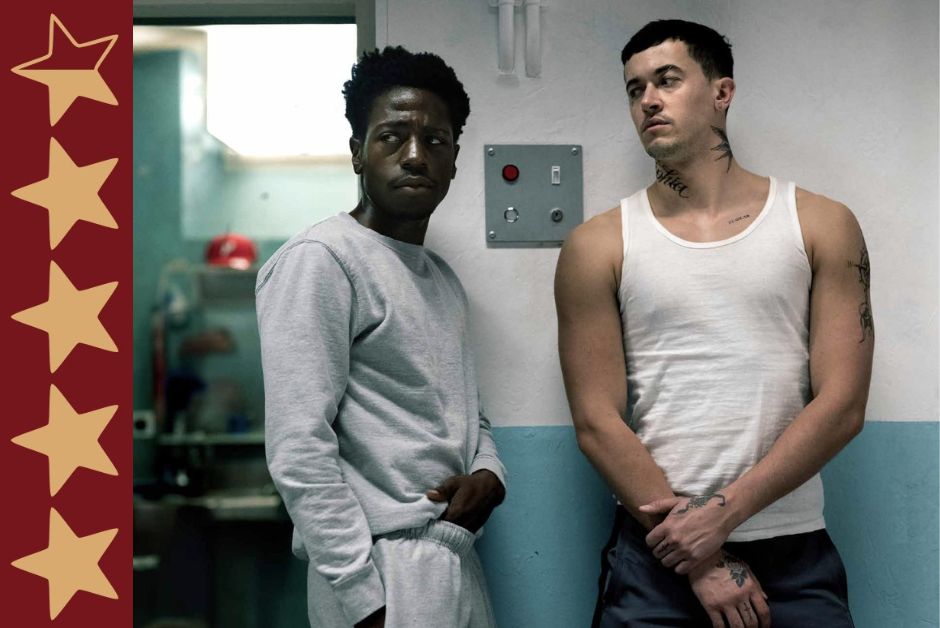
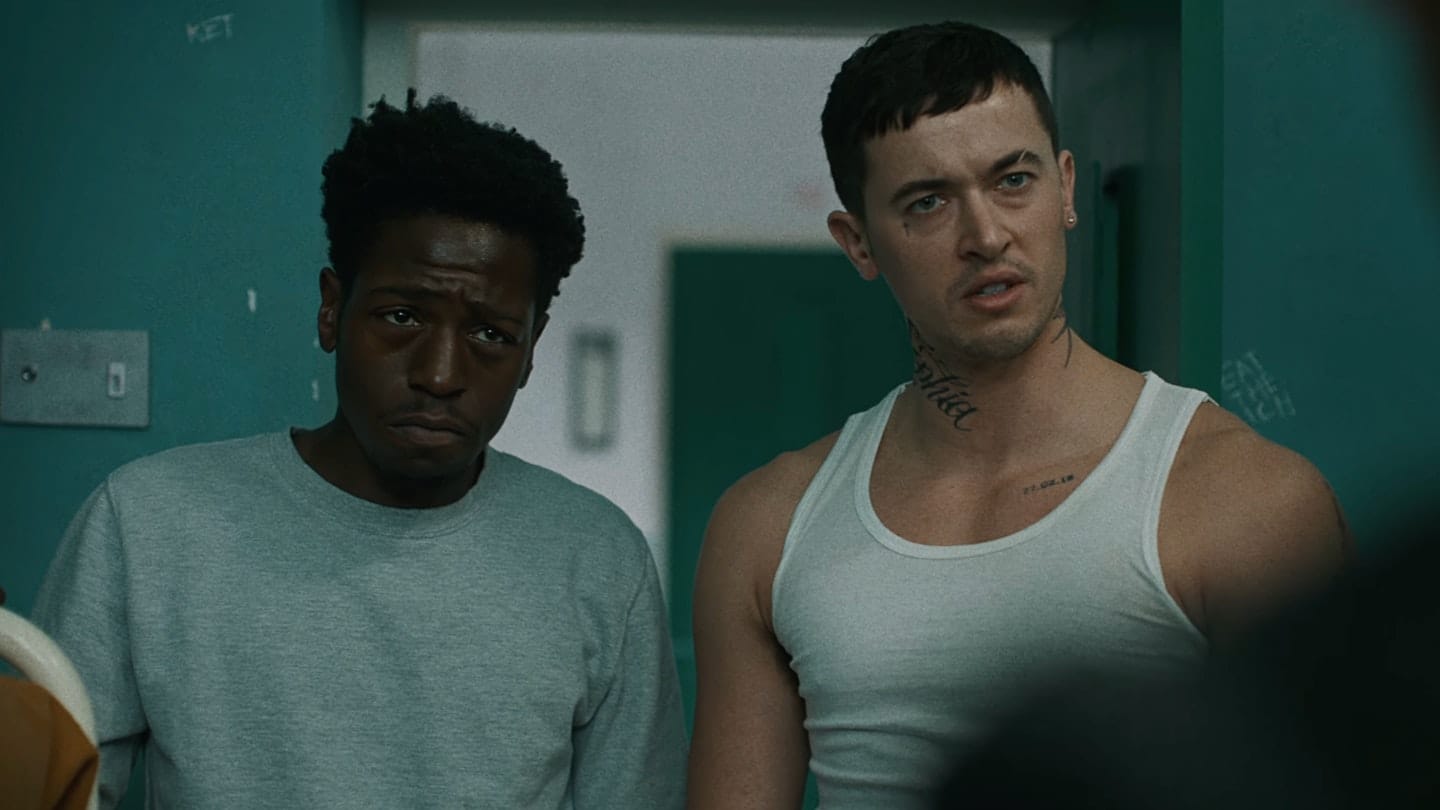
Wasteman (2025) is a phenomenal debut feature from Cal McMau, grappling with the flawed and deteriorating state of the British prison system in the 21st century. Hunter Andrews and Eoin Doran’s exceptional screenplay offers a stark, incendiary portrayal of the highs of drug warfare, as well as the lows of the deeply sympathetic tale of Taylor (David Jonsson), a troubled father desperate to escape the confines of his cell and return home to his fourteen-year-old son.
When Dee (Tom Blyth) enters as his new cellmate, he becomes a foil to Taylor’s character, throwing his hopes of reconciliation into question as the pair spiral into a conflict of deceit and corruption — a journey that ultimately puts both their loyalties and their lives on the line.
Think Reservoir Dogs (1992) meets Boiling Point (2021), all filmed within the confines of Shepton Mallet Prison in Somerset. The film’s combination of unfiltered, brutal violence and an intimate, claustrophobic use of camera creates what I can only describe as a gut-wrenching chamber drama of endurance — one that leaves you breathless, so intense you’re almost fearful to look away.
The film opens vertically, in media res: phone camera footage depicting gang violence, flashes of knives, cell doors, metal bunk beds. We are immediately positioned as outsiders to the prison environment, an audience looking in, granted witness to this action. As we zoom out to a 4:3 aspect ratio, the camera slows and introduces us to our main protagonist: smoking out of a barred window, positioned off-centre in the frame against the bleak white exterior walls of the prison. The beautiful framing of this opening shot instantly draws focus to Taylor’s solitary, incarcerated state.
Throughout the film, the narrative is constantly deconstructed through the intermittent use of phone footage. These vertical, seemingly unrehearsed shots juxtapose the stability of the Steadicam, effectively providing a fresh, raw contribution to the genre of British prison drama. Revealing the inner workings of gang communication, blackmail, and propaganda, we are granted glimpses of a criminal underworld that is otherwise hidden and shunned.
On that note, this is certainly the most relevant and poignant portrayal of a prison I have ever seen on screen. The film exposes the dark truth behind our deteriorating British prison system and further explores the trials and horrors found within it. In particular, its depiction of prison staff is heavily critical: they are tricked, outwitted, verbally abused, and physically attacked by inmates, ultimately characterised by their helplessness. However, there seems to be no space for sympathy within this high-stakes, brutal environment.
The prison staff are simply pawns in a wider game of deceit and sleaze, played meticulously between the imprisoned men — a ruthless fight to reach top-dog status within this corrupt, hierarchical system. In a striking subversion of expectations, the prison staff occupy the lowest rung of the pecking order. Within the dynamics of the prison setting, power is figured as a form of elevated social status, achieved through the creation of fear and the accumulation of material wealth alone.
There is no doubt that this portrayal is both resonant and reflective of the situation we are living through right now. Barred up in every corner of England, these realities are too often brushed past and ignored, despite the crippling state of our prison system. The drug crisis within prisons has been described as “endemic” and, as of March 2025, prisons in England and Wales held an average of 87,009 inmates, with a 25 per cent overcrowding rate, some facilities operating at 31 per cent above capacity. This context is reflected in the film’s portrayal of Taylor’s moral uncertainty when faced with the prospect of early release.
As the film closes in, the growing proximity of his final day gives the last act an almost unbearable level of tension — I found myself sweating alongside him. The pacing is immaculate, even delivering a plot twist so effective that my partner and I turned to each other in genuine shock, heightening our anticipation for the fallout to come.
If you often find yourself rooting for the most morally grey, unlikeable characters, then there is no better film to watch right now than Wasteman. Characters are quite literally pitted against each other in a competition to be the most flawed, the most irredeemable, and yet somehow still worthy of sympathy in their most vulnerable moments.
Knowing, and loving, Tom Blyth for his outstanding performance as the morally charcoal-shaded Coriolanus Snow in the recent Hunger Games instalment, I was amazed to see his transformation from Hollywood heartthrob to East End ‘roadman’. With a title like Wasteman, I expected the language to be colloquial, and yet I was still highly amused to hear Blyth mutter “suck your mum” on the big screen.
Jonsson and Blyth’s equally phenomenal performances are what truly make this film a must-watch. I look forward to seeing how it elevates their acting statuses to a whole new level.
Featured Image: IMDb / Wasteman | Illustration by Epigram / Sophia Izwan
Did you brave the anxiety of Wasteman on the big screen?