By Aimee Anderson, Deputy News Editor
Numerous countries allow their citizens to vote in national elections from age 16, including Austria, Malta and several Latin American countries.
In parliamentary elections, Scottish and Welsh students at the University of Bristol may too have had the opportunity to cast a ballot earlier than their peers. However, with the government's ‘Votes at 16’ proposal, this is set to change.
Introducing the right to vote at 16 is ‘a genuinely revolutionary reform’, according to Dr Sam Power, author of Party Funding and Corruption and lecturer at the School of Sociology, Politics and International Studies at the University of Bristol, which will be ‘the biggest extension of the franchise since the 1960s, and one that will have genuine meaningful effects’.
‘A kind of vote early, vote often effect’
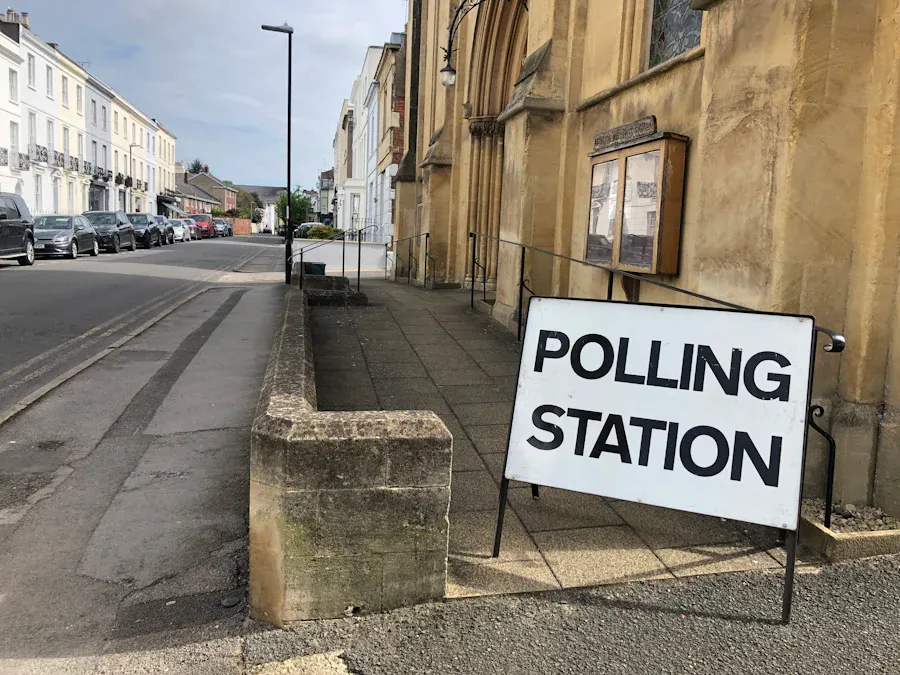
Currently, youth turnout in elections across UK is particularly low - only 37% of 18-24-year-old UK residents voted in the last General Election. However, this might shift. With the reforms there is ‘a kind of vote early, vote often effect, which is that if you are engaged at a young age, and if you turn out at a young age voting becomes a kind of habit of a lifetime,’ Power said.
This too chimes with the government's purported belief that greater engagement in politics comes through earlier inclusion. Labour argues in their strategy paper that lowering the vote to 16 ‘is critical to engaging young people in our democracy, empowering them to participate in society and affecting real change both locally and nationally.’
According to Dr Power, the enfranchising proposals are a key opportunity to increase civic education in schools, especially in relation to identifying misinformation or disinformation. This might mean that students arrive at university more critically informed.
However, Dr Power argues that ‘it would be a disaster if whoever was in power decided to stop that at school’, adding ‘it is imperative that it continues into higher education spaces and the workplace’.
 Luke Buckland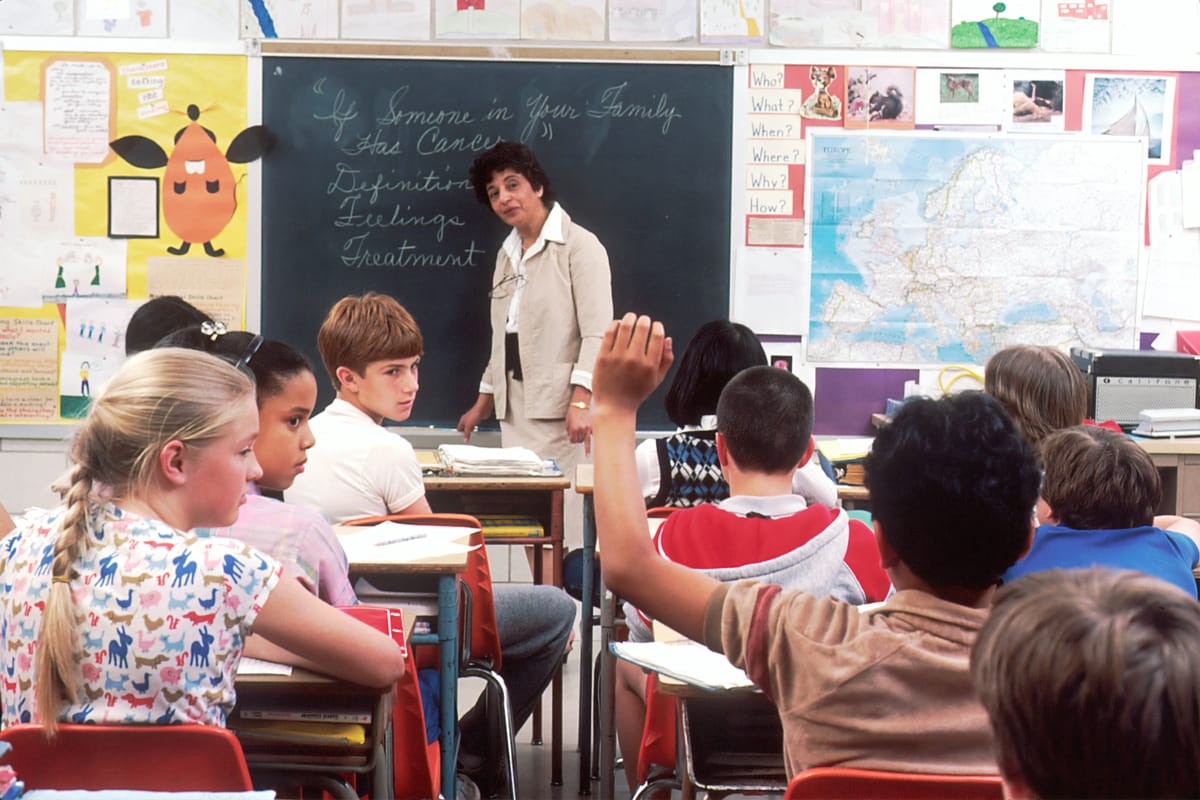
Lowering the voting age in UK General Elections is a proposal part of the broader Elections Bill, aimed at rebuilding the faltering trust in UK politics and democracy, according to the corresponding strategy paper.
Also included are proposals for the adoption of an automated voter registration system, changes to Voter ID forms, reform to political financing regulations, and the development of a regulatory framework for digital campaigning. These strategies are intended to increase turnout levels, crack down on foreign interference in UK politics, and keep up with technological change.
The impact of the Elections Bill will therefore go beyond enfranchising 16 and 17 year olds; according to Labour it as a whole an attempt to restore faith in UK politics.
Yet it is these broader aspects of the Elections Bill that Power critiques. In terms of political financing, Power summarises the proposed legislation as ‘unambitious’. Whilst it may tighten the regulations on what makes a company a permissible donor, there remains no upper limit on the amount which can be donated to political parties in the UK.
Dr Power told Epigram that under this legislation, Elon Musk could still use the British branch of X to make political donations of unrestricted value.
These regulations are the ‘bare minimum that one might do to control corporate donations and foreign influence in British politics’.
There also remains no ban on donations from foreign companies, simply requirements for some profits to be earned inside the UK before donating. This means that foreign owners with vested interests in British politics can use their companies to establish financial influence. Dr Power told Epigram that under this legislation, Elon Musk could still use the British branch of X to make political donations of unrestricted value. According to Dr Power, Labour's hesitance in this area of the Bill may leave a pothole in its ability to restore trust and faith in UK politics.
Foreign influence such as this in the UK can be linked to ‘anti-political malaise’, which Power argues emerges when people feel as though they do not have a stake in society. According to Dr Power, this can lead to people being turned off from politics - even democracy.
Whilst some express their disillusionment through disengagement, others, such as students at the University of Bristol, might turn to protest. As a city with a penchant for political activism, Bristol’s recent experience include protests in support of Palestine Action, and in opposition to the UKIP supporters, and the Turkish government.
 Milan Perera
 Daisy Yates
‘We have a scepticism towards political parties in this country. We don't necessarily trust political parties in this country. We don't necessarily trust politicians in this country,’ Dr Power summarised. Labour in their strategy paper said too that they believe such attitudes have outstripped physical barriers in causing the current state of political disengagement.
Lowering the voting age to 16 will certainly expand who is represented in our democracy. It remains to be seen as to whether the rest of Labour's Elections Bill will provide solutions to the disenchantment that both Dr Power and Labour say plagues the electorate, newly enfranchised or not.
Featured Image: Unsplash/Tony Pomar