By Joel Thompson, Second Year, LLB
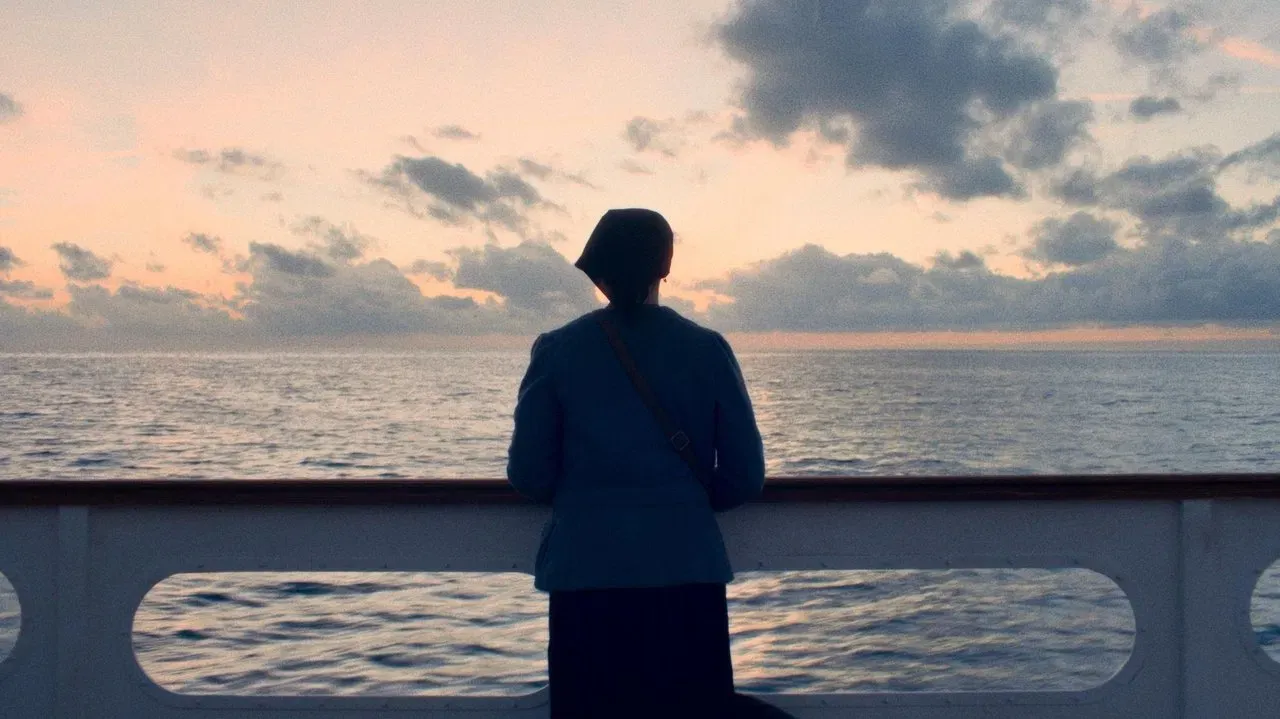
Delpero’s rich portrayal of female characters, developed in just two hours, has drawn comparisons to Greta Gerwig’s Little Women. However, it is the vast landscapes captured by cinematographer Mikhail Krichman that leave the most lasting impact. His still, measured shots envelop the viewer, creating a fly-on-the-wall experience of rural family life.
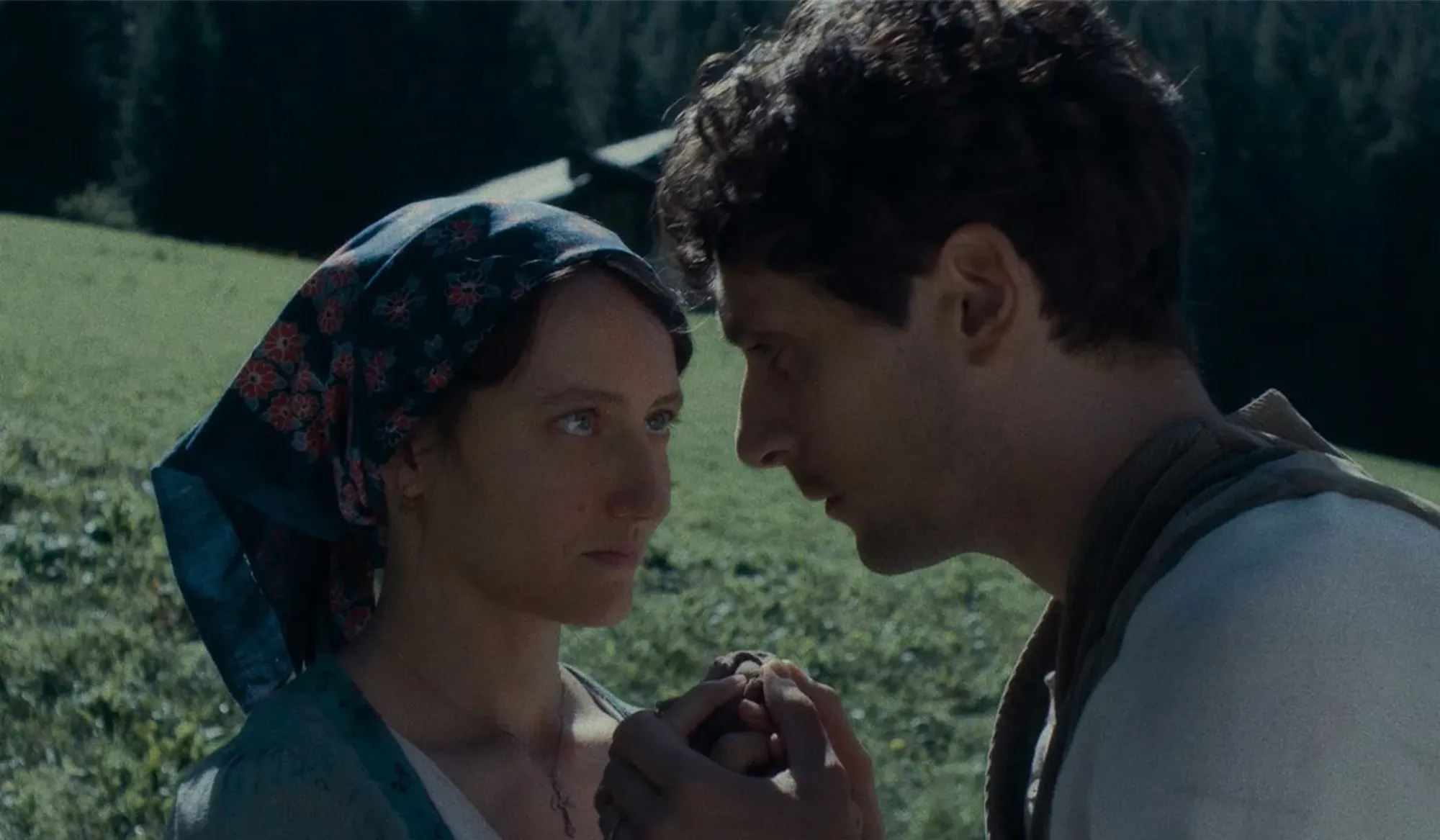
Set in the small village of Vermiglio in 1944, the film follows a struggling family whose lives are upended by Pietro, a Sicilian soldier fleeing the war. While a love story emerges between the eldest daughter, Lucia, and Pietro, the narrative ultimately centres on the family unit.
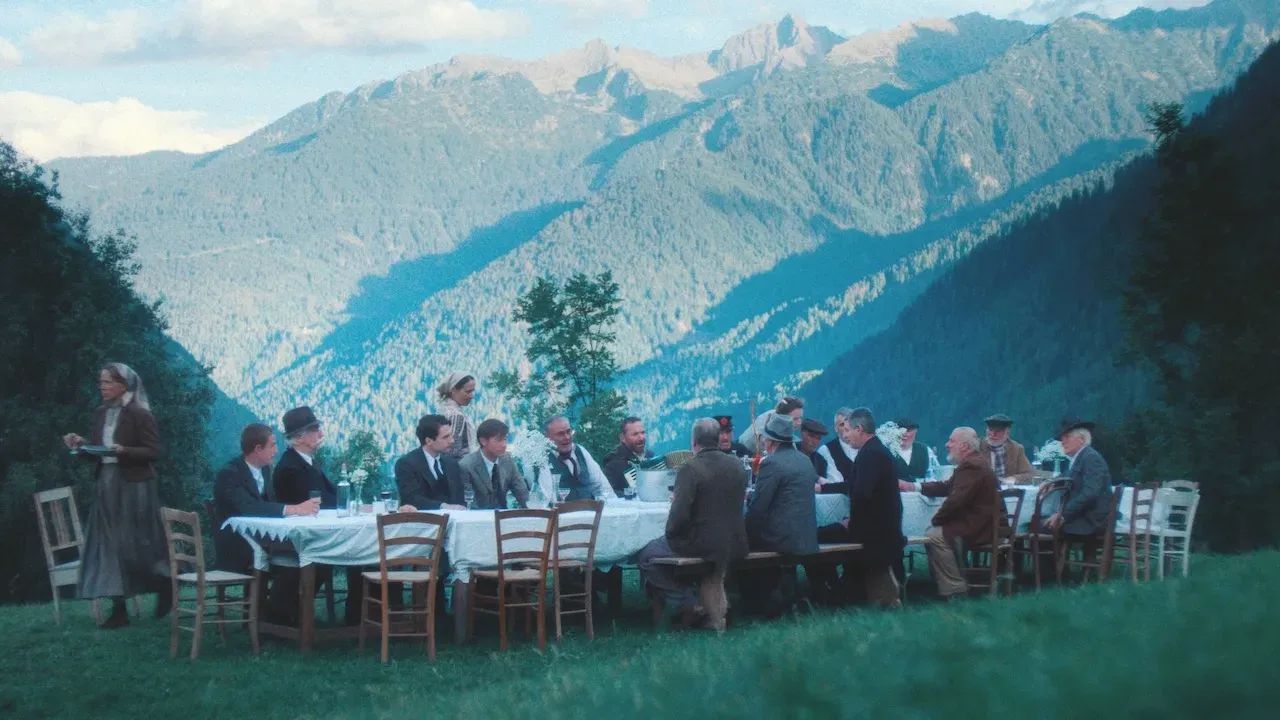
The family are deeply interdependent, each member existing as part of a greater whole with a distinct role to play. This is most apparent when they gather around the table in height order, passing bowls of milk with a well-rehearsed rhythm.
Although the narrative only explores the characters within the confines of family life, Delpero still crafts them as fully realised and deeply nuanced. Ada, the devoted and religious daughter, brings moments of humour through her repetitive sinning and repenting. Flavia, the youngest, is sharp and caring, offering emotional insight to her much older sister, while Lucia explores desire and restraint in her relationship with Pietro.
Perhaps the most important character is the landscape itself. The vast mountains shroud the family, at once nurturing them and testing their endurance through harsh seasons and their dependence on the land.
Although the narrative progresses gradually, with a calm and reassuring sense of routine — daily chores, school, family dinners — the push and pull of the landscape creates an overarching sense of foreboding. As the seasons change and the heat of summer draws closer, the underlying tension builds: Virginia and Ada’s clandestine, sexually charged meetings become more frequent, Dino grows increasingly frustrated with every paternal reproach, and the marital bed grows tense over which child should be sent to school.
Despite the rising tension and disagreements, this never erupts into a great argument or unburdening, so the audience is denied any sense of resolution or relief. Instead, the family continue in the familiar rhythm of their interconnected lives. Even in what seems like a revelatory moment, the discovery that Pietro was already married and killed for his betrayal, the family persist, supporting Lucia with well-meaning but clumsy tenderness.
In this sense, the film shows remarkable self-restraint, resisting the urge to air the family’s grievances simply to satisfy the audience’s desire for drama. Instead, it offers an authentic and measured view of family life — one that reflects the reality of how ordinary families, particularly those so reliant on one another for survival, live together.
By avoiding dramatic displays of emotion, the film remains grounded, sustained by a quiet but pervasive tension. This realism allows audiences to connect with a family dynamic now largely consigned to history, reminding us that while circumstances change, the reliance on family, with its interconnectivity and inescapable tensions, transcends time.