By Lulu Shasha, Third Year, History
As the pressure mounts to turn on the heating, we face ramifications that extend far beyond the initial annoyance of the seemingly simple question, ‘Shall we turn the heating on?’
My own relationship with heating at university has been like a long-distance relationship: runs hot and cold and is disproportionately expensive.
Transitioning from my first-year accommodation (where heating was included in the rent and felt abundant) to my second-year house was like being punched in the stomach by the reality of adult accountability. In halls, maintenance staff advised me to ‘turn up the heating and keep the window open’ to fight the mould-laden walls by my bed. But in second-year that flippant warmth washed away, dragging in grievous bills and nights that I spent sleeping in a Dryrobe.
According to the University of Bristol’s budgeting and living expenses page the average cost of rent and bills comes to £810 a month: a ludicrous amount that Bristol students must endure to live within walking distance from uni. The money is extortionate, and a real concern for many. But more than the sheer cost of living crisis that lay before me, what I witnessed was how emotional money really is.
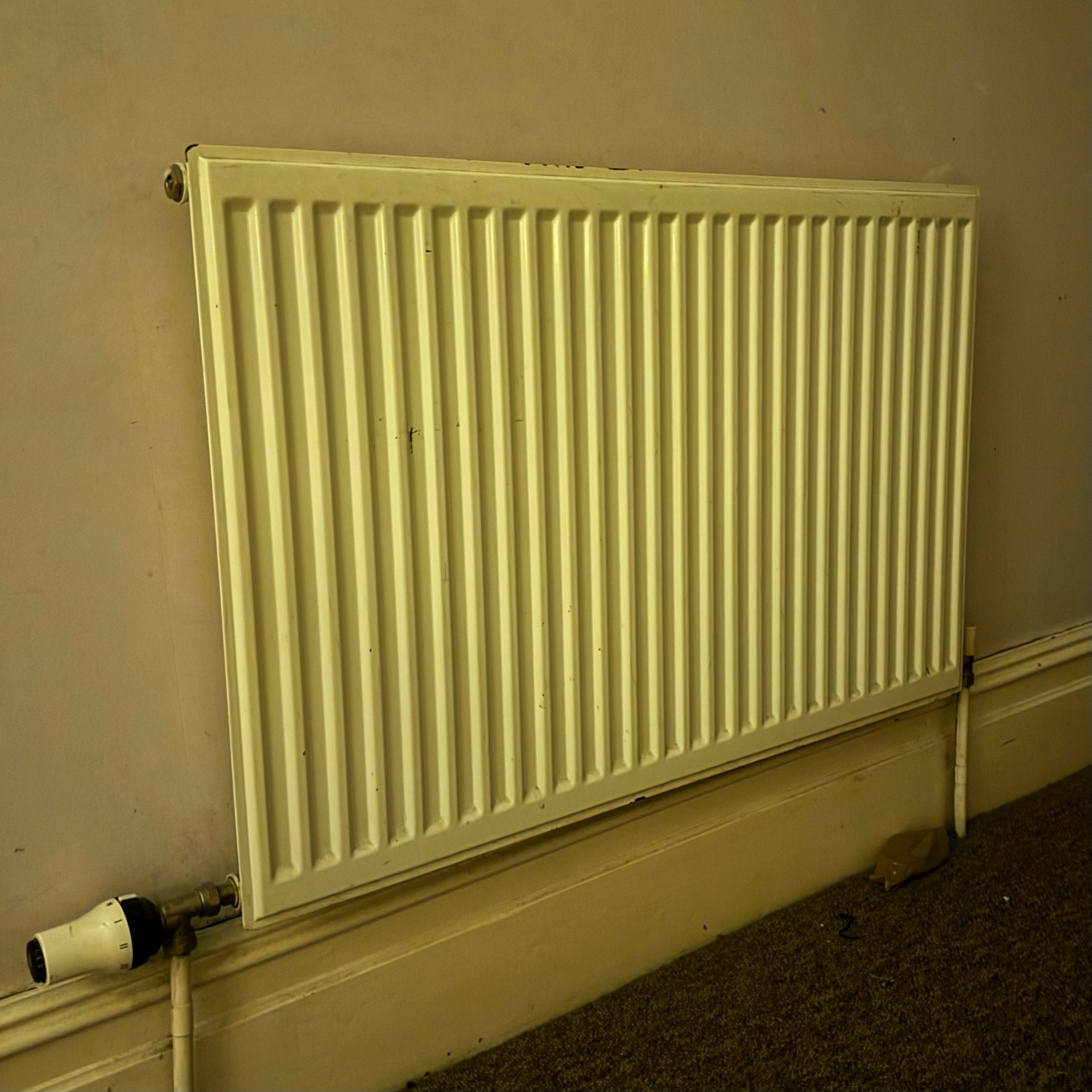
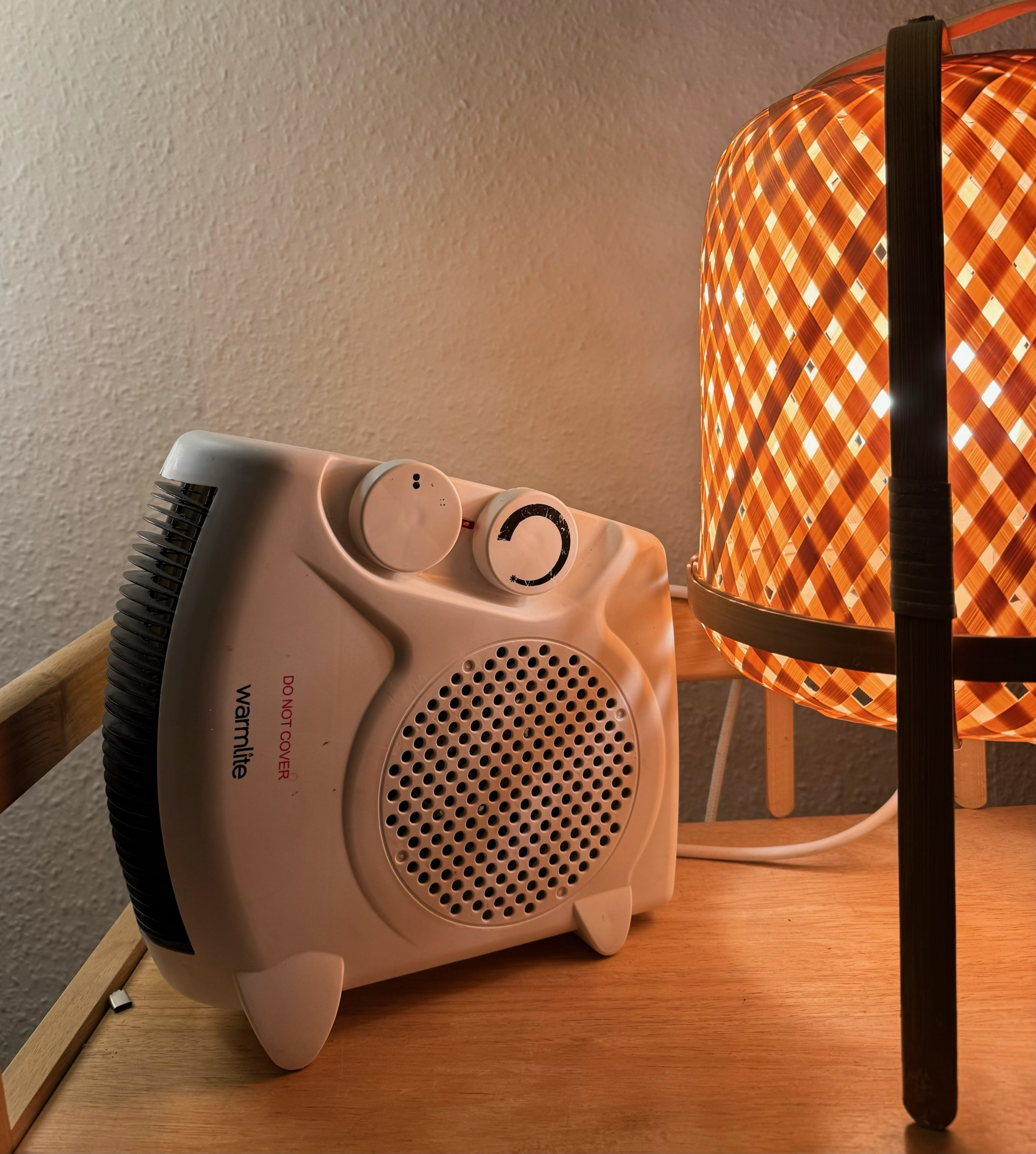
When winter arrived, heating became the main source of tension in our second-year house. Awkward stand-offs played out between those who wanted it on and those who wanted it off, both sides waiting for the other to concede. Fingers would uncurl, shape-shifting into a point toward whoever had committed the crime of forgetting to switch it off. And then came the corruption: when the general heating stayed off, the individuals who had been shunned for their belief in warmth would sneak away to defrost behind locked doors, swaddled in their heated blankets and engulfed in the hot air of their mini heaters. Inevitably, the corruption showed its face when our next electricity bill stared plainly back at us, its figures revealing the cost of our internal scandal. We felt disjointed and divided, and the trust we had for one another began to slowly wear thin. On the other side of this emotional slipstream we made our own home rituals with heat among which the ‘heat as a love language’ scenarios emerged. ‘Birthday heating’ became a perfectly valid and incontestable excuse that prevented anyone from vetoing the heating being left on all day. Or when someone was down, a flatmate might tilt their head and say softly, ‘shall we put the heating on?’
Another unexpected revelation of Heating Money is the strangely intimate uncurtaining of childhood practices that it reveals to all around you. Some people grew up never having to think about the cost of warmth; others have been aware of the price per kilowatt-hour since childhood. In these years, whilst we are playing at being self-sufficient grown-ups we also become increasingly aware that the trappings of adulthood are a poor disguise: as our carefully curated notion of egalitarianism is smashed by the cost of living crisis that separates the Haves from the Have-nots.
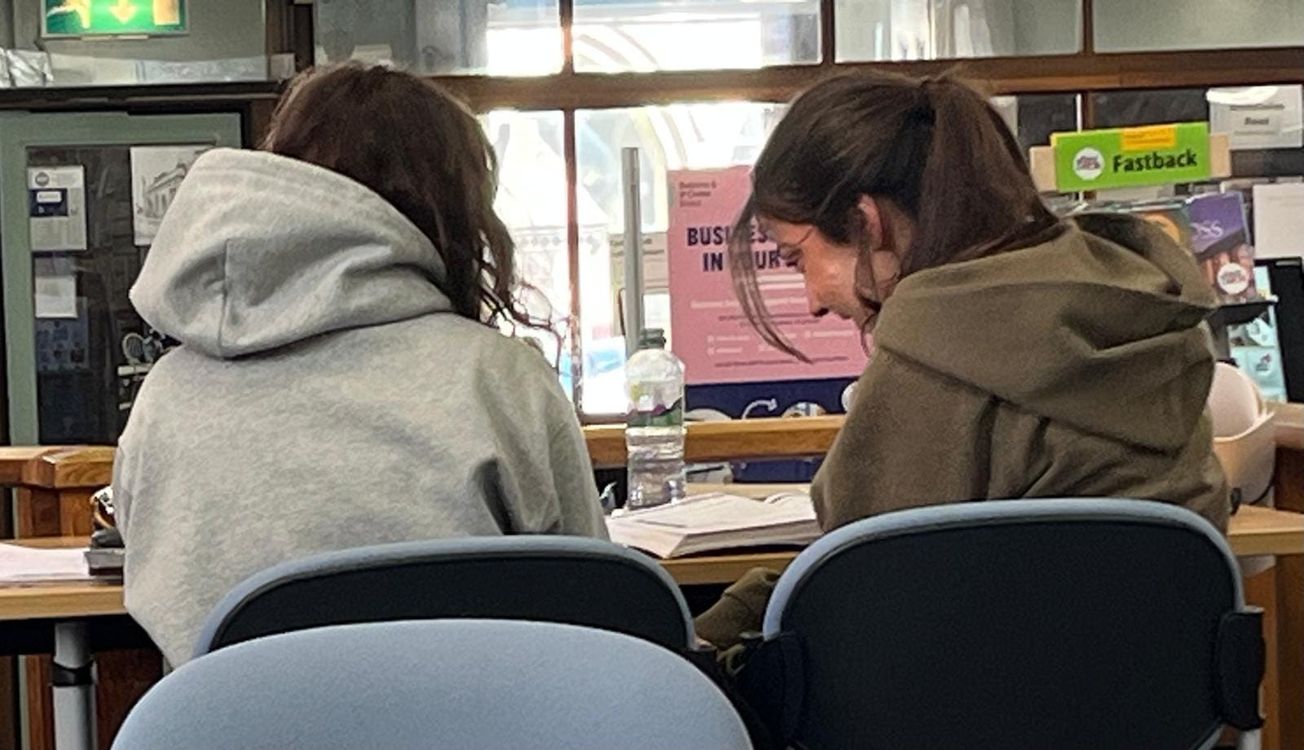
It got me thinking: how much does this shape our social lives? How many times have I made the decision to stay late at the library to keep warm whilst I work? Or conversely does it make us more inclined to go out and interact? I saw a post on the Instagram account Overheardatu0b quoting someone in Commercial Rooms proclaiming that ‘it’s more cost efficient to club at OMG to stay warm than turn our heating on.’ Some houses, of course, indulged in the luxury of unlimited bills plans and became havens for those of us escaping the biting cold of our own homes. But did this divide the sense of community within our own houses, or did it instead foster a kind of cross-house sociability where people congregated in search of warmth and company?
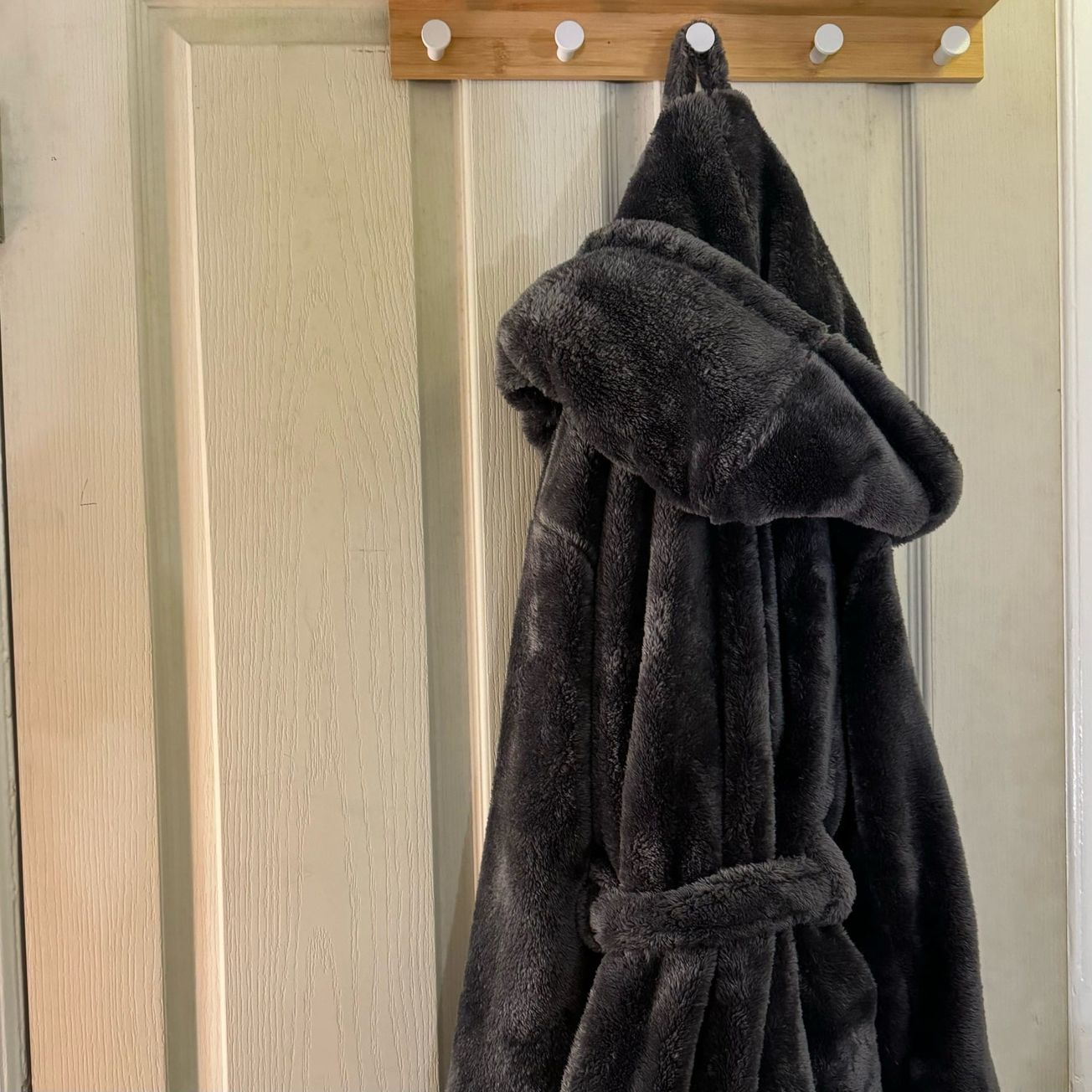
It is possible to romanticise the ridiculous lengths we go in dealing with our heating situations. In some ways, it’s exactly what I expected as part of the university experience, a rite of passage as such. When I left for university in my first year, I was sent off with the parting gifts of two hot water and a fluffy robe. You can almost fit yourself into a university archetype, the one imagined by those veterans who equipped me with their protective tools, or the one we see on TV shows like Fresh Meat, which sentimentalise the comical ordinary antics of student life.
Still, the glamour we conjure in our minds is futile when faced with the reality of the cold. The image is replaced by a sense of unfairness. We all come to university as supposed intellectual equals, our minds deemed good enough to earn a place here. Yet cracks in that equality appear at the first hurdle. When it comes to the physical experience of warmth, we become acutely aware that those who can afford to heat will do so, and those who can’t, won’t. The cost of living crisis at university only intensifies the socioeconomic divide that the pursuit of higher education is meant to bridge.
The idiom ‘hearth and home’ is used to refer to a person’s home as a place of comfort and love. Originating from the ‘hearth’, historically the centre of the home where a fire was built for cooking and warmth. Whilst we no longer have this physical warm centre of the home, the association of heat with home, family life, comfort and security remain. Taken at face value, then, what associations do cold university students form between warmth and the very fragile process of building belonging?
Featured image: Epigram / Lulu Shasha
Are you turning the heating on, or layering up to save money?