
By Charles Hubbard, Second Year, Theatre and Performance
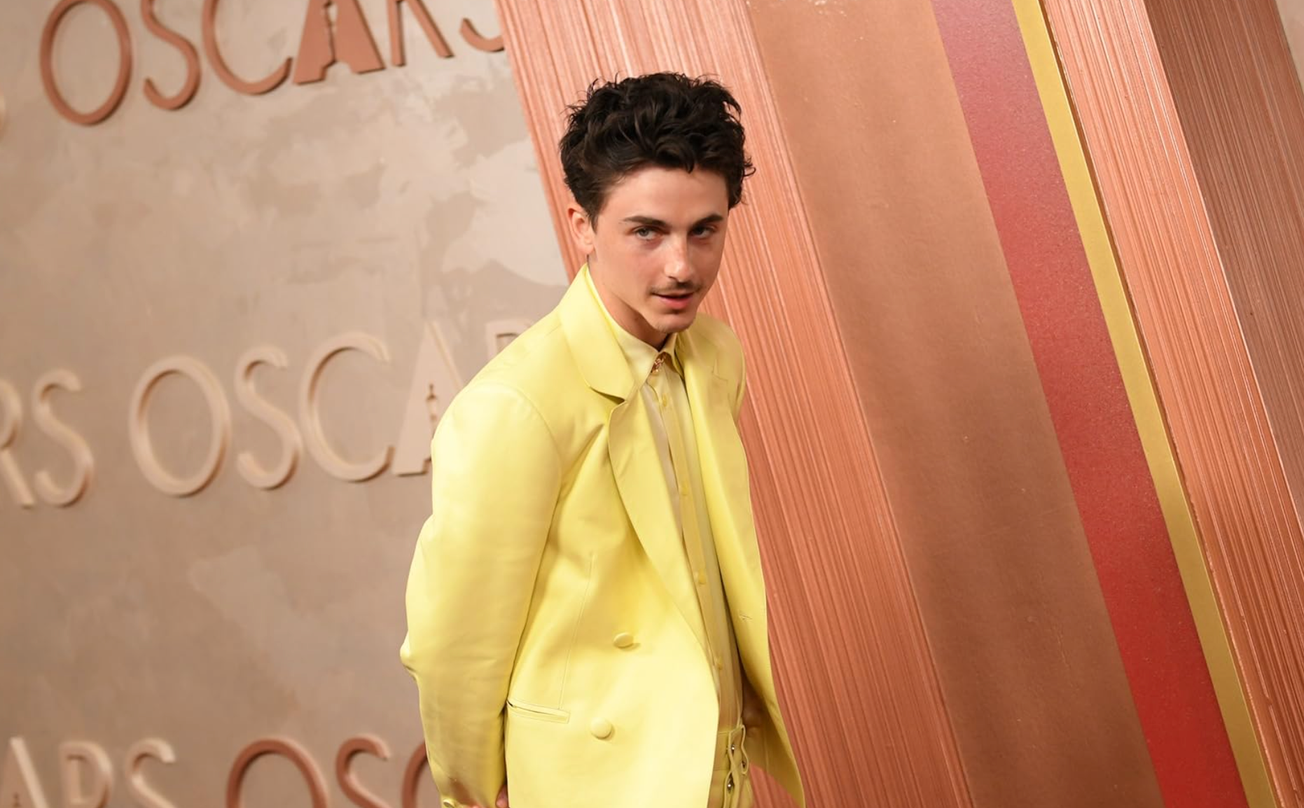
This article is not about Timothée Chalamet’s comments on ballet and opera. The discourse around that one sentence delivered in one interview has taken up so much of the pop culture discourse in the last few weeks, I wouldn’t forgive anyone for immediately clicking away from any article with his name in the title. I instead want to look at how the public’s relationship with one actor can be so precarious that one (relatively tame) comment targeted at relatively niche art forms can inspire so much vitriol.
Frustration at Chalamet had been building long before he launched a few stray shots at Stravinsky, or even before the film that launched that entire press tour was even released. This is because his ability to shift the audience’s sympathies on a dime has always been his secret sauce as an actor. To put it a lot plainer - everything people find now annoying about Chalamet is fundamental to the success of the majority of his films and just a quick look back at his filmography will make that fact glaringly apparent.
The most obvious example of this is Chalamet’s most recent film, Marty Supreme (2025). It's easy to see why this film alienated many audiences and made them wonder whether Chalamet still had the juice or not. Marty Mauser, the character he plays, is an unrepentantly unlikeable louse who is willing to throw everyone in his life right under the bus in favour of a dream he doesn’t even get the chance to accomplish by the time the film winds to a close.
It’s equally easy to see the film as a quasi-biography of its leading man. This goes beyond the fact that the screenwriters Josh Safdie and Ronald Bronstein essentially wrote the character with Chalamet in mind, or that the actor had been physically preparing for the role since the awards season for Call Me by Your Name (2017), more than seven years prior. Mauser’s single-minded drive and all-consuming rampage towards his goals are neatly mirrored in Chalamet’s own focus on becoming, as he put it in his 2025 Actor Awards speech, ‘one of the greats’.
Now he is far from the first actor to inhabit such a role. If Chalamet is this generation’s DiCaprio, then Marty Supreme is certainly his version of Catch Me If You Can (2002), in which DiCaprio played similarly charismatic con artist Frank Abagnale Jr.
However, Chalamet seems a lot more comfortable with putting himself on the chopping block for his film than Leo ever was. While Dicaprio never lets Abagnale’s inherent likeability slip into doubt, Safdie’s film is extremely upfront about how selfish and destructive Mauser’s actions are and the film never even attempts to make a case for him being a good person. As many of the film’s harsher critics have noted, this may actually work against the film, but it’s still undeniably impressive to watch a major star willingly self-destruct this hard, especially on this large of a canvas.
Similarly skewering is Chalamet’s performance as Bob Dylan in James Mangold’s frustratingly pedestrian biopic A Complete Unknown (2024). While I generally dislike his turn as Dylan, finding it to be much more an airless impression than a natural portrayal, I really value the way the film whole-heartedly embraces Dylan’s extremely well-documented reputation as a massive prick.
While when Austin Butler, Rami Malek and Jeremy Allen played legends of rock n’ roll, they sought to push everything unsavoury about their subjects right under the rug and completely out of sight. However, Chalamet understands the feeling of having both talent and arrogance in equal (and copious supply) and his portrayal of Bob Dylan as a man who seeks to justify his unpleasant behaviour on the basis of undeniable skill is firmly rooted in Chalamet’s own psychology as a performer. While it may seem like amateur historionics to compare him to Dylan - the second is one of the most legendary musicians of all time whereas the first only just hit thirty - the best biopics have always drawn lines between the figure and the actor and Chalamet and Mangold marked this line better than almost anyone else.
If you’re still skeptical about Chalamet’s bravery when it comes to embracing his own inherent smarminess on screen, just compare him to his peers. For example, Ryan Reynolds and Tom Holland are so clearly desperate for audiences to like them that they refuse to take on roles that require them to even test viewers’ sympathies for a single solitary second.
As Chalamet’s roster becomes more and more impressive as he works with important directors that challenge him in different directions, Reynolds and Holland only seem to want to serve people the same burger and chips over and over again, worried what might happen if they experimented with the spices. Alternatively, the aforementioned Austin Butler is just as much of a workaholic as Chalamet yet seems far too timid to embrace his own very apparent pretensions.
Butler nonchalantly shrugged off accusations that he was putting on his Elvis accent deep into that year’s Oscar season, whereas Chalamet would have bragged about it every chance he got. Sure, this probably would’ve been immensely frustrating. But it would have also been rather refreshing in a media landscape where celebrities are far too aware that everything they say is being instantly broadcast straight to every corner of the internet.
In doing research for his article and trying to find any public figure who matched Chalamet’s particular combination of brash arrogance, unvarnished sincerity and insane box office success, the closest analogue I could find was Lin-Manuel Miranda - the mind behind Hamilton (2016). A fairly one-to-one comparison can be drawn between Miranda’s performance as Alexander Hamilton and the majority of Chalamet’s performances, especially how their theatre-kid striving is specifically meant to turn every single supporting character away from them, even as it is their passion that is single-handedly driving the story.
The tide of public opinion on Miranda somewhat swung after the release of Hamilton on Disney+ (the musical is certainly jarring in a post-Trump political climate) and has yet to really swing back in his favour. And, after what many are (unjustly) calling a humiliating defeat at the Oscars two weeks ago, I suspect Chalamet is in for a similarly extended period in the cold.
 Felix Glanville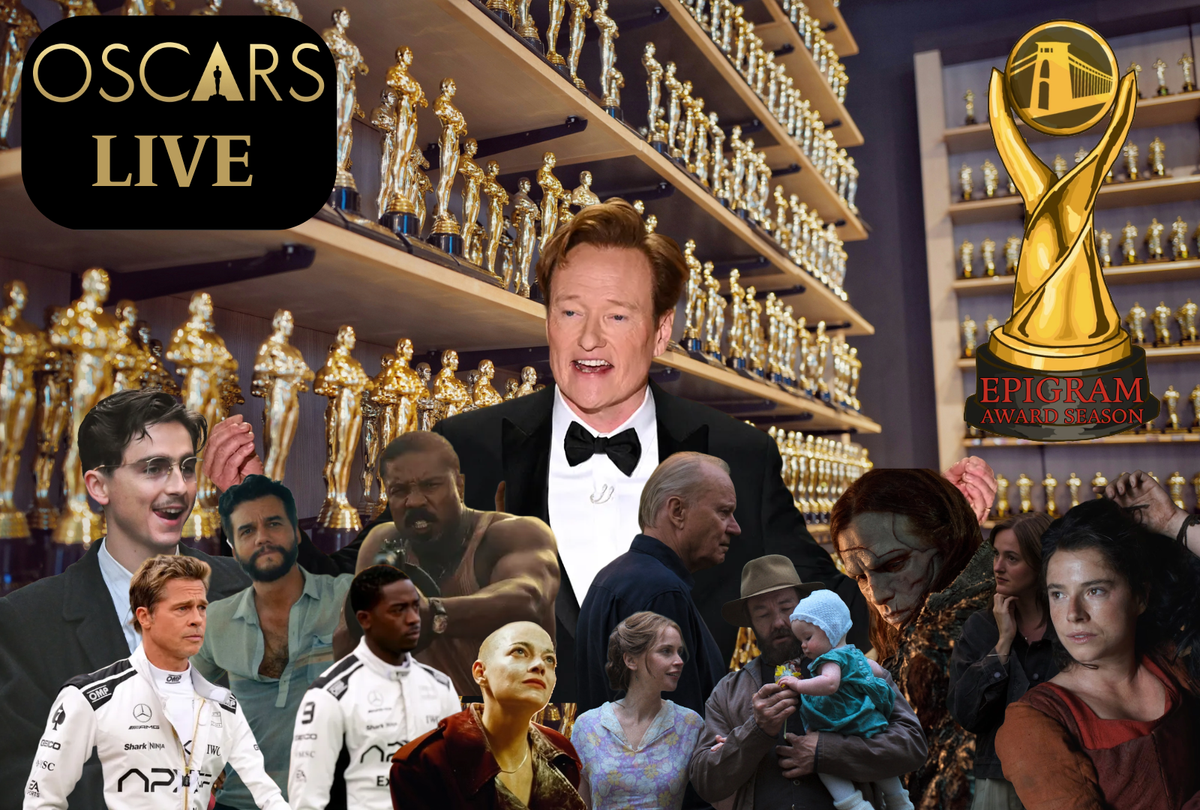
However, as the saying goes, you get what you pay for and, if people are only just now complaining about how annoying and smug Chalamet is, they may need to realise that this very same characteristic was why everyone fell in love with him in the first place.
I’m certainly no Chalamet acolyte but he is a fascinating case study on the fine line between actor and character, especially how what can make someone magnetic on screen can make them truly insufferable in real life.
Featured Image: IMDb
Do you think Timothée Chalamet is a rarity in Hollywood and deserves all the criticism?