
By India Thompson, Third Year, Geography
So you managed to find a fifty pound flight to Europe, a bargain, but what are you actually paying for and what corners are being cut to provide a service at such a low price tag?
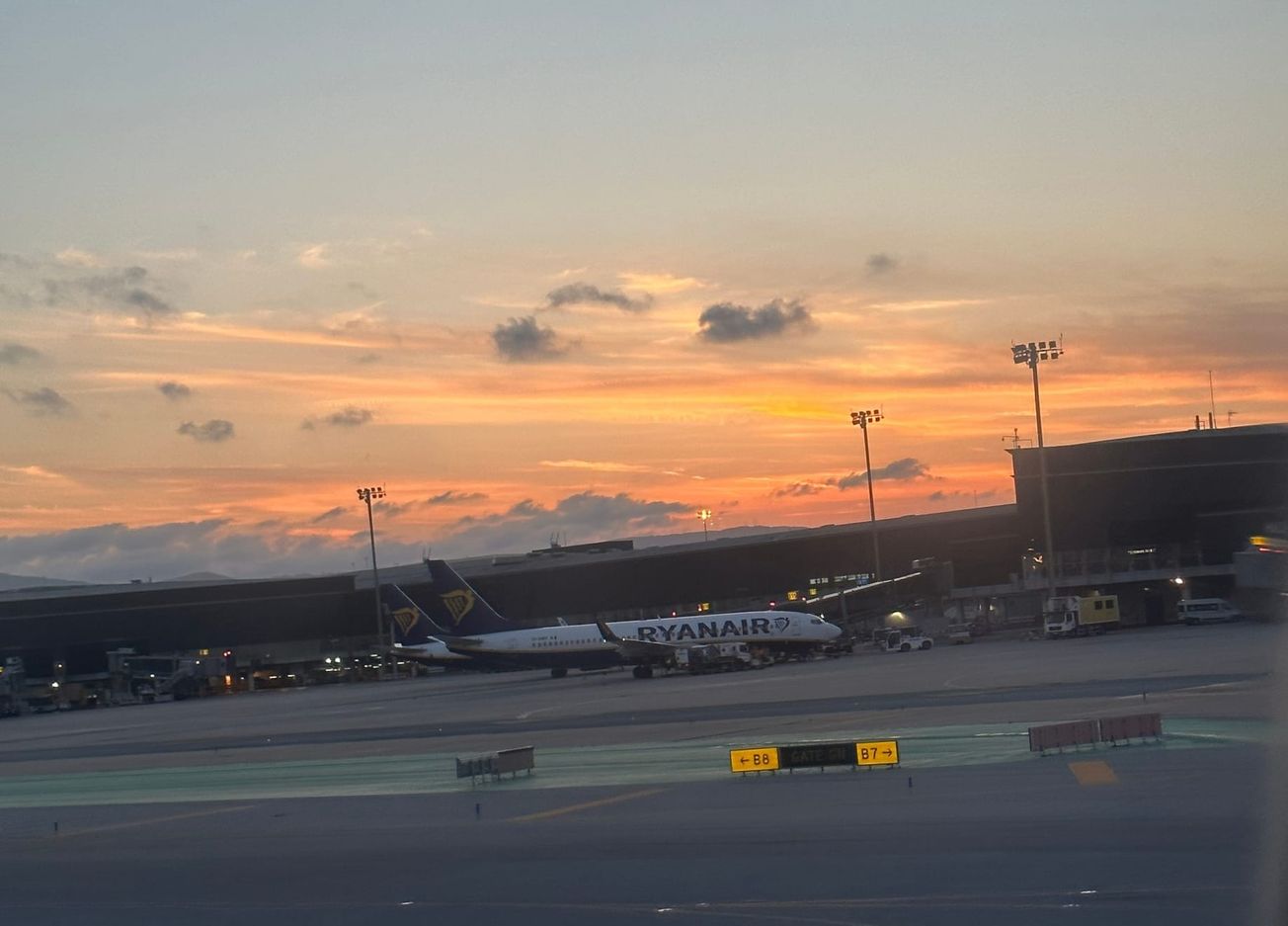
Over the summer, most students have been jet-setting to foreign and exotic places; holidays have become the norm in an interconnected globe where the distance between places feels shorter than ever before. Not only are there more destinations available, the rise of budget flights has further increased accessibility. Airlines such as Easyjet, Ryanair and Wizzair have become firm favourites where these companies operated one in four European flights in 2023 and over 1.9 million flights were taken from the UK. Yet every flight leaves a trail of invisible damage; meaning as passenger and flight volume increase, so does aviation emissions and the threat to the environment.
Additionally, aviation carbon emissions will have disproportionate impacts due to decarbonisation advances in other sectors. Carbon dioxide emissions are not the only threat aviation makes to the environment: other emissions such as water vapour impact the atmosphere and cause cloud damage, leaving the industry accountable for five percent of global warming. Critics argue that the aviation sector does not pay enough for its carbon emissions, threatening future stability.
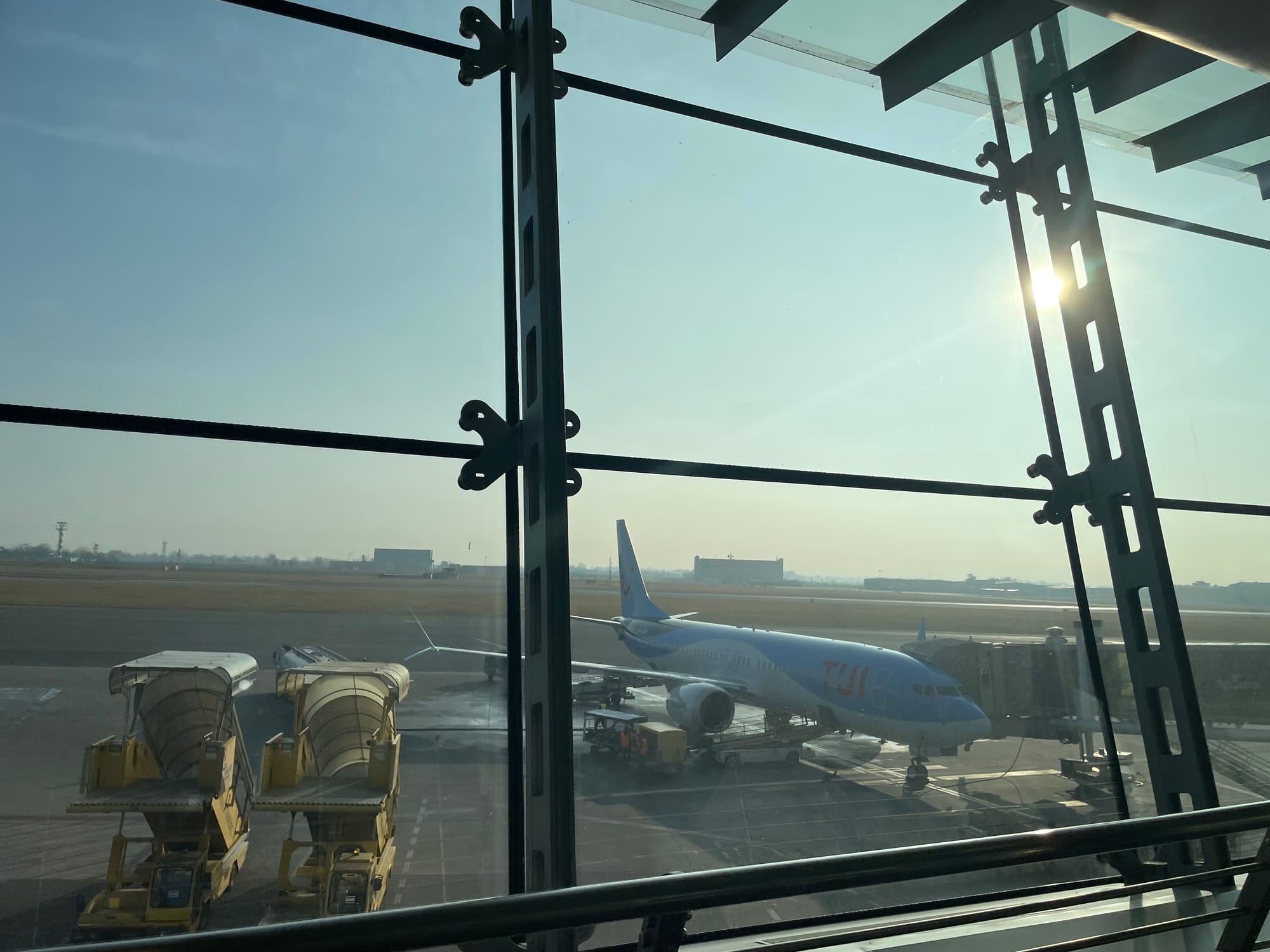
On the other hand, it must be conceded that there are countless benefits to the increased air travel and decreased prices. Affordability in a society constantly facing price rises and inflation is hard to come by and will be unlikely to cause complaints. This opportunity can be utilised to experience new cultures or visit places that previously would have been unattainable. Aviation has driven globalisation by increasing fluidity and facilitating further ease and frequency of both goods and people movement. The enhanced international opportunities provide economic and political benefits, a fundamental reasoning behind the Heathrow £49 billion expansion plans that propose a third runway. Support and concern have both been expressed. Chancellor Rachel Reeves said it would ‘make Britain the world’s best connected place to do business’ due to capacity increase to one hundred and fifty million passengers annually. Heathrow has confronted opposition claiming to deliver for both economic growth and the environment maintaining their net zero target for 2050.
'Aviation has no realistic prospect of becoming sustainable in the near future.'
Nevertheless, concern over sustainability persists; London Mayor, Sadiq Khan remains ‘unconvinced’ that there won’t be a ‘hugely detrimental’ impact to the environment in a proposition that appears to counter sustainability measures. Climate activists and advocates are also increasingly concerned, particularly with private jets. Earlier this year protesters blocked access to Farnborough airport over expansion plans as ‘aviation has no realistic prospect of becoming sustainable in the near future’ according to Steve Williams a council environment lead for Waverley.
Dispute and negative implications go beyond the environment as budget airlines and aviation come with alternative costs: frequent delays and cancellations, poorer customer service and measly compensation for disruption; there is always a price to pay. Refunds are rarely provided for missed flights and hidden costs mean that upon reaching final payment, the price has exponentially increased by hundreds of pounds in add-ons which would otherwise have been included. Budget airlines are renowned for being inflexible, even requiring payment for seat allocation together.
Travel won’t stop and shouldn’t stop but considering alternatives and making more eco-friendly choices are paramount especially in a time of climate crisis. After reducing frequency of air travel, opting for short haul or at least booking non-stop long haul are the next viable options. As much as fifty percent of carbon emissions can come from take off and landing due to higher fuel consumption. Flying economy also reduces your carbon footprint because more people can fit onto the plane. Therefore as annoying as the packed planes and lack of legroom are on budget airlines, the emissions are shared per head lowering environmental impact.
 Billy Stockwell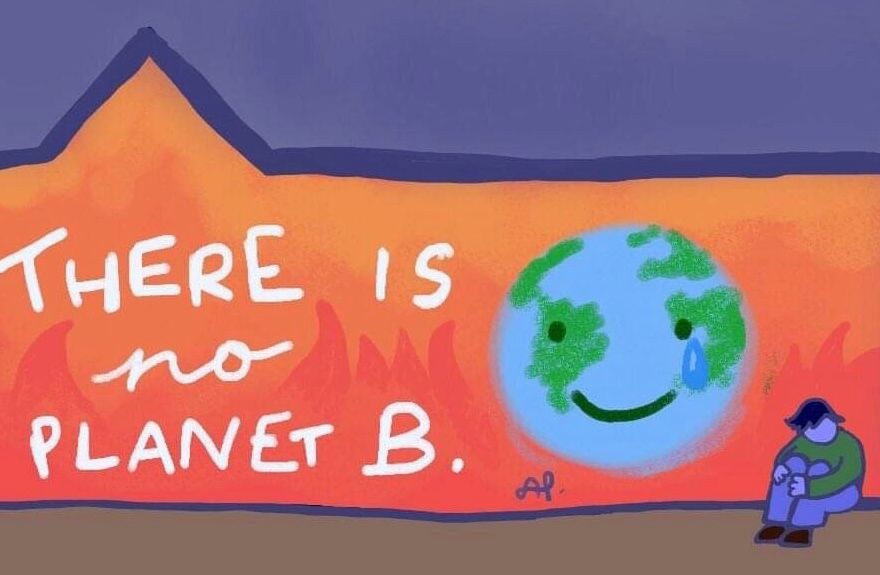
 Anna Dodd
Additionally, biofuel development in recent years can reduce emissions by up to 80% compared to fossil fuels creating feasible and impactful change. Train travel as an alternative mode is ecologically friendly and can emit up to seventy five percent fewer carbon emissions. Even though journey times may be longer, it is worth considering for European trips which can actually be more comfortable than flying. Small changes add up and your choices can make a difference.
It is not to say that you should cancel all upcoming flights and resort to drastic measures, but as a collective we should become more conscious of the ritualistic habits that may compound to create tangible harm and problems in the future. After considering sustainability, service and hidden costs, do you think the trade off is worth it?
Featured Image: Epigram / Anna Dodd
Do you think we should be flying less?